Posted by Admin on 27-09-2023 in Shiksha hub
Advance Diploma in Solar Passive and Climatic Building Design Introduction, Admission, Registration, Eligibility, Duration, Fees, Syllabus 2024
Introduction about ADVANCED DIPLOMA IN SOLAR PASSIVE AND CLIMATIC BUILDING DESIGN:
In the world of architecture and sustainable construction, the concept of solar passive and climatic building design is gaining immense prominence. With the ever-increasing need to address climate change and create environmentally friendly structures, professionals who specialize in this field are in high demand. An Advanced Diploma in Solar Passive and Climatic Building Design equips individuals with the knowledge and skills to design buildings that harness the power of the sun, minimize energy consumption, and create comfortable, eco-friendly living spaces. In this article, we will explore the intricacies of this advanced diploma program, including what it encompasses, its benefits, and the career prospects it offers.
What is Solar Passive and Climatic Building Design?
A Sustainable Approach to Architecture
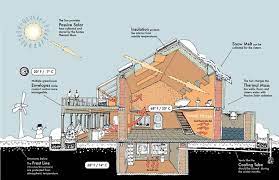
Solar passive and climatic building design is a sustainable approach to architecture that focuses on optimizing a building's design to take advantage of natural climatic conditions. This design philosophy aims to reduce energy consumption and promote sustainability. It leverages passive solar heating and cooling, natural ventilation, and the use of building materials that contribute to energy efficiency.
The Role of Advanced Diploma
An Advanced Diploma in Solar Passive and Climatic Building Design delves deeply into these concepts, providing students with a comprehensive understanding of sustainable building design principles.
Course Curriculum and Topics
The curriculum of an Advanced Diploma in Solar Passive and Climatic Building Design is carefully structured to cover a wide range of topics. These topics include:
Introduction to Sustainable Design
In this module, students are introduced to the fundamental principles of sustainable design, including its importance in today's world.
Climate Analysis
Understanding local and regional climate patterns is essential for designing climate-responsive buildings. Students learn how to conduct climate analyses and incorporate this knowledge into their designs.
Passive Solar Design
This section delves into passive solar design techniques, which maximize natural sunlight and heat while minimizing the need for artificial heating and cooling.
Natural Ventilation
Natural ventilation is crucial for maintaining indoor air quality and reducing energy consumption. Students learn how to design spaces that allow for effective natural ventilation.
Energy Efficiency
Energy-efficient building materials and systems are essential components of sustainable design. This module explores the latest technologies and practices in energy-efficient construction.
Benefits of the Advanced Diploma
Pursuing an Advanced Diploma in Solar Passive and Climatic Building Design offers several benefits:
High Demand for Professionals
As the world becomes more environmentally conscious, there is a growing demand for experts in sustainable design. Graduates of this program are highly sought after by architecture firms and construction companies.
Environmental Impact
By designing buildings that reduce energy consumption and have a minimal environmental footprint, professionals in this field contribute significantly to sustainability efforts.
Personal Fulfillment
Working in solar passive and climatic building design is not only financially rewarding but also personally fulfilling. Knowing that your work contributes to a greener planet is a source of immense satisfaction.
Career Opportunities
Graduates of this program can explore a range of career opportunities, including:
Sustainable Architect
Sustainable architects design buildings that adhere to green building practices and environmental principles.
Environmental Consultant
Environmental consultants provide advice on sustainable building practices to clients, ensuring compliance with eco-friendly regulations.
Green Building Developer
Developers in this field specialize in creating eco-friendly, energy-efficient structures that reduce the carbon footprint.
How can I apply for admission to ADVANCED DIPLOMA IN SOLAR PASSIVE AND CLIMATIC BUILDING DESIGN:
To apply for admission to an Advanced Diploma in Solar Passive and Climatic Building Design program, you should follow these general steps:
Research Programs: Start by researching the institutions that offer this program. Look for universities, colleges, or educational organizations that provide the Advanced Diploma in Solar Passive and Climatic Building Design.
Check Eligibility: Review the admission requirements for the program. Typically, these requirements include having a background in architecture, engineering, or a related field. Ensure you meet the prerequisites.
Select Institutions: Choose the institutions that align with your goals and preferences. Consider factors like location, tuition fees, program duration, and any specializations offered within the program.
Prepare Required Documents: Most institutions will ask for specific documents as part of the application process. These commonly include:
Completed Application Form: Fill out the application form provided by the institution.
Transcripts: Submit transcripts from your previous educational institutions.
Resume/CV: Include a resume or curriculum vitae highlighting your educational and professional background.
Statement of Purpose: Write a statement explaining your interest in the program and your career goals.
Letters of Recommendation: Obtain letters of recommendation from professors or employers who can speak to your qualifications.
Language Proficiency Test Scores: If English is not your first language, you may need to provide TOEFL or IELTS scores to demonstrate your English proficiency.
Portfolio: If required, include a portfolio of your work that showcases your skills and experience in architecture or related fields.
Application Fee: Be prepared to pay an application fee. Check the institution's website or contact the admissions office for details on the fee amount and payment methods.
Submit Application: Carefully complete the application form and gather all the required documents. Follow the submission instructions provided by the institution. Most institutions now accept online applications, but some may still require physical copies of documents.
Interview (if applicable): Some programs may require an interview as part of the admissions process. Prepare for this interview by researching the program and being ready to discuss your qualifications and goals.
Wait for Admission Decision: After submitting your application, you'll need to wait for the institution to review your materials and make an admission decision. This can take several weeks, so be patient.
Acceptance and Enrollment: If you receive an acceptance letter, follow the instructions to accept the offer and complete the enrollment process. This may involve paying a deposit or providing additional documentation.
Financial Aid and Scholarships: Explore financial aid options and scholarships that may be available for the program. Some institutions offer financial assistance to qualified students.
What is the eligibility for ADVANCED DIPLOMA IN SOLAR PASSIVE AND CLIMATIC BUILDING DESIGN:
The eligibility criteria for an Advanced Diploma in Solar Passive and Climatic Building Design may vary from one educational institution to another. However, I can provide you with a general idea of the typical eligibility requirements for this program:
Educational Background:
A Bachelor's degree in a related field such as architecture, civil engineering, environmental science, or a similar discipline is often preferred.
Some institutions may admit students with a relevant associate degree or diploma, especially if they have significant work experience in a related field.
English Language Proficiency:
If English is not your first language, you may be required to provide proof of English language proficiency. This is typically demonstrated through standardized tests like TOEFL or IELTS. Each institution will have its own minimum score requirements.
Transcripts:
You'll need to submit transcripts from your previous educational institutions, demonstrating your academic background and achievements.
Letters of Recommendation:
Many programs require letters of recommendation from individuals who can speak to your academic or professional qualifications. These letters are typically provided by professors, employers, or supervisors.
Statement of Purpose:
You may be asked to write a statement of purpose explaining why you want to pursue this program and your career goals in the field of solar passive and climatic building design.
Interview (if applicable):
Some institutions may conduct interviews as part of the admissions process to assess your qualifications and motivation for the program.
Work Experience:
While not always mandatory, some institutions may consider relevant work experience as a valuable asset in the admissions process. Experience in architecture, sustainable design, or a related field can strengthen your application.
How long does it takes to complete a ADVANCED DIPLOMA IN SOLAR PASSIVE AND CLIMATIC BUILDING DESIGN:
The duration of an Advanced Diploma in Solar Passive and Climatic Building Design can vary depending on several factors, including the educational institution offering the program and the specific curriculum they have in place. However, a typical range for the duration of such a program is as follows:
One Year Advanced Diploma: Some institutions offer an intensive, one-year Advanced Diploma program in Solar Passive and Climatic Building Design. These programs are often designed for students who already have a background in related fields and are seeking to acquire specialized knowledge quickly.
Two-Year Advanced Diploma: Many institutions structure their Advanced Diploma programs over two years. This extended duration allows for a more comprehensive exploration of the subject matter and is often suitable for students who may not have as much prior experience in the field.
What are the potential career opportunities after ADVANCED DIPLOMA IN SOLAR PASSIVE AND CLIMATIC BUILDING DESIGN:
Completing an Advanced Diploma in Solar Passive and Climatic Building Design opens up various career opportunities in the field of sustainable architecture and design. Graduates of this program are equipped with specialized knowledge and skills that are in high demand as the world seeks more environmentally friendly and energy-efficient building solutions. Here are some potential career opportunities:
Sustainable Architect:
Sustainable architects are responsible for designing buildings and structures that adhere to green building practices and environmental principles. They integrate solar passive and climatic design concepts to create energy-efficient, environmentally friendly, and aesthetically pleasing structures.
Environmental Consultant:
Environmental consultants provide expert advice on sustainable building practices. They work with clients to ensure that construction projects align with eco-friendly regulations and sustainability standards. Their role includes conducting environmental impact assessments and providing recommendations for greener designs.
Green Building Developer:
Green building developers specialize in creating eco-friendly, energy-efficient structures. They oversee all aspects of a construction project, from design and planning to construction and maintenance, with a focus on reducing the carbon footprint and maximizing energy efficiency.
Energy Auditor:
Energy auditors assess existing buildings and structures to identify energy inefficiencies and recommend improvements. Graduates with expertise in solar passive and climatic building design are well-equipped to analyze and optimize energy consumption in buildings.
Sustainability Coordinator:
Sustainability coordinators work within organizations to implement sustainable practices and strategies. They ensure that buildings and facilities are designed, maintained, and operated in an environmentally responsible manner, reducing energy consumption and waste.
Energy Efficiency Consultant:
Energy efficiency consultants provide guidance to businesses and individuals on how to reduce energy consumption and lower utility costs. They may conduct energy audits, recommend energy-saving technologies, and help clients make informed decisions about energy-efficient building designs.
Construction Project Manager:
Graduates can pursue careers as project managers in construction, particularly for projects that prioritize sustainable and energy-efficient design. They oversee the entire construction process, ensuring that the project aligns with green building principles.
Facilities Manager:
Facilities managers are responsible for the operation and maintenance of buildings and properties. Those with expertise in solar passive and climatic building design can play a crucial role in ensuring that facilities are energy-efficient and environmentally friendly.
Building Energy Analyst:
Building energy analysts use advanced software and tools to model and assess the energy performance of buildings. They help architects and engineers make informed design decisions to optimize energy efficiency and comfort in structures.
Academic and Research Positions:
Graduates may choose to enter academia or engage in research, contributing to advancements in sustainable design and construction. They can become professors, researchers, or experts in the field, sharing their knowledge with the next generation of professionals.
Syllabus of ADVANCED DIPLOMA IN SOLAR PASSIVE AND CLIMATIC BUILDING DESIGN:
The syllabus for an Advanced Diploma in Solar Passive and Climatic Building Design can vary depending on the institution offering the program and their specific curriculum. However, I can provide you with a general overview of the topics and subjects that are commonly covered throughout the program, typically organized on a semester-wise basis.
|
Semester 1 |
Semester 2 |
Semester 3 |
Semester 4 (Optional) |
|
Introduction to Sustainable Design |
Natural Ventilation |
Advanced Building Simulation |
Internship or Research Thesis |
|
Fundamentals of sustainable design principles and concepts. |
Principles of natural ventilation and indoor air quality. |
Utilization of advanced software tools for building performance simulation. |
Practical experience or in-depth research. |
|
Importance of sustainable design in modern architecture. |
Designing spaces to promote effective natural ventilation. |
Data analysis for optimizing design for energy efficiency. |
Internship with architecture firms or conducting a research thesis. |
|
Climate Analysis |
Energy Efficiency in Building Systems |
Case Studies and Project Work |
|
|
Understanding local and regional climate patterns. |
Energy-efficient HVAC systems. |
In-depth analysis of real-world case studies in sustainable design. |
|
|
Analyzing climate data to inform building design. |
Lighting, insulation, and other energy-saving technologies. |
Collaborative projects to apply knowledge and design solutions. |
|
|
Passive Solar Design |
Building Codes and Regulations |
Professional Practices |
|
|
Techniques for maximizing natural sunlight and heat. |
Understanding and complying with environmental and construction regulations. |
Ethics and professionalism in architecture and design. |
|
|
Design strategies for minimizing the need for artificial heating and cooling. |
Legal and ethical considerations in sustainable design. |
Preparing for a career in solar passive and climatic building design. |
|
|
Architectural Drawing and Software Tools |
Sustainable Construction Practices |
Research Methods and Thesis Preparation |
|
|
Introduction to architectural drawing and design software. |
Techniques and practices for sustainable construction. |
Research methodologies in sustainable architecture. |
|
|
Hands-on practice in creating design plans and layouts. |
Managing construction projects with sustainability in mind. |
Preparing for a thesis or research project. |
|
|
Building Materials and Technologies |
|
|
|
|
Study of materials and technologies that contribute to energy efficiency. |
|
|
|
|
Selection of eco-friendly building materials. |
|
|
|
Internship opportunities after completing ADVANCED DIPLOMA IN SOLAR PASSIVE AND CLIMATIC BUILDING DESIGN:
Completing an Advanced Diploma in Solar Passive and Climatic Building Design opens up excellent opportunities for internships in various sectors related to sustainable architecture and design. Internships provide hands-on experience and the chance to apply the knowledge and skills gained during the program. Here are some potential internship opportunities:
Architectural Firms:
Many architectural firms offer internship positions for those with expertise in solar passive and climatic building design. Interns may work on sustainable design projects, conduct energy efficiency assessments, and contribute to the creation of environmentally friendly building plans.
Environmental Consulting Companies:
Environmental consulting firms often seek interns to assist with sustainability assessments, green building certifications, and energy audits. This type of internship allows individuals to gain experience in evaluating and improving the environmental impact of buildings.
Government Agencies:
Government departments and agencies focused on energy and the environment may offer internships related to sustainable building practices. Interns can be involved in policy development, research, and environmental assessments.
Construction and Development Companies:
Construction companies engaged in sustainable and green building projects may offer internships in roles such as project management, construction supervision, or quality assurance, allowing interns to see how sustainable designs are implemented on-site.
Energy Efficiency Organizations:
Internships with organizations dedicated to energy efficiency and sustainability can involve working on initiatives related to renewable energy, conservation, and the implementation of energy-efficient technologies in buildings.
Nonprofit and Environmental Organizations:
Nonprofits and environmental organizations focused on sustainability and climate change may have internship programs in which individuals can contribute to community or global sustainability projects.
Research Institutions:
Research institutions or universities often provide research-based internships where individuals can assist with ongoing projects related to solar passive and climatic building design. This can involve data analysis, field research, and experimentation.
Building Material Manufacturers:
Companies that produce eco-friendly and energy-efficient building materials may offer internships related to product development, marketing, or quality control.
Green Building Certification Organizations:
Organizations responsible for certifying green buildings, such as LEED (Leadership in Energy and Environmental Design), may offer internships for those interested in learning about certification processes and green building standards.
Facilities Management:
Internships in facilities management can involve overseeing the sustainable operation of buildings, ensuring that they meet energy efficiency and sustainability goals. This role can be in educational institutions, healthcare facilities, or corporate settings.
Scholarship and grants for ADVANCED DIPLOMA IN SOLAR PASSIVE AND CLIMATIC BUILDING DESIGN:
Scholarships and grants for an Advanced Diploma in Solar Passive and Climatic Building Design can be a significant financial aid for students pursuing this specialized field of study. While the availability of scholarships may vary by institution and region, here are some common sources of financial assistance to consider:
Institutional Scholarships: Many universities and colleges offer scholarships specifically for students enrolled in programs related to sustainable architecture and design. These scholarships may be based on academic merit, financial need, or a combination of both. Check the institution's financial aid office or website for details.
Government Scholarships and Grants: Government agencies at the local, state, or national level may offer scholarships and grants for students pursuing degrees in environmentally sustainable fields. These opportunities can vary depending on your location.
Private Foundations and Organizations: Various private organizations and foundations are dedicated to promoting sustainable design and architecture. They offer scholarships to support students in this field. Research organizations that align with your interests and check their websites for scholarship opportunities.
Industry Associations: Professional associations related to architecture, sustainability, and building design may offer scholarships to students pursuing advanced diplomas in these fields. Examples include the American Institute of Architects (AIA) and the U.S. Green Building Council (USGBC).
Environmental and Energy Companies: Companies in the renewable energy and environmental sustainability sector sometimes provide financial support to students through scholarships or grants. These organizations may encourage and support the development of talent in the field.
Specific Program Scholarships: Some Advanced Diploma programs may have their own scholarships or financial aid packages available to students. These scholarships may be merit-based or awarded to students with a strong commitment to sustainable design.
Community and Nonprofit Organizations: Local community groups and nonprofits may offer scholarships to support education in sustainable design, especially if you have a demonstrated commitment to community and environmental issues.
Sustainability Competitions: Some organizations host design competitions and offer scholarships as prizes to students who present innovative, sustainable design solutions. Participating in such competitions can be a way to earn financial support.
Corporate Scholarships: Large corporations and businesses, especially those in the building and construction industry, may offer scholarships to students studying solar passive and climatic building design. Look for industry-specific opportunities.
When applying for scholarships and grants, be sure to:
Carefully review eligibility criteria and application deadlines.
Prepare all required documentation, such as transcripts, essays, and letters of recommendation.
Tailor your application to match the specific requirements of each scholarship.
Seek guidance from your educational institution's financial aid office for available opportunities.
Explore online scholarship databases and search engines to find relevant opportunities.
FAQs :
What are the entry requirements for this program?
The entry requirements can vary, but typically, a background in architecture or a related field is preferred. Check with specific institutions for detailed prerequisites.
How long does it take to complete the Advanced Diploma?
The duration of the program can range from 1 to 2 years, depending on the institution and the specific curriculum.
Are there scholarships available for this program?
Many institutions offer scholarships and financial aid for eligible students. Be sure to inquire about these options during the application process.
What are the future prospects for professionals in this field?
Professionals in solar passive and climatic building design have a promising future, as the demand for sustainable building practices is expected to increase.
Can I pursue this program online?
Yes, many institutions offer online courses in solar passive and climatic building design, providing flexibility for working professionals and international students.
Conclusion:
An Advanced Diploma in Solar Passive and Climatic Building Design is a gateway to a rewarding career that not only benefits individuals but also contributes positively to our environment. With the demand for sustainable building practices on the rise, professionals in this field play a crucial role in shaping a greener and more sustainable future.
How Shiksha Hub helps you in
-
 Student Counsellors
 -
 Career Counseling
 -
 Research
 -
 24/7 Support
 -
 Scholarships
 -
 Community