Posted by Admin on 08-07-2023 in Shiksha hub
Aircraft Instrument Technician Admission, Registration, Eligibility, Duration, Fees, Syllabus 2024
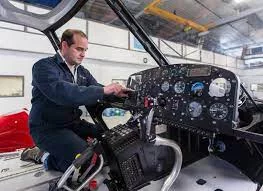
Introduction about Aircraft Instrument Technician
Aircraft instrument technicians are the unsung heroes of the aviation industry, playing a critical role in ensuring the safety and functionality of aircraft. In this article, we will delve into the world of these skilled professionals, exploring their responsibilities, required skills, training, and the impact they have on aviation safety.
Role and Responsibilities
The primary responsibility of an aircraft instrument technician is to install, maintain, and repair the various instruments and avionic systems in an aircraft. This includes everything from altimeters and airspeed indicators to autopilot systems. They play a pivotal role in guaranteeing that all instruments function accurately, contributing to the overall safety and efficiency of the aircraft.
Skills Required
Becoming a successful aircraft instrument technician requires a unique set of skills. Proficiency in electronics, attention to detail, problem-solving abilities, and a strong understanding of aircraft systems are paramount. These professionals must also keep up with the latest technological advancements in aviation to stay effective in their roles.
Training and Education
To embark on a career as an aircraft instrument technician, individuals typically pursue a relevant degree or certification in avionics, aviation technology, or a related field. Hands-on training is crucial, and many technicians gain experience through apprenticeships or on-the-job training programs.
Tools of the Trade
Aircraft instrument technicians utilize a variety of tools and equipment to perform their tasks. From multimeters and oscilloscopes to specialized avionics test sets, these tools are essential for diagnosing issues and ensuring the proper functioning of instruments.
Work Environments
The work environments for aircraft instrument technicians are diverse. They may be employed by airlines, aircraft manufacturers, or maintenance facilities. Some technicians work in hangars, while others may be required to travel to different locations to service aircraft.
Challenges in the Field
Like any profession, aircraft instrument technicians face challenges. Rapid technological advancements require them to stay updated with the latest trends, and troubleshooting complex avionic systems can be demanding. However, it is these challenges that make the job dynamic and rewarding.
Career Opportunities
The demand for skilled aircraft instrument technicians is on the rise, opening up various career opportunities. Technicians can specialize in specific aircraft models or advance into supervisory or managerial roles within the aviation industry.
Industry Trends
With the aviation industry evolving rapidly, aircraft instrument technicians must stay informed about the latest trends. From the integration of artificial intelligence in avionics to the development of more sophisticated navigation systems, staying ahead of the curve is essential in this field.
Importance in Aviation Safety
The meticulous work of aircraft instrument technicians directly contributes to aviation safety. Accurate readings from instruments ensure that pilots have the information they need to make informed decisions, particularly in critical situations.
Day in the Life
A typical day for an aircraft instrument technician involves a combination of routine maintenance, troubleshooting, and inspections. They work closely with other aviation professionals, ensuring that every instrument meets the stringent standards set by aviation authorities.
Future Outlook
As technology continues to advance, the future looks promising for aircraft instrument technicians. The integration of more advanced avionic systems and the expansion of the aviation industry will create new opportunities for skilled professionals in this field.
Success Stories
Highlighting success stories of individuals who have excelled as aircraft instrument technicians can inspire aspiring professionals. These stories showcase the diverse career paths and achievements within the industry.
Professional Associations
Joining professional associations in the aviation industry provides aircraft instrument technicians with networking opportunities, access to additional training, and a platform to stay informed about industry developments.
How can I apply for admission to Aircraft Instrument Technician Program
Embarking on a career as an Aircraft Instrument Technician is an exciting journey that begins with the right education and training. If you're passionate about aviation and possess a keen interest in avionics, here's a step-by-step guide on how to apply for admission to an Aircraft Instrument Technician Program.
1. Research and Choose a Program
Start by researching institutions that offer Aircraft Instrument Technician programs. Look for accredited schools or training centers with a solid reputation in aviation education. Consider factors such as program duration, curriculum, faculty expertise, and facilities.
2. Check Admission Requirements
Each program may have specific admission requirements. Common prerequisites include a high school diploma or equivalent, a strong background in mathematics and physics, and sometimes a basic understanding of electronics. Check the official program website or contact the admissions office for detailed information.
3. Prepare Required Documents
Once you've identified the program you want to apply to, gather all the necessary documents. Typical documents may include:
High school transcripts
Letters of recommendation
Personal statement or letter of intent
Resume or curriculum vitae (CV)
Proof of prerequisite courses, if any
Ensure that all documents are up-to-date and accurately represent your qualifications.
4. Complete the Application Form
Most programs require applicants to submit an online application form. Fill out the form carefully, providing accurate information. Pay attention to deadlines and make sure to submit your application well before the closing date.
5. Pay Application Fees
Some programs may have an application fee. Ensure you are aware of the fee amount and submit it along with your application. Check if there are any fee waiver options based on financial need.
6. Schedule and Prepare for Entrance Exams
Certain programs may require applicants to take entrance exams to assess their knowledge and aptitude. Prepare for these exams by reviewing relevant material and practicing sample questions. Schedule the exams well in advance and make sure to arrive prepared on the testing day.
7. Attend an Interview (If Required)
In some cases, applicants may be invited for an interview as part of the admissions process. Prepare for common interview questions and be ready to discuss your passion for the field and your career goals.
8. Explore Financial Aid Options
Investigate financial aid options such as scholarships, grants, or student loans. Many institutions offer financial assistance to qualified students. Check with the program's financial aid office for guidance on available options.
9. Await Admission Decision
Once you've completed all the steps, patiently await the admission decision. This may take some time, so use the waiting period to explore housing options (if needed) and plan your transition to the program.
10. Acceptance and Enrollment
If you receive an acceptance letter, congratulations! Follow the instructions provided to officially accept the offer and complete the enrollment process. This may involve submitting additional documents and paying any required enrollment fees.
What is the eligibility for Aircraft Instrument Technician
Becoming an Aircraft Instrument Technician is an exciting career path for those passionate about aviation technology. To qualify for this role, individuals need to meet specific eligibility criteria. Here's a comprehensive guide outlining the typical eligibility requirements for aspiring Aircraft Instrument Technicians.
1. Educational Qualifications:
A primary eligibility criterion for becoming an Aircraft Instrument Technician is obtaining a relevant educational background. Typically, candidates are required to have:
A high school diploma or equivalent (GED).
Strong academic performance, especially in subjects like mathematics and physics.
Some programs may prefer candidates with coursework in electronics or related fields.
2. Technical and Analytical Skills:
Aircraft Instrument Technicians work with intricate avionic systems, demanding a high level of technical proficiency. Eligible candidates should possess:
Strong analytical and problem-solving skills.
Proficiency in using various tools and equipment related to avionics and aircraft instruments.
A keen understanding of electronics and avionic systems.
3. Attention to Detail:
Precision is paramount in the aviation industry. Aircraft Instrument Technicians must exhibit:
Exceptional attention to detail to diagnose and address issues with precision.
The ability to perform meticulous inspections and ensure the accuracy of instrument readings.
4. Communication Skills:
Effective communication is crucial for Aircraft Instrument Technicians who often work in teams. Eligible candidates should demonstrate:
Clear communication skills to convey technical information accurately.
The ability to collaborate with other aviation professionals, including pilots and maintenance crews.
5. Training and Certification:
While not always mandatory, completing a formal training program or obtaining relevant certifications can enhance eligibility. Aspiring technicians may pursue:
A certificate or degree in avionics, aviation technology, or a related field from an accredited institution.
Certifications from aviation regulatory authorities may be required or preferred in some regions.
6. Physical Fitness:
Aircraft Instrument Technicians may need to work in physically demanding environments. Eligible candidates should be:
Physically fit to handle the demands of the job, which may include climbing, lifting, and working in confined spaces.
7. Compliance with Regulatory Standards:
Given the critical role they play in aviation safety, Aircraft Instrument Technicians must comply with regulatory standards. Eligibility often involves:
Adhering to the requirements set by aviation authorities, such as the Federal Aviation Administration (FAA) in the United States or the European Union Aviation Safety Agency (EASA) in Europe.
8. Continuous Learning and Adaptability:
The aviation industry is dynamic, with continuous advancements in technology. Eligible candidates should showcase:
A commitment to staying updated on the latest developments in avionics and aircraft instruments.
Adaptability to evolving industry trends and technological changes.
How long does it takes to complete a Aircraft Instrument Technician program
Embarking on the journey to become an Aircraft Instrument Technician involves dedicated education and training. Aspiring technicians often wonder about the time commitment required to complete the necessary programs. Here's a comprehensive guide on the typical duration of Aircraft Instrument Technician programs.
1. Certificate Programs:
Certificate programs for Aircraft Instrument Technicians are generally the shortest in duration. These programs are designed to provide focused, hands-on training in avionics and related areas. On average, a certificate program can take anywhere from 6 months to 1 year to complete. The duration may vary based on the program's intensity, structure, and whether it includes practical experience or internships.
2. Associate Degree Programs:
Associate degree programs offer a more in-depth education, combining theoretical knowledge with practical skills. These programs typically last around 2 years for full-time students. Part-time options may be available for those balancing work or other commitments, extending the overall duration. Associate degree programs often cover a broader range of topics, providing a more comprehensive understanding of avionics and aircraft systems.
3. Bachelor's Degree Programs:
For individuals seeking a more extensive and well-rounded education, some institutions offer bachelor's degree programs in avionics, aviation technology, or a related field. These programs generally take approximately 4 years to complete for full-time students. Bachelor's degree programs delve deeper into the theoretical aspects of avionics and may include additional coursework in areas like mathematics and engineering.
4. Apprenticeships and On-the-Job Training:
In addition to formal education, aspiring Aircraft Instrument Technicians may opt for apprenticeships or on-the-job training programs. These options allow individuals to gain practical experience while working alongside experienced professionals. The duration of apprenticeships can vary widely, ranging from 1 to 4 years, depending on the program and the region.
Factors Influencing Program Duration:
Several factors can influence the time it takes to complete an Aircraft Instrument Technician program:
Program Structure: The design and structure of the program, including the inclusion of internships or co-op experiences, can impact the overall duration.
Full-time vs. Part-time: The choice between full-time and part-time enrollment can significantly affect program duration.
Prerequisites: Meeting any prerequisite requirements before entering the program may add to the overall time commitment.
Individual Progress: Some students may progress through the program at a faster or slower pace based on their individual capabilities and commitment to studies.
What are potential career opportunities after Aircraft Instrument Technician
Becoming an Aircraft Instrument Technician opens doors to a dynamic and rewarding career within the aviation industry. As these professionals acquire specialized skills, they find themselves well-positioned for various career opportunities. Let's explore the potential career paths that unfold after completing training as an Aircraft Instrument Technician.
1. Avionics Technician:
One of the most direct career paths for Aircraft Instrument Technicians is to become an Avionics Technician. Avionics Technicians specialize in the maintenance and repair of electronic systems in aircraft, including communication, navigation, and instrumentation systems. This role allows technicians to deepen their expertise in avionics and work on a broader range of aircraft systems.
2. Aircraft Maintenance Technician:
Aircraft Maintenance Technicians play a crucial role in ensuring the overall operational integrity of an aircraft. After gaining experience as an Aircraft Instrument Technician, individuals can transition to this role, where they are responsible for inspecting, repairing, and maintaining various aircraft components, including engines, structures, and avionics systems.
3. Avionics Inspector:
For those who enjoy ensuring that all systems meet stringent safety standards, a career as an Avionics Inspector may be appealing. Inspectors examine avionics installations and repairs to verify compliance with regulatory requirements. Their role is vital in maintaining the airworthiness of aircraft, contributing to overall aviation safety.
4. Avionics Engineer:
Aircraft Instrument Technicians with a strong educational background and a desire to contribute to the design and development of avionic systems may choose a career path as an Avionics Engineer. These professionals work on the creation and improvement of aircraft electronics, integrating cutting-edge technologies to enhance aviation capabilities.
5. Quality Control Specialist:
Quality Control Specialists in the aviation industry focus on ensuring that all maintenance and repair work meets the highest standards. Individuals with experience as Aircraft Instrument Technicians can transition to this role, overseeing the quality of avionics work and contributing to the overall safety and reliability of aircraft.
6. Technical Instructor:
Sharing knowledge and expertise is a fulfilling career path for some Aircraft Instrument Technicians. By becoming a Technical Instructor, professionals can train the next generation of avionics technicians, providing hands-on guidance and imparting valuable insights gained from their own experiences in the field.
7. Aviation Safety Officer:
As aviation safety is paramount, some professionals choose to become Aviation Safety Officers. These individuals are responsible for ensuring compliance with safety regulations and investigating incidents. With their intricate knowledge of avionics, former Aircraft Instrument Technicians can contribute to enhancing safety protocols.
8. Aerospace Technical Writer:
For those with a knack for communication, a career as an Aerospace Technical Writer may be appealing. These professionals create technical documentation and manuals for aircraft systems. Former Aircraft Instrument Technicians can leverage their expertise to translate complex technical information into clear and understandable documentation.
9. Aircraft Systems Integrator:
Aircraft Systems Integrators work on the integration of various systems within an aircraft to ensure seamless functionality. Individuals with a background as Aircraft Instrument Technicians can find opportunities to contribute to the integration of avionics systems, collaborating with engineers and other specialists.
10. Career Advancement and Management Roles:
With experience and continued professional development, former Aircraft Instrument Technicians may advance into management roles. This could include positions such as Avionics Manager, Maintenance Supervisor, or even executive roles within aviation organizations.
Syllabus of Aircraft Instrument Technician
Embarking on the journey to become an Aircraft Instrument Technician involves comprehensive training to develop the skills and knowledge required for this specialized field. The syllabus of an Aircraft Instrument Technician program typically covers a range of subjects to ensure that graduates are well-equipped to excel in their roles. Let's delve into the key components of the syllabus for an Aircraft Instrument Technician program.
**1. Introduction to Aviation:
Overview of the aviation industry and its evolution.
Understanding the role of Aircraft Instrument Technicians in ensuring aviation safety.
**2. Basic Aircraft Systems:
Introduction to various aircraft systems, including propulsion, airframe, and avionics.
Understanding the interconnectivity of different systems within an aircraft.
**3. Electrical Fundamentals:
Principles of electricity and electronics.
Ohm's Law, circuits, and basic electronic components.
**4. Avionics Systems:
In-depth exploration of avionics systems, including communication, navigation, and instrumentation.
Hands-on training with avionic equipment and instruments.
**5. Aircraft Instrumentation:
Study of various aircraft instruments, such as altimeters, airspeed indicators, and gyroscopes.
Calibration and maintenance of instruments to ensure accuracy.
**6. Digital Avionics:
Introduction to digital avionics systems and technologies.
Hands-on experience with digital displays, flight control systems, and autopilot systems.
**7. Communication Systems:
Understanding communication systems in aircraft, including radio communication and transponders.
Troubleshooting and maintenance of communication equipment.
**8. Navigation Systems:
Study of navigation systems, including GPS and inertial navigation.
Practical application of navigation equipment in aircraft.
**9. Aircraft Inspection and Maintenance:
Techniques for inspecting avionic systems during routine maintenance checks.
Identification and rectification of faults and malfunctions.
**10. Safety Procedures:
Emphasis on safety protocols and procedures in avionics maintenance.
Hands-on training in adhering to safety standards in the workplace.
**11. Regulatory Compliance:
Understanding and complying with aviation regulations and standards.
Familiarity with the regulations set by aviation authorities such as the FAA or EASA.
**12. Troubleshooting Techniques:
Developing skills in diagnosing and troubleshooting avionic issues.
Simulation exercises and real-world scenarios to enhance problem-solving abilities.
**13. Practical Training and Internship:
Hands-on experience in a controlled environment.
Internship opportunities for real-world exposure to aircraft maintenance.
**14. Professional Ethics:
Understanding the importance of professionalism and ethics in the aviation industry.
Code of conduct for Aircraft Instrument Technicians.
**15. Continuous Learning and Industry Updates:
Encouraging a mindset of continuous learning in a rapidly evolving industry.
Staying updated on the latest advancements in avionics technology.
Internship opportunities after completing Aircraft Instrument Technician
Completing training as an Aircraft Instrument Technician opens the door to a world of possibilities, and one crucial avenue for practical experience is through internships. These opportunities provide invaluable hands-on experience and a chance to apply learned skills in real-world scenarios. Let's explore the internship landscape for individuals who have completed Aircraft Instrument Technician training.
**1. Airlines and Aviation Companies:
Description: Many major airlines and aviation companies offer internship programs for aspiring Aircraft Instrument Technicians.
Benefits: Interns get exposure to a wide range of aircraft and avionics systems, working alongside experienced technicians.
Tasks: Assisting with routine inspections, troubleshooting avionic issues, and participating in maintenance procedures.
**2. Maintenance and Repair Facilities:
Description: Aircraft maintenance and repair facilities often provide internship opportunities for recent graduates.
Benefits: Interns gain hands-on experience with various aircraft models, contributing to their overall proficiency.
Tasks: Assisting in avionics inspections, troubleshooting, and participating in repair projects.
**3. Avionics Manufacturers:
Description: Interning with avionics manufacturers provides insight into the production and testing of avionic systems.
Benefits: Exposure to the latest avionics technologies and an understanding of manufacturing processes.
Tasks: Assisting in quality control, testing procedures, and contributing to product development.
**4. Government Aviation Agencies:
Description: Government agencies, such as the Federal Aviation Administration (FAA), may offer internships.
Benefits: Interns gain exposure to regulatory processes and contribute to aviation safety initiatives.
Tasks: Assisting in inspections, compliance checks, and contributing to safety-related projects.
**5. Corporate Aviation Departments:
Description: Corporations with their own fleet of aircraft often offer internships within their aviation departments.
Benefits: Exposure to corporate aviation operations and the chance to work on specialized aircraft.
Tasks: Assisting in avionics inspections, troubleshooting, and supporting aircraft maintenance.
**6. Research and Development Organizations:
Description: Interning with organizations involved in avionics research and development offers a glimpse into the future of the industry.
Benefits: Involvement in cutting-edge projects and exposure to emerging technologies.
Tasks: Contributing to research initiatives, testing prototypes, and assisting in development projects.
**7. Aircraft Component Suppliers:
Description: Suppliers of avionic components may offer internships focused on specific instrumentations.
Benefits: Understanding the supply chain and gaining specialized knowledge in particular avionic systems.
Tasks: Assisting in quality control, testing, and supporting component production.
**8. Networking and Career Events:
Description: Attending industry events and networking with professionals can lead to internship opportunities.
Benefits: Building connections within the aviation community and discovering hidden internship openings.
Tasks: Networking events, career fairs, and informational interviews can pave the way to internships.
**9. Online Job Portals:
Description: Utilizing online job portals and aviation-specific websites can reveal internship listings.
Benefits: Access to a wide range of internship opportunities across different sectors of the aviation industry.
Tasks: Applying to internships, submitting resumes, and engaging with employers through online platforms.
**10. Professional Associations:
Description: Joining professional associations in the aviation field may provide information on available internships.
Benefits: Access to exclusive internship listings, networking events, and mentorship opportunities.
Tasks: Engaging with association resources, attending events, and exploring internship openings.
Scholarship and grants for Aircraft Instrument Technician
Embarking on the journey to become an Aircraft Instrument Technician involves dedication, and for many, financial support can make this path more accessible. Fortunately, there are various scholarships and grants available to assist aspiring technicians in pursuing their education and training. Let's explore some of the opportunities that can help ease the financial burden.
**1. Aircraft Manufacturers and Suppliers:
Description: Some aircraft manufacturers and suppliers offer scholarships to students pursuing careers in avionics.
Eligibility: Often available to students enrolled in aviation maintenance or avionics programs.
Application Process: Typically requires submission of academic records, a resume, and an essay detailing career goals.
**2. Aviation Industry Associations:
Description: Associations such as the Aircraft Electronics Association (AEA) may provide scholarships for avionics students.
Eligibility: Usually open to students pursuing avionics-related programs.
Application Process: Involves completing an application, providing academic transcripts, and possibly submitting letters of recommendation.
**3. Government Scholarships:
Description: Some government agencies may offer scholarships for students pursuing careers in aviation.
Eligibility: Criteria may vary, but often includes enrollment in an accredited aviation program.
Application Process: Requires submitting academic records, a personal statement, and sometimes letters of recommendation.
**4. Aviation Maintenance Organizations:
Description: Organizations dedicated to aviation maintenance may offer scholarships for aspiring technicians.
Eligibility: Generally available to students enrolled in aviation maintenance or avionics programs.
Application Process: Involves completing an application, providing academic records, and possibly submitting an essay.
**5. Corporate Sponsorships:
Description: Some corporations in the aviation industry sponsor scholarships for students pursuing avionics careers.
Eligibility: Criteria may vary, often requiring enrollment in an aviation program.
Application Process: Involves completing an application, providing academic records, and possibly participating in an interview.
**6. Trade Schools and Technical Institutes:
Description: Some trade schools and technical institutes offering avionics programs have their own scholarship programs.
Eligibility: Available to students enrolled in specific programs at the institution.
Application Process: Typically requires completing an application and meeting specific academic criteria.
**7. Local Aviation Organizations:
Description: Regional aviation organizations or clubs may offer scholarships to support local talent in avionics.
Eligibility: Often available to students residing in a specific region pursuing aviation maintenance or avionics programs.
Application Process: Involves completing an application and providing evidence of enrollment.
**8. Online Scholarship Databases:
Description: Online platforms, such as Fastweb or Chegg, compile scholarship opportunities, including those for aviation students.
Eligibility: Varies widely, with options for students pursuing different levels of education.
Application Process: Requires creating a profile and applying to individual scholarships within the platform.
**9. Institutional Scholarships:
Description: Many educational institutions offering avionics programs have their own scholarship opportunities.
Eligibility: Often available to enrolled students based on academic performance or financial need.
Application Process: Typically involves completing an application and may require supporting documents.
**10. Industry-specific Foundations:
Description: Foundations established within the aviation industry may provide scholarships for aspiring avionics professionals.
Eligibility: Criteria may include enrollment in an avionics program and academic achievements.
Application Process: Requires completing an application and providing necessary documentation.
Conclusion
In conclusion, aircraft instrument technicians are indispensable contributors to aviation safety and efficiency. Their unique skill set, coupled with a commitment to staying abreast of industry trends, positions them at the forefront of technological advancements in aviation. Aspiring technicians and industry enthusiasts alike should recognize the vital role these professionals play in keeping our skies safe.
FAQ's
**1. What is the role of an Aircraft Instrument Technician?
Answer: Aircraft Instrument Technicians are responsible for maintaining, repairing, and calibrating the electronic instruments and avionic systems in aircraft. They play a crucial role in ensuring the safety and functionality of an aircraft's instrumentation.
**2. What qualifications are required to become an Aircraft Instrument Technician?
Answer: Typically, a high school diploma or equivalent is the minimum requirement. Strong skills in mathematics and physics are beneficial. Many technicians pursue formal training programs, certificates, or degrees in avionics or aviation technology.
**3. How long does it take to become an Aircraft Instrument Technician?
Answer: The duration varies. Certificate programs can take 6 months to a year, associate degree programs approximately 2 years, and bachelor's degree programs around 4 years. Apprenticeships or on-the-job training can also contribute to the overall timeline.
**4. What career opportunities are available after becoming an Aircraft Instrument Technician?
Answer: Graduates can pursue careers as Avionics Technicians, Aircraft Maintenance Technicians, Avionics Engineers, Quality Control Specialists, and more. The aviation industry offers diverse paths for specialization and advancement.
**5. Are there internships available for Aircraft Instrument Technicians?
Answer: Yes, internships are valuable for gaining practical experience. Opportunities exist with airlines, maintenance facilities, avionics manufacturers, and government agencies. Networking, online job portals, and industry events are avenues to discover internships.
**6. Are there scholarships available for Aircraft Instrument Technician programs?
Answer: Yes, various scholarships and grants are available. They may be offered by aircraft manufacturers, industry associations, government agencies, trade schools, and corporations. Online scholarship databases and institutional scholarships are also valuable resources.
**7. What skills are essential for an Aircraft Instrument Technician?
Answer: Essential skills include technical proficiency in avionics, attention to detail, analytical and problem-solving abilities, effective communication, and a commitment to safety standards. Continuous learning and adaptability are also crucial.
**8. Is a bachelor's degree necessary to become an Aircraft Instrument Technician?
Answer: While not always necessary, a bachelor's degree can enhance career prospects and provide a more in-depth understanding of avionics. Certificate and associate degree programs are common pathways to entering the field.
**9. How can I find job opportunities as an Aircraft Instrument Technician?
Answer: Job opportunities can be found on job portals, company websites, and industry-specific platforms. Networking through industry events, professional associations, and maintaining an online presence can also lead to job discoveries.
**10. What is the future outlook for Aircraft Instrument Technicians?
Answer: The future outlook is positive, with a growing demand for skilled technicians due to advancements in aviation technology. As aircraft become more sophisticated, the need for qualified Instrument Technicians is expected to increase.
How Shiksha Hub helps you in
-
 Student Counsellors
 -
 Career Counseling
 -
 Research
 -
 24/7 Support
 -
 Scholarships
 -
 Community