Posted by Admin on 10-07-2023 in Shiksha hub
Apiary Technician Admission, Registration, Eligibility, Duration, Fees, Syllabus 2024
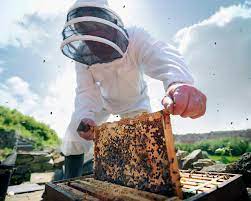
Introduction about APIARY TECHNICIAN
An Apiary Technician is a skilled professional responsible for the care and management of beehives and honeybee colonies. Their primary role is to ensure the health and productivity of the bees, as well as the quality of honey and other bee-related products. These individuals play a crucial role in the beekeeping industry, which is essential for pollination of crops and the production of honey, beeswax, and other bee-derived products.
The duties of an Apiary Technician typically include:
Hive Maintenance: They oversee the construction, maintenance, and organization of beehives, ensuring that the bees have a suitable and healthy living environment.
Bee Health: Monitoring the health and well-being of bee colonies, identifying and treating diseases, pests, and other issues that may affect the bee population.
Honey Production: Harvesting honey, beeswax, and other bee-related products, and ensuring they meet quality standards.
Pollination Services: Some Apiary Technicians offer pollination services to local farmers and orchard owners, as bees are vital for pollinating various crops.
Education: Educating others about beekeeping, bee biology, and the importance of bees in agriculture and ecosystems.
Record Keeping: Maintaining detailed records of hive activities, health assessments, and honey production for management and research purposes.
Safety: Implementing safety measures to protect themselves and others while working with bees.
Apiary Technicians need to have a deep understanding of bee behavior, biology, and ecology. They must also stay updated on the latest beekeeping techniques, research, and best practices to ensure the well-being of bee colonies. Additionally, they often work in various weather conditions and sometimes in protective clothing to minimize the risk of bee stings.
How can I apply for admission to APIARY TECHNICIAN Program
To apply for admission to an Apiary Technician program, you can follow these general steps:
Research Apiary Technician Programs: Start by researching educational institutions, such as vocational schools, community colleges, or agricultural institutions, that offer Apiary Technician programs. Look for programs that meet your needs in terms of location, duration, and curriculum.
Meet Admission Requirements: Review the admission requirements for the specific program you're interested in. Requirements may vary between institutions but typically include a high school diploma or equivalent. Some programs may have additional prerequisites or recommendations, such as a background in agriculture or biology.
Prepare Application Documents: Gather the necessary application materials, which may include:
Completed application form: Obtain and fill out the official application form for the program.
Transcripts: Submit your high school transcripts or equivalent academic records.
Letters of recommendation: Some programs may require letters of recommendation from teachers, employers, or other references.
Personal statement: Write a personal statement that explains your interest in becoming an Apiary Technician, your relevant experiences, and your career goals.
Resume: Provide a current resume highlighting any relevant work, volunteer, or educational experiences.
Pay Application Fees: Be prepared to pay the application fee required by the institution. Fee amounts can vary, so check the program's website for details.
Submit Your Application: Submit your completed application, along with all required documents and fees, by the specified deadline. You can typically apply online through the institution's website or by mailing a physical application.
Attend an Interview (if required): Some programs may request an interview as part of the admission process. Be prepared to discuss your interest in the field and your qualifications.
Await Admission Decision: After submitting your application, wait for the admission committee to review your materials. Admission decisions are typically communicated through email or postal mail.
Financial Aid and Scholarships: Investigate financial aid options and scholarships that may be available for Apiary Technician programs. Many institutions offer financial assistance to eligible students, so be sure to explore these opportunities.
Enroll and Attend Orientation: If you are accepted into the program, follow the enrollment instructions provided by the institution. Attend any orientation sessions and prepare for the start of your Apiary Technician program.
What is the eligibility for APIARY TECHNICIAN
Eligibility requirements for an Apiary Technician program may vary depending on the specific institution and program. However, I can provide you with a general idea of the typical eligibility criteria for such programs:
Educational Background:
High School Diploma or Equivalent: Most Apiary Technician programs require applicants to have a high school diploma or its equivalent, such as a GED (General Educational Development) certificate.
Age Restrictions:
There are usually no strict age restrictions for Apiary Technician programs. They are open to individuals of various age groups, including recent high school graduates and adults seeking a career change.
Prerequisites:
While not always mandatory, having a background in agriculture, biology, or a related field can be advantageous and may make you a more competitive applicant. Some programs may recommend or require certain high school courses or prior knowledge in relevant subjects.
Application Materials:
As mentioned in the previous response, you will typically need to submit various application materials, including transcripts, letters of recommendation, a personal statement, and a resume. It's essential to prepare and submit these documents as part of your application.
Interview (if required):
Some programs may request an interview as part of the admission process. The purpose of the interview is to assess your motivation, interest in the field, and potential for success in the program.
Application Fee:
Be prepared to pay the application fee as required by the institution. The fee amount can vary, so check the program's website or contact the admissions office for specific details.
Language Proficiency (if applicable):
For international students or in programs conducted in a language other than their native language, proof of language proficiency through tests like TOEFL or IELTS may be required.
How long does it takes to complete a APIARY TECHNICIAN program
The duration of an Apiary Technician program can vary depending on the institution offering the program and the specific curriculum they provide. Generally, Apiary Technician programs can last anywhere from several weeks to a couple of years, with most programs falling within the range of 6 months to 2 years. Here are some common options:
Certificate Programs: Certificate programs in Apiary Technology are typically shorter in duration, often lasting about 6 months to a year. These programs provide essential knowledge and practical skills for beekeeping and apiary management.
Diploma Programs: Diploma programs in Apiary Technology usually span 1 to 2 years. They offer a more comprehensive education in beekeeping, covering a wide range of topics from bee biology to hive management and honey production.
Associate's Degree Programs: Some institutions offer associate's degree programs in Apiary Technology or a related field. These programs usually take 2 years to complete and provide a more in-depth education, including general education coursework in addition to beekeeping-specific training.
The specific duration of a program will depend on factors like the program's curriculum, the number of credit hours required, and whether it's a full-time or part-time program. Additionally, some institutions may offer flexible scheduling options to accommodate students who are already working or have other commitments.
Before enrolling in an Apiary Technician program, it's essential to check the program's website or contact the admissions office to get detailed information about the program's duration, course offerings, and any specific requirements. The program you choose should align with your career goals and the depth of knowledge and skills you wish to acquire in the field of beekeeping and apiary management.
What are potential career opportunities after APIARY TECHNICIAN
Completing an Apiary Technician program can open up various career opportunities in the field of beekeeping and apiary management. Here are some potential career paths and opportunities for individuals with training in apiary technology:
Beekeeper: Apiary Technicians can become professional beekeepers who manage beehives and bee colonies. They are responsible for hive maintenance, bee health, honey production, and the overall well-being of the bees.
Apiary Inspector: Some Apiary Technicians may choose to work as apiary inspectors for government agricultural departments or beekeeping associations. Their role involves inspecting beehives and colonies to ensure they comply with regulations and are free from diseases and pests.
Beekeeping Educator: Apiary Technicians with a passion for teaching and education can become instructors or educators in beekeeping programs, schools, or extension services. They help others learn the art and science of beekeeping.
Pollination Services Provider: Many farmers and orchard owners rely on beekeepers and apiarists for pollination services. Apiary Technicians can offer their expertise in this area, helping with the pollination of crops and earning income in the process.
Honey and Bee Products Producer: Some graduates of Apiary Technician programs may start their own beekeeping businesses, producing honey, beeswax, royal jelly, and other bee-related products for sale in local markets or online.
Bee Health Consultant: Apiary Technicians with expertise in bee health can work as consultants, advising other beekeepers and agricultural organizations on disease management and pest control strategies.
Research and Development: Some individuals may pursue careers in research and development, working with research institutions or agricultural companies to develop new beekeeping techniques, products, or equipment.
Government or Nonprofit Work: Opportunities exist within government agencies, non-governmental organizations (NGOs), and nonprofit organizations focused on conservation and pollinator health. Apiary Technicians can contribute to bee conservation and sustainable agriculture efforts.
Honey Tasting and Quality Control: Professionals with expertise in honey quality can work as honey tasters or quality control inspectors, ensuring that honey products meet industry standards.
Beekeeping Equipment Sales: Some Apiary Technicians may enter the business of selling beekeeping equipment, tools, and supplies to fellow beekeepers.
Beekeeping Blogger or Writer: With knowledge gained through an Apiary Technician program, individuals can establish themselves as beekeeping bloggers, authors, or contributors to publications focused on beekeeping and agriculture.
Value-Added Products: Entrepreneurs may explore the creation of value-added products using bee-derived ingredients, such as beeswax candles, skincare products, and mead production.
Syllabus of APIARY TECHNICIAN
The syllabus of an Apiary Technician program can vary from one institution to another, but I can provide a general overview of the topics and subjects commonly covered in such programs. The goal of these programs is to equip students with the knowledge and practical skills needed to excel in the field of beekeeping and apiary management. Here is a typical syllabus for an Apiary Technician program:
Introduction to Beekeeping:
History of beekeeping
Importance of bees in agriculture
Bee species and biology
Beehive Management:
Types of beehives
Hive components and assembly
Hive placement and maintenance
Bee Health and Pest Management:
Common bee diseases and pests
Prevention and treatment strategies
Hive inspection and monitoring
Bee Behavior and Communication:
Understanding bee behavior
Hive communication and organization
Swarm prevention and control
Honey Production and Harvesting:
Nectar sources and honey production
Harvesting techniques and equipment
Honey extraction and processing
Beeswax and Hive Products:
Beeswax extraction and use
Other hive products (e.g., royal jelly, propolis)
Value-added products
Pollination Services:
The role of bees in pollination
Providing pollination services to farmers
Bee-friendly farming practices
Apiary Business Management:
Starting and managing a beekeeping business
Record-keeping and finances
Marketing and sales
Safety and Regulations:
Beekeeping safety practices
Regulatory requirements and permits
Environmental and ethical considerations
Beekeeping Equipment and Tools:
Introduction to beekeeping equipment
Proper use and maintenance of tools
Protective clothing and gear
Practical Training:
Hands-on experience with beehive management
Hive inspections and maintenance
Honey extraction and processing
Education and Outreach:
Teaching beekeeping skills to others
Community involvement and outreach
Raising awareness about bee conservation
Capstone Project (in some programs):
An independent project or research related to beekeeping
Presentation and report on the project
Internship opportunities after completing APIARY TECHNICIAN
After completing an Apiary Technician program, there are various internship opportunities that can provide valuable hands-on experience in the field of beekeeping and apiary management. Internships offer a chance to apply the knowledge and skills gained in the program to real-world situations, further enhancing your expertise. Here are some internship opportunities to consider:
Apiary Operations Internship:
Many commercial beekeeping operations offer internships that provide experience in managing large-scale apiaries. Interns may assist with hive inspections, honey harvesting, pest control, and other day-to-day tasks.
Bee Health and Research Internship:
Research institutions, government agencies, and universities often offer internships related to bee health and research. These opportunities involve studying bee diseases, behavior, and contributing to ongoing research projects.
Pollination Services Internship:
If you're interested in pollination services, you can seek internships with beekeepers who provide pollination services to agricultural operations. This allows you to gain experience in setting up hives on farms and orchards and monitoring pollination activities.
Beekeeping Education Internship:
Consider interning with beekeeping associations, schools, or outreach programs that focus on educating others about beekeeping. You can assist in organizing workshops, classes, and educational events.
Apiary Inspection Internship:
Some government agencies or agricultural departments offer internships as apiary inspectors. This involves assisting experienced inspectors in checking beehives for health and regulatory compliance.
Honey Production and Processing Internship:
Interning with local honey producers or honey processing facilities can provide insight into the production and processing of honey and other bee-related products.
Environmental and Conservation Internship:
If you're interested in the conservation aspect of beekeeping, consider internships with organizations focused on environmental conservation and pollinator protection. These opportunities may involve habitat restoration projects and promoting bee-friendly practices.
Entrepreneurial Internship:
Some beekeeping entrepreneurs may offer internships that provide insight into the business side of beekeeping, including business management, marketing, and sales.
When searching for internship opportunities, it's important to:
Check with local beekeeping associations and agricultural organizations, as they may have information about available internships.
Contact beekeeping businesses and apiaries in your area to inquire about internship positions.
Explore online job boards, agricultural websites, and university internship programs for relevant openings.
Network with beekeepers and professionals in the industry who can provide leads on internship opportunities.
Scholarship and grants for APIARY TECHNICIAN
Scholarships and grants are available to support individuals pursuing an education in Apiary Technology and beekeeping-related fields. These financial aid opportunities can help students cover tuition, fees, and other educational expenses. Here are some sources of scholarships and grants for Apiary Technician programs:
Beekeeping Associations and Organizations:
Many beekeeping associations and organizations, such as the American Beekeeping Federation, offer scholarships to students pursuing degrees or certifications in beekeeping or related fields. Check with your local, regional, or national beekeeping associations for available scholarships.
Agricultural and Environmental Scholarships:
Some scholarships and grants are offered by agricultural and environmental organizations that support sustainable farming and conservation efforts. These may include opportunities for students interested in beekeeping as part of larger agricultural practices.
Agricultural Colleges and Universities:
Institutions that offer Apiary Technician programs may have their own scholarship programs for students within their department of agriculture, horticulture, or environmental sciences. Be sure to inquire about scholarship opportunities at the school you plan to attend.
Government Grants and Aid:
Government agencies at the federal, state, and local levels may offer grants, financial aid, or agricultural programs that support beekeeping and pollinator conservation. Check with your local agricultural or environmental departments for potential opportunities.
Private Foundations and Trusts:
Some private foundations and trusts are dedicated to supporting agriculture, conservation, and beekeeping-related initiatives. These organizations may offer scholarships or grants to students in relevant programs.
Beekeeping Equipment and Product Companies:
Some companies involved in the beekeeping industry offer scholarships to students pursuing studies in apiary technology. These scholarships may be linked to future employment with the company.
Educational Institutions:
The institution where you are enrolled in an Apiary Technician program may have its own scholarships and financial aid opportunities. Check with the school's financial aid office or agricultural department for information.
Online Scholarship Databases:
Utilize online scholarship databases, such as Fastweb, Scholarships.com, and College Board's Scholarship Search, to search for scholarships related to agriculture, beekeeping, or apiary technology. These databases allow you to search for scholarships by keywords.
When searching for scholarships and grants, consider the following tips:
Start your search early to meet application deadlines.
Review eligibility criteria and requirements for each scholarship or grant.
Prepare a strong application, including essays, letters of recommendation, and transcripts.
Be organized and keep track of application deadlines and requirements for each opportunity.
Seek advice from the financial aid office at your educational institution for guidance on available funding sources.
Conclusion
In summary, an Apiary Technician plays a vital role in the sustainability of bee populations and the production of honey and other bee-related products. Their expertise and dedication are essential for supporting agriculture, preserving biodiversity, and meeting the growing demand for honey and other bee-derived goods.
FAQ's
What is an Apiary Technician?
An Apiary Technician is a professional responsible for the care and management of beehives and honeybee colonies. Their role involves ensuring the health and productivity of bees, as well as the production of honey and other bee-derived products.
How can I become an Apiary Technician?
To become an Apiary Technician, you typically need to complete a training program or obtain relevant education in Apiary Technology. This may involve enrolling in an Apiary Technician program at an educational institution or gaining experience through internships and hands-on training.
What are the job responsibilities of an Apiary Technician?
The job responsibilities of an Apiary Technician include hive maintenance, bee health management, honey production, pollination services, education about beekeeping, record-keeping, and ensuring the safety of beekeeping activities.
Are there specific educational requirements to become an Apiary Technician?
The educational requirements can vary, but most Apiary Technician programs require a high school diploma or equivalent. Some programs may have additional prerequisites, such as a background in agriculture or biology.
What is the duration of an Apiary Technician program?
Apiary Technician programs can range from several weeks to a couple of years. Certificate programs may last around 6 months, while diploma programs may span 1 to 2 years, depending on the institution and curriculum.
What career opportunities are available after completing an Apiary Technician program?
Graduates can pursue careers as beekeepers, apiary inspectors, educators, pollination services providers, honey producers, bee health consultants, and more. There are various opportunities in beekeeping, agriculture, research, and conservation.
Are there internship opportunities for Apiary Technician graduates?
Yes, there are internship opportunities in beekeeping operations, bee health research, pollination services, education, and more. Internships provide hands-on experience and help graduates gain practical skills in the field.
How can I find scholarships or grants to support my education in Apiary Technology?
Scholarships and grants are available through beekeeping associations, agricultural organizations, educational institutions, government agencies, private foundations, and beekeeping-related companies. You can also explore online scholarship databases for relevant opportunities.
What are the key skills and qualities required for success as an Apiary Technician?
Essential skills and qualities include a strong understanding of bee behavior and biology, attention to detail, patience, good physical stamina, problem-solving abilities, communication skills, and a passion for bees and beekeeping.
Is there a demand for Apiary Technicians in the job market?
Yes, there is a demand for Apiary Technicians, especially with the increasing awareness of the importance of pollinators and sustainable agriculture. Apiary Technicians play a vital role in supporting bee populations and the production of honey and other bee-derived products.
How Shiksha Hub helps you in
-
 Student Counsellors
 -
 Career Counseling
 -
 Research
 -
 24/7 Support
 -
 Scholarships
 -
 Community