Posted by Admin on 18-09-2023 in Shiksha hub
B.Com Actuarial Science Admission, Registration, Eligibility, Duration, Fees, Syllabus 2024
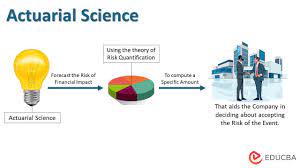
Introduction about B.COM ACTUARIAL SCIENCE:
When it comes to choosing a career path, it's essential to consider both your interests and the potential for growth in the field. B.Com Actuarial Science, a unique and promising field of study, combines mathematics, statistics, and financial theory to assess risk and uncertainty. In this article, we will explore the intricacies of B.Com Actuarial Science, from what it is to the career opportunities it offers.
What is B.Com Actuarial Science?
B.Com Actuarial Science is a specialized undergraduate program that equips students with the skills and knowledge needed to analyze and manage risk in various financial and insurance sectors. Actuaries, professionals in this field, use mathematical and statistical models to make informed decisions about financial planning and risk management.
The Importance of Actuarial Science
Actuarial science plays a pivotal role in our modern world. From insurance companies to pension funds, actuarial professionals help organizations make sound financial decisions. They are the backbone of the financial industry, ensuring that businesses can plan for the future with confidence.
The Educational Pathway
Undergraduate Studies
To embark on a career in actuarial science, students typically begin by enrolling in a B.Com Actuarial Science program. These programs provide a solid foundation in mathematics, statistics, and finance, which are the fundamental building blocks of actuarial work.
Professional Certification
While a bachelor's degree is an excellent starting point, many actuaries pursue professional certifications, such as the Associate of Society of Actuaries (ASA) or Fellow of Society of Actuaries (FSA) designation, to advance their careers and enhance their expertise.
Core Subjects in B.Com Actuarial Science
Students studying B.Com Actuarial Science delve into a variety of subjects, including calculus, probability theory, financial mathematics, and insurance principles. These courses are designed to provide a comprehensive understanding of the field.
Career Opportunities
Upon completing a B.Com Actuarial Science program, graduates have a plethora of career opportunities waiting for them. Here are a few options:
Actuary
Actuaries work closely with businesses to analyze financial risks. They are responsible for designing strategies that minimize potential financial loss. Actuaries are in high demand in insurance companies, consulting firms, and government agencies.
Risk Analyst
Risk analysts use their expertise to evaluate and mitigate financial risks for their organizations. They are crucial in helping businesses make informed decisions in uncertain economic climates.
Why Choose B.Com Actuarial Science?
One of the main reasons to choose B.Com Actuarial Science is the high demand for professionals in this field. Additionally, it offers a unique blend of mathematics, statistics, and finance, making it an intellectually stimulating career choice.
Skills Required
To succeed in actuarial science, individuals need a combination of strong analytical skills, attention to detail, and the ability to communicate complex ideas effectively. Actuaries must also stay up to date with the latest industry trends and regulations.
Challenges and Benefits
Like any profession, actuarial science comes with its set of challenges and benefits. Actuaries often face a demanding workload and rigorous exams. However, the benefits include job security, high earning potential, and the opportunity to make a significant impact on financial decision-making.
Job Market and Demand
The job market for actuarial professionals is strong. As businesses continue to recognize the value of managing risk, the demand for actuaries is on the rise. This means that B.Com Actuarial Science graduates have excellent prospects for employment.
Salary Expectations
Actuaries are well-compensated for their expertise. Entry-level positions can have competitive salaries, and as actuaries gain experience and certifications, their earning potential grows significantly.
Notable Universities Offering B.Com Actuarial Science Programs
If you're considering pursuing a degree in B.Com Actuarial Science, you'll find numerous universities offering excellent programs. Some renowned institutions include Harvard University, Columbia University, and the University of California, Berkeley.
Student Testimonials
Here are a few testimonials from students who have pursued B.Com Actuarial Science:
Sarah, a recent graduate, says, "The B.Com Actuarial Science program challenged me in the best way possible. It's a dynamic field with endless opportunities."
John, a current student, adds, "I've always been fascinated by mathematics, and B.Com Actuarial Science allows me to apply it to real-world situations."
Is B.Com Actuarial Science Right for You?
Whether B.Com Actuarial Science is the right choice for you depends on your interests and career goals. If you enjoy mathematics, problem-solving, and are interested in finance, this field may be an excellent fit.
Future Trends in Actuarial Science
The future of actuarial science is bright. With the increasing complexity of financial markets and the need for risk assessment in various industries, actuarial professionals will continue to be in high demand.
How can I apply for admission to B.COM ACTUARIAL SCIENCE Program:
To apply for admission to a B.Com Actuarial Science program, you will need to follow a series of steps. Here's a general guide on how to do it:
Research Universities and Programs: Start by researching universities that offer B.Com Actuarial Science programs. Look for institutions that match your preferences in terms of location, reputation, and program specifics.
Check Admission Requirements: Once you've identified the universities you're interested in, visit their official websites to review the specific admission requirements for the B.Com Actuarial Science program. These requirements may include academic prerequisites, standardized test scores, and language proficiency (if you're an international student).
Gather Required Documents: Prepare all the necessary documents, which typically include:
High school transcripts
Standardized test scores (e.g., SAT or ACT)
Letters of recommendation
A personal statement or essay
Resume (if required)
Proof of language proficiency (e.g., TOEFL or IELTS for non-native English speakers)
Application fee
Complete the Application Form: Fill out the online application form provided by the university. Ensure that you provide accurate information and follow the instructions carefully.
Write a Personal Statement: Craft a compelling personal statement or essay that highlights your passion for Actuarial Science, your academic and extracurricular achievements, and your career goals. This is your chance to stand out and show the admissions committee why you're a great fit for the program.
Submit Transcripts and Test Scores: Send your high school transcripts and standardized test scores to the university as per their instructions. Some universities may have specific portals or agencies for these submissions.
Letters of Recommendation: Request letters of recommendation from teachers, mentors, or employers who can speak to your abilities and character. Make sure they are submitted before the application deadline.
Pay the Application Fee: Pay the application fee as required by the university. Some institutions may offer fee waivers based on financial need, so check if you qualify.
Check Application Deadlines: Be aware of the application deadlines for each university. Ensure that all your application materials are submitted well before the deadline to avoid any issues.
Interview (if required): Some universities may require an admissions interview as part of the application process. Prepare for this interview by researching common interview questions and practicing your responses.
Track Your Application: Use the university's application tracking system to monitor the status of your application. This will help you stay informed about any additional documents required or the admission decision.
Acceptance and Enrollment: Once you receive an acceptance letter, follow the instructions provided for enrolling in the B.Com Actuarial Science program. This may involve paying an enrollment deposit, selecting courses, and arranging for housing (if applicable).
Remember that specific application procedures can vary from one university to another. It's crucial to carefully read and follow the guidelines provided by each institution to increase your chances of admission to a B.Com Actuarial Science program. Good luck with your application!
How long does it takes to complete a B.COM ACTUARIAL SCIENCE program:
The duration to complete a B.Com Actuarial Science program typically ranges from three to four years, depending on several factors. Here's a breakdown:
Full-Time vs. Part-Time: If you are enrolled as a full-time student, which is the standard for most undergraduate programs, you can generally complete the B.Com Actuarial Science program in three to four years. This assumes that you are taking a regular course load each semester or term.
Credit Requirements: The specific credit requirements for a B.Com Actuarial Science program can vary between universities. Some programs require around 120 to 130 credits to graduate. You'll need to check with the university you're interested in to determine the exact credit requirements.
Prerequisites and Course Sequencing: Some courses in the Actuarial Science program may have prerequisites or a specific sequence that must be followed. This can impact the duration of your studies. Ensure that you plan your course schedule accordingly.
Co-op or Internship Opportunities: Many B.Com Actuarial Science programs offer co-op or internship opportunities, which can extend the duration of your program. These experiences provide valuable real-world exposure but may add an extra semester or two to your studies.
Dual Majors or Minors: If you're pursuing a dual major or a minor alongside your B.Com Actuarial Science degree, it might take longer to complete your studies. This is because you'll need to fulfill additional credit requirements.
Academic Progress: Your ability to complete the program within the typical timeframe also depends on your academic progress. Meeting prerequisites and performing well in your courses can help ensure you stay on track.
It's essential to consult the specific university's curriculum and academic advisor to get a clear understanding of the duration required for their B.Com Actuarial Science program. Additionally, some universities may offer accelerated programs or allow students to take summer courses to expedite their graduation.
In summary, a B.Com Actuarial Science program usually takes three to four years for full-time students, but individual circumstances and university-specific requirements can affect the actual duration of your studies.
What are potential career opportunities after B.COM ACTUARIAL SCIENCE:
A B.Com Actuarial Science degree opens up a wide range of potential career opportunities in the field of actuarial science and related areas. Here are some of the most common career paths that graduates can pursue:
Actuary: Actuaries are professionals who use mathematical and statistical models to assess and manage financial risk. They work in various industries, including insurance, pension funds, and finance. Actuaries are responsible for pricing insurance policies, determining investment strategies, and helping organizations make informed financial decisions.
Risk Analyst: Risk analysts assess and manage financial risk within organizations. They analyze data to identify potential risks and develop strategies to mitigate them. These professionals work in various sectors, including banking, finance, and investment.
Data Analyst: With strong quantitative and analytical skills, B.Com Actuarial Science graduates can work as data analysts. They collect and analyze data to provide insights for decision-making in a wide range of industries, such as healthcare, marketing, and finance.
Underwriter: Underwriters evaluate insurance applications to determine the risk associated with insuring individuals or businesses. They use actuarial principles to set premium rates and terms for policies.
Investment Analyst: Investment analysts research and analyze financial markets and investment opportunities. They help organizations make informed decisions about their investment portfolios and strategies.
Financial Planner: B.Com Actuarial Science graduates with a strong understanding of finance can become financial planners. They assist individuals and families in managing their finances, creating budgets, and planning for retirement and other financial goals.
Consultant: Actuarial consultants provide advisory services to businesses and organizations. They use their expertise to address specific financial challenges, develop strategies, and optimize financial operations.
Pension Fund Administrator: Many pension funds hire professionals with actuarial backgrounds to manage and administer pension plans. They ensure that pension funds are adequately funded and can meet their obligations to retirees.
Insurance Broker: Insurance brokers help individuals and businesses choose insurance policies that best suit their needs. They provide advice on policy options and negotiate with insurance providers on behalf of their clients.
Teaching and Research: Some B.Com Actuarial Science graduates pursue careers in academia or research, becoming professors, lecturers, or researchers in the field of actuarial science or related areas.
Government Positions: Government agencies, such as the Bureau of Labor Statistics, may hire actuaries and analysts to provide expertise on various policy and economic matters.
Healthcare Actuary: Actuaries specializing in healthcare work with insurance companies, healthcare providers, and government agencies to analyze healthcare costs, pricing, and risk management.
Climate Risk Analyst: With the increasing focus on climate change, there is a growing demand for experts who can assess climate-related risks in various industries, including insurance and finance.
Cybersecurity Analyst: Actuarial skills can be applied to assess and manage risks related to cybersecurity. Cybersecurity analysts work to protect organizations from data breaches and cyber threats.
B.Com Actuarial Science graduates have a versatile skill set that is highly sought after in today's data-driven and risk-focused business environment. The career opportunities are diverse, and individuals can choose a path that aligns with their interests and strengths within the world of finance, insurance, risk management, and data analysis.
Syllabus of B.COM ACTUARIAL SCIENCE:
The syllabus for a B.Com Actuarial Science program can vary between universities, and specific courses may be offered in different semesters. However, here's a general overview of the topics and courses you might encounter in a typical B.Com Actuarial Science program, organized by semester:
First Semester:
Mathematics-I: This course covers topics such as calculus, differential equations, and mathematical modeling.
Statistics-I: Introduction to probability theory, statistical distributions, and data analysis.
Financial Accounting: Fundamentals of accounting, financial statements, and accounting principles.
Microeconomics: Basic principles of microeconomics, including supply and demand, market structures, and consumer behavior.
Second Semester:
Mathematics-II: Advanced calculus, linear algebra, and differential equations.
Statistics-II: Further exploration of statistical methods, including hypothesis testing and regression analysis.
Financial Management: Introduction to financial markets, risk management, and corporate finance.
Macro Economics: Understanding macroeconomic concepts such as GDP, inflation, and monetary policy.
Third Semester:
Actuarial Mathematics-I: Introduction to actuarial concepts, including interest theory, life contingencies, and annuities.
Statistics-III: Multivariate statistics and time series analysis.
Risk Management: Principles of risk management and insurance.
Business Communication: Developing effective communication skills for the business world.
Fourth Semester:
Actuarial Mathematics-II: Advanced actuarial mathematics, including survival models and multiple state models.
Statistics-IV: Advanced statistical techniques, including Bayesian analysis.
Insurance and Risk Management: In-depth exploration of insurance principles, regulations, and market dynamics.
Business Law: Introduction to business law and contracts.
Fifth Semester:
Actuarial Statistics: Actuarial applications of statistics, including credibility theory.
Life Insurance and Pensions: Focus on life insurance products, pension funds, and retirement planning.
Health and Social Insurance: Analysis of health insurance and social security systems.
Econometrics: Introduction to econometric methods for financial and actuarial modeling.
Sixth Semester:
Actuarial Risk Models: Modeling financial and actuarial risk, including stochastic modeling.
Property and Casualty Insurance: Study of property and casualty insurance, including auto and home insurance.
Financial Markets and Investment Analysis: Understanding financial markets, investment strategies, and portfolio management.
Corporate Finance: Principles of corporate finance, capital structure, and risk management.
Seventh Semester:
Actuarial Enterprise and Modeling: Application of actuarial principles to enterprise risk management.
Applied Regression Analysis: Advanced statistical analysis techniques.
Professional Communication: Developing professional communication and presentation skills.
Elective Course: Depending on the university, you may choose from various electives related to actuarial science or finance.
Eighth Semester:
Internship/Project: Many programs include a practical internship or a research project in the final semester.
Professional Ethics: Exploring ethical considerations in finance and actuarial science.
Elective Course: Another opportunity to choose an elective that aligns with your interests.
Please note that this is a general outline, and the specific courses and order can vary by university. Additionally, the Actuarial Science program may require students to complete actuarial exams and gain experience to achieve professional certifications. It's advisable to check with your university for the most accurate and up-to-date information regarding the syllabus and course offerings.
Internship opportunities after completing B.COM ACTUARIAL SCIENCE:
Completing a B.Com Actuarial Science program provides you with valuable skills and knowledge that are highly sought after by many organizations. Securing an internship is an excellent way to gain practical experience and increase your chances of a successful career in the field. Here are some of the internship opportunities you can explore after completing your B.Com Actuarial Science degree:
Actuarial Internship: Actuarial internships are one of the most common opportunities for B.Com Actuarial Science graduates. These internships are typically offered by insurance companies, consulting firms, and financial institutions. As an actuarial intern, you'll work alongside experienced professionals, gaining hands-on experience in tasks like data analysis, risk assessment, and financial modeling.
Risk Management Internship: Many organizations, including banks, corporations, and government agencies, offer risk management internships. In these roles, you'll assist in identifying, assessing, and managing various types of risk, such as credit risk, market risk, and operational risk. This experience can be particularly valuable if you're interested in broader risk management roles.
Data Analysis Internship: With the growing importance of data in decision-making, data analysis internships are in demand. You can work for companies in various industries, assisting in data collection, analysis, and reporting. This experience will enhance your quantitative and statistical skills.
Insurance Internship: If you're interested in the insurance sector, consider insurance internships. You might work with underwriters, claims adjusters, or insurance brokers, learning about the inner workings of the insurance industry.
Pension Fund Internship: Pension funds often offer internships for individuals interested in retirement planning and pension fund management. These roles involve tasks related to fund administration, investment management, and compliance.
Consulting Internship: Actuarial and financial consulting firms frequently hire interns. In these positions, you'll work on a variety of projects, providing consulting services to clients. This experience can expose you to diverse industries and challenges.
Government Internship: Government agencies and regulatory bodies may offer internships related to financial regulation, economic analysis, or risk assessment. These internships can provide insights into the public sector's role in financial decision-making.
Healthcare Actuary Internship: If you have an interest in healthcare, consider interning with healthcare organizations. These internships focus on actuarial work related to health insurance, medical costs, and risk management within the healthcare sector.
Investment Internship: Investment firms and asset management companies offer internships in areas like portfolio management, asset analysis, and investment research. These positions can help you gain insights into the world of finance and investment.
Cybersecurity Risk Internship: With the increasing importance of cybersecurity, some organizations offer internships related to assessing and managing cyber risks. This is a specialized but growing field where actuarial skills can be applied.
When searching for internship opportunities, reach out to your university's career services department, attend career fairs, and explore job search websites and professional networking platforms. Keep in mind that internships can vary in terms of duration, paid or unpaid status, and specific responsibilities. Choose an internship that aligns with your career goals and interests within the broad field of actuarial science and risk management.
Scholorship and grants for B.COM ACTUARIAL SCIENCE:
Pursuing a B.Com Actuarial Science degree can be financially rewarding in the long run, but it's essential to manage the costs associated with your education. Scholarships and grants are valuable sources of financial aid that can help reduce the financial burden of your studies. Here are some avenues to explore for scholarships and grants for B.Com Actuarial Science programs:
University Scholarships: Most universities offer scholarships based on academic merit, leadership, or other achievements. Check with the financial aid office or the university's website for scholarship opportunities specific to your program.
Departmental Scholarships: Some universities have scholarships specifically for students in the Actuarial Science department. These awards may be based on academic performance or other department-specific criteria.
Professional Actuarial Organizations: Actuarial organizations like the Society of Actuaries (SOA) and the Casualty Actuarial Society (CAS) often provide scholarships for students pursuing actuarial science degrees. These scholarships may require you to pass actuarial exams or meet certain criteria.
Minority Scholarships: If you belong to an underrepresented group, there are scholarships designed to promote diversity in actuarial science and related fields. Check with organizations and associations that support minority students in the STEM disciplines.
Corporate Scholarships: Some companies in the insurance, finance, and actuarial sectors offer scholarships to students pursuing degrees related to their industry. These scholarships may come with opportunities for internships or employment.
Government Grants: Depending on your country, government grants or financial aid programs may be available for students pursuing higher education. These can include need-based grants and loans.
Fellowship Programs: Look into fellowship programs that offer financial support to students in quantitative fields. These programs may be sponsored by universities, foundations, or government agencies.
Community and Nonprofit Organizations: Various community and nonprofit organizations provide scholarships to students pursuing degrees in specific fields, including actuarial science.
Online Scholarship Databases: Explore online scholarship databases and search engines like Fastweb, Scholarships.com, and Peterson's. These platforms can help you find scholarships that match your profile and interests.
Employer Sponsorship: If you're already working in a relevant field, inquire with your employer about any tuition reimbursement or sponsorship programs they may offer for further education.
When applying for scholarships and grants, pay attention to application deadlines, eligibility criteria, and required documentation. Most scholarships and grants have specific requirements that you must meet, such as maintaining a certain GPA, demonstrating financial need, or writing essays.
To improve your chances of securing financial aid, consider applying to multiple scholarships and grants. Be thorough in your applications, highlighting your academic achievements, involvement in extracurricular activities, and your passion for actuarial science. Additionally, explore local opportunities, as some scholarships may be offered by community organizations or foundations in your area.
FAQs:
Is B.Com Actuarial Science a challenging program?
Yes, it can be challenging due to the complex mathematical and statistical concepts, but it's also intellectually rewarding.
What kind of jobs can I get with a B.Com Actuarial Science degree?
You can become an actuary, risk analyst, or work in various financial and insurance roles.
Do I need professional certifications in actuarial science to succeed in this field?
While not mandatory, certifications like ASA or FSA can enhance your career prospects.
Which universities are known for their B.Com Actuarial Science programs?
Harvard University, Columbia University, and the University of California, Berkeley, are notable institutions.
What is the earning potential in actuarial science?
Actuaries can earn competitive salaries, especially as they gain experience and certifications.
Conclusion:
In conclusion, B.Com Actuarial Science is a field that offers a unique blend of mathematics, statistics, and finance. Graduates in this field have a plethora of career opportunities, including becoming actuaries and risk analysts. With a strong job market and competitive salaries, it's a promising career path for those with a passion for math and finance.
How Shiksha Hub helps you in
-
 Student Counsellors
 -
 Career Counseling
 -
 Research
 -
 24/7 Support
 -
 Scholarships
 -
 Community