Posted by Admin on 27-09-2023 in Shiksha hub
B.DES Animation & Multimedia Introduction, Admission, Registration, Eligibility, Duration, Fees, Syllabus 2024
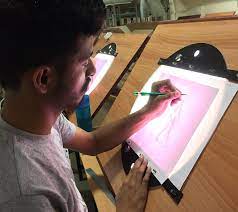
Introduction about B.Des Animation & Multimedia:
Animation and multimedia are two captivating fields that have transformed the way we perceive and interact with visual content. In this digital age, where everything from advertisements to entertainment relies heavily on visually appealing graphics and animations, the role of professionals in the B.Des (Bachelor of Design) Animation & Multimedia field has become more crucial than ever. This article delves into the fascinating world of B.Des Animation & Multimedia, exploring what it entails, its importance, career opportunities, and much more.
What is B.Des?
The acronym B.Des stands for Bachelor of Design, a professional undergraduate program that equips students with the knowledge and skills required to excel in the field of design. B.Des programs are offered in various specializations, including fashion design, graphic design, industrial design, and, of course, animation and multimedia.
The Importance of Animation & Multimedia
Animation and multimedia are indispensable in today's world. They bring life to websites, apps, movies, video games, and even marketing campaigns. Engaging visuals and interactive media have the power to grab the audience's attention and convey complex messages more effectively. They play a crucial role in enhancing user experiences and making content more appealing.
Career Opportunities in Animation & Multimedia
Pursuing a B.Des in Animation & Multimedia opens the door to a plethora of career opportunities. Graduates can work as animators, multimedia artists, graphic designers, and even in fields like advertising and marketing. The demand for these professionals is steadily increasing in industries ranging from entertainment to education.
Top Colleges for B.Des Animation & Multimedia
Several renowned institutions worldwide offer B.Des programs in Animation & Multimedia. Some of the top colleges include Savannah College of Art and Design, California Institute of the Arts, and National Institute of Design in India.
Curriculum of B.Des Animation & Multimedia
The curriculum of B.Des Animation & Multimedia programs typically covers a wide range of subjects, including 2D and 3D animation, visual storytelling, digital media, and more. Students also receive hands-on training in industry-standard software and tools.
Skills Required for Success in this Field
To succeed in Animation & Multimedia, one must possess a creative mindset, attention to detail, and the ability to work well in a team. Technical skills in software like Adobe Creative Suite, Blender, and Autodesk Maya are also essential.
Industry Trends in Animation & Multimedia
The animation and multimedia industry is constantly evolving. Staying updated with the latest trends, such as virtual reality and augmented reality, is vital for professionals in this field.
Animation vs. Multimedia: Key Differences
While animation focuses on bringing still images to life through movement, multimedia encompasses a broader spectrum of content, including text, audio, video, and interactive elements. Understanding these differences is crucial for aspiring designers.
The Creative Process in Animation & Multimedia
The creative process in Animation & Multimedia involves brainstorming ideas, storyboarding, creating visual assets, and animating them. It's a collaborative effort that demands innovation and ingenuity.
Tools and Software Used in the Field
Professionals in Animation & Multimedia rely on a variety of tools and software, such as Adobe After Effects, Photoshop, Illustrator, and 3D modeling software. These tools are essential for creating stunning visuals and animations.
Career Prospects and Job Roles
Graduates of B.Des Animation & Multimedia programs can explore diverse job roles, including character animator, storyboard artist, game designer, and visual effects artist. The flexibility in career options is one of the field's strengths.
The Impact of B.Des Animation & Multimedia
The impact of B.Des Animation & Multimedia can be seen everywhere - from the blockbuster movies we watch to the interactive apps we use daily. These professionals contribute significantly to shaping our visual experiences.
Tips for Aspiring Animators & Multimedia Professionals
Aspiring animators and multimedia professionals should constantly practice and refine their skills, keep abreast of industry trends, and build a strong portfolio to stand out in a competitive job market.
How can I apply for admission to B.DES ANIMATION & MULTIMEDIA:
Applying for admission to a B.Des in Animation & Multimedia program typically involves several steps. Here's a general outline of the process:
Research and Choose the Right Program: Start by researching various colleges or universities that offer B.Des Animation & Multimedia programs. Look for programs that align with your career goals and interests. Pay attention to factors like the curriculum, faculty, infrastructure, and industry connections.
Meet Eligibility Requirements: Check the specific eligibility criteria for the program you're interested in. Typically, you'll need to have completed your high school education with relevant subjects. Requirements may vary from one institution to another, so make sure you meet them.
Prepare Necessary Documents: Most colleges will require you to submit certain documents as part of your application. Common documents include your high school transcripts, mark sheets, identity proof, passport-sized photographs, and a copy of your resume.
Entrance Exams (if required): Some institutions may require you to take an entrance exam or a design aptitude test. Make sure to prepare for these exams and meet the deadlines for registration.
Create a Portfolio: A strong portfolio showcasing your creative work is often a critical part of the application. Your portfolio may include sketches, digital artwork, animations, and other relevant projects. Ensure that your portfolio reflects your skills and passion for animation and multimedia.
Write a Statement of Purpose (SOP): Some colleges may require you to write an SOP explaining why you want to pursue a B.Des in Animation & Multimedia. Highlight your motivations, goals, and how the program aligns with your aspirations.
Fill Out Application Forms: Complete the application forms provided by the colleges or universities you're applying to. Pay close attention to deadlines and submission instructions.
Application Fee: Be prepared to pay the application fee, which is usually required to process your application. Ensure you make the payment within the specified timeframe.
Letters of Recommendation: Some institutions may ask for letters of recommendation from teachers, mentors, or professionals who can vouch for your creative abilities and work ethic.
Submit Your Application: Carefully review your application materials, including documents, portfolio, and SOP. Once everything is in order, submit your application to the chosen colleges or universities.
Prepare for Interviews (if required): Some institutions may conduct interviews as part of the admission process. Be ready to discuss your passion for animation and multimedia and how you can contribute to the program.
Check Admission Results: After the application deadline, keep an eye on the admission results. Most colleges will notify you via email or their official website.
Acceptance and Enrollment: If you're accepted, follow the instructions for enrollment. This may involve paying an admission fee and providing additional documents.
Financial Aid and Scholarships: Explore financial aid and scholarship opportunities if you require financial assistance. Many institutions offer scholarships based on academic performance or portfolio quality.
What is the eligibility for B.DES ANIMATION & MULTIMEDIA:
The eligibility criteria for a B.Des (Bachelor of Design) in Animation & Multimedia program can vary from one institution to another, but here are the typical eligibility requirements:
Educational Qualifications:
Candidates should have completed their 10+2 (or equivalent) from a recognized board.
Most programs require that you have a background in arts, design, or a related field, but this can vary. Some programs may admit students from diverse backgrounds.
Minimum Marks:
A minimum percentage in your 10+2 examinations is usually required. The specific percentage can vary, but it's often around 50% to 60%. Some institutions may have a higher or lower requirement.
Entrance Exam:
Many colleges and universities conduct entrance exams for their B.Des programs. You may need to appear for these exams, which typically assess your creative and design skills.
The specific entrance exam can vary by institution. Some popular design entrance exams in India, for example, include NID (National Institute of Design), NIFT (National Institute of Fashion Technology), and CEED (Common Entrance Examination for Design).
Portfolio:
Often, candidates are required to submit a portfolio of their creative work, including sketches, illustrations, digital art, and design projects. The quality and diversity of your portfolio are essential for admission.
Age Limit:
Some institutions may have age restrictions, and you must meet their criteria to be eligible for admission. The age limit can vary but is often around 20 to 25 years.
English Language Proficiency:
For programs in English-speaking countries, non-native English speakers may need to demonstrate proficiency in the English language through standardized tests like IELTS or TOEFL.
How long does it takes to complete a B.DES ANIMATION & MULTIMEDIA:
The duration to complete a B.Des (Bachelor of Design) in Animation & Multimedia program typically spans four years. This four-year program is the standard duration for most B.Des programs, but it can vary depending on the institution and the specific curriculum they offer.
In some cases, there might be variations in the duration, such as:
Three-Year Programs: Some institutions may offer accelerated B.Des programs in Animation & Multimedia that can be completed in three years. These programs might have a more intensive curriculum to cover the essential topics within a shorter timeframe.
Integrated Programs: Integrated B.Des programs combine both the undergraduate (B.Des) and postgraduate (M.Des) courses into a single program. These programs are typically five years in duration.
Part-Time or Online Programs: Part-time or online B.Des programs can have flexible timelines, and the duration may vary based on the student's pace and course structure.
What are the potential career opportunities after B.DES ANIMATION & MULTIMEDIA:
B.Des (Bachelor of Design) in Animation & Multimedia opens up a wide range of exciting career opportunities in the fields of design, animation, and multimedia. Here are some potential career paths you can pursue after completing this degree:
Animator: Animators create visual effects, motion graphics, and character animations for various media, including movies, video games, advertising, and websites.
Multimedia Artist: Multimedia artists work on a variety of projects that involve integrating multiple forms of media, such as graphics, audio, video, and interactive elements.
Graphic Designer: Graphic designers create visual content for print and digital media, including logos, brochures, websites, and social media.
Game Designer: Game designers design the gameplay, levels, and overall user experience of video games. This can involve storytelling, character design, and interactive elements.
Visual Effects Artist: Visual effects artists work in the film and television industry to create realistic or fantastical visual effects, such as explosions, creatures, and other special effects.
Web Designer: Web designers specialize in creating visually appealing and user-friendly websites. They work on layout, graphics, and interactive elements.
UI/UX Designer: User interface (UI) and user experience (UX) designers focus on creating intuitive and aesthetically pleasing interfaces for websites, apps, and software.
Storyboard Artist: Storyboard artists visualize scenes and sequences by creating drawings or digital illustrations. They are often employed in film, animation, and advertising.
3D Modeler: 3D modelers create three-dimensional models of characters, objects, and environments for use in animation, video games, and architectural visualization.
Motion Graphics Designer: Motion graphics designers create animated visual elements used in videos, films, presentations, and advertisements.
Interactive Media Developer: Interactive media developers create multimedia applications, interactive installations, and educational software.
Art Director: Art directors oversee the visual style and quality of design projects, ensuring they align with the client's or company's objectives.
Advertising Designer: Advertising designers create visual materials for marketing and advertising campaigns, including posters, billboards, and digital ads.
Visual Content Creator: Visual content creators produce graphics, videos, and animations for social media, content marketing, and online branding.
Creative Director: Creative directors provide leadership and artistic direction for design teams, ensuring creative concepts align with a brand's vision.
Freelance Designer: Many B.Des graduates work as freelancers, taking on various design and animation projects on a project-by-project basis.
Educator/Instructor: With experience, you can become an educator in design and animation institutions, passing on your knowledge to the next generation of designers and animators.
Art Entrepreneur: Some graduates choose to start their own design studios or businesses, offering design and animation services to clients.
Syllabus of B.DES ANIMATION & MULTIMEDIA :
The syllabus for a B.Des (Bachelor of Design) in Animation & Multimedia program can vary from one institution to another. However, here's a general overview of the syllabus, semester-wise, for a typical four-year program:
|
Semester 1 |
Semester 2 |
Semester 3 |
Semester 4 |
|
Design Fundamentals |
Digital Imaging |
3D Animation Basics |
3D Modeling and Animation |
|
Drawing and Sketching |
2D Animation Techniques |
Multimedia Production |
Motion Graphics |
|
Visual Communication |
Color Theory |
Audio and Video Editing |
Character Design |
|
History of Art and Design |
Typography |
Interactive Design |
Digital Marketing |
|
Introduction to Animation |
Design Process |
Design and Society |
Design for Web and Mobile |
|
Introduction to Multimedia |
Storyboarding and Concept Art |
Design Thinking |
User Interface (UI) Design |
|
Computer Applications in Design |
English Communication Skills |
Introduction to Game Design |
Industry Internship (Optional) |
|
Semester 5 |
Semester 6 |
Semester 7 |
Semester 8 |
|
Advanced Animation Techniques |
Advanced Multimedia Production |
Design Research and Development |
Design Exhibition and Presentation |
|
Visual Effects (VFX) |
Advanced Motion Graphics |
Advanced 3D Animation |
Design Thesis |
|
3D Character Animation |
Game Art and Design |
Advanced Visual Effects |
Internship (Compulsory) |
|
Game Development |
Design Project Management |
Advanced Game Design |
Industry Projects |
|
Augmented and Virtual Reality |
Professional Practice and Ethics |
Design Entrepreneurship |
|
Internship opportunities after completing B.DES ANIMATION & MULTIMEDIA:
Completing a B.Des (Bachelor of Design) in Animation & Multimedia opens up a plethora of internship opportunities in various industries. Internships are a valuable way to gain hands-on experience, build your portfolio, and establish professional connections. Here are some internship opportunities you can explore after graduating with a B.Des in Animation & Multimedia:
Animation Studios: Intern at animation studios that specialize in 2D and 3D animation. You can work on projects ranging from animated films to television shows.
Visual Effects (VFX) Companies: Intern with VFX companies, where you can work on creating stunning visual effects for movies, TV shows, and commercials.
Game Development Studios: Explore internships with game development companies. You can work on game design, character development, and level creation.
Advertising Agencies: Intern in advertising agencies to gain experience in creating multimedia content for advertising campaigns. This includes designing graphics, animations, and interactive content for marketing.
Web and Mobile App Development Firms: Many web and app development companies offer internships for UI/UX designers and multimedia creators. You can work on website and app design projects.
Film Production Companies: Intern on film sets to learn about the integration of animation and multimedia into live-action projects. This could include working on post-production effects or title sequences.
E-learning Companies: Join e-learning platforms and educational technology companies to create educational animations and multimedia content for online courses.
Augmented and Virtual Reality Startups: Explore internships in AR and VR startups, which are at the cutting edge of immersive multimedia experiences.
Graphic Design and Branding Agencies: Intern with agencies that specialize in graphic design and branding. You can work on creating logos, marketing collateral, and brand identity materials.
Museums and Exhibitions: Some cultural institutions offer internships to assist in creating multimedia exhibits and installations.
Freelance Opportunities: Consider freelance internships or project-based work where you collaborate with clients on multimedia projects.
Research Organizations: If you're interested in the research aspect of design and multimedia, you can intern with research organizations or universities conducting studies related to design and technology.
Social Media and Content Marketing Agencies: Work with agencies specializing in social media and content marketing, creating multimedia content for various platforms.
Content Production Companies: Intern with companies that create multimedia content for online streaming platforms, including animations, web series, and more.
User Experience (UX) Research and Design Teams: Explore UX internships to understand how user-centered design principles apply to web and app interfaces.
Scholarship and grants for B.DES ANIMATION & MULTIMEDIA:
Scholarships and grants can be an excellent way to offset the costs of pursuing a B.Des (Bachelor of Design) in Animation & Multimedia. Here are some potential sources of financial aid for students interested in this field:
Institutional Scholarships: Many colleges and universities offering B.Des programs provide scholarships based on academic merit, creative talent, or financial need. It's advisable to check the institution's website or contact their financial aid office to explore available opportunities.
Government Scholarships: In some countries, the government offers scholarships and grants for students pursuing higher education, including degrees in design and animation. These can be need-based or merit-based.
Private Scholarships: Numerous private organizations and foundations offer scholarships for students in the creative arts, including animation and multimedia. Examples include the Adobe Creativity Scholarships and the Walt Disney Imaginations Design Competition.
Industry-Specific Scholarships: Some professional organizations related to animation and multimedia, such as the Animation Guild, offer scholarships to aspiring animators and designers.
Ethnic or Minority Scholarships: Various scholarships are specifically designed to support students from underrepresented groups in design and animation.
Merit-Based Scholarships: Scholarships for academic excellence and artistic talent are often available to students pursuing a B.Des in Animation & Multimedia.
Financial Aid: Depending on your financial circumstances, you may be eligible for grants and financial aid from your chosen institution. Filling out the Free Application for Federal Student Aid (FAFSA) is a common requirement to access federal financial aid in the United States.
Creative Competitions: Participating in creative competitions and winning awards can lead to scholarships. Some competitions may offer scholarship funds to the winners, helping to fund your education.
Internship Programs: Some animation and multimedia companies offer scholarships or tuition assistance in exchange for internship commitments. These programs often require students to work with the company for a set period after graduation.
Crowdfunding and Crowdsourcing: Some students turn to crowdfunding platforms like Kickstarter or GoFundMe to seek financial support for their education. This approach can be successful, especially if you have a compelling story or project to share.
Employer Tuition Assistance: If you are already working in a related field, your employer might offer tuition assistance or reimbursement for continuing education. Check with your HR department for details.
State and Regional Scholarships: Depending on your location, there may be state or regional scholarship opportunities for higher education.
It's essential to start your scholarship search early and carefully read the eligibility requirements and application deadlines for each scholarship or grant. Keep in mind that competition for scholarships can be fierce, so it's important to prepare a strong application, which may include academic records, a portfolio of your work, letters of recommendation, and essays explaining your career goals. Additionally, explore various funding options to find the best financial aid opportunities for your B.Des in Animation & Multimedia program.
FAQs:
What is the scope of B.Des Animation & Multimedia?
B.Des Animation & Multimedia offers a vast scope with career opportunities in animation studios, advertising agencies, film production, game development, and more.
What software do animators use in their work?
Animators often use software like Adobe After Effects, Autodesk Maya, and Blender for creating animations.
Is a B.Des Animation & Multimedia degree globally recognized?
Yes, B.Des Animation & Multimedia degrees from reputable institutions are recognized globally and can lead to international job opportunities.
How do I build a strong portfolio as an aspiring animator?
Building a strong portfolio involves creating a diverse range of projects, including animations, illustrations, and multimedia projects, to showcase your skills.
What are the emerging trends in Animation & Multimedia?
Emerging trends in this field include virtual reality, augmented reality, and interactive multimedia experiences. Staying updated with these trends is crucial for professionals.
Conclusion:
In conclusion, a B.Des in Animation & Multimedia is a gateway to a world of creativity and innovation. The skills and knowledge gained in this field open doors to exciting career prospects. As the digital world continues to evolve, the role of animation and multimedia professionals will only become more vital.
How Shiksha Hub helps you in
-
 Student Counsellors
 -
 Career Counseling
 -
 Research
 -
 24/7 Support
 -
 Scholarships
 -
 Community