Posted by Admin on 27-09-2023 in Shiksha hub
B.DES. Environmental Design Introduction, Admission, Registration, Eligibility, Duration, Fees, Syllabus 2024
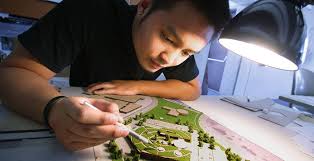
B.DES. Environmental Design: Creating a Greener Tomorrow:
In today's world, environmental consciousness has become an integral part of our lives. We are constantly looking for ways to make our planet more sustainable and eco-friendly. The field of Environmental Design, often referred to as B.Des. Environmental Design, is at the forefront of this movement. In this article, we will explore the intriguing world of B.Des. Environmental Design, its significance, career prospects, educational journey, and much more.
What is B.Des. Environmental Design?
B.Des. Environmental Design, or Bachelor of Design in Environmental Design, is a multidisciplinary program that focuses on creating spaces and structures that are not only aesthetically pleasing but also environmentally responsible. It involves the study of architecture, landscape design, and sustainable practices, combining them to create designs that minimize the negative impact on the environment.
Career Opportunities in Environmental Design
The demand for environmental designers is on the rise, as both individuals and organizations seek to adopt sustainable practices. Graduates in B.Des. Environmental Design can find exciting career opportunities in areas such as urban planning, architecture, interior design, and landscape architecture. They play a crucial role in shaping our cities and homes to be more eco-friendly.
Key Skills for Environmental Designers
To excel in this field, environmental designers must possess a diverse skill set. These skills include a deep understanding of sustainability, creativity in design, proficiency in using design software, and effective communication. Environmental designers need to be visionaries who can transform a dull space into an environmentally conscious work of art.
Importance of Sustainability in Environmental Design
Sustainability is at the core of environmental design. Environmental designers are tasked with creating spaces that reduce energy consumption, minimize waste, and harmonize with nature. By promoting sustainability, they contribute to a greener, healthier planet.
Educational Path to Becoming an Environmental Designer
To embark on a career in B.Des. Environmental Design, one typically starts with a bachelor's program. Many universities around the world offer this degree. Following the undergraduate degree, some individuals opt for master's programs to gain further expertise.
Specializations within Environmental Design
Environmental design offers several specializations, including sustainable architecture, interior design, and landscape architecture. These specializations allow professionals to focus on specific aspects of creating environmentally responsible designs.
Tools and Software for Environmental Designers
Environmental designers employ various tools and software to bring their visions to life. AutoCAD, SketchUp, and Adobe Creative Suite are commonly used software for designing and drafting. These tools help designers create detailed and precise plans.
The Role of Environmental Design in Urban Planning
Urban planners and environmental designers often collaborate to create sustainable, eco-friendly urban spaces. These professionals work together to ensure that cities are designed with the environment in mind, emphasizing green spaces and energy-efficient buildings.
Sustainable Architecture and Environmental Design
Sustainable architecture is a vital component of environmental design. Architects in this field design buildings that use renewable energy, incorporate natural light, and employ green construction materials. The goal is to create structures that have a minimal ecological footprint.
Case Studies in Environmental Design
To understand the practical application of environmental design, we can explore some real-world case studies. These examples showcase how environmental designers have transformed spaces, making them more sustainable and aesthetically pleasing.
Environmental Design in the Real World
Environmental designers actively work in various sectors, from residential and commercial projects to public spaces and parks. Their designs impact our daily lives, making them more environmentally friendly and enjoyable.
Challenges Faced by Environmental Designers
While environmental design is crucial, it comes with its share of challenges. Designers must navigate regulations, budget constraints, and sometimes resistance to change. Overcoming these hurdles is essential for success in this field.
Future Trends in Environmental Design
The future of environmental design looks promising, with an increased focus on sustainability, technology integration, and smart cities. As technology advances, environmental designers will have more innovative tools at their disposal.
How can I apply for admission to B.DES. Environmental Design Program:
Research and Choose a University: Begin by researching universities or colleges that offer B.Des. Environmental Design programs. Look for institutions that align with your educational goals and location preferences.
Check Admission Requirements: Visit the university's official website and review the admission requirements for the B.Des. Environmental Design program. These requirements often include academic qualifications, such as high school diploma or equivalent, and standardized test scores (if applicable).
Prepare Necessary Documents:
Academic Transcripts: Ensure you have your high school or previous academic transcripts ready.
Letters of Recommendation: Some programs may require letters of recommendation from teachers or professionals who can vouch for your qualifications and potential in the field.
Statement of Purpose: Write a compelling statement of purpose that highlights your interest in environmental design, your career aspirations, and why you're interested in the program.
Portfolio: Many design programs require a portfolio showcasing your creative and design work. Make sure your portfolio represents your skills and creativity effectively.
Standardized Tests: Some universities may require standardized test scores, such as the SAT or ACT. Check the specific requirements of the university you're applying to.
Submit Your Application: Complete the university's online application form. Ensure that you provide accurate and detailed information. Pay attention to deadlines for submission.
Pay Application Fees: Most universities require an application fee, which varies from one institution to another. Ensure you pay the fee as part of your application.
Attend Interviews or Portfolio Reviews: Some universities may conduct interviews or portfolio reviews as part of the admission process. Prepare to discuss your passion for environmental design and showcase your portfolio.
Financial Aid and Scholarships: Explore financial aid options and scholarships offered by the university or external organizations. Submit any required financial aid applications along with your admission application.
Wait for Admission Decision: After submitting your application, the university's admission committee will review your materials and make an admission decision. This process may take several weeks. Check your email regularly for updates.
Acceptance and Enrollment: If you receive an acceptance letter, follow the provided instructions to confirm your enrollment. This may involve paying an enrollment deposit and registering for classes.
Prepare for the Program: Once enrolled, prepare for the start of the program by obtaining any required textbooks, supplies, and housing arrangements if you're moving to a new location.
What is the eligibility for B.DES. Environmental Design:
Educational Qualifications:
High School Diploma or Equivalent: Typically, applicants should have completed their high school education or an equivalent qualification. This might vary by country or educational system.
Academic Performance:
Minimum GPA: Many universities specify a minimum Grade Point Average (GPA) that applicants must have achieved in their high school studies. This GPA requirement can vary among institutions.
Standardized Test Scores:
Some universities may require standardized test scores like the SAT or ACT. The specific score requirements, if applicable, will be mentioned by the university.
English Language Proficiency:
For international students or in non-English-speaking countries, a proof of English language proficiency is usually required. This can be demonstrated through exams such as TOEFL or IELTS.
Portfolio: In the case of design programs like B.Des. Environmental Design, a portfolio showcasing your design and creative work may be a key component of the application. The portfolio should demonstrate your skills, creativity, and passion for environmental design.
Letters of Recommendation: Some universities may request letters of recommendation from teachers, mentors, or professionals who can vouch for your qualifications and potential in the field.
Statement of Purpose: A well-crafted statement of purpose that outlines your interest in environmental design, career goals, and reasons for choosing the program may be required.
Interviews or Portfolio Reviews: In some cases, universities may conduct interviews or portfolio reviews to assess your suitability for the program. Be prepared to discuss your work and aspirations.
Specific Prerequisites: Certain programs may have prerequisites, such as prior coursework in design, mathematics, or related subjects. Make sure you've fulfilled these requirements.
How long does it takes to complete a B.DES. Environmental Design program:
Full-Time vs. Part-Time: If you enroll as a full-time student, you are likely to complete the program in four years. However, some universities offer part-time options, which can extend the duration of the program.
Credit Requirements: The number of credits required for graduation can vary between universities. Some programs may require more or fewer credits, which can affect the time it takes to complete the degree.
Co-op or Internship Programs: Some universities offer cooperative education (co-op) or internship programs as part of the curriculum. Participating in these programs may extend the duration of your degree as they typically involve work terms that add time to the program.
Course Load: Your course load each semester can also impact the program's duration. Taking a heavier course load may allow you to graduate earlier, while a lighter course load may extend the time required.
Prerequisites and Transfer Credits: If you have completed relevant coursework before enrolling in the B.Des. Environmental Design program or if you have transfer credits from another institution, you may be able to accelerate your progress and graduate sooner.
What are potential career opportunities after B.DES. Environmental Design:
Environmental Designer: Environmental designers work to create spaces that are sustainable, eco-friendly, and visually appealing. They focus on incorporating elements of nature, energy efficiency, and sustainable materials into their designs. They may work on projects ranging from residential homes to public spaces and urban developments.
Sustainable Architect: Sustainable architects design buildings and structures with a focus on minimizing their environmental impact. They incorporate green building materials, energy-efficient systems, and innovative design concepts to create environmentally responsible structures.
Landscape Architect: Landscape architects plan and design outdoor spaces, such as parks, gardens, and recreational areas. They work to make these spaces both aesthetically pleasing and environmentally sustainable, often focusing on plant selection, water conservation, and ecological preservation.
Interior Designer: Interior designers create functional and aesthetically pleasing interiors for homes, offices, and other spaces. Those with a B.Des. Environmental Design background can specialize in sustainable interior design, using eco-friendly materials and design principles.
Urban Planner: Urban planners focus on designing and organizing urban areas for optimal functionality and sustainability. They work on zoning, land use, and transportation plans, striving to create communities that are both livable and eco-conscious.
Sustainability Consultant: Sustainability consultants advise organizations and individuals on eco-friendly practices and help them reduce their environmental footprint. They may work with businesses, governments, or homeowners to implement sustainable strategies.
Green Building Consultant: Green building consultants specialize in environmentally responsible construction practices. They help developers and builders incorporate sustainable design and construction techniques into their projects, such as LEED (Leadership in Energy and Environmental Design) certification.
Environmental Educator: Environmental educators teach people about sustainability and eco-conscious practices. They may work in schools, nature centers, or as part of community outreach programs.
Product Designer: Some B.Des. Environmental Design graduates choose to design sustainable and eco-friendly products, from furniture to consumer goods. They focus on using recycled or biodegradable materials in their designs.
Environmental Policy Analyst: Those interested in the regulatory and policy aspects of environmental design can work as policy analysts, researching and advocating for environmentally responsible legislation and regulations.
Community Development Specialist: These professionals work with communities to enhance their infrastructure while promoting sustainability and environmental responsibility. They may focus on projects like affordable housing and green urban development.
Project Manager: Project managers oversee the planning, execution, and completion of design and construction projects. A B.Des. Environmental Design graduate may take on this role for projects that prioritize sustainability and eco-friendly practices.
Real Estate Developer: Real estate developers with an environmental design background can create eco-friendly and sustainable real estate projects that align with the principles of responsible urban development and architecture.
Syllabus of B.DES. Environmental Design:
|
Semester |
Courses |
|
Semester 1 |
- Environmental Design Fundamentals |
|
|
- Design Studio 1: Introduction to Design Principles |
|
|
- History of Environmental Design |
|
|
- Visual Communication and Drawing Techniques |
|
|
- Sustainability Concepts |
|
|
- Design Materials and Technology |
|
Semester 2 |
- Design Studio 2: Spatial Design |
|
|
- Environmental Science and Ecology |
|
|
- Architectural Drafting and Modeling |
|
|
- Digital Design Tools |
|
|
- Landscape Design Principles |
|
|
- Environmental Psychology |
|
Semester 3 |
- Design Studio 3: Residential Design |
|
|
- Environmental Planning and Urban Design |
|
|
- Building Systems and Structures |
|
|
- Sustainable Materials and Construction |
|
|
- Environmental Regulations and Codes |
|
|
- Communication and Presentation Skills |
|
Semester 4 |
- Design Studio 4: Commercial and Institutional Design |
|
|
- Environmental Ethics and Policy |
|
|
- Lighting Design |
|
|
- Sustainable Urban Development |
|
|
- Environmental Impact Assessment |
|
|
- Elective Courses |
|
Semester 5 |
- Design Studio 5: Sustainable Interiors |
|
|
- Environmental Design and Technology |
|
|
- Building Performance Analysis |
|
|
- Sustainable Building Certifications (LEED, BREEAM, etc.) |
|
|
- Environmental Design Research Methods |
|
|
- Elective Courses |
|
Semester 6 |
- Design Studio 6: Adaptive Reuse and Renovation |
|
|
- Environmental Design and Social Responsibility |
|
|
- Landscape Ecology and Planning |
|
|
- Advanced Sustainable Materials |
|
|
- Sustainable Design Case Studies |
|
|
- Internship or Industry Training |
|
Semester 7 |
- Design Studio 7: Community and Public Spaces |
|
|
- Environmental Design and Climate Change |
|
|
- Sustainable Transportation and Infrastructure |
|
|
- Environmental Design Thesis Proposal |
|
|
- Elective Courses |
|
Semester 8 |
- Design Studio 8: Final Thesis Project |
|
|
- Environmental Design Thesis Research |
|
|
- Professional Practice and Ethics |
|
|
- Portfolio Development |
|
|
- Presentation of Thesis |
|
|
- Graduation and Awards |
Internship opportunities after completing B.DES. Environmental Design:
Architectural Firms: Many architectural firms offer internships for aspiring environmental designers and architects. These internships often involve working on real projects, such as sustainable building designs and green renovations.
Landscape Architecture Firms: Landscape architecture firms provide opportunities to work on projects involving the design of parks, public spaces, and sustainable landscapes. Interns may assist with site analysis, planting design, and project planning.
Interior Design Companies: Interning with interior design firms allows you to gain experience in creating environmentally conscious interior spaces. You might work on projects that emphasize sustainable materials, energy efficiency, and healthy indoor environments.
Urban Planning Departments: Municipal or regional urban planning departments often offer internships for those interested in urban design and sustainable city planning. Interns may be involved in zoning, land use, and sustainability initiatives.
Sustainable Design Consultancies: Companies specializing in sustainable design and green building practices frequently hire interns to assist with sustainability consulting, energy efficiency assessments, and sustainable project certification (e.g., LEED certification).
Nonprofit Organizations: Environmental nonprofits and advocacy groups may offer internships in areas related to environmental design and sustainability. These internships can involve community-based projects, environmental education, and advocacy efforts.
Construction Companies: Construction companies with a focus on green and sustainable construction practices might offer internships for those interested in the construction aspect of environmental design.
Real Estate Development: Real estate development firms may have internships that involve working on projects aligned with sustainable urban development and eco-friendly architecture.
Government Agencies: Local, state, or federal government agencies may offer internships in environmental departments, such as those related to environmental conservation, urban planning, and sustainability initiatives.
Research and Academic Institutions: Universities and research institutions may offer research internships, allowing you to engage in academic research related to environmental design and sustainability.
Startups: Emerging green technology and sustainability startups often provide internships where you can be part of innovative and cutting-edge projects in the sustainability sector.
International Opportunities: Some organizations and firms offer international internships and study abroad programs that expose you to global environmental design practices and challenges.
Scholarship and grants for B.DES. Environmental Design?
University Scholarships: Many universities offer merit-based scholarships for incoming students. These scholarships are typically awarded based on your academic achievements, such as high school GPA and standardized test scores. Be sure to check the scholarship opportunities provided by the university where you plan to enroll.
Departmental Scholarships: Within the university, the Department of Environmental Design or related departments may offer scholarships specific to your program. These scholarships may be based on academic performance, leadership, or other criteria.
Professional Associations: Look for scholarships offered by professional associations related to environmental design, architecture, or sustainability. Organizations like the American Institute of Architects (AIA), American Society of Landscape Architects (ASLA), or the U.S. Green Building Council (USGBC) often provide scholarships to students pursuing careers in these fields.
Government Grants: Depending on your country, government grants and financial aid programs may be available to support your education. These grants are often need-based and can help cover tuition and living expenses.
Private Organizations: Many private organizations, corporations, and foundations offer scholarships to students pursuing degrees in fields related to environmental design and sustainability. Some examples include the HOK Sustainable Design Scholarship and the SmithGroup Equity, Diversity, and Inclusion Scholarship.
Community and Civic Organizations: Local community organizations, civic groups, and environmental advocacy groups may provide scholarships or grants to students from the community who are committed to promoting sustainability and environmental consciousness.
Study Abroad Scholarships: If you plan to study environmental design abroad, there are scholarships and grants available for international students. Organizations like Fulbright and the DAAD (German Academic Exchange Service) offer funding for international students.
Minority Scholarships: Scholarships specifically designed to support underrepresented minority groups in environmental design and related fields can be found. These scholarships aim to promote diversity and inclusion in the industry.
Sustainable Design Competitions: Some competitions, such as the Solar Decathlon, may award scholarships and grants to students participating in sustainability-focused design projects.
Environmental Research Grants: If you plan to engage in research as part of your program, consider seeking grants related to your research topic. Organizations like the Environmental Protection Agency (EPA) and the National Science Foundation (NSF) offer research funding.
Online Scholarship Search Engines: Utilize online scholarship search engines like Fastweb, Scholarship.com, and Cappex to find additional scholarship opportunities that match your profile and interests.
FAQs (Frequently Asked Questions)
What is the scope of B.Des. Environmental Design?
B.Des. Environmental Design offers a wide range of career opportunities in architecture, urban planning, interior design, and more, with a strong focus on sustainability.
Is B.Des. Environmental Design a popular degree choice?
Yes, with the increasing emphasis on environmental sustainability, this degree has gained popularity among those interested in creating eco-friendly spaces.
Are there scholarships available for B.Des. Environmental Design programs?
Many universities offer scholarships and financial aid to students pursuing degrees in environmental design. Be sure to explore your options.
Can I specialize in sustainable architecture within B.Des. Environmental Design?
Yes, you can choose a specialization in sustainable architecture, allowing you to focus on designing eco-friendly buildings.
What are the key responsibilities of environmental designers in urban planning?
Environmental designers in urban planning work on creating sustainable urban spaces, emphasizing green areas, energy-efficient buildings, and eco-friendly infrastructure.
How Shiksha Hub helps you in
-
 Student Counsellors
 -
 Career Counseling
 -
 Research
 -
 24/7 Support
 -
 Scholarships
 -
 Community