Posted by Admin on 14-09-2023 in Shiksha hub
BPA KATHAK Introduction, Admission, Registration, Eligibility, Duration, Fees, Syllabus 2024
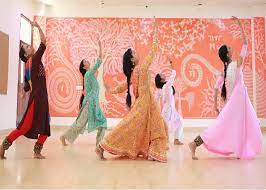
Introduction about BPA KATHAK
BPA Kathak, an enchanting and intricate form of classical Indian dance, stands as a testament to the rich cultural heritage of India. Known for its captivating rhythms, graceful movements, and expressive storytelling, Kathak is a form of dance that has transcended centuries, evolving into a mesmerizing art that continues to enthrall audiences around the world.
Originating in Northern India, Kathak is deeply rooted in both history and tradition. Its name is derived from the Sanskrit word "katha," meaning story, and "kathaka," which refers to a storyteller. This nomenclature underscores the central role of narrative and storytelling within the dance form.
Kathak dancers, known as "kathakars," use their body movements, footwork, intricate hand gestures, and expressive facial expressions to convey tales from mythology, history, and everyday life. The dance is characterized by its dynamic footwork, rhythmic compositions, and graceful spins, which can mesmerize audiences with their precision and elegance.
Kathak is often performed to the accompaniment of live musicians playing traditional instruments like the tabla (a pair of hand-played drums), the sitar, and the sarod, among others. The synergy between the dancer and the musicians creates a spellbinding atmosphere that brings the stories to life.
In addition to its traditional roots, BPA Kathak has also evolved over the years, embracing contemporary influences while preserving its classical essence. Dancers experiment with fusion performances, incorporating elements from other dance forms and genres to keep the art form dynamic and relevant in the modern world.
Kathak is not just a dance; it's a cultural expression, a form of storytelling that transcends language barriers. It's a captivating journey into the heart of India's artistic traditions, and its enduring allure continues to captivate and inspire both the young and old, reminding us of the timeless beauty of this classical dance form.
How can I apply for admission to BPA KATHAK
To apply for admission to a BPA Kathak program, you will need to follow a specific set of steps, which may vary depending on the institution or organization offering the program. Here is a general guide on how to apply:
Research Programs: Start by researching institutions, schools, or academies that offer BPA Kathak programs. Look for programs that align with your goals, such as diploma, degree, or certificate courses.
Check Eligibility Requirements: Carefully review the admission requirements for the specific program you're interested in. This may include prerequisites, educational qualifications, and age criteria. Ensure you meet these requirements.
Prepare Application Materials: Typically, you will need to prepare the following application materials:
Completed application form: Obtain the application form from the institution's website or admission office.
Academic transcripts and certificates: Provide your educational records, especially if the program has specific academic prerequisites.
Passport-sized photographs: Usually, you'll need to attach recent passport-sized photographs to your application.
Proof of age: Some programs may require a birth certificate or other proof of age.
Letters of recommendation: Request letters of recommendation from teachers, dance instructors, or mentors who can speak to your aptitude for Kathak.
Statement of purpose (SOP): Write an SOP that explains why you want to pursue the BPA Kathak program, your goals, and your passion for dance.
Prepare a Dance Portfolio: Some programs may require you to submit a dance portfolio. This should include videos of your Kathak performances or demonstrations of your dance skills. Ensure that your portfolio showcases your best work.
Audition: Many Kathak programs require an audition to assess your dance skills. You may need to perform specific Kathak pieces and demonstrate your proficiency in various aspects of the dance form, including footwork, hand gestures, and expressions.
Submit Your Application: Complete the application form, attach all the required documents, and pay any application fees. Submit your application by the specified deadline. Make sure to double-check all the application requirements and deadlines.
Interview: Some programs may require an interview as part of the admission process. Prepare for this by familiarizing yourself with the program and being ready to discuss your passion for Kathak.
Wait for Admission Decision: After submitting your application and completing any auditions or interviews, you will need to wait for the admission decision. This can take some time, so be patient.
Enroll: If you are accepted into the BPA Kathak program, follow the enrollment instructions provided by the institution. This typically involves paying tuition, registering for classes, and obtaining any required materials.
What is the eligibility for BPA KATHAK
Eligibility requirements for a BPA (Bachelor of Performing Arts) program in Kathak can vary from one institution to another. However, here are some general eligibility criteria commonly associated with such programs:
Educational Qualifications: Typically, candidates are required to have completed their high school education (12 years of schooling) or an equivalent qualification, depending on the country's educational system. In some cases, institutions may have specific subject prerequisites or minimum academic performance requirements.
Dance Experience: While not always mandatory, many BPA Kathak programs prefer candidates to have some prior experience in Kathak dance. This may include formal training under a Guru or Kathak dance school. Candidates with a strong foundation in the dance form are often given preference.
Audition: Kathak programs often require candidates to go through an audition process. During the audition, you may be asked to perform Kathak dance pieces to demonstrate your skills. The specific requirements for the audition, such as the choice of compositions and the style of performance, can vary between institutions.
Statement of Purpose (SOP): Some institutions may ask for a Statement of Purpose (SOP) as part of the application process. In your SOP, you should express your passion for Kathak, your reasons for pursuing a BPA in Kathak, and your future goals in the field.
Letters of Recommendation: In some cases, applicants may be required to submit letters of recommendation from individuals who can speak to their potential and dedication as Kathak dancers. These recommendations are typically provided by dance teachers, mentors, or experts in the field.
Age Requirements: While not a strict rule, some institutions may have age restrictions for their BPA Kathak programs. Be sure to check whether there are any age-related eligibility criteria for the program you are interested in.
Language Proficiency: Depending on the institution and its location, there may be language proficiency requirements. If the medium of instruction is not your native language, you might be required to provide evidence of language proficiency, such as English language proficiency tests like IELTS or TOEFL.
How long does it takes to complete a BPA KATHAK
The duration of a BPA (Bachelor of Performing Arts) program in Kathak can vary depending on the institution and the specific curriculum they offer. However, a typical BPA Kathak program generally takes three to four years to complete. Here's a breakdown of the time frame:
Three-Year Program: Some institutions offer a three-year BPA program in Kathak. These programs are often intensive and designed to provide comprehensive training in the art form within a relatively shorter timeframe. Students in these programs usually spend a significant amount of time each day on Kathak training, theory, and performance.
Four-Year Program: Many BPA Kathak programs are designed as four-year undergraduate degree programs. These programs provide a more in-depth and balanced approach to Kathak education, allowing students to explore various aspects of the dance form, including theory, history, and practical training. The longer duration also allows for a more comprehensive and well-rounded education.
During the course of the program, students typically engage in a range of activities, including regular Kathak dance classes, performances, theory courses, workshops, and practical training. They may also have the opportunity to explore related subjects, such as music, choreography, and dance history.
It's important to note that the specific curriculum, the number of required courses, and the availability of elective courses can vary between institutions. Therefore, it's advisable to review the program details provided by the institution you are interested in to understand the specific requirements and structure of their BPA Kathak program.
Upon successful completion of the program, students are awarded a Bachelor's degree in Performing Arts with a specialization in Kathak, and they are well-prepared to pursue careers as professional Kathak dancers, choreographers, teachers, and performers in the field of classical Indian dance.
What are potential career opportunities after BPA KATHAK
After completing a BPA (Bachelor of Performing Arts) program in Kathak, graduates have a range of potential career opportunities within the field of Kathak dance and performing arts. Here are some of the possible career paths and opportunities:
Professional Kathak Dancer: Many graduates choose to become professional Kathak dancers. They can perform as solo artists or join Kathak dance troupes and companies. Performances can be in various settings, including theaters, cultural events, festivals, and concerts.
Choreographer: Graduates with a strong understanding of Kathak can pursue careers as choreographers. They can create new Kathak dance compositions, choreograph dance sequences for productions, or work with theater and film productions to design dance sequences.
Dance Instructor: Many BPA Kathak graduates choose to become dance instructors or teachers. They can work in dance schools, cultural centers, universities, or as private instructors, imparting their knowledge and expertise to the next generation of Kathak dancers.
Arts Administrator: Some graduates take on roles in arts administration, working for cultural organizations, dance institutions, or event management companies. They may be responsible for organizing dance performances, managing events, or promoting Kathak dance.
Researcher or Historian: For those interested in the academic aspects of Kathak, a BPA degree can lead to a career in research or dance history. Graduates can become dance historians, scholars, or researchers, contributing to the preservation and documentation of Kathak's rich heritage.
Arts Management: Graduates with strong organizational and managerial skills can work in arts management roles. They may be involved in managing dance schools, production companies, or cultural institutions, overseeing logistics, budgets, and operations.
Cultural Diplomacy: Some graduates find opportunities in cultural diplomacy, working as cultural ambassadors or representatives of their country's dance and cultural heritage. They may participate in international cultural exchange programs and showcase Kathak on a global stage.
Multidisciplinary Collaboration: BPA Kathak graduates can collaborate with artists from other disciplines, such as music, theater, and visual arts. This can lead to unique and innovative projects that combine Kathak with other forms of artistic expression.
Further Studies: Graduates may choose to pursue postgraduate studies in dance, performing arts, or related fields, which can open up opportunities for advanced research, teaching positions, or specialization in a particular aspect of Kathak.
Performance for Film and Television: Some graduates find opportunities to perform in films, television shows, or music videos, showcasing their Kathak skills to a broader audience.
It's important to note that the career opportunities available to BPA Kathak graduates can vary depending on factors such as location, experience, and individual interests. Many professionals in this field pursue a combination of these career paths, adapting their careers to their evolving interests and opportunities within the world of Kathak and performing arts.
Syllabus of BPA KATHAK
The specific syllabus for a BPA (Bachelor of Performing Arts) program in Kathak can vary depending on the institution offering the program and the curriculum they have in place. However, I can provide a general overview of what a BPA Kathak program might include, semester-wise. Please note that the structure may differ from one institution to another, and the following is a broad representation:
Semester 1:
Introduction to Kathak Dance
Basic Footwork (Tatkar) and Hand Gestures (Mudras)
Kathak Theory: History and Evolution
Folk Dances of India
Rhythm and Percussion (Tabla)
Yoga and Physical Fitness for Dancers
Practical Sessions and Group Performances
Semester 2:
Intermediate Footwork and Compositions
Abhinaya (Emotive Expressions)
Kathak Theory: Styles and Gharanas
Classical Music for Kathak
Costume and Makeup in Kathak
Dance Appreciation
Practical Sessions and Solo Performances
Semester 3:
Advanced Footwork and Tukras
Abhinaya (Continued)
Kathak Theory: Dance in Indian Culture
Music and Rhythmic Theory
Choreography and Composition
Body Conditioning and Flexibility
Practical Sessions and Group Choreography
Semester 4:
Exploration of Taals (Rhythmic Cycles)
Specialization in a Particular Gharana
Kathak Theory: Contemporary Trends
Dance Research Methodology
Dance Pedagogy
Dance and Theatre
Practical Sessions and Duet Performances
Semester 5:
Kathak Repertoire
Dance History and Criticism
Dance as a Career
Dance Production and Direction
Classical Literature in Kathak
Modern Dance Forms and Fusion
Practical Sessions and Participation in Dance Productions
Semester 6:
Internship or Field Experience
Dissertation or Research Project
Advanced Choreography
Kathak in the Digital Age
Business and Management in the Arts
Portfolio Development
Final Performances and Graduation Project
This is a general outline and may not cover all the specific courses, workshops, and electives offered by every institution. The curriculum may also be subject to updates and changes over time to align with evolving trends in the field of Kathak and performing arts. Therefore, it's essential to refer to the program syllabus provided by the institution you are interested in for the most accurate and up-to-date information.
Internship opportunities after completing BPA KATHAK
After completing a BPA (Bachelor of Performing Arts) program in Kathak, graduates have the opportunity to explore a variety of internship opportunities that can enhance their skills, knowledge, and professional experience in the field of Kathak and performing arts. Here are some potential internship opportunities:
Dance Institutions and Academies: Many dance institutions and academies offer internship programs where graduates can work closely with experienced instructors and artistic directors. Interns may assist in teaching, organizing workshops, and participating in the daily operations of the institution.
Dance Companies and Troupes: Dance companies and professional Kathak troupes often offer internships for recent graduates. Interns may have the chance to perform with the company, learn new choreography, and gain firsthand experience in the world of professional Kathak performances.
Arts Administration: Internship opportunities are available in arts administration, working with organizations that manage and promote dance events and performances. This can involve tasks such as event planning, marketing, fundraising, and audience engagement.
Cultural Organizations and Festivals: Graduates can intern with cultural organizations and festivals dedicated to promoting and preserving traditional Indian arts. These internships may involve event coordination, artist management, and cultural outreach.
Music and Dance Festivals: Many music and dance festivals offer internship opportunities for individuals interested in event production and management. Graduates can gain experience in organizing, coordinating, and running festival events that often feature Kathak performances.
Arts Education and Outreach: Kathak graduates can intern with educational institutions, NGOs, or community organizations involved in arts education and outreach programs. These opportunities allow graduates to teach Kathak to students of various ages and backgrounds.
Dance Documentation and Research: For those interested in dance research and documentation, internships with cultural archives, research institutes, or documentary projects can be valuable. This involves preserving and researching the history and evolution of Kathak.
Dance Criticism and Writing: Graduates with an interest in dance criticism can intern with publications, blogs, or media outlets that cover the arts. They may have the opportunity to review dance performances and write about the art form.
Dance Therapy: Internship opportunities in dance therapy may be available for those interested in using Kathak as a form of healing and therapy. This can involve working with individuals with physical or emotional challenges.
Multidisciplinary Collaborations: Internships that involve collaborating with professionals from other artistic disciplines, such as music, theater, or visual arts, can be creatively enriching. Graduates may work on interdisciplinary projects and performances.
When seeking internships, it's important to research and connect with organizations and institutions that align with your career goals and interests. Internships provide a valuable bridge between academic training and professional practice, offering opportunities to network, gain practical experience, and further develop your skills as a Kathak artist and performer.
Scholorship and grants for BPA KATHAK
Scholarships and grants for BPA (Bachelor of Performing Arts) in Kathak are often available to support students pursuing their education in this field. These financial aid opportunities can help cover tuition costs, living expenses, and other educational needs. Here are some potential sources of scholarships and grants for BPA Kathak programs:
Institutional Scholarships: Many universities and colleges offering BPA Kathak programs have their own scholarship programs. These scholarships may be based on academic merit, talent, or financial need. Contact the institution's financial aid office to inquire about available scholarships.
Government Scholarships: In some countries, government agencies or ministries of culture may offer scholarships for students pursuing degrees in traditional arts, including Kathak. These scholarships are typically awarded based on merit and may require applicants to demonstrate their commitment to preserving cultural heritage.
Private Foundations and Organizations: Several private foundations and cultural organizations provide scholarships and grants to students in the performing arts. Examples include the Sangeet Natak Akademi, Spic Macay, and the Raza Foundation. Research such organizations in your country and check their scholarship opportunities.
Dance Associations: Dance associations and societies often offer scholarships to support promising dancers. For Kathak, organizations like the International Dance Council (CID) may have scholarship programs. Explore regional or national dance associations for potential funding.
Community and Cultural Grants: Some local community and cultural organizations offer grants and financial assistance to individuals pursuing traditional arts, including Kathak. These organizations may prioritize preserving cultural heritage through education.
Philanthropic Foundations: Explore philanthropic foundations that support the arts and cultural preservation. Some foundations may offer grants to students studying traditional dance forms like Kathak.
Merit-Based Scholarships: Some institutions and organizations offer scholarships based on academic excellence, dance proficiency, or a combination of both. Make sure to check for scholarship opportunities related to your Kathak talent and academic achievements.
Minority Scholarships: If you belong to a minority group or underrepresented community, you may be eligible for scholarships designed to promote diversity and inclusion in the performing arts.
International Scholarships: If you plan to study Kathak abroad, research scholarships available to international students. Many countries offer scholarships to attract talented artists and students from around the world.
Online Scholarship Databases: Utilize online scholarship search engines and databases, such as Fastweb, Scholarships.com, and Chegg Scholarships, to find scholarships that match your qualifications and interests.
When applying for scholarships and grants, be sure to meet all the eligibility criteria and deadlines. Carefully prepare all required documentation, such as transcripts, letters of recommendation, and personal statements. It's also a good idea to seek advice from the financial aid office of the institution you plan to attend, as they can provide guidance on available funding opportunities. Remember that scholarship availability can change, so it's essential to stay informed and explore all possible avenues for financial assistance while pursuing your BPA in Kathak.
Conclusion
In conclusion, a BPA (Bachelor of Performing Arts) program in Kathak stands as a gateway to the rich and captivating world of this classical Indian dance form. Throughout the journey of a BPA Kathak program, students delve deep into the graceful rhythms, intricate footwork, and expressive storytelling that make Kathak a cultural treasure.
The program not only imparts technical proficiency but also fosters a deep understanding of the historical, cultural, and artistic dimensions of Kathak. It equips students with the skills to perform, choreograph, and teach this beautiful dance form, making them ambassadors of India's cultural heritage.
BPA Kathak graduates have a world of opportunities awaiting them. They can embark on careers as professional dancers, choreographers, instructors, and arts administrators. They can contribute to the preservation and evolution of Kathak, not only as performers but also as researchers, historians, and educators.
The program's interdisciplinary nature encourages collaboration with other artistic forms, pushing the boundaries of traditional Kathak and contributing to its contemporary relevance. Graduates may also engage in cultural diplomacy, taking Kathak to international stages and fostering cross-cultural understanding.
As the final curtain falls on this educational chapter, it's just the beginning of a lifelong journey of learning, creativity, and artistic expression in the world of Kathak. With passion, dedication, and the knowledge gained through their BPA Kathak program, graduates are poised to make a lasting impact on this mesmerizing dance form and inspire generations to come.
FAQ,s
What is BPA Kathak?
BPA Kathak is a Bachelor of Performing Arts program specializing in Kathak, a classical Indian dance form known for its intricate footwork, expressive storytelling, and rhythmic movements.
How long does it take to complete a BPA Kathak program?
Typically, a BPA Kathak program takes three to four years to complete, depending on the institution and the specific curriculum.
What are the eligibility criteria for a BPA Kathak program?
Eligibility criteria can vary, but generally, candidates should have completed their high school education or an equivalent qualification. Some programs may also require prior dance experience or an audition.
What does the curriculum of a BPA Kathak program include?
The curriculum includes Kathak dance training, theory, history, and practical sessions. Students learn footwork, hand gestures (mudras), storytelling, and often explore related subjects like music and choreography.
Are there scholarship opportunities for BPA Kathak programs?
Yes, there are scholarship opportunities available for BPA Kathak programs. These scholarships can be offered by institutions, government agencies, cultural organizations, and private foundations.
What career opportunities are available after completing a BPA Kathak program?
Graduates can pursue careers as professional Kathak dancers, choreographers, dance instructors, arts administrators, researchers, and dance therapists, among other options.
Can BPA Kathak graduates perform internationally?
Yes, BPA Kathak graduates can perform internationally as cultural ambassadors, representing the art of Kathak on the global stage. International performances and collaborations are common for accomplished Kathak dancers.
Is Kathak a versatile dance form?
Yes, Kathak is a versatile dance form that can be adapted to various styles and fusions, making it suitable for both traditional and contemporary performances.
Can I teach Kathak after completing a BPA Kathak program?
Yes, many graduates of BPA Kathak programs go on to become Kathak instructors and teachers, passing on their knowledge and skills to the next generation of dancers.
How Shiksha Hub helps you in
-
 Student Counsellors
 -
 Career Counseling
 -
 Research
 -
 24/7 Support
 -
 Scholarships
 -
 Community