Posted by Admin on 10-07-2023 in Shiksha hub
B.sc. Agri. Genetics And Plant Breeding Admission, Registration, Eligibility, Duration, Fees, Syllabus 2024
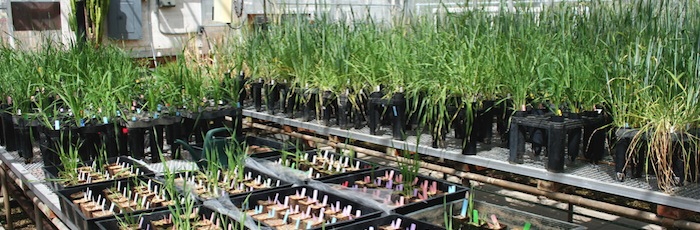
Introduction about B.SC. AGRI. GENETICS AND PLANT BREEDING
A Bachelor of Science in Agriculture with a specialization in Genetics and Plant Breeding, often abbreviated as B.Sc. Agri. Genetics and Plant Breeding, is an undergraduate degree program that focuses on the study of genetics and breeding techniques applied to plants, particularly crop plants. This field of agriculture plays a crucial role in enhancing the quality, yield, and resistance of crops, which is essential for meeting the world's growing food demand.
Here is a brief introduction to this academic program:
Academic Focus: B.Sc. Agri. Genetics and Plant Breeding primarily revolves around the genetic improvement of plants, such as cereals, vegetables, fruits, and more. Students learn to apply genetic principles to select and develop plant varieties with desirable traits, including increased yield, disease resistance, and adaptation to specific environmental conditions.
Core Subjects: The curriculum includes subjects like plant genetics, crop improvement, biotechnology, plant breeding methodologies, statistics, and agricultural sciences. Students also gain a solid foundation in general agricultural principles and practices.
Importance: Genetic and plant breeding experts are crucial in the agricultural industry. They contribute to the development of high-yielding and resilient crop varieties, which are essential for sustainable and efficient food production. This specialization plays a significant role in addressing global challenges like food security and climate change.
Career Opportunities: Graduates of this program can pursue various career paths, including agricultural research, plant breeding, seed industry, extension services, and even entrepreneurship. They may work for government agricultural agencies, research institutions, private seed companies, or become independent consultants in plant breeding.
Technological Advancements: The field of genetics and plant breeding is continually evolving with advancements in biotechnology and genomics. Students in this program are exposed to modern techniques like molecular markers and genetic engineering, which have revolutionized the breeding process.
Global Significance: Agriculture is a critical industry worldwide, and the knowledge and skills acquired in this specialization are in demand globally. As the world's population continues to grow, there is an increasing need for sustainable agricultural practices and the development of new crop varieties to meet food security challenges.
2. How can I apply for admission to B.SC. AGRI. GENETICS AND PLANT BREEDING Program
To apply for admission to a B.Sc. Agri. Genetics and Plant Breeding program, you'll typically need to follow a specific set of steps. The exact admission process may vary depending on the university or institution offering the program, but here are some general steps to help guide you through the application process:
Research and Choose a University/Institution: Start by researching universities or institutions that offer a B.Sc. Agri. Genetics and Plant Breeding program. Look for accredited institutions with a strong reputation in agricultural sciences.
Check Admission Requirements: Review the specific admission requirements for the program at your chosen university. Requirements can vary, but they often include academic qualifications, standardized test scores, and language proficiency (if applicable).
Academic Qualifications: Typically, you'll need to have completed your high school education or an equivalent qualification with a strong foundation in relevant subjects like biology, chemistry, and mathematics. Make sure your academic qualifications meet the minimum requirements.
Entrance Examinations: Some universities may require you to take entrance exams, such as a university-specific test or a standardized test like the SAT or ACT. Check the admission requirements to see if any entrance exams are necessary.
Application Form: Obtain the official application form for the university. This form can usually be found on the university's official website. Complete the application form with accurate and complete information. Pay close attention to submission deadlines.
Transcripts and Certificates: Prepare and submit your high school transcripts and certificates, as well as any other academic documents that are required for the application. Ensure that these documents are officially certified and translated if necessary.
Letters of Recommendation: Some universities may require letters of recommendation from teachers, mentors, or other individuals who can speak to your academic abilities and character. Be sure to provide these as per the university's guidelines.
Statement of Purpose (SOP): Write a statement of purpose that explains your interest in the B.Sc. Agri. Genetics and Plant Breeding program, your career goals, and why you want to study this field. This is often a critical component of the application.
Entrance Interview: In some cases, you may be required to attend an entrance interview or provide additional information to support your application. Prepare for this if it is part of the admission process.
Pay Application Fee: Pay the application fee as required by the university. The fee amount can vary, so check the university's website or contact the admissions office for details.
Submit Application: Submit your completed application, along with all required documents and fees, to the university's admissions office by the specified deadline. Many universities offer online application submission systems.
Check Application Status: After submission, keep track of your application status through the university's application portal or by contacting the admissions office. You may need to provide additional information or attend an interview.
Acceptance and Enrollment: Once you receive an acceptance letter, follow the instructions for enrollment, which may include paying a deposit or tuition fees, securing housing, and registering for classes.
3. What is the eligibility for B.SC. AGRI. GENETICS AND PLANT BREEDING
The eligibility criteria for a B.Sc. Agri. Genetics and Plant Breeding program can vary from one university or institution to another, but I can provide you with a general overview of the typical eligibility requirements that you might encounter:
Educational Qualifications:
A candidate should have completed their 10+2 or equivalent education from a recognized board or institution.
The candidate's academic background should include subjects like Biology, Chemistry, and Mathematics at the high school level. Some programs may also accept students with a background in Agriculture or related subjects.
Minimum Marks:
Most universities or colleges require a minimum aggregate score in the qualifying examination. The specific percentage required may vary, but it's typically around 50-60% or more.
Entrance Exams:
Some universities may conduct entrance examinations specifically for admission to their B.Sc. Agri. Genetics and Plant Breeding program. You may need to appear for these exams, and your performance will be a significant factor in the selection process.
Age Limit:
Some institutions may have an age limit for admission to undergraduate programs. Check the university's guidelines for any age-related eligibility criteria.
Nationality/Residency:
Some institutions may have specific eligibility criteria related to nationality or residency. Make sure to review these requirements to ensure you meet them.
Reservation and Quotas:
In some countries, there may be reservation policies or quotas for certain categories of students, such as scheduled castes, scheduled tribes, or other disadvantaged groups. Eligibility criteria may vary for these categories, and they often have specific quotas in admissions.
It's essential to check the specific eligibility criteria of the university or institution where you plan to apply, as these criteria can differ significantly. Admission requirements and criteria are often outlined on the university's official website or in the admission prospectus. If you have any doubts or questions about your eligibility, it's advisable to reach out to the university's admissions office for clarification and guidance.
4. How long does it takes to complete a B.SC. AGRI. GENETICS AND PLANT BREEDING program
A B.Sc. Agri. Genetics and Plant Breeding program typically takes three to four years to complete, depending on the university or institution and the specific curriculum they offer. In most cases, the program is designed as a full-time undergraduate degree, and the duration is divided into multiple semesters or terms. Here's a general breakdown of the time frame:
Three-Year Program: Some universities offer a B.Sc. Agri. Genetics and Plant Breeding program as a standard three-year undergraduate degree. In such cases, students typically complete their studies in six semesters, with each semester lasting approximately six months.
Four-Year Program: Other universities may have a more comprehensive four-year program, which includes additional coursework, research projects, and practical training. These programs are designed to provide a more in-depth education and may lead to a Bachelor of Science (B.Sc.) with Honors or a similar designation.
The specific program structure and duration can vary between institutions, so it's crucial to review the curriculum and degree requirements outlined by the university where you plan to enroll. Some universities may also offer options for accelerated or extended programs, depending on your academic progress and goals.
During the course of the program, students will typically take a combination of core courses related to genetics, plant breeding, agricultural sciences, and electives that allow them to explore specific areas of interest within the field. Additionally, students may have opportunities for hands-on experience through practical training, fieldwork, and research projects, which can be an integral part of their education.
Upon successful completion of the program, graduates are awarded a Bachelor of Science (B.Sc.) degree in Agriculture with a specialization in Genetics and Plant Breeding. This degree equips them with the knowledge and skills needed for careers in plant breeding, agricultural research, and related fields in the agricultural industry.
5. What are potential career opportunities after B.SC. AGRI. GENETICS AND PLANT BREEDING
A Bachelor of Science in Agriculture with a specialization in Genetics and Plant Breeding (B.Sc. Agri. Genetics and Plant Breeding) opens up a range of career opportunities in the field of agriculture and plant sciences. Graduates with this specialization play a crucial role in improving crop yields, crop quality, and sustainability. Here are some potential career opportunities:
Plant Breeder: As a plant breeder, you'll work to develop new plant varieties with desirable traits such as higher yield, disease resistance, improved taste, and adaptation to specific environmental conditions. This role is often found in government agricultural agencies, research institutions, and private seed companies.
Agricultural Researcher: Agricultural researchers conduct experiments and studies to advance the understanding of plant genetics and breeding. They may work in both the public and private sectors to develop innovative agricultural practices and technologies.
Seed Technologist: Seed technologists are responsible for the production, quality control, and distribution of seeds for commercial and agricultural purposes. They ensure that seeds meet quality standards and may work in seed companies or government agencies.
Agronomist: Agronomists provide expertise in crop management, soil health, and the best agricultural practices to maximize crop yields. They work with farmers to improve crop production and sustainability.
Extension Officer: Extension officers work with farmers and agricultural communities to disseminate knowledge about modern agricultural practices, including plant breeding and genetics, to improve crop yields and overall agricultural productivity.
Biotechnologist: Graduates may work in the field of agricultural biotechnology, using genetic engineering and biotechnology techniques to develop genetically modified (GM) crops or other biotech solutions to agricultural challenges.
Consultant: Some B.Sc. Agri. Genetics and Plant Breeding graduates become agricultural consultants, offering their expertise to farmers, seed companies, and agricultural businesses on how to improve crop production and breeding programs.
Teaching and Education: You can pursue a career in education by becoming a teacher or lecturer in agricultural institutions, colleges, or universities, sharing your knowledge and expertise with the next generation of agricultural professionals.
Agribusiness Management: Graduates can explore roles in agribusiness management, such as in agrochemical companies, agricultural product marketing, or farm management, where their understanding of crop genetics can be valuable.
Ph.D. and Research Scientist: Many graduates choose to pursue further education at the postgraduate level (Masters or Ph.D.) to become research scientists and experts in plant genetics and breeding.
Entrepreneurship: Starting your own agribusiness, such as a seed company or agricultural consultancy firm, is another option for those who have an entrepreneurial spirit and want to make a direct impact on the agricultural industry.
6. Syllabus of B.SC. AGRI. GENETICS AND PLANT BREEDING
The specific syllabus for a B.Sc. Agri. Genetics and Plant Breeding program can vary between universities and institutions. However, I can provide a general overview of the typical subjects and topics that are commonly covered in such a program. Keep in mind that the exact curriculum may include variations, electives, and additional courses based on the university's specific offerings. Here's a sample syllabus:
Year 1:
Basic Agricultural Sciences:
Introduction to Agriculture
Soil Science and Soil Fertility
Principles of Crop Production
Biology and Chemistry:
Fundamentals of Biology
General Chemistry
Mathematics and Statistics:
Mathematics for Agriculture
Introduction to Statistics
Agricultural Botany:
Plant Morphology and Anatomy
Plant Physiology
Introduction to Genetics:
Principles of Genetics
Molecular Genetics
Communication Skills:
English Communication Skills
Year 2:
Plant Breeding Principles:
Genetic Resources and Plant Genetic Diversity
Breeding Methods in Crop Plants
Crop Production and Management:
Crop Protection
Crop Management
Biotechnology in Agriculture:
Basics of Biotechnology
Genetic Engineering and Genetically Modified Organisms (GMOs)
Soil and Crop Nutrition:
Soil Microbiology
Plant Nutrition and Fertilizer Management
Agricultural Entomology and Pathology:
Insect Pest Management
Plant Pathology
Agricultural Economics:
Principles of Agricultural Economics
Year 3:
Plant Breeding Techniques:
Breeding for Abiotic Stress Tolerance
Breeding for Biotic Stress Tolerance
Seed Science and Technology:
Seed Production Technology
Seed Quality and Testing
Agricultural Biostatistics:
Applied Biostatistics
Agronomy:
Principles of Agronomy
Research Methods and Project Work:
Research Methodology
Project Work in Genetics and Plant Breeding
Professional Development:
Agribusiness and Rural Development
Year 4 (Optional Fourth Year in Some Programs):
Advanced Topics:
Advanced Plant Breeding Techniques
Genomic and Molecular Plant Breeding
Internship/Practical Training:
Hands-on experience in seed companies or research institutions
Elective Courses:
Specialized topics based on students' interests and program offerings
Seminar and Dissertation:
Independent research project and presentation
Internship opportunities after completing B.SC. AGRI. GENETICS AND PLANT BREEDING
Completing a B.Sc. Agri. Genetics and Plant Breeding program provides you with the knowledge and skills to pursue internship opportunities that can help you gain practical experience and further your career in the field. Internships offer valuable hands-on experience and the chance to apply what you've learned in a real-world agricultural setting. Here are some internship opportunities you can consider after completing your degree:
Seed Companies: Many seed companies offer internships in plant breeding, where you can work on projects related to crop improvement, field trials, and seed production. This experience is particularly relevant for those interested in a career in seed technology.
Agricultural Research Institutions: Research institutions, both public and private, often provide internships for recent graduates. You may work on research projects related to genetics, crop improvement, and plant breeding. These internships can lead to further opportunities in research and development.
Government Agricultural Agencies: Government agricultural departments and agencies may offer internships in areas such as crop management, agricultural extension, and agricultural policy. These internships can provide insights into government initiatives and regulations in the agricultural sector.
Plant Breeding Programs: Some universities and research centers have their own plant breeding programs. Joining one of these programs as an intern can offer a deep dive into the field and provide opportunities to work on breeding projects.
Agribusinesses: Companies involved in agribusiness, including agricultural supply companies and farm management organizations, may offer internships in various roles, such as agronomy, crop consulting, and agribusiness management.
International Agricultural Organizations: If you're interested in global agriculture and international development, consider internships with organizations like the Food and Agriculture Organization (FAO) of the United Nations or non-governmental organizations (NGOs) working on agricultural projects worldwide.
Biotechnology Firms: For those interested in the intersection of genetics and biotechnology, internships at biotechnology companies can provide experience in areas like genetic engineering and molecular breeding techniques.
Extension Services: Agricultural extension services, both government-run and private, may offer internships that involve working directly with farmers, providing advice on crop improvement, and promoting best practices in agriculture.
Horticulture and Plant Nurseries: If you have an interest in horticulture, you can explore internships in plant nurseries and horticultural businesses, where you can learn about breeding ornamental plants and trees.
Organic Farming and Sustainable Agriculture: Internships on organic farms or sustainable agriculture initiatives allow you to understand how plant breeding practices align with environmentally friendly and sustainable agricultural methods.
Scholarship and grants for B.SC. AGRI. GENETICS AND PLANT BREEDING
Scholarships and grants are excellent sources of financial support for students pursuing a B.Sc. Agri. Genetics and Plant Breeding program. These awards can help cover tuition fees, living expenses, and other educational costs. Here are some scholarship and grant options you can explore:
University Scholarships: Many universities offer scholarships specifically for agriculture students. Contact the financial aid or scholarship office at the university where you plan to enroll to inquire about available awards.
Government Scholarships: Government agencies often provide scholarships to students pursuing agricultural degrees. These scholarships may be offered at the national, state, or regional level. Check with your government's education or agriculture department for information on available opportunities.
Private Organizations and Foundations: Numerous private organizations and foundations support students in the field of agriculture. Some examples include the Future Farmers of America (FFA), 4-H, and various agricultural associations. These organizations may offer scholarships based on academic performance, leadership, or specific criteria related to agriculture.
Industry-Specific Scholarships: Many agricultural industries, such as seed companies, agribusinesses, and agricultural cooperatives, offer scholarships to students interested in the field. These scholarships are often tied to internships or employment opportunities within the sponsoring organization.
Agricultural Research Grants: Some research institutions and organizations provide research grants to students pursuing plant breeding and genetics research projects. These grants can help fund your research and may be available from institutions with which you are affiliated.
Agricultural Cooperative Scholarships: Cooperative organizations and agricultural cooperatives often provide scholarships to students who are members or have a connection to their cooperative.
Merit-Based Scholarships: Many universities offer general merit-based scholarships to high-achieving students. While these may not be specific to agriculture, they can help cover educational costs.
Need-Based Financial Aid: Filling out the Free Application for Federal Student Aid (FAFSA) or an equivalent financial aid application can help determine your eligibility for federal and state financial aid programs, including grants and loans.
International Scholarships: If you are an international student, explore scholarships and grants for international students offered by universities, governments, and organizations in your home country or the host country.
Online Scholarship Search Engines: Use online scholarship search engines and databases to find additional scholarship opportunities. Websites like Fastweb, Scholarships.com, and College Board's Scholarship Search can help you discover relevant scholarships.
Agricultural Associations and Societies: Agricultural associations and societies, such as the American Society of Agronomy, Crop Science Society of America, and Soil Science Society of America, offer scholarships and grants to students pursuing agricultural studies.
Non-Profit Organizations: Non-profit organizations like the National FFA Foundation and the National 4-H Council provide scholarships and grants for students involved in agricultural programs.
Conclusion on B.Sc. Agriculture Genetics and Plant Breeding
In conclusion, B.Sc. Agriculture Genetics and Plant Breeding is a field of study with immense potential and importance in the agricultural sector. Graduates of this program have the knowledge and skills to drive agricultural innovation, improve crop yield, and contribute to global food security. As the world grapples with the challenges of feeding a growing population, this field will remain critical.
FAQ's
What is B.Sc. Agri. Genetics and Plant Breeding?
B.Sc. Agri. Genetics and Plant Breeding is an undergraduate degree program that specializes in the study of genetics and breeding techniques applied to crop plants. It focuses on improving crop traits for higher yields, disease resistance, and adaptation to specific conditions.
What are the eligibility criteria for admission to this program?
Eligibility criteria may vary by institution, but typically include completing high school education with relevant subjects like biology, chemistry, and mathematics. Minimum academic scores and sometimes entrance exams are required.
How long does it take to complete a B.Sc. Agri. Genetics and Plant Breeding program?
The program usually takes three to four years, depending on the university and the specific curriculum. Some programs offer an optional fourth year for advanced study.
What career opportunities are available after completing this program?
Graduates can pursue careers as plant breeders, agricultural researchers, seed technologists, agronomists, biotechnologists, extension officers, and more. They may work in government agencies, research institutions, seed companies, or as independent consultants.
What does the curriculum of this program typically include?
The curriculum covers subjects such as plant genetics, breeding methods, biotechnology, agronomy, seed science, and agricultural economics. Students also engage in practical training and research projects.
Are there internship opportunities available for students in this field?
Yes, students can find internship opportunities with seed companies, research institutions, government agencies, and agricultural organizations to gain hands-on experience in genetics and plant breeding.
What scholarships and grants are available for B.Sc. Agri. Genetics and Plant Breeding students?
Scholarships and grants are offered by universities, government agencies, private organizations, and agricultural associations. Students should explore a variety of sources, including merit-based and need-based financial aid.
Can I pursue further education after completing this program?
Yes, you can pursue postgraduate degrees (Masters or Ph.D.) in genetics, plant breeding, or related fields to advance your knowledge and research skills.
Is this program only available in specific countries or regions?
B.Sc. Agri. Genetics and Plant Breeding programs are offered in many countries worldwide, especially in regions with a strong focus on agriculture.
What skills and qualities are essential for success in this field?
Strong analytical and problem-solving skills, a passion for agriculture, attention to detail, and a commitment to sustainable and responsible agricultural practices are important qualities for success in this field.
How Shiksha Hub helps you in
-
 Student Counsellors
 -
 Career Counseling
 -
 Research
 -
 24/7 Support
 -
 Scholarships
 -
 Community