Posted by Admin on 11-07-2023 in Shiksha hub
B.sc. Agricultural Biotechnology Admission, Registration, Eligibility, Duration, Fees, Syllabus 2024
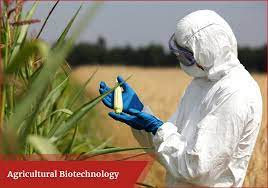
Introduction about B.SC. AGRICULTURAL BIOTECHNOLOGY
Unraveling the Marvels of Agricultural Biotechnology
In today's world, where sustainability and innovation are paramount, the field of agricultural biotechnology stands at the forefront of a revolution in farming practices. B.Sc. Agricultural Biotechnology is a dynamic and interdisciplinary program that merges the principles of biology and technology to enhance crop productivity, improve soil health, and combat challenges in agriculture. This article will take you on a journey through the fascinating realm of Agricultural Biotechnology.
The Genesis of Agricultural Biotechnology
From Mendel's Peas to Modern Genetic Engineering
The roots of agricultural biotechnology can be traced back to the experiments of Gregor Mendel with peas in the mid-19th century. However, it was in the late 20th century that significant breakthroughs occurred. The advent of genetic engineering opened doors to modify crops, making them resistant to pests, diseases, and environmental stress.
Understanding Genetic Modification
Manipulating Nature for Enhanced Crops
Genetic modification involves the alteration of an organism's genetic makeup, primarily DNA. In agriculture, this process is employed to introduce specific traits into crops to make them more robust and productive. These traits could range from drought resistance to increased nutritional content.
Agricultural Biotechnology and Sustainable Farming
Nurturing the Planet While Feeding Its Inhabitants
Sustainable farming is a buzzword in the 21st century. Agricultural biotechnology plays a pivotal role in making agriculture more environmentally friendly. Reduced pesticide use and increased crop yield are some of the ways it contributes to the sustainability of our planet.
Crop Improvement Techniques
Crafting Resilient Crops
Agricultural biotechnology employs a plethora of techniques like tissue culture, gene editing, and marker-assisted breeding to develop crops that can thrive in adverse conditions. These methods have revolutionized the agricultural landscape.
The Role of Agricultural Biotechnology in Food Security
Ensuring No One Goes Hungry
With the global population on the rise, ensuring food security is a major challenge. B.Sc. Agricultural Biotechnology equips students to address this issue by developing crops that yield more and are less prone to diseases.
The Ethical Dimensions
Balancing Progress and Responsibility
The advancements in agricultural biotechnology come with ethical concerns. The debate surrounding genetically modified organisms (GMOs) and their potential impact on ecosystems and human health is a hot topic in this field.
Career Opportunities
Paving the Way for a Fruitful Future
Pursuing a B.Sc. in Agricultural Biotechnology opens up numerous career prospects. Graduates can work as agricultural scientists, biotechnologists, or researchers in public and private sectors, contributing to the welfare of society.
The Global Scenario
Agricultural Biotechnology Around the World
Agricultural biotechnology is not limited by borders. It's a global endeavor to enhance food production. Different countries have their unique approaches and regulations when it comes to biotechnology in agriculture.
Environmental Impact Assessment
A Green Revolution with a Green Footprint
Environmental impact assessments are a crucial aspect of agricultural biotechnology. Researchers evaluate how biotechnological practices affect the environment, ensuring the responsible use of this technology.
Ongoing Research and Innovations
A Field That Never Sleeps
The world of agricultural biotechnology is ever-evolving. Researchers are constantly exploring new horizons, from developing climate-resilient crops to finding sustainable solutions for agriculture.
Challenges and Criticisms
The Roadblocks on the Path to Progress
No field is without challenges. Agricultural biotechnology faces criticisms ranging from concerns about monoculture to the concentration of power among biotech companies. These challenges urge the industry to adapt and improve.
Promising Case Studies
Success Stories in Agriculture
The success of agricultural biotechnology is seen in numerous case studies where farmers have experienced increased yields and profits. Such real-world success stories emphasize the potential of this field.
B.Sc. Agricultural Biotechnology Curriculum
The Educational Journey
A glimpse into the curriculum of a B.Sc. in Agricultural Biotechnology program, shedding light on the subjects and hands-on experiences that students can expect.
Future Trends
Predicting What Lies Ahead
The future of agricultural biotechnology is marked by exciting possibilities. This section explores upcoming trends and technologies set to transform agriculture further.
Conclusion
Embracing the Future of Agriculture
How can I apply for admission to B.SC. AGRICULTURAL BIOTECHNOLOGY Program
To apply for admission to a B.Sc. Agricultural Biotechnology program, you typically need to follow a specific set of steps. Here is a general guide on how to apply for admission:
Research Programs and Universities: Start by researching universities or colleges that offer B.Sc. Agricultural Biotechnology programs. Look for institutions that have a strong reputation in the field of agricultural sciences and biotechnology.
Check Admission Requirements: Visit the websites of the universities you're interested in to check their specific admission requirements for the B.Sc. Agricultural Biotechnology program. Requirements can vary from one institution to another, but they generally include the following:
High school diploma or equivalent
Prerequisite courses in biology, chemistry, and mathematics
Standardized test scores (e.g., SAT or ACT)
Letters of recommendation
Statement of purpose or personal essay
Prepare Application Materials: Once you understand the requirements, start gathering the necessary application materials. This may include your high school transcripts, test scores, letters of recommendation, and a well-written personal statement explaining your interest in agricultural biotechnology and why you want to pursue this program.
Complete the Application Form: Most universities offer online application forms that you can fill out on their websites. Follow the instructions carefully and provide all the required information. Make sure to double-check for any application fees and deadlines.
Submit Your Application: After filling out the application form and attaching the necessary documents, submit your application through the university's online portal or by mail, depending on their preferred submission method.
Pay Application Fees: Some universities may require an application fee. Ensure you make the required payment along with your application.
Interview (if required): In some cases, you may be asked to attend an interview as part of the admission process. Be prepared to discuss your academic interests and goals.
Wait for Admission Decision: After submitting your application, you'll need to wait for the admission committee's decision. This can take several weeks, so be patient.
Acceptance and Enrollment: If you receive an offer of admission, carefully review the acceptance letter and any financial aid packages. Follow the provided instructions to secure your spot in the program and enroll in classes.
Financial Aid and Scholarships: Explore scholarship and financial aid opportunities to help cover tuition and other educational expenses. Many universities offer scholarships specifically for students in agricultural programs.
Orientation and Registration: Attend any orientation sessions and registration events organized by the university to get acquainted with the campus and course registration processes.
Begin Your Studies: Once you've completed all the necessary steps, you can officially start your B.Sc. Agricultural Biotechnology program.
What is the eligibility for B.SC. AGRICULTURAL BIOTECHNOLOGY
Eligibility criteria for B.Sc. Agricultural Biotechnology programs can vary from one university to another, but there are some common requirements that most institutions typically expect from prospective students. Here is a general overview of the eligibility criteria:
Educational Qualifications:
Candidates are generally required to have completed their high school education (12 years of schooling) or an equivalent qualification.
A strong background in science is essential, with a focus on subjects such as biology, chemistry, and mathematics.
Minimum GPA:
Many universities set a minimum Grade Point Average (GPA) or percentage score that applicants must have achieved in their high school or equivalent exams. The specific GPA requirement may vary between institutions.
Prerequisite Courses:
In some cases, students may be required to have completed specific prerequisite courses, particularly in biology and chemistry. These courses are crucial to understanding the foundational concepts in agricultural biotechnology.
Standardized Test Scores:
Some universities may require applicants to submit standardized test scores, such as the SAT (Scholastic Assessment Test) or ACT (American College Testing). These scores are used to assess your academic abilities.
Letters of Recommendation:
It's common for universities to request letters of recommendation from teachers or mentors who can vouch for your academic capabilities and character.
Statement of Purpose or Personal Essay:
Many institutions require applicants to submit a statement of purpose or a personal essay. This is an opportunity for you to explain your interest in agricultural biotechnology and your reasons for choosing this field of study.
Language Proficiency:
If you're a non-native English speaker, you may need to provide proof of English language proficiency through standardized tests like TOEFL (Test of English as a Foreign Language) or IELTS (International English Language Testing System).
Entrance Examinations (if applicable):
Some universities or countries may require candidates to take specific entrance examinations, which assess your knowledge and skills in science-related subjects.
Interview (if required):
In some cases, universities may conduct interviews to evaluate your motivation, communication skills, and suitability for the program.
Specific University Requirements:
Be sure to check the specific eligibility criteria for the university or universities you are interested in. These criteria can vary, and some institutions may have additional requirements or preferences.
How long does it takes to complete a B.SC. AGRICULTURAL BIOTECHNOLOGY program
The duration of a B.Sc. (Bachelor of Science) in Agricultural Biotechnology program typically spans three to four years, depending on the university and the specific curriculum they offer. Here is a breakdown of the usual program duration:
Three-Year Program:
Some universities offer a B.Sc. in Agricultural Biotechnology as a three-year undergraduate program. This is often the case in countries like the United Kingdom and some European nations. In these programs, students typically engage in a more focused curriculum to complete their degree in a shorter time.
Four-Year Program:
In many countries, including the United States and Canada, a B.Sc. in Agricultural Biotechnology is typically a four-year program. These programs often include a more extensive and well-rounded curriculum that covers a broad spectrum of topics related to agriculture, biotechnology, and related sciences.
The specific duration may also be influenced by factors such as the university's academic calendar, the availability of co-op or internship opportunities, and whether you choose to pursue additional coursework or a specialization within the field. It's important to check the program details provided by the university you plan to attend to confirm the exact duration of their B.Sc. Agricultural Biotechnology program.
What are potential career opportunities after B.SC. AGRICULTURAL BIOTECHNOLOGY
A B.Sc. in Agricultural Biotechnology opens up a wide range of career opportunities in various sectors where the application of biotechnology and agricultural sciences is essential. Here are some potential career paths for graduates in this field:
Agricultural Scientist:
Agricultural scientists conduct research to improve crop yields, develop new farming techniques, and address agricultural challenges. They work for government agencies, research institutions, and private companies.
Biotechnologist:
Biotechnologists use biotechnology to develop genetically modified crops, design pest-resistant plants, and improve agricultural processes. They may work for biotechnology firms, research organizations, or governmental agencies.
Crop Consultant:
Crop consultants provide expert advice to farmers on crop management, pest control, soil health, and sustainable farming practices. They can work as independent consultants or for agricultural consulting companies.
Quality Control Analyst:
Quality control analysts ensure the safety and quality of agricultural products, including crops, seeds, and food items. They work for food production companies, seed companies, and regulatory agencies.
Soil and Plant Scientist:
Soil and plant scientists study soil composition, plant growth, and nutrient management. They help optimize agricultural practices and may work for agricultural research institutions, government agencies, or in academia.
Environmental Analyst:
Environmental analysts assess the environmental impact of agricultural practices and develop strategies for sustainable farming. They can work for environmental agencies or as consultants to farmers.
Research and Development Scientist:
R&D scientists in agricultural biotechnology work to develop new products and technologies, such as genetically modified seeds or innovative farming equipment. They are typically employed by biotech companies and research institutions.
Agribusiness Manager:
Agribusiness managers oversee the operations of agricultural companies, including farm management, crop production, and distribution. They work for agricultural corporations and agribusiness firms.
Extension Officer:
Extension officers work in rural communities, providing farmers with information and support to improve their agricultural practices. They often work for government agricultural agencies or non-profit organizations.
Seed Technologist:
Seed technologists specialize in the development and production of high-quality seeds, ensuring crop diversity and resilience. They are employed by seed companies and research institutions.
Regulatory Affairs Specialist:
Regulatory affairs specialists ensure that agricultural biotechnology products and practices comply with government regulations and safety standards. They work in regulatory bodies and biotechnology companies.
Entrepreneur in Agriculture:
Graduates can start their own agricultural businesses, such as organic farming, hydroponics, or specialized crop production, using biotechnological methods.
Teaching and Academia:
Some B.Sc. in Agricultural Biotechnology graduates pursue teaching careers and become educators in high schools or colleges, or engage in research and teaching positions in universities.
Sales and Marketing:
Sales and marketing professionals in the agricultural industry promote and sell agricultural products, biotechnology solutions, and equipment. They work for agribusiness companies and suppliers.
Pharmaceutical and Health Industries:
Some graduates may explore career opportunities in pharmaceuticals, where agricultural biotechnology plays a role in developing medicines and health-related products derived from plants.
Syllabus of B.SC. AGRICULTURAL BIOTECHNOLOGY
The syllabus for a B.Sc. in Agricultural Biotechnology can vary between universities, but the following is a general outline of the typical courses and subjects that you might encounter during your studies in this program. Please note that the specific courses and their order may vary, and some programs offer flexibility in choosing elective courses:
Year 1:
Introduction to Agricultural Biotechnology:
An overview of the history, scope, and applications of agricultural biotechnology.
Basic Biology and Chemistry:
Fundamentals of biology and chemistry to provide a strong foundation for advanced coursework.
Plant Biology:
Study of plant structure, growth, and development, essential for understanding crop biology.
Microbiology:
An introduction to microorganisms and their role in agriculture and biotechnology.
Biotechnology Fundamentals:
An exploration of the principles and techniques of biotechnology, including genetic engineering.
Crop Science:
Examination of different crop varieties, breeding, and crop management.
Introduction to Genetics:
A study of genetic principles and their application in agriculture.
Agricultural Chemistry:
Chemical aspects of soil and plant nutrition.
Year 2:
Biotechnology Tools and Techniques:
In-depth study of laboratory techniques, including DNA sequencing, PCR, and gene editing.
Cell Biology:
Examination of cell structure and function, particularly in plants.
Crop Improvement and Breeding:
Advanced topics in crop breeding and genetic improvement.
Plant Biotechnology:
Application of biotechnology in crop development and crop protection.
Soil Science:
Study of soil properties, fertility, and nutrient management.
Agricultural Microbiology:
More in-depth exploration of microorganisms in agriculture.
Biostatistics:
Introduction to statistical methods for data analysis in agricultural research.
Year 3:
Environmental Biotechnology:
How biotechnology is applied to environmental issues in agriculture.
Agricultural Policy and Economics:
Understanding the economic and policy aspects of agriculture and biotechnology.
Biotechnology Ethics and Regulations:
Discussion of ethical considerations and regulatory issues in biotechnology.
Plant Pathology:
Study of plant diseases and their management.
Dissertation/Research Project:
A major research project where students apply their knowledge to real-world agricultural biotechnology issues.
Elective Courses:
Depending on the program, students may have the opportunity to choose elective courses in areas of their interest, such as advanced genetics, sustainable agriculture, or biotechnology entrepreneurship.
Internship opportunities after completing B.SC. AGRICULTURAL BIOTECHNOLOGY
Completing a B.Sc. in Agricultural Biotechnology provides an excellent foundation for pursuing internship opportunities in various sectors related to agriculture, biotechnology, and research. Internships offer valuable hands-on experience, networking opportunities, and a chance to apply the knowledge and skills gained during your studies. Here are some potential internship opportunities for B.Sc. Agricultural Biotechnology graduates:
Research Institutions and Laboratories:
Internships at agricultural research institutions or laboratories allow you to work on cutting-edge research projects related to crop improvement, genetic engineering, and sustainable farming practices.
Agricultural Companies:
Agribusiness companies often offer internships in areas such as seed technology, crop management, and product development. These experiences provide insight into the practical aspects of the agricultural industry.
Biotechnology Firms:
Biotech companies specializing in agricultural biotechnology offer internships in genetic modification, bioprocessing, and bioinformatics. These opportunities expose you to the latest biotechnological advancements.
Government Agencies:
Government departments and agencies related to agriculture and biotechnology may offer internships focused on regulatory compliance, policy development, and environmental impact assessment.
Environmental and Sustainability Organizations:
Interning with environmental and sustainability organizations allows you to work on projects that address the ecological and sustainability aspects of agriculture, including soil conservation and organic farming.
Agricultural Consulting:
Internships with agricultural consulting firms provide exposure to advising farmers on crop management, pest control, and sustainable farming practices.
Seed and Crop Management:
Companies specializing in seed production and crop management often offer internships in areas such as seed quality testing and crop protection.
Food and Agriculture Laboratories:
Laboratories focusing on food safety and quality control may offer internships in areas like food microbiology and food product testing.
Farm Internships:
Hands-on internships on farms, including organic and sustainable farms, offer insights into day-to-day farming operations and the practical application of agricultural biotechnology.
Academic Research:
Collaborating with professors and researchers at your university in their ongoing research projects can provide research experience and a deeper understanding of specific topics in agricultural biotechnology.
Pharmaceutical and Health Industries:
Some pharmaceutical and health companies may offer internships related to the use of plant-derived compounds in medicine and health products.
International Agricultural Organizations:
Opportunities may exist to intern with international organizations working on agricultural development and food security issues in various parts of the world.
Scholarship and grants for B.SC. AGRICULTURAL BIOTECHNOLOGY
Scholarships and grants for B.Sc. Agricultural Biotechnology students can provide financial assistance to cover tuition, fees, and other educational expenses. Here are some sources of financial aid you can explore:
University Scholarships: Many universities offer scholarships specifically for students pursuing degrees in agricultural biotechnology or related fields. These scholarships may be merit-based or need-based. Check with your university's financial aid office for information on available scholarships.
Departmental Scholarships: Within your university, the department of agriculture, biotechnology, or related departments may offer scholarships to students based on academic achievement, leadership, or research potential.
Government Scholarships: Some government agencies, especially in countries that prioritize agricultural education, offer scholarships to students studying agricultural biotechnology. In the United States, for example, the USDA offers scholarships and grants through programs like the National Institute of Food and Agriculture (NIFA).
Private Foundations and Organizations: Numerous private foundations and organizations support students pursuing degrees in agricultural biotechnology and related fields. Examples include the Monsanto Fund, the National FFA Organization, and the Future Farmers of America (FFA).
Agricultural Associations: Professional organizations and associations related to agriculture and biotechnology may offer scholarships. For instance, the American Society of Agronomy and the Crop Science Society of America provide scholarships to students in agronomy and crop science.
Biotechnology Companies: Companies involved in agricultural biotechnology may offer scholarships or sponsor students in exchange for research or internship commitments. Contact biotech companies in your area to inquire about available opportunities.
Fellowships and Research Grants: Graduate students pursuing advanced degrees in agricultural biotechnology may be eligible for research fellowships and grants from organizations like the National Institutes of Health (NIH) or the National Science Foundation (NSF).
International Scholarships: If you plan to study abroad, investigate scholarships for international students. Some universities and organizations offer financial aid to foreign students pursuing agricultural biotechnology degrees.
Local and Regional Scholarships: Check with local and regional organizations, including agricultural co-ops, farm bureaus, and community foundations, as they may offer scholarships to students in agricultural studies.
Online Scholarship Databases: Explore online scholarship databases like Fastweb, Scholarship.com, and College Board's Scholarship Search. These platforms can help you find scholarships that match your qualifications and field of study.
Employer Sponsorship: If you're currently working in an agricultural or biotechnology-related job, inquire about employer-sponsored education programs or tuition reimbursement opportunities.
State and Provincial Scholarships: Some states and provinces offer scholarships for residents pursuing degrees in agriculture and related fields. Check with your state's education department for information.
Conclusion
In conclusion, B.Sc. Agricultural Biotechnology is a promising academic pursuit that combines science and technology to address the global challenge of feeding a growing population while preserving our environment. This field not only has a rich history but also a vibrant future, offering solutions to some of the most pressing issues of our time.
FAQ's
What is B.Sc. Agricultural Biotechnology?
B.Sc. Agricultural Biotechnology is an undergraduate degree program that combines principles of agricultural science and biotechnology. It focuses on using biotechnological techniques to enhance crop production, improve soil health, and address agricultural challenges.
What are the career prospects for B.Sc. Agricultural Biotechnology graduates?
Graduates can pursue careers as agricultural scientists, biotechnologists, crop consultants, quality control analysts, and more. They can work in research, government agencies, agribusiness companies, and environmental organizations.
Is B.Sc. Agricultural Biotechnology a popular program?
The program is gaining popularity due to the increasing demand for sustainable farming practices and the need to address global food security issues.
What are the core subjects covered in the B.Sc. Agricultural Biotechnology program?
Core subjects typically include plant biology, genetics, biotechnology fundamentals, crop science, microbiology, and soil science.
Are there scholarships available for B.Sc. Agricultural Biotechnology students?
Yes, there are various scholarships and grants available from universities, government agencies, private foundations, and agricultural associations to support students pursuing this field.
How long does it take to complete a B.Sc. Agricultural Biotechnology program?
The program's duration is typically three to four years, depending on the university and the specific curriculum.
Can I specialize in a specific area within Agricultural Biotechnology?
Some programs offer specializations such as crop science, plant genetics, or environmental biotechnology, allowing students to focus on specific areas of interest.
What kind of internships can I pursue after completing the B.Sc. Agricultural Biotechnology program?
Internship opportunities include positions in research institutions, agricultural companies, biotech firms, government agencies, and environmental organizations, among others.
How does B.Sc. Agricultural Biotechnology contribute to sustainability in agriculture?
The program equips students with the knowledge and skills to develop sustainable farming practices, reduce pesticide use, and improve crop resilience, thus contributing to environmentally friendly agriculture.
Can I pursue further education after completing my B.Sc. in Agricultural Biotechnology?
Yes, many graduates choose to pursue master's or Ph.D. programs in related fields for advanced research or teaching positions.
How Shiksha Hub helps you in
-
 Student Counsellors
 -
 Career Counseling
 -
 Research
 -
 24/7 Support
 -
 Scholarships
 -
 Community