Posted by Admin on 11-07-2023 in Shiksha hub
B.sc. Agricultural Meteorology Admission, Registration, Eligibility, Duration, Fees, Syllabus 2024
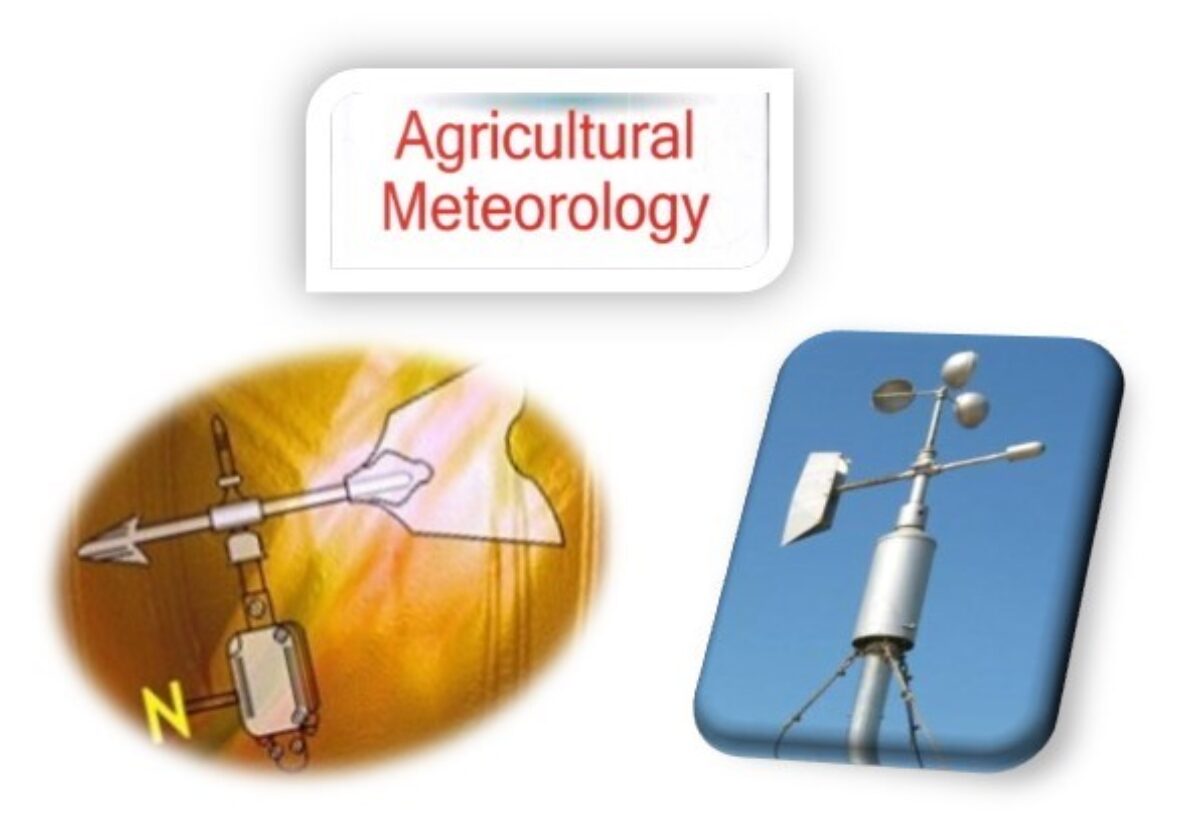
Introduction about B.SC. AGRICULTURAL METEOROLOGY
A Bachelor of Science (B.Sc.) in Agricultural Meteorology is an academic program that combines the principles of meteorology with a focus on their application in the field of agriculture. This interdisciplinary field of study seeks to understand and manage the complex relationship between weather patterns, climate, and agricultural practices to enhance crop productivity and overall sustainability in the agricultural sector.
Agricultural meteorologists play a crucial role in helping farmers make informed decisions by providing weather and climate-related information. This information is essential for optimizing planting and harvesting schedules, managing irrigation and water resources, and mitigating the impacts of extreme weather events such as droughts, storms, and frost.
The curriculum of a B.Sc. in Agricultural Meteorology typically covers a range of subjects, including:
Meteorology: Students learn the fundamentals of meteorology, including atmospheric science, climate patterns, and weather forecasting techniques.
Agriculture: The program explores various aspects of agriculture, including crop management, soil science, and pest control.
Data Analysis: Students gain skills in data collection, analysis, and interpretation, which are crucial for making weather-related predictions and decisions.
Climate Change: Understanding the effects of climate change on agriculture and finding strategies to adapt to these changes is an integral part of the program.
Remote Sensing and GIS: Students often learn to use satellite and GIS technology to monitor and analyze agricultural and meteorological data.
How can I apply for admission to B.SC. AGRICULTURAL METEOROLOGY Program
To apply for admission to a B.Sc. Agricultural Meteorology program, you should follow these general steps:
Research Programs: Start by researching universities and colleges that offer B.Sc. programs in Agricultural Meteorology. Look for institutions that are known for their strong agriculture or meteorology departments. You can do this through their official websites or by contacting their admissions offices.
Meet Admission Requirements: Review the admission requirements for the specific program you're interested in. These requirements can vary from one institution to another but generally include the following:
High school diploma or its equivalent.
Specific high school course prerequisites, which may include courses in mathematics, biology, chemistry, or physics.
Minimum GPA requirements.
Standardized test scores (e.g., SAT, ACT) may be required in some cases.
English language proficiency test scores (e.g., TOEFL or IELTS) for international students.
Prepare Application Materials: Gather the necessary application materials, which typically include:
Completed application form (online or paper).
Transcripts of your high school or previous college coursework.
Letters of recommendation (usually 2-3).
A personal statement or essay explaining your interest in Agricultural Meteorology and your career goals.
Standardized test scores, if required.
Application fee (if applicable).
Submit Your Application: Complete the application form and submit it along with all required documents to the admissions office of your chosen institution by the specified deadline. Make sure to double-check the deadline and provide all necessary information accurately.
Financial Aid and Scholarships: If you need financial assistance, explore scholarship opportunities, grants, or loans that are available for students pursuing a degree in Agricultural Meteorology. Check with the financial aid office of the institution you're applying to for guidance on these options.
Interview (if required): Some institutions may require an interview as part of the admission process. Prepare for this by researching common interview questions and practicing your responses.
Wait for Admission Decision: After submitting your application, you'll need to wait for the institution to review your materials and make an admission decision. This process can take several weeks to a few months.
Acceptance and Enrollment: Once you receive an admission offer, carefully review the terms and conditions of your acceptance. If you decide to enroll in the program, follow the provided instructions to confirm your acceptance and complete any additional enrollment requirements.
What is the eligibility for B.SC. AGRICULTURAL METEOROLOGY
Eligibility criteria for a B.Sc. in Agricultural Meteorology program can vary from one institution to another, but the following are the typical requirements you might encounter:
Educational Qualifications:
A high school diploma or equivalent is a fundamental requirement.
Successful completion of specific high school courses, which often include mathematics, biology, chemistry, or physics, depending on the institution's prerequisites.
Minimum GPA: Many universities and colleges will specify a minimum grade point average (GPA) that you need to meet for consideration. This GPA requirement can vary, but a competitive GPA is often expected.
Standardized Tests: Some institutions may require standardized test scores such as the SAT or ACT. The specific test requirements can differ, so check with the institution to determine if these tests are necessary for admission.
English Language Proficiency (for international students): If you're not a native English speaker or haven't completed your previous education in English, you may need to provide English language proficiency test scores, such as the TOEFL or IELTS.
Letters of Recommendation: You may be asked to submit 2-3 letters of recommendation from teachers, mentors, or other individuals who can vouch for your academic abilities and character.
Personal Statement or Essay: Most institutions will require a personal statement or essay that outlines your interest in Agricultural Meteorology, your career goals, and why you want to pursue this program.
Interview (if required): Some institutions may request an interview as part of the admission process to assess your suitability for the program.
It's essential to note that eligibility criteria can vary among institutions, so it's crucial to review the specific requirements outlined by the university or college to which you plan to apply. Admission requirements may change over time, so be
How long does it takes to complete a B.SC. AGRICULTURAL METEOROLOGY program
A B.Sc. in Agricultural Meteorology program typically takes about three to four years to complete, depending on the specific university or college and the country in which you are pursuing the degree. Here's a breakdown of the program's duration:
Standard Duration: In many countries, including the United States and the United Kingdom, a B.Sc. program typically spans four academic years. During this time, students complete a series of required courses and electives related to agricultural meteorology, as well as general education requirements.
Three-Year Programs: In some countries, like India, a B.Sc. program is often three years in duration. These programs are designed to provide a condensed and focused curriculum, and they may not include as many general education courses as the four-year programs.
Co-op or Internship Programs: Some institutions offer B.Sc. programs with co-op or internship components, which can extend the program's length. These programs typically allow students to gain practical experience in the field, but they might take an extra semester or two to complete due to the work terms.
Accelerated Programs: Occasionally, universities offer accelerated or fast-track B.Sc. programs that can be completed in three years. These programs often require students to maintain a heavy course load and may not include extended breaks between academic terms.
What are potential career opportunities after B.SC. AGRICULTURAL METEOROLOGY
A B.Sc. in Agricultural Meteorology can open up a range of exciting career opportunities in various sectors, as it equips graduates with a unique skill set that combines meteorological knowledge with agricultural expertise. Here are some potential career paths after completing a B.Sc. in Agricultural Meteorology:
Agricultural Meteorologist: Graduates can work as agricultural meteorologists, providing weather and climate-related information to farmers, agricultural businesses, and government agencies. They help in making informed decisions about planting, harvesting, and crop management based on weather forecasts and climate data.
Agro-Meteorological Analyst: These professionals analyze meteorological and climate data to develop strategies for optimizing agricultural practices. They work to mitigate the impacts of extreme weather events, such as droughts and storms, on crop yields and overall farm management.
Climate Consultant: Climate consultants assist agricultural businesses and farms in adapting to changing climate conditions. They help develop long-term strategies to maintain sustainability and productivity in the face of climate change.
Research Scientist: Graduates can pursue careers in agricultural and meteorological research, conducting studies to improve understanding of weather patterns, climate change effects on agriculture, and innovative techniques to enhance crop yields and resource management.
Government Positions: Many government agencies, such as the National Weather Service, employ agricultural meteorologists to provide weather and climate information for use in policy development, disaster preparedness, and resource management.
Environmental Consultant: Graduates can work as environmental consultants, specializing in agricultural and climate-related projects. They may provide guidance to farmers and landowners on sustainable practices and regulatory compliance.
Private Sector Careers: Graduates may find opportunities in the private sector, working for agricultural companies, agribusinesses, or environmental consulting firms that require expertise in both meteorology and agriculture.
Education and Extension Services: Some graduates choose to work in education or extension services, where they educate farmers and communities on the latest agricultural meteorological practices, helping them adapt to changing climate conditions.
Risk Assessment and Insurance: Graduates can work in the field of risk assessment and insurance, helping agricultural businesses assess and manage risks associated with weather-related disasters and providing data for insurance policies.
Data Analysis and GIS Specialist: With expertise in data analysis and Geographic Information Systems (GIS), graduates can analyze and visualize agricultural and meteorological data, which is essential for informed decision-making in the sector.
Syllabus of B.SC. AGRICULTURAL METEOROLOGY
The specific syllabus for a B.Sc. in Agricultural Meteorology can vary depending on the university or college offering the program. However, I can provide you with a general overview of the typical subjects and courses that are commonly included in such a program:
Year 1:
Introduction to Agricultural Meteorology
Fundamentals of Meteorology
Climate Science and Climate Change
Basic Agriculture Principles
Soil Science
Mathematics for Agricultural Sciences
Chemistry for Agricultural Sciences
Fundamentals of Biology
Computer Applications in Agriculture
Year 2: 10. Weather Forecasting and Analysis
Crop Physiology
Plant Pathology
Crop Management
Agro-Meteorological Instruments and Data Collection
Principles of Remote Sensing and GIS
Microclimatology
Agricultural Statistics
Year 3: 18. Agroecology
Pest Management
Irrigation and Water Management
Agricultural and Environmental Biophysics
Climate-Resilient Agriculture
Agricultural Risk Management
Research Methodology
Internship or Practical Training
Year 4 (or Final Year): 26. Agro-Meteorological Models and Forecasting
Agriculture and Policy Development
Climate Adaptation Strategies for Agriculture
Thesis or Research Project
Elective Courses (e.g., Agri-Meteorological Services, Agri-Meteorological Decision Support Systems)
Seminars and Workshops
Please note that the above syllabus is a general guideline, and the specific courses and their titles may vary from one university to another. Additionally, the final year often involves a research project or thesis, which allows students to apply their knowledge and contribute to the field through independent research.
Internship opportunities after completing B.SC. AGRICULTURAL METEOROLOGY
Completing an internship after earning a B.Sc. in Agricultural Meteorology can be a valuable step in launching your career in this field. Internships offer you the opportunity to gain practical experience, apply your knowledge, and make professional connections. Here are some internship opportunities you can explore:
Agricultural Research Institutions: Many agricultural research organizations, both government and private, offer internships for graduates. You could work on projects related to crop management, climate adaptation, or weather data analysis.
Government Agencies: Government agencies involved in agriculture and meteorology, such as the National Weather Service or the Department of Agriculture, may provide internship programs. These internships can involve weather forecasting, climate analysis, or policy development.
Agribusinesses: Large agribusiness companies often offer internships in various areas, such as agronomy, precision agriculture, and sustainability. These internships may involve working with farmers to implement weather and climate solutions.
Environmental and Climate Organizations: Organizations focused on environmental conservation and climate change adaptation may offer internships related to sustainable agriculture and climate-resilient farming practices.
Weather Forecasting and Consulting Services: Companies specializing in weather forecasting or climate consulting may provide internships in agricultural meteorology. Interns may assist in creating forecasts tailored to the agricultural sector.
Agricultural Extension Services: Cooperative extension offices and agencies often offer internships to help educate farmers and communities about the latest agricultural meteorological practices and technologies.
Research Institutions: Research institutions and universities conducting studies related to agricultural meteorology may have internships available for assisting in ongoing research projects.
Non-Governmental Organizations (NGOs): NGOs working on agricultural and environmental projects may offer internships that focus on sustainable agriculture and climate resilience.
Technology and Data Analysis Companies: Companies involved in developing agricultural technology, remote sensing, and data analysis tools often hire interns to work on projects related to meteorological data collection and analysis.
Agtech Startups: Emerging agricultural technology startups may provide internship opportunities to work on innovative solutions that bridge the gap between meteorology and agriculture.
Scholarship and grants for B.SC. AGRICULTURAL METEOROLOGY
Scholarships and grants can be a valuable source of financial support for students pursuing a B.Sc. in Agricultural Meteorology. These financial aid options can help cover tuition, books, and living expenses. Here are some scholarship and grant opportunities you can explore:
Institutional Scholarships: Many universities and colleges offer scholarships specifically for students in agricultural and meteorological programs. Check with the financial aid office of the institution where you plan to study for information on available scholarships.
Government Scholarships: Some governments offer scholarships to students pursuing degrees in fields related to agriculture and meteorology. These scholarships may be provided at the national, state, or local levels.
Agricultural Organizations: Agricultural organizations, such as the National FFA Organization (Future Farmers of America), may provide scholarships to students pursuing degrees in agricultural sciences, including agricultural meteorology.
Meteorological Associations: Meteorological associations and societies, such as the American Meteorological Society (AMS), offer scholarships for students in meteorology-related programs, which may include agricultural meteorology.
Environmental and Climate Organizations: Organizations dedicated to environmental and climate research and advocacy may offer scholarships and grants for students interested in fields that address climate change and its impact on agriculture.
Agricultural Industry: Companies and organizations within the agricultural sector, including agribusinesses, may provide scholarships and grants to students pursuing degrees in agricultural meteorology.
Minority and Diversity Scholarships: Various organizations and foundations offer scholarships to support underrepresented minority groups in agricultural and meteorological fields.
Research Grants: Look for research grants from institutions and organizations that support agricultural meteorological research. These grants can help fund research projects and fieldwork.
International Scholarships: If you are an international student studying agricultural meteorology abroad, check for scholarships offered by international organizations, governmental agencies, or the universities themselves.
Online Scholarship Databases: Use online scholarship databases and search engines, such as Fastweb, Scholarships.com, and the College Board Scholarship Search, to find additional scholarships that match your qualifications and interests.
When applying for scholarships and grants, make sure to carefully review the eligibility criteria, application deadlines, and required documentation for each opportunity. Pay close attention to any essay or statement of purpose requirements and ensure that your application is well-prepared and complete.
Conclusion
Upon completing a B.Sc. in Agricultural Meteorology, graduates can pursue careers as agricultural meteorologists, agro-meteorological analysts, climate consultants, or work in research institutions, governmental agencies, or private companies to help develop sustainable and climate-resilient agricultural practices. This field is of increasing importance as agriculture faces the challenges posed by a changing climate and the need for more efficient and sustainable food production methods.
FAQ's
What is Agricultural Meteorology?
Agricultural Meteorology is a field that combines meteorological knowledge with agricultural practices. It focuses on understanding and managing the impact of weather and climate on agriculture, including crop management, pest control, and resource allocation.
What is the duration of a B.Sc. Agricultural Meteorology program?
The typical duration is three to four years, depending on the university or country. Some programs may offer accelerated or part-time options.
What are the career prospects after completing a B.Sc. in Agricultural Meteorology?
Graduates can work as agricultural meteorologists, agro-meteorological analysts, climate consultants, or in research, government agencies, agribusinesses, and more.
Are there internships available in this field?
Yes, there are internships in agricultural meteorology that provide practical experience and opportunities to apply knowledge in real-world settings.
What are the admission requirements for B.Sc. Agricultural Meteorology?
Requirements typically include a high school diploma, specific high school course prerequisites, minimum GPA, standardized test scores (if required), and sometimes English language proficiency tests for international students.
What is the curriculum like for this program?
The curriculum includes courses in meteorology, climate science, agriculture, data analysis, and may cover topics like pest management, crop physiology, and agroecology.
Are there scholarships available for B.Sc. Agricultural Meteorology?
Yes, scholarships and grants are available from institutions, government agencies, agricultural organizations, and meteorological associations.
Can international students pursue B.Sc. Agricultural Meteorology?
Yes, many universities welcome international students, but they may require English language proficiency tests and have specific admission procedures for international applicants.
What is the role of agricultural meteorologists in modern agriculture?
Agricultural meteorologists provide essential weather and climate information to farmers and agricultural businesses, helping them make informed decisions and adopt climate-resilient practices.
Can graduates specialize in a specific aspect of agricultural meteorology?
Yes, graduates can specialize in areas such as agro-meteorological modeling, climate adaptation strategies, or data analysis depending on their career interests.
How Shiksha Hub helps you in
-
 Student Counsellors
 -
 Career Counseling
 -
 Research
 -
 24/7 Support
 -
 Scholarships
 -
 Community