Posted by Admin on 11-07-2023 in Shiksha hub
B.SC. Agriculture Business Management Admission, Registration, Eligibility, Duration, Fees, Syllabus 2024
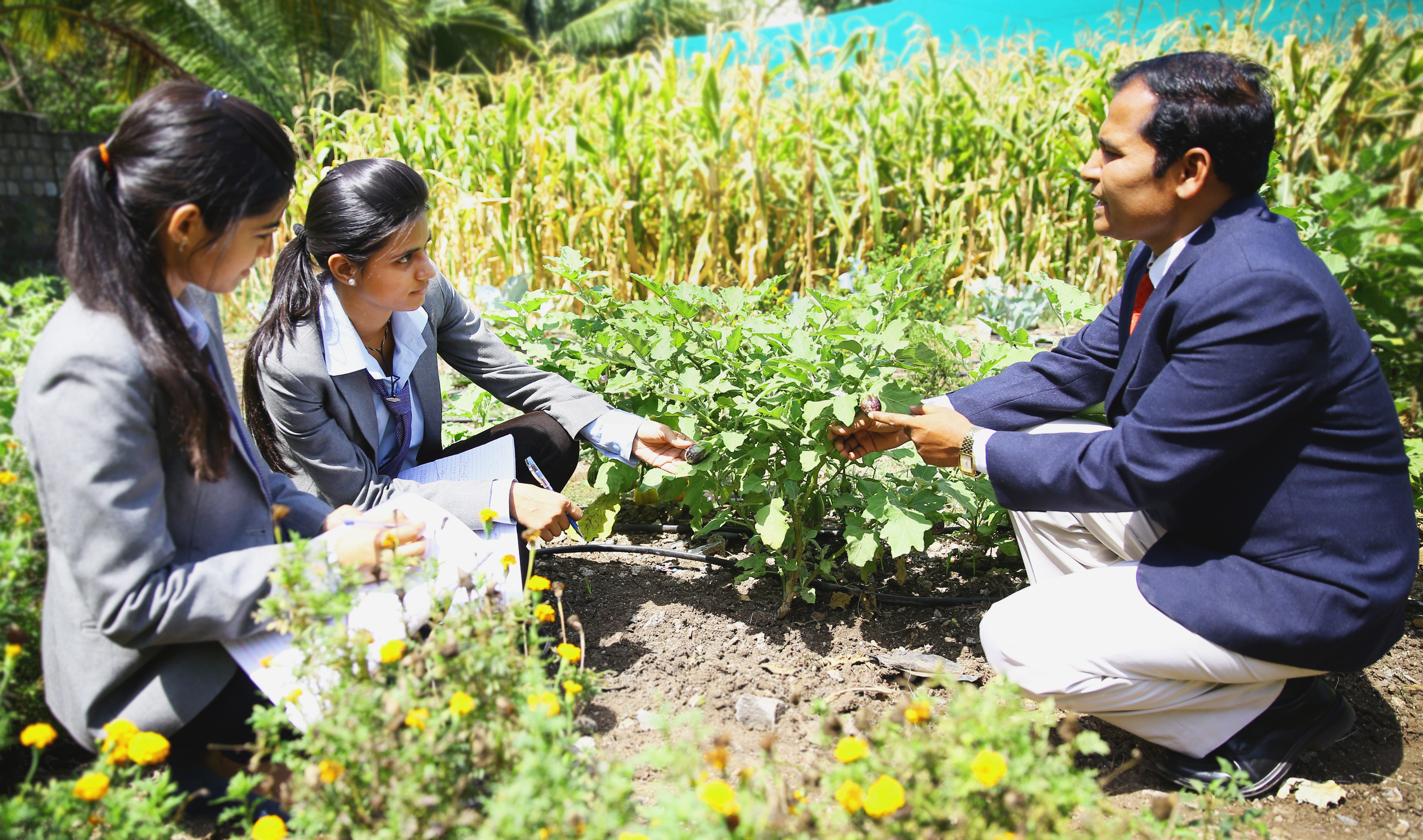
Introduction about B.SC. AGRICULTURE BUSINESS MANAGEMENT
B.Sc. Agriculture Business Management is an undergraduate academic program that combines the principles of agriculture with essential business management skills. This field of study focuses on preparing students to effectively manage various aspects of agricultural enterprises, from crop production and livestock management to agribusiness marketing and financial planning.
The program aims to provide students with a well-rounded education, equipping them with the knowledge and skills necessary to thrive in the complex and dynamic world of agriculture and agribusiness. It bridges the gap between traditional agricultural practices and the contemporary demands of a globalized, competitive market.
Key components of a B.Sc. Agriculture Business Management program typically include:
Agricultural Sciences: Students gain a solid foundation in agricultural sciences, including crop cultivation, soil management, pest control, and animal husbandry. This knowledge is fundamental to understanding the core elements of the agricultural industry.
Business Management: Students learn essential business concepts, such as finance, accounting, marketing, and organizational management. These skills are crucial for making informed decisions and managing agricultural operations efficiently.
Agribusiness Economics: This field focuses on the economic aspects of agriculture, including supply and demand, pricing, and market analysis. Students gain insights into the economic forces that shape the agricultural industry.
Rural Development: Students explore strategies for promoting sustainable rural development, which is essential for the prosperity of agricultural communities and the preservation of natural resources.
Environmental Sustainability: With the growing importance of sustainability, the program often covers topics related to environmentally friendly farming practices and the preservation of natural resources.
Internships and Practical Experience: Many B.Sc. Agriculture Business Management programs incorporate internships and hands-on experience, allowing students to apply their knowledge in real-world agricultural settings.
How can I apply for admission to B.SC. AGRICULTURE BUSINESS MANAGEMENT Program
To apply for admission to a B.Sc. Agriculture Business Management program, you'll typically need to follow a set of steps. While specific requirements and procedures can vary from one educational institution to another, here is a general guide on how to apply:
Research Programs and Institutions:
Start by researching different universities and colleges that offer B.Sc. Agriculture Business Management programs. Look for institutions that are accredited and have a strong reputation in the field.
Meet Eligibility Requirements:
Ensure that you meet the eligibility criteria for the program. Common requirements may include a high school diploma or equivalent with a background in science or agriculture-related subjects. Some institutions may also require specific standardized test scores like the SAT or ACT.
Prepare Necessary Documents:
Gather the required application documents, which typically include:
High school transcripts or equivalent academic records.
Standardized test scores (if required).
Letters of recommendation.
A personal statement or essay outlining your interest in the program and your career goals.
Completed application form, which is often available online through the institution's website.
Application Fee:
Be prepared to pay an application fee, which can vary by institution. Some universities may offer fee waivers or reduced fees for eligible candidates.
Submit Your Application:
Complete the application form and submit it by the specified deadline. Most institutions offer online application portals that make the process convenient.
Attend Interviews (if required):
Some universities may require an interview as part of the admission process. Be prepared to discuss your academic and career interests.
Financial Aid and Scholarships:
If you're seeking financial aid or scholarships, research the available options at the institution and make sure to meet their deadlines for scholarship applications.
Check Application Status:
Monitor the status of your application through the university's application portal. You may need to provide additional documents or information if requested.
Receive Admission Decision:
You will receive an official admission decision from the institution. If you are accepted, the admission offer will include information about enrollment, tuition, and any financial aid or scholarships awarded.
Acceptance and Enrollment:
If you are accepted, follow the instructions provided by the institution to confirm your acceptance and enroll in the program. This typically involves paying a deposit to secure your spot.
Orientation and Registration:
Attend any required orientation sessions and register for your courses as per the academic calendar.
What is the eligibility for B.SC. AGRICULTURE BUSINESS MANAGEMENT
Eligibility requirements for a B.Sc. Agriculture Business Management program can vary depending on the institution offering the program. However, I can provide you with a general overview of the typical eligibility criteria:
Educational Background:
Most programs require applicants to have completed their high school education or an equivalent qualification. This typically means you should have a high school diploma or its international equivalent.
Academic Prerequisites:
A strong background in science, particularly in subjects related to agriculture or business, may be preferred. Some programs may require specific high school courses in subjects such as biology, chemistry, mathematics, or economics.
Standardized Tests (if required):
Some universities may require standardized test scores like the SAT or ACT as part of the application. However, this requirement can vary among institutions, so check with the specific program you're interested in.
Language Proficiency:
If the medium of instruction is not your native language, you may need to provide proof of English language proficiency through tests like the TOEFL or IELTS. The specific language requirements will depend on the institution and program.
Letters of Recommendation:
Some programs may request letters of recommendation from teachers or other individuals who can attest to your academic or personal qualities.
Personal Statement or Essay:
You may be required to submit a personal statement or essay explaining your interest in Agriculture Business Management and your career goals. This is an opportunity to showcase your motivation and suitability for the program.
Application Form and Fee:
Complete the application form provided by the university or college offering the program. Be prepared to pay an application fee, the amount of which may vary by institution.
Interview (if required):
Some institutions may conduct interviews as part of the admissions process to evaluate your suitability for the program.
It's essential to note that specific eligibility requirements can differ from one institution to another. Therefore, it is crucial to carefully review the admission criteria for the specific B.Sc. Agriculture Business Management program you are interested in. You can typically find detailed information on the program's official website or by contacting the admissions office of the respective institution.
How long does it takes to complete a B.SC. AGRICULTURE BUSINESS MANAGEMENT program
A B.Sc. Agriculture Business Management program typically takes about three to four years to complete. The exact duration can vary depending on several factors, including the specific institution, the country in which you are studying, and any academic or scheduling options offered by the program. Here are some key points to consider:
Standard Duration: In many countries, a B.Sc. program is designed to be completed in three years. This assumes full-time enrollment with a typical academic calendar consisting of two semesters per year.
Optional Extras: Some universities may offer options for extended or accelerated programs. Extended programs may include additional coursework or internships, which could extend the program's duration. Accelerated programs, on the other hand, might condense the curriculum into a shorter time frame, often requiring more intensive study.
Part-Time Study: If you choose to study part-time or have other commitments that limit your course load, it may take longer to complete the program. Part-time students typically take fewer courses each semester and, as a result, extend the overall duration.
Co-op or Internship Requirements: Some B.Sc. Agriculture Business Management programs include mandatory cooperative education (co-op) experiences or internships. These work placements can add extra time to your program, but they provide valuable hands-on experience.
Summer Courses: Some students choose to take summer courses, which can accelerate their progress and potentially allow them to complete the program in a shorter time.
What are potential career opportunities after B.SC. AGRICULTURE BUSINESS MANAGEMENT
A B.Sc. Agriculture Business Management degree equips graduates with a diverse skill set that can open up a range of career opportunities in the agriculture and agribusiness sectors. Here are some potential career paths and job opportunities:
Agribusiness Management: Graduates can pursue roles as agribusiness managers, overseeing the operation and management of agricultural enterprises. This may involve managing farms, ranches, or agricultural cooperatives.
Agricultural Marketing and Sales: Careers in agricultural marketing, sales, and distribution involve promoting and selling agricultural products, such as crops, livestock, or agricultural equipment. This can include roles in sales management, market analysis, and product promotion.
Agricultural Finance: Graduates can work in agricultural finance, analyzing financial data, providing loans, and managing financial aspects of agricultural businesses. This role is essential for ensuring the financial sustainability of agricultural operations.
Farm Management: Some graduates may choose to become farm managers, responsible for the day-to-day operations of a farm. This can include planning planting seasons, managing labor, and ensuring efficient farm operations.
Rural Development Specialist: Professionals in this field work to improve the economic and social well-being of rural communities. They may be involved in projects related to infrastructure development, education, healthcare, and economic diversification.
Agricultural Supply Chain Management: Careers in supply chain management involve ensuring the efficient movement of agricultural products from the farm to the consumer. This includes logistics, transportation, and inventory management.
Agricultural Consulting: Graduates can work as agricultural consultants, providing expertise to farmers and agribusinesses on various aspects of agriculture, including crop management, pest control, and business strategies.
Environmental Sustainability and Conservation: Opportunities exist in promoting and implementing sustainable agricultural practices that minimize the environmental impact of farming. This can include careers in soil conservation, water resource management, and sustainable agriculture advocacy.
Agribusiness Entrepreneurship: Some graduates choose to start their own agricultural businesses, such as organic farms, agritourism ventures, or niche market enterprises. Entrepreneurship can be a rewarding path for those with innovative ideas.
Research and Development: Working in agricultural research and development, graduates can contribute to the advancement of farming techniques, crop improvement, and innovative agricultural technologies.
Government and Regulatory Agencies: Graduates may find employment with government agencies related to agriculture, where they can be involved in policy development, agricultural inspections, and regulatory compliance.
International Agriculture and Trade: Careers in international agriculture involve working with organizations and businesses that engage in global agriculture and trade, ensuring the movement of agricultural products across borders.
Food and Agribusiness Journalism: Some graduates with strong communication skills and knowledge of the industry may pursue careers in agricultural journalism, reporting on developments in the agricultural sector.
Teaching and Education: For those interested in education, careers in teaching or extension services related to agriculture can be a fulfilling option.
Syllabus of B.SC. AGRICULTURE BUSINESS MANAGEMENT
The specific syllabus for a B.Sc. Agriculture Business Management program can vary from one university or college to another. However, I can provide a general overview of the common subjects and topics that are typically covered in this program. Please note that this is a broad outline, and the actual course structure may differ based on the institution. Here are the key subjects and topics often included:
Year 1:
Introduction to Agriculture Business Management:
Basics of agribusiness and its importance in the agricultural sector.
Principles of Agriculture:
Introduction to crop cultivation, soil science, and plant science.
Agricultural Economics:
Basics of agricultural economics, supply and demand, pricing, and market analysis.
Financial Accounting:
Fundamental concepts of financial accounting, including balance sheets, income statements, and financial ratios.
Microeconomics:
Study of individual economic agents, consumer behavior, and market structures.
Agricultural Marketing:
Principles of marketing agricultural products, including market research and distribution.
Year 2:
Farm Management:
Techniques for efficient farm management, including planning, resource allocation, and decision-making.
Rural Development:
Strategies for promoting rural development, community development, and rural infrastructure.
Agribusiness Finance:
Financial management and analysis specific to agribusiness operations.
Environmental Science and Sustainability:
Sustainable agriculture, conservation, and environmental impact of farming practices.
Business Management:
Principles of business management, organizational behavior, and strategic management.
Production Economics:
Economic aspects of agricultural production, including cost analysis and resource allocation.
Year 3:
Agricultural Policy and Regulation:
Study of government policies and regulations affecting agriculture and agribusiness.
International Agribusiness:
Global agricultural trade, international markets, and export-import regulations.
Agricultural Risk Management:
Risk assessment, insurance, and risk mitigation in the agricultural sector.
Quality Control and Food Safety:
Assurance of quality and safety in agricultural products, including food safety regulations.
Business Ethics and Corporate Social Responsibility:
Ethical considerations and social responsibility in agribusiness operations.
Internship/Practical Experience:
Many programs include a mandatory internship or practical experience component, allowing students to apply their knowledge in real-world settings.
Year 4 (if applicable):
Advanced Topics in Agriculture Business Management:
Specialized topics and advanced courses that may vary by institution.
Research Project/Thesis:
Some programs require students to complete a research project or thesis in their final year.
Internship opportunities after completing B.SC. AGRICULTURE BUSINESS MANAGEMENT
Completing an internship after earning a B.Sc. Agriculture Business Management degree can be a valuable and practical way to gain hands-on experience in the field and enhance your career prospects. Internships provide opportunities to apply the knowledge and skills you've acquired in your academic studies to real-world agricultural and agribusiness settings. Here are some internship opportunities you can explore:
Agribusiness Management Internships: Many agribusinesses, such as agricultural cooperatives, large farms, and food production companies, offer internships for students and recent graduates. These internships may involve working in roles related to operations management, marketing, sales, finance, or logistics.
Farm Management Internships: If you have an interest in working on farms, you can seek internships on various types of farms, including crop farms, dairy farms, and livestock operations. Farm management internships typically involve tasks related to day-to-day farm operations, crop management, livestock care, and resource allocation.
Agricultural Marketing and Sales Internships: Internships in agricultural marketing and sales can provide exposure to market analysis, product promotion, and distribution. You may work with companies that produce or distribute agricultural products and gain experience in sales strategies and customer relationship management.
Agricultural Finance and Banking Internships: These internships are available in financial institutions, agricultural lending organizations, and banks with agricultural divisions. Interns may assist with financial analysis, credit assessment, and agricultural loan processes.
Environmental and Sustainability Internships: Internships in this area focus on sustainable agriculture and environmental conservation. You might work with organizations dedicated to promoting environmentally friendly farming practices, natural resource management, and conservation efforts.
Government and Regulatory Agency Internships: Government agencies at local, state, and federal levels often offer internships related to agriculture and agribusiness. These positions may involve policy research, regulatory compliance, and inspection work.
Research and Development Internships: If you're interested in research, you can seek internships at agricultural research institutions, universities, or companies engaged in agricultural innovation. These internships may involve research on crop improvement, pest control, or innovative agricultural technologies.
Food Safety and Quality Control Internships: Internships in this area are with organizations focused on food safety, quality assurance, and regulatory compliance. You may assist in quality control processes and food safety inspections.
International Agriculture and Trade Internships: For those interested in global agriculture, consider internships with international trade organizations or companies engaged in international agriculture. These internships can offer exposure to global markets and trade regulations.
Agricultural Consulting Internships: Agricultural consultants provide advice and expertise to farmers and agribusinesses. Internships with agricultural consulting firms can be an excellent way to learn about the consultancy business and gain experience in advising clients on agricultural matters.
Scholarship and grants for B.SC. AGRICULTURE BUSINESS MANAGEMENT
Scholarships and grants for B.Sc. Agriculture Business Management are available to help students finance their education and reduce the financial burden of pursuing a degree. These opportunities can come from various sources, including universities, government programs, nonprofit organizations, and private foundations. Here are some options to explore:
University Scholarships: Many universities and colleges offer scholarships specifically for students pursuing a B.Sc. in Agriculture Business Management. These scholarships are often based on academic merit, leadership, or other criteria. Check with the admissions and financial aid offices of the institutions you are interested in to learn about the scholarships they offer.
Government Scholarships and Grants: In some countries, government programs provide financial assistance to students pursuing degrees in agriculture or related fields. For example, the United States offers the USDA (U.S. Department of Agriculture) Scholarships and the National Institute of Food and Agriculture (NIFA) grants.
Private Foundations and Organizations: Various private foundations and organizations support students in agricultural programs. Examples include the Future Farmers of America (FFA) scholarships, the National FFA Organization scholarships, and the American Agri-Women scholarships.
Agricultural Associations and Societies: Agricultural associations, such as the American Farm Bureau Federation, often offer scholarships to students who plan to pursue careers in agriculture and agribusiness.
Corporate and Industry Scholarships: Some agricultural companies and agribusinesses offer scholarships to students studying Agriculture Business Management. These scholarships can be based on academic merit, leadership, or involvement in relevant extracurricular activities.
Minority and Diversity Scholarships: There are scholarships specifically designed to support minority and underrepresented students in agriculture. Organizations like the Minorities in Agriculture, Natural Resources, and Related Sciences (MANRRS) offer scholarships and grants.
Regional and State Programs: Check with your state's Department of Agriculture or other regional agencies for scholarship opportunities aimed at supporting local students in agricultural fields.
Online Scholarship Databases: Utilize online scholarship search engines and databases like Fastweb, Scholarships.com, and Cappex to find a wide range of scholarships and grants that match your profile and academic interests.
Employer and Work-Study Programs: Some employers in the agriculture sector offer tuition assistance or reimbursement for employees pursuing further education. Additionally, you can explore work-study opportunities related to agriculture on your campus.
When applying for scholarships and grants, be sure to pay attention to application deadlines, eligibility criteria, and required documentation. Scholarships and grants are highly competitive, so it's essential to start your search early and apply to as many opportunities as you qualify for.
Conclusion
Graduates of B.Sc. Agriculture Business Management programs are well-prepared for a wide range of career opportunities. They can pursue roles in agribusiness management, agricultural finance, farm management, agricultural marketing, and even entrepreneurial ventures in the agricultural sector. Additionally, they play a crucial role in addressing the challenges of feeding a growing global population while sustaining the environment and ensuring economic viability in the agricultural industry.
FAQ's
What are the career prospects after completing BSc Agriculture Business Management?
Graduates can pursue careers as agricultural managers, farm consultants, agribusiness analysts, agricultural extension officers, and more. The program equips students with the skills to work in various roles within the agriculture industry.
How can I specialize in a particular area within this program?
BSc Agriculture Business Management programs often offer specializations such as organic farming, agri-entrepreneurship, sustainable agriculture, and more. You can choose a specialization based on your interests and career goals.
What role does technology play in modern agriculture management?
Technology plays a crucial role in modern agriculture management. Students in this program learn about precision farming, data analytics, and other technological advancements that are essential for efficient and sustainable agricultural practices.
Are there scholarships available for students pursuing this program?
Many educational institutions and organizations offer scholarships and financial aid to students pursuing BSc Agriculture Business Management. It's advisable to research and apply for scholarships that align with your academic achievements and financial needs.
How can I stay updated with the latest trends in agriculture business management?
To stay updated with the latest trends in agriculture business management, you can subscribe to industry-related publications, join agricultural associations and forums, attend workshops and seminars, and follow reputable agricultural websites and social media channels. Continuous learning and networking are essential in this dynamic field.
How Shiksha Hub helps you in
-
 Student Counsellors
 -
 Career Counseling
 -
 Research
 -
 24/7 Support
 -
 Scholarships
 -
 Community