Posted by Admin on 11-07-2023 in Shiksha hub
B.sc. Agriculture Lateral Entry Admission, Registration, Eligibility, Duration, Fees, Syllabus 2024
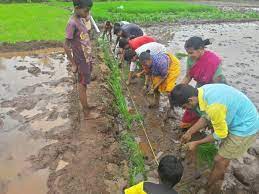
Introduction about B.Sc. Agriculture Lateral Entry
If you have a green thumb and a passion for working with plants, the field of agriculture might be the perfect fit for you. While pursuing a Bachelor of Science (B.Sc.) in Agriculture is an excellent way to delve into this field, there's another option you might not be aware of – B.Sc. Agriculture Lateral Entry.
What is B.Sc. Agriculture?
B.Sc. Agriculture is a four-year undergraduate program that provides comprehensive knowledge about agriculture and its various aspects. Students enrolled in this program learn about crop cultivation, soil management, pest control, and agricultural technology. It equips them with the skills required to contribute to the agricultural sector, which is the backbone of many economies.
The Concept of Lateral Entry
Lateral entry allows students with a diploma or degree in a related field to enter directly into the second or third year of the B.Sc. Agriculture program, skipping the first year. This option is designed for those who want to accelerate their journey into the world of agriculture.
Eligibility Criteria
To take advantage of the B.Sc. Agriculture Lateral Entry program, you need to meet certain criteria.
Educational Qualifications
Typically, you should have a diploma or a degree in a relevant field, such as Diploma in Agriculture, Horticulture, or Agricultural Engineering. The specific requirements may vary from one institution to another.
Age Limit
In most cases, you should be under a certain age limit, usually 28 years, to be eligible for lateral entry.
Entrance Exams
To secure admission, you will need to appear for an entrance exam.
ICAR AIEEA
The Indian Council of Agricultural Research All India Entrance Examination for Admission (ICAR AIEEA) is one of the prominent entrance exams for B.Sc. Agriculture lateral entry. It assesses your knowledge in subjects like Physics, Chemistry, and Biology.
State-Level Entrance Exams
Many states conduct their own entrance exams for lateral entry into B.Sc. Agriculture programs. These exams evaluate your proficiency in agriculture-related subjects.
Application Process
The application process for B.Sc. Agriculture Lateral Entry involves several steps.
Filling the Form
You need to fill out the application form for the desired institution and pay the application fee.
Document Verification
After submitting the application, you'll be required to provide necessary documents for verification, such as educational certificates and identity proof.
Colleges Offering B.Sc. Agriculture Lateral Entry
Several prestigious institutions in India offer lateral entry into B.Sc. Agriculture programs.
Top Institutes in India
Indian Agricultural Research Institute (IARI)
Punjab Agricultural University (PAU)
Tamil Nadu Agricultural University (TNAU)
Chaudhary Charan Singh Haryana Agricultural University (CCSHAU)
Course Structure
The B.Sc. Agriculture program's curriculum includes a wide range of subjects.
Subjects Covered
Students study subjects like Crop Science, Soil Science, Agricultural Engineering, Horticulture, and Animal Husbandry.
Practical Training
Hands-on experience through practical training and fieldwork is an integral part of the program. This allows students to apply their knowledge in real-world agricultural settings.
Career Opportunities
A degree in B.Sc. Agriculture opens up various career avenues.
Agricultural Officer
Graduates can work as agricultural officers, overseeing farming operations, and ensuring the implementation of best practices in agriculture.
Agribusiness Manager
Agribusiness managers are responsible for the commercial aspects of agriculture, including marketing, finance, and supply chain management.
Research Scientist
Some graduates choose to pursue research in agricultural science, contributing to innovative agricultural solutions.
Benefits of B.Sc. Agriculture Lateral Entry
Opting for lateral entry offers several advantages.
Saves Time
Lateral entry enables you to complete your degree in less time, making it a cost-effective option.
Specialization Options
You can choose specialized areas within agriculture that align with your interests and career goals.
Challenges and Considerations
While B.Sc. Agriculture Lateral Entry is a great option, it comes with its set of challenges.
Intensive Coursework
The program can be academically demanding, so be prepared for intensive coursework.
Field Work
Agriculture involves physical work in the field, which can be challenging, especially during adverse weather conditions.
Success Stories
Hearing from those who have successfully pursued B.Sc. Agriculture Lateral Entry can provide valuable insights.
Real-Life Experiences
We've compiled stories of individuals who entered the program through lateral entry, showcasing their journeys and accomplishments.
How can I apply for admission to B.SC. AGRICULTURE LATERAL ENTRY Program
To apply for admission to the B.Sc. Agriculture Lateral Entry program, you need to follow these steps:
Check Eligibility: Ensure you meet the eligibility criteria for lateral entry. Typically, you should have a diploma or a degree in a relevant field, such as Diploma in Agriculture, Horticulture, or Agricultural Engineering, and be under a certain age limit, usually 28 years.
Research Institutes: Explore the institutions that offer B.Sc. Agriculture Lateral Entry. You can consider prestigious institutes like the Indian Agricultural Research Institute (IARI), Punjab Agricultural University (PAU), Tamil Nadu Agricultural University (TNAU), or Chaudhary Charan Singh Haryana Agricultural University (CCSHAU).
Application Form: Obtain the application form from your chosen institution. This can often be done online through the institution's official website.
Fill Out the Form: Carefully fill out the application form with accurate information. Be sure to provide all the necessary details and attach required documents, including educational certificates and identity proof.
Application Fee: Pay the application fee as specified by the institution. The fee amount can vary from one college to another.
Submit Application: Once your application form is complete and the fee is paid, submit the application as per the instructions provided by the institution.
Entrance Exam: Prepare for the entrance exam required for admission. Commonly, the Indian Council of Agricultural Research All India Entrance Examination for Admission (ICAR AIEEA) is used for lateral entry. Study subjects like Physics, Chemistry, and Biology to excel in the exam.
Document Verification: After you pass the entrance exam and are selected for admission, you'll be required to provide all necessary documents for verification. Make sure to have your original documents ready.
Counseling Process: Some institutions conduct counseling sessions for selected candidates. Attend these sessions as they are essential for the final admission process.
Payment of Fees: Pay the admission fees as per the guidelines of the institution to confirm your seat.
Commence the Program: Once all these steps are completed, you can commence your B.Sc. Agriculture Lateral Entry program, typically in the second or third year, depending on your qualifications and the institution's policy.
What is the eligibility for B.SC. AGRICULTURE LATERAL ENTRY
The eligibility criteria for B.Sc. Agriculture Lateral Entry typically include the following requirements:
Educational Qualifications: To be eligible for lateral entry into the B.Sc. Agriculture program, you should have a diploma or a degree in a relevant field. Commonly accepted qualifications include:
Diploma in Agriculture
Diploma in Horticulture
Diploma in Agricultural Engineering
Bachelor's degree in related fields
The specific qualifications accepted may vary from one institution to another, so it's essential to check with the institution you are interested in for their specific requirements.
Age Limit: In most cases, there is an age limit for lateral entry candidates. Usually, candidates should be under a certain age limit, often around 28 years. However, the age limit can also vary between institutions, so it's important to verify the age requirement of the specific institution you are applying to.
It's important to note that these eligibility criteria can be subject to change and may vary between different colleges and universities offering B.Sc. Agriculture Lateral Entry programs. Therefore, it's highly recommended to check the specific
How long does it takes to complete a B.SC. AGRICULTURE LATERAL ENTRY program
The duration of a B.Sc. Agriculture Lateral Entry program typically varies depending on the institution and the specific curriculum they follow. However, in general, the B.Sc. Agriculture Lateral Entry program is designed to be shorter than the traditional B.Sc. Agriculture program.
A traditional B.Sc. Agriculture program is usually a four-year undergraduate degree. In contrast, the B.Sc. Agriculture Lateral Entry program allows you to skip the initial year or two, depending on your previous qualifications. Therefore, the duration of the lateral entry program is often shorter, typically ranging from 2 to 3 years. This shorter duration is one of the significant benefits of lateral entry, as it allows you to complete your degree more quickly and enter the field of agriculture sooner.
What are potential career opportunities after B.SC. AGRICULTURE LATERAL ENTRY
After completing a B.Sc. Agriculture Lateral Entry program, you open the door to a variety of exciting career opportunities in the field of agriculture and related sectors. Here are some potential career paths you can consider:
Agricultural Officer: As an agricultural officer, you will work in government agricultural departments or private organizations. Your responsibilities may include supervising farming operations, ensuring the implementation of best agricultural practices, and providing guidance to farmers.
Agribusiness Manager: Agribusiness managers focus on the commercial aspects of agriculture. They manage various facets of agribusiness, including marketing, finance, supply chain management, and product development.
Research Scientist: If you have a passion for research, you can work as a research scientist in agricultural research organizations or universities. Research scientists play a crucial role in developing innovative solutions to improve crop yield, pest control, and sustainable agricultural practices.
Crop Consultant: Crop consultants provide expert advice to farmers on crop management, soil health, and pest control. They help farmers maximize their agricultural productivity while minimizing environmental impact.
Seed Technologist: Seed technologists work with seed companies to develop, test, and produce high-quality seeds. They play a vital role in ensuring that farmers have access to top-notch seeds for planting.
Agricultural Extension Officer: Extension officers work directly with farmers, providing them with valuable information and knowledge about the latest agricultural practices, technologies, and government schemes. They act as a bridge between the agricultural community and research institutions.
Farm Manager: Farm managers oversee the day-to-day operations of farms. They are responsible for ensuring the efficient production of crops and managing farm resources.
Food Safety Inspector: Food safety inspectors ensure that agricultural products meet safety and quality standards. They work in various settings, including food processing units, government agencies, and private food companies.
Rural Development Officer: These officers work on rural development projects, which can include initiatives related to agriculture, infrastructure, and community development. They play a vital role in improving the quality of life in rural areas.
Entrepreneurship: With the knowledge gained from your B.Sc. Agriculture Lateral Entry program, you can choose to start your agricultural business, such as organic farming, horticulture, or agri-tourism.
Teaching and Education: You can pursue a career in academia and become a lecturer or professor in agricultural colleges and universities, sharing your knowledge with the next generation of agricultural professionals.
Agricultural Journalist: Combine your passion for agriculture and writing by working as an agricultural journalist. You can report on the latest trends, innovations, and issues in the agricultural industry.
Government Jobs: There are various government job opportunities in the agricultural sector, including positions in agricultural departments, research institutes, and government-funded projects.
International Agricultural Consultant: If you have an interest in global agriculture, you can work as a consultant on international agricultural projects and initiatives, helping countries improve their agricultural practices.
Supply Chain Management: You can explore roles in agricultural supply chain management, ensuring that agricultural products reach consumers efficiently and in good condition.
Syllabus of B.SC. AGRICULTURE LATERAL ENTRY
The syllabus of a B.Sc. Agriculture Lateral Entry program can vary from one institution to another, but it typically covers a range of subjects related to agriculture and its various aspects. Below is a general overview of the common subjects and topics that you might expect to encounter in a B.Sc. Agriculture Lateral Entry program:
Agronomy: This subject covers the principles and practices of crop production, including soil management, seed technology, and crop cultivation techniques.
Soil Science: You'll study soil properties, soil fertility, and nutrient management, which are crucial for successful agriculture.
Horticulture: Horticulture deals with the cultivation of fruits, vegetables, and ornamental plants. Topics include fruit production, vegetable cultivation, and landscape design.
Plant Pathology: This subject focuses on the study of plant diseases, their causes, and methods for disease control.
Entomology: Entomology is the study of insects and their impact on agriculture. You'll learn about pest management and insect control methods.
Agricultural Engineering: Agricultural engineering covers the use of technology and machinery in agriculture, including irrigation, farm equipment, and mechanization.
Genetics and Plant Breeding: This subject explores the principles of genetics and how they are applied to develop new plant varieties with desirable traits.
Crop Physiology: Crop physiology involves the study of how plants grow and develop. It's essential for understanding how to optimize crop production.
Agribusiness Management: You'll learn about the business side of agriculture, including marketing, finance, and supply chain management.
Agricultural Economics: Agricultural economics focuses on the economic aspects of agriculture, such as market analysis, pricing, and policy.
Agricultural Extension Education: This subject deals with the dissemination of agricultural knowledge and technologies to farmers and rural communities.
Animal Husbandry: Some programs include courses on animal husbandry, which covers livestock management, breeding, and health.
Environmental Science: You'll study the impact of agriculture on the environment and methods for sustainable and eco-friendly practices.
Research Methodology: Research methodology courses teach you how to conduct scientific research and experiments in agriculture.
Practical Training: Hands-on experience through practical training and fieldwork is an integral part of the program. This allows students to apply their knowledge in real-world agricultural settings.
Electives and Specializations: Depending on the institution, you may have the opportunity to choose electives and specializations in areas like organic farming, precision agriculture, or biotechnology.
Internship opportunities after completing B.SC. AGRICULTURE LATERAL ENTRY
After completing a B.Sc. Agriculture Lateral Entry program, you have excellent opportunities for internships that provide valuable hands-on experience and further enhance your knowledge and skills in the field of agriculture. Internships are an integral part of agricultural education, allowing you to apply what you've learned in a practical setting. Here are some internship opportunities you can explore:
Agricultural Research Institutions: Many research organizations and universities offer internships in their agricultural research departments. You can work on innovative projects, conduct experiments, and gain insight into cutting-edge agricultural practices.
Government Agricultural Departments: Government agencies related to agriculture often provide internship programs. These internships can involve working on agricultural development projects, assisting with policy implementation, and supporting farmers with best practices.
Agribusiness Companies: Agribusinesses, including seed companies, fertilizer manufacturers, and agricultural equipment companies, offer internships in various roles such as product development, marketing, and sales.
Agricultural Extension Services: You can intern with agricultural extension services that connect farmers with expert advice and the latest agricultural technologies. This allows you to work directly with farmers and gain practical field experience.
Farming and Agri-entrepreneurship: Consider interning on farms or with agricultural startups. This hands-on experience will expose you to the daily operations of farming and the challenges and rewards of entrepreneurship in agriculture.
Food Processing Units: Food processing companies that deal with agricultural products often provide internships in areas like quality control, processing technology, and product development.
Seed and Crop Improvement Centers: Organizations focused on developing new crop varieties and improving seed quality offer internships in crop breeding, seed technology, and crop management.
Livestock and Dairy Farms: If you have an interest in animal husbandry, intern at livestock and dairy farms. You'll gain experience in livestock management, breeding, and health care.
Environmental and Sustainability Organizations: Organizations focused on sustainable agriculture and environmental conservation offer internships in areas like organic farming, conservation practices, and sustainability initiatives.
Agricultural Consulting Firms: Consulting firms specializing in agriculture hire interns to assist with providing advice and solutions to farmers and agribusinesses.
Rural Development Projects: Internships with rural development projects, including those related to agricultural infrastructure, can be an excellent way to make a positive impact on rural communities.
International Agricultural Organizations: Some students may find internship opportunities with international organizations working on agricultural development and food security projects worldwide.
Scholarship and grants for B.SC. AGRICULTURE LATERAL ENTRY
Scholarships and grants for B.Sc. Agriculture Lateral Entry students can provide financial support to help cover the costs of tuition, books, living expenses, and other educational needs. Here are some avenues to explore for financial assistance:
Government Scholarships: Many governments offer scholarships for students pursuing agricultural education. These scholarships may be based on merit, need, or specific categories like Scheduled Castes and Scheduled Tribes. In India, for example, there are government scholarships like the National Talent Scholarship for meritorious students.
ICAR Scholarships: The Indian Council of Agricultural Research (ICAR) provides scholarships to students pursuing agricultural education. ICAR offers the All India Entrance Examination for Admission (AIEEA) scholarship to eligible students.
State Government Scholarships: State governments often have their own scholarship programs for agricultural students. These scholarships may vary from state to state, so check with your state's agricultural department for information on available scholarships.
University and College Scholarships: Many universities and colleges that offer B.Sc. Agriculture Lateral Entry programs have their own scholarship opportunities. These can be based on academic performance, leadership, or financial need. Contact the institution you plan to attend for details on their scholarship offerings.
Private Organizations and Foundations: Various private organizations and foundations provide scholarships for agricultural students. Examples include the National Agricultural Foundation Scholarship and the National FFA Organization Scholarship in the United States. Research agricultural organizations and foundations in your region for potential scholarship opportunities.
Company Scholarships: Agricultural companies, seed manufacturers, agribusinesses, and other industry players may offer scholarships to support students pursuing agriculture-related degrees. These scholarships often come with the condition that you work for the sponsoring company for a specified period after graduation.
Research Grants: If you are interested in agricultural research, you can explore research grants offered by government agencies, universities, and research organizations. These grants can provide financial support for research projects and studies.
Fellowships: Some fellowships are available for graduate-level agricultural studies, but they may also be accessible to undergraduate students pursuing lateral entry programs in agriculture. Fellowships often cover tuition and living expenses.
Nonprofit Organizations: Certain nonprofit organizations, like those focused on sustainable agriculture or agricultural development, offer scholarships and grants to students with a commitment to advancing specific agricultural causes.
Agricultural Cooperative Scholarships: Agricultural cooperatives and associations sometimes offer scholarships to students interested in pursuing careers related to cooperative business models in agriculture.
Conclusion
In conclusion, B.Sc. Agriculture Lateral Entry is an excellent pathway for individuals looking to jumpstart their agricultural careers. It offers a unique opportunity to skip the initial year of the program and dive right into the exciting world of agriculture. If you're passionate about agriculture and meet the eligibility criteria, this could be the perfect choice for you.
FAQ's
What is B.Sc. Agriculture Lateral Entry?
B.Sc. Agriculture Lateral Entry is a program that allows students with relevant diplomas or degrees to skip the initial years of a traditional B.Sc. Agriculture program and enter directly into the later years.
Who is eligible for B.Sc. Agriculture Lateral Entry?
Eligibility criteria typically include having a diploma or degree in a related field (e.g., Diploma in Agriculture, Horticulture, or Agricultural Engineering) and meeting an age limit, often around 28 years.
How long does the B.Sc. Agriculture Lateral Entry program take to complete?
The duration of the program varies but is typically shorter than the traditional B.Sc. Agriculture, ranging from 2 to 3 years, depending on the institution and the credits transferred.
What are the career opportunities after completing B.Sc. Agriculture Lateral Entry?
Graduates can pursue careers as agricultural officers, agribusiness managers, research scientists, crop consultants, and much more. The field offers diverse opportunities in agriculture and related sectors.
Are there scholarship options for B.Sc. Agriculture Lateral Entry students?
Yes, there are various scholarship opportunities available, including government scholarships, university scholarships, private organization scholarships, and more, based on merit and need.
Can I pursue higher studies after completing B.Sc. Agriculture Lateral Entry?
Yes, after completing B.Sc. Agriculture Lateral Entry, you can pursue postgraduate degrees like M.Sc. Agriculture or related fields for further specialization.
Are internships available for B.Sc. Agriculture Lateral Entry students?
Yes, students can explore internship opportunities in research institutions, government agricultural departments, agribusiness companies, and more to gain practical experience.
What is the difference between B.Sc. Agriculture and B.Sc. Agriculture Lateral Entry?
B.Sc. Agriculture is a traditional four-year undergraduate program, while B.Sc. Agriculture Lateral Entry is designed for students with prior qualifications to enter directly into the later years, shortening the program's duration.
Can I change my specialization during B.Sc. Agriculture Lateral Entry?
Depending on the institution, you may have the option to choose specializations within agriculture to align with your interests and career goals.
How do I apply for B.Sc. Agriculture Lateral Entry programs?
To apply, check the eligibility criteria of your chosen institution, obtain the application form, fill it out with the required documents, pay the application fee, and submit the application following the institution's instructions.
How Shiksha Hub helps you in
-
 Student Counsellors
 -
 Career Counseling
 -
 Research
 -
 24/7 Support
 -
 Scholarships
 -
 Community