Posted by Admin on 11-07-2023 in Shiksha hub
B.sc. Agro-chemical And Pest Control Admission, Registration, Eligibility, Duration, Fees, Syllabus 2024
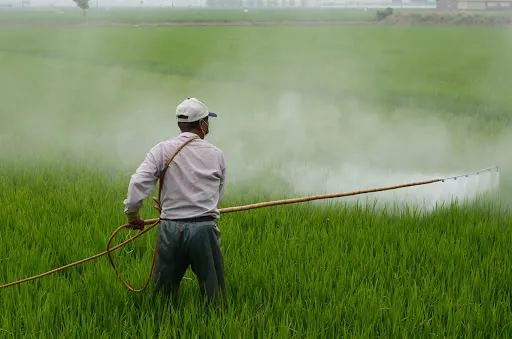
Introduction about B.SC. AGRO CHEMICAL AND PEST CONTROL
In today's fast-paced world, agriculture plays a pivotal role in ensuring food security and providing raw materials for various industries. One of the vital aspects of modern agriculture is agrochemical and pest control. This article explores the fascinating world of B.Sc. Agro Chemical and Pest Control, shedding light on the key concepts and importance of this field.
What is B.Sc. Agro Chemical and Pest Control?
B.Sc. Agro Chemical and Pest Control is an undergraduate program designed to impart knowledge and skills related to the management of pests, diseases, and the application of agrochemicals in agriculture. It equips students with the expertise required to ensure healthier crop yields and sustainable farming practices.
Importance of Pest Control in Agriculture
Pest control is essential in agriculture as it safeguards crops from various pests, which, if left unattended, can lead to substantial yield losses. This program emphasizes the significance of identifying, monitoring, and managing pests to maintain the health of crops.
The Role of Agrochemicals
Agrochemicals, including pesticides and fertilizers, are integral to modern agriculture. They enhance crop production, protect plants from diseases, and ensure food quality. Students in B.Sc. Agro Chemical and Pest Control learn how to use agrochemicals responsibly and sustainably.
Curriculum and Course Structure
Core Subjects
The program covers core subjects like Plant Pathology, Entomology, and Agrochemical Application Technology. These subjects form the foundation of knowledge in pest control and agrochemical management.
Practical Training
Hands-on training is an essential part of B.Sc. Agro Chemical and Pest Control. Students get the opportunity to work in laboratories and in the field, allowing them to apply their theoretical knowledge to real-life scenarios.
Career Opportunities
Agricultural Consultant
Graduates can work as agricultural consultants, providing guidance to farmers on pest management, agrochemical application, and sustainable farming practices.
Research Scientist
Research is crucial in advancing agricultural practices. B.Sc. Agro Chemical and Pest Control graduates can pursue careers in research, developing new pest control methods and improving agrochemicals.
Government Agricultural Officer
Many governments employ agrochemical and pest control experts to oversee and regulate the use of agrochemicals in agriculture and protect the environment.
Crop Protection Specialist
Crop protection specialists work directly with farmers, helping them choose the right agrochemicals and pest control strategies for their specific crops.
How can I apply for admission to B.SC. AGRO CHEMICAL AND PEST CONTROL Program
Applying for admission to the B.Sc. Agro Chemical and Pest Control program is a straightforward process. Here are the steps you need to follow:
Research Institutions: First, research and identify institutions or universities that offer the B.Sc. Agro Chemical and Pest Control program. Make sure to choose a reputable and accredited institution.
Check Admission Requirements: Visit the institution's official website or contact their admissions office to find out about the specific admission requirements for the program. These requirements may include educational qualifications, entrance exams, and application deadlines.
Prepare Required Documents: Gather all the necessary documents for your application. These typically include:
High school or equivalent transcripts
Standardized test scores (if required)
Letters of recommendation
Statement of purpose or personal essay
Proof of English language proficiency (if applicable)
Online Application: Most institutions provide an online application portal. Create an account on the institution's website and complete the online application form. Be sure to fill in all the required information accurately.
Pay Application Fee: Pay the application fee as required by the institution. The fee can vary from one institution to another.
Submit Documents: Upload or send all the required documents as part of your application. Make sure that your transcripts and other materials are in order and meet the institution's standards.
Statement of Purpose: Write a compelling statement of purpose that explains your interest in the B.Sc. Agro Chemical and Pest Control program. Highlight your background, career goals, and why you are a suitable candidate for the program.
Letters of Recommendation: Request letters of recommendation from teachers, professors, or professionals who can speak to your qualifications and potential for success in the program.
Entrance Exams: If the institution requires standardized test scores, such as SAT or ACT, make sure to register for and take these exams in advance. Submit your scores to the institution.
Application Deadline: Pay close attention to the application deadline, and submit your application well before the cutoff date to ensure it is considered.
Interview (if necessary): Some institutions may require an interview as part of the admission process. If so, be prepared to showcase your passion and knowledge about the field.
Wait for Admission Decision: After submitting your application, wait for the admission committee to review your materials. The institution will notify you of their decision within a specified timeframe.
Acceptance and Enrollment: If you are accepted into the program, follow the instructions provided by the institution for enrollment. This may include submitting a confirmation deposit and registering for classes.
What is the eligibility for B.SC. AGRO CHEMICAL AND PEST CONTROL
Eligibility criteria for B.Sc. Agro Chemical and Pest Control programs may vary depending on the university or institution offering the course. However, I can provide you with a general idea of the typical eligibility requirements that are commonly expected for this program:
Educational Qualifications:
Candidates must have completed their high school education or its equivalent. This usually includes a 12th-grade education in science or a related field.
Minimum Academic Scores:
Most institutions require a minimum percentage or grade in high school, typically ranging from 50% to 60% or equivalent, depending on the institution's standards.
Prerequisite Subjects:
Some universities may have specific subject prerequisites, such as biology or chemistry, at the high school level. It's important to have a strong foundation in science subjects.
English Language Proficiency:
If your primary language is not English and you are applying to an institution where English is not the medium of instruction, you may be required to demonstrate English language proficiency through standardized tests like IELTS, TOEFL, or an equivalent exam.
Entrance Exams:
Some institutions may conduct their own entrance exams. Applicants are required to take these exams and achieve a minimum score to be considered for admission.
Statement of Purpose (SOP) and Letters of Recommendation:
Many universities also require applicants to submit a well-crafted statement of purpose (SOP) that explains their motivation and goals for pursuing the B.Sc. Agro Chemical and Pest Control program. Letters of recommendation from teachers or professionals may also be part of the application process.
Interview (if necessary):
In some cases, institutions may conduct interviews to assess the applicant's suitability for the program.
How long does it takes to complete a B.SC. AGRO CHEMICAL AND PEST CONTROL program
The duration of a B.Sc. Agro Chemical and Pest Control program typically varies depending on the institution and the specific curriculum they offer. However, a general timeframe for completing a B.Sc. Agro Chemical and Pest Control program is as follows:
3 to 4 Years:
Most B.Sc. Agro Chemical and Pest Control programs are undergraduate programs that span a duration of three to four years. This is similar to the timeframe for many other Bachelor of Science programs in related fields such as agriculture, biology, or environmental science.
During this time, students will engage in a combination of classroom-based learning, laboratory work, field studies, and practical training to gain a comprehensive understanding of agrochemicals, pest control, and sustainable agricultural practices.
The program is typically divided into multiple semesters or academic years, and students are required to complete a specified number of credits and courses to earn their degree.
Please note that the specific duration may vary based on factors such as the institution's curriculum, credit requirements, and whether the program includes internships, co-op experiences, or other practical components that could extend the length of the program.
What are potential career opportunities after B.SC. AGRO CHEMICAL AND PEST CONTROL
After completing a B.Sc. Agro Chemical and Pest Control program, graduates have a wide range of career opportunities in the agricultural and environmental sectors. This program equips them with valuable knowledge and skills related to pest management, agrochemical application, and sustainable farming practices. Here are some potential career opportunities:
Agricultural Consultant:
Agricultural consultants provide expert advice to farmers and agricultural businesses on pest control, agrochemical use, and sustainable farming practices. They help optimize crop yields while minimizing environmental impact.
Research Scientist:
Research scientists in this field work in laboratories, research institutions, and agricultural companies. They conduct studies to develop new pest control methods, improve agrochemicals, and advance sustainable agricultural practices.
Government Agricultural Officer:
Many government agencies employ agrochemical and pest control experts to regulate and oversee the use of agrochemicals in agriculture. They play a critical role in ensuring that agricultural practices meet environmental and safety standards.
Crop Protection Specialist:
Crop protection specialists work directly with farmers and agricultural businesses to assess crop health, identify pests and diseases, and recommend appropriate pest management strategies. They also assist in selecting and applying agrochemicals.
Quality Assurance Inspector:
Quality assurance inspectors ensure that crops and agricultural products meet industry and safety standards. They may work for government agencies, food companies, or independent inspection firms.
Environmental Consultant:
Graduates can work as environmental consultants, focusing on the impact of agrochemicals and pest control practices on the environment. They assess environmental risks and develop strategies to minimize harm.
Sales and Marketing Representative:
Some graduates may work for agrochemical companies, promoting and selling pest control products, fertilizers, and other agricultural chemicals. They may also provide guidance on product usage.
Farm Manager:
With a strong background in agrochemicals and pest control, graduates can manage farms and agricultural operations. They are responsible for crop health, pest management, and overall farm productivity.
Teaching and Education: Some graduates choose to become educators, teaching agricultural science and agrochemical practices at schools, colleges, or universities.
Independent Agricultural Advisor:
Graduates may start their consulting firms, offering specialized expertise in pest control and agrochemical management to farmers and agricultural businesses.
Crop Consultant: Crop consultants focus on specific crops or agricultural regions, providing specialized advice on pest control and agrochemical use for those unique conditions.
Crop Protection Researcher: This role involves conducting research to develop innovative pest control techniques and more environmentally friendly agrochemicals.
Integrated Pest Management Specialist: These specialists work on sustainable pest control strategies, emphasizing reduced chemical usage and eco-friendly practices.
Syllabus of B.SC. AGRO CHEMICAL AND PEST CONTROL
The syllabus of a B.Sc. Agro Chemical and Pest Control program may vary from one institution to another, but here is a general overview of the typical subjects and topics that are commonly covered in this program:
Year 1:
Introduction to Agriculture:
Fundamentals of agriculture, historical perspectives, and its significance in the modern world.
Plant Anatomy and Physiology:
Study of the structure and functioning of plant cells, tissues, and organs.
Inorganic Chemistry:
Basic principles of inorganic chemistry with a focus on agrochemicals and their properties.
Introduction to Entomology:
Understanding the biology, classification, and behavior of insects that affect agriculture.
Soil Science:
Study of soil properties, types, and their relevance to crop growth.
Principles of Pest Management:
Introduction to pest management strategies, including biological, chemical, and integrated pest management (IPM).
Year 2:
Plant Pathology:
Study of plant diseases, their identification, and management.
Organic Chemistry:
In-depth knowledge of organic chemistry with a focus on organic agrochemicals.
Agricultural Microbiology:
The role of microorganisms in agriculture, including beneficial and pathogenic microbes.
Agrochemical Application Technology:
Techniques for the proper application of agrochemicals, including calibration, safety, and equipment operation.
Crop Protection Methods:
Comprehensive understanding of various methods for protecting crops, including physical and cultural practices.
Plant Nutrition:
The role of essential nutrients for plant growth and how to manage soil nutrition.
Year 3:
Environmental Science:
The impact of agriculture on the environment and strategies for sustainable farming.
Pesticides and Herbicides:
Detailed study of different types of pesticides and herbicides, their modes of action, and safe usage.
Integrated Pest Management (IPM):
Advanced principles of IPM, emphasizing sustainable and eco-friendly pest control.
Biotechnology in Agriculture:
The application of biotechnology in crop improvement and pest control.
Research Methods in Agriculture:
Techniques for conducting research in agriculture, including data collection and analysis.
Practical Training:
Hands-on experience in laboratories and the field to apply theoretical knowledge.
Year 4:
Agricultural Economics:
Understanding the economic aspects of agriculture, including cost-benefit analysis and market dynamics.
Dissertation/Thesis:
Independent research project on a specific aspect of agrochemicals or pest control.
Industrial Training:
Internship or industrial training to gain practical experience with agrochemical companies, government agencies, or research institutions.
Advanced Topics in Agro Chemicals:
In-depth study of advanced topics, such as nanotechnology in agrochemicals or emerging trends in pest control.
Seminar and Presentation:
Presenting research findings and topics related to agro chemical and pest control to peers and faculty.
Internship opportunities after completing B.SC. AGRO CHEMICAL AND PEST CONTROL
Completing a B.Sc. Agro Chemical and Pest Control program opens up several valuable internship opportunities that can provide students with practical experience and enhance their career prospects. These internships are typically available in a variety of settings, including government agencies, agricultural companies, research institutions, and consulting firms. Here are some examples of internship opportunities for graduates of this program:
Government Agricultural Agencies:
Many government departments and agencies responsible for agriculture offer internship programs. These internships may involve working on pest control and agrochemical management projects, conducting field inspections, and assisting in regulatory compliance.
Agricultural Research Institutions:
Research institutions and universities often provide internships in their laboratories and research facilities. Interns can engage in cutting-edge research on pest management, agrochemical development, and sustainable agricultural practices.
Agricultural and Agrochemical Companies:
Leading agrochemical and agricultural product companies offer internships in areas such as product development, quality control, sales, and marketing. Interns gain insights into the agrochemical industry and its practices.
Agricultural Consulting Firms:
Consulting firms specializing in agriculture and pest management may hire interns to assist with client projects. This provides exposure to real-world consulting and practical problem-solving.
Farm and Crop Management:
Some interns work directly on farms or with agricultural cooperatives. They participate in crop management, implement pest control strategies, and oversee the application of agrochemicals.
Integrated Pest Management (IPM) Programs:
Organizations and programs dedicated to promoting IPM practices often offer internships. These positions involve studying and implementing sustainable and environmentally friendly pest control methods.
Environmental and Sustainability Organizations:
Internships with environmental organizations focus on the impact of agrochemicals on the environment and explore ways to minimize their ecological footprint.
Quality Assurance and Food Safety:
Interns may work with quality control departments of food processing companies to ensure that products meet safety and quality standards.
International Agriculture and Development:
Some graduates may explore internships in international organizations or NGOs, focusing on global agricultural and pest control issues.
Educational Institutions: Universities and colleges may offer internships as teaching or research assistants, helping professors with courses or research projects.
Seed and Crop Improvement:
Internships in seed companies or crop improvement programs allow students to gain hands-on experience in developing pest-resistant crops.
Biopesticide and Biocontrol Companies:
Companies specializing in biopesticides and biological control agents may offer internships focusing on eco-friendly pest control methods.
Scholarship and grants for B.SC. AGRO CHEMICAL AND PEST CONTROL
Scholarships and grants can significantly alleviate the financial burden of pursuing a B.Sc. Agro Chemical and Pest Control program. These financial aid options are offered by various sources, including universities, government agencies, private organizations, and foundations. Here are some types of scholarships and grants that students pursuing this field may consider:
University Scholarships:
Many universities and colleges offer scholarships for students enrolled in B.Sc. Agro Chemical and Pest Control programs. These scholarships are typically based on academic merit, leadership, or specific criteria related to the field.
Departmental Scholarships:
Some institutions have scholarships designated for students in specific departments or fields of study, including agriculture and pest control.
Government Scholarships:
Government agencies may provide scholarships or grants for students pursuing degrees in agriculture and related fields. Check with your country's department of agriculture or education for available opportunities.
Private Organizations and Foundations:
Numerous private organizations and foundations provide scholarships to support students in agricultural programs. These may be based on financial need, merit, or specific career goals.
Agricultural Associations:
Agricultural associations and industry-specific organizations may offer scholarships to students studying agrochemicals and pest control. These scholarships can be particularly relevant to career goals.
Research Grants:
Students interested in agricultural research can explore research grants provided by government agencies, research institutions, and agricultural companies. These grants may support specific research projects and studies.
Ethnic or Minority Scholarships:
Some scholarships are specifically designed to support students from underrepresented or minority backgrounds pursuing degrees in agriculture, including agrochemical and pest control programs.
International Scholarships:
If you are an international student, you can explore scholarships offered by universities and organizations to support your education in agrochemical and pest control.
Agricultural Cooperative Scholarships:
Agricultural cooperatives may offer financial support to students interested in the agrochemical industry. These scholarships often come with internship or job opportunities.
Merit-Based Scholarships:
Scholarships based on academic excellence, leadership, or extracurricular achievements are widely available. Even if they are not specific to agriculture, they can be used to support your education.
Career-Specific Scholarships:
Some organizations within the agrochemical and pest control industry offer career-specific scholarships to support the development of future professionals.
Community and Local Scholarships:
Check with local community organizations, agricultural groups, and businesses in your area for scholarships that may be available to students pursuing degrees in this field.
Conclusion
B.Sc. Agro Chemical and Pest Control is a crucial program in the realm of agriculture. It equips students with the knowledge and skills necessary to combat pests, diseases, and manage agrochemicals effectively, ensuring food security and sustainable farming. Graduates of this program are well-prepared to make a significant impact in the agricultural sector.
FAQ's
What is B.Sc. Agro Chemical and Pest Control?
B.Sc. Agro Chemical and Pest Control is an undergraduate program that focuses on pest management, agrochemical application, and sustainable farming practices in agriculture.
What are the career prospects after completing this program?
Graduates can pursue careers as agricultural consultants, research scientists, government agricultural officers, crop protection specialists, and more.
How long does it take to complete a B.Sc. Agro Chemical and Pest Control program?
Typically, it takes three to four years to complete this undergraduate program.
What are the eligibility requirements for this program?
Eligibility criteria may include a high school diploma, minimum academic scores, and specific prerequisite subjects like biology or chemistry.
Are there scholarships available for B.Sc. Agro Chemical and Pest Control students?
Yes, various scholarships and grants are available from universities, government agencies, private organizations, and agricultural associations.
What topics are covered in the program's curriculum?
The curriculum includes subjects like plant pathology, entomology, inorganic and organic chemistry, soil science, agrochemical application technology, and integrated pest management (IPM).
What is integrated pest management (IPM)?
IPM is an approach to pest control that emphasizes sustainable and environmentally friendly methods to minimize the impact of pests on crops.
Are internships available for students in this field?
Yes, students can find internships with government agencies, research institutions, agricultural companies, and consulting firms to gain practical experience.
How does B.Sc. Agro Chemical and Pest Control contribute to sustainable agriculture?
This program equips students with the knowledge to apply agrochemicals responsibly, manage pests effectively, and promote sustainable farming practices, ensuring food security and environmental protection.
Where can I apply for admission to a B.Sc. Agro Chemical and Pest Control program?
You can apply for admission at universities or colleges that offer this program. Be sure to check their specific admission requirements and deadlines.
Can I pursue further education after completing B.Sc. Agro Chemical and Pest Control?
Yes, you can pursue master's and doctoral programs in related fields or specialize in a specific area of agriculture.
Is this program available for international students?
Yes, many universities offer this program to international students. Be sure to check the admission requirements and application process for international applicants.
What are the job prospects for graduates in the agrochemical industry?
Graduates can work in various roles in the agrochemical industry, including product development, quality control, and sales and marketing.
How can I prepare for a career in B.Sc. Agro Chemical and Pest Control?
Focus on building a strong foundation in biology, chemistry, and agriculture during your high school years. Research potential career paths and keep up to date with industry trends.
Is it possible to specialize in a specific aspect of agrochemicals or pest control?
Yes, you can specialize in areas like biopesticides, crop protection, or environmental impact assessment within the field.
How Shiksha Hub helps you in
-
 Student Counsellors
 -
 Career Counseling
 -
 Research
 -
 24/7 Support
 -
 Scholarships
 -
 Community