Posted by Admin on 11-07-2023 in Shiksha hub
B.Sc Animal Husbandry and DairyingAdmission, Registration, Eligibility, Duration, Fees, Syllabus 2024
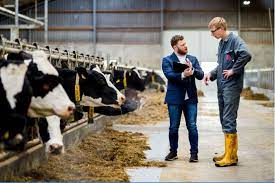
Introduction about B.SC. ANIMAL HUSBANDRY AND DAIRYING
A Bachelor of Science (B.Sc.) in Animal Husbandry and Dairying is an undergraduate academic program that focuses on the scientific and practical aspects of managing and breeding livestock, with a specific emphasis on both animal husbandry and dairy farming. This multidisciplinary program integrates various fields such as animal science, agriculture, biology, and business management to equip students with the knowledge and skills necessary for successful and sustainable animal farming practices.
The program typically covers a wide range of subjects, including animal nutrition, genetics, physiology, health management, reproduction, and farm management. Students also delve into the specifics of dairy production, learning about milk processing, technology, and the overall management of dairy farms. The curriculum is designed to provide a holistic understanding of the challenges and opportunities in the field of animal husbandry and dairy farming.
Throughout the course, students often engage in hands-on practical training, gaining experience in handling and caring for different livestock species. They may also learn about the application of modern technologies in animal farming, including advancements in breeding techniques, disease control, and farm automation.
The goal of the B.Sc. Animal Husbandry and Dairying program is to produce graduates who are well-versed in the scientific principles and practical skills needed for efficient and ethical animal farming. Graduates can pursue various career paths, including becoming livestock farmers, dairy farm managers, animal health professionals, agricultural extension officers, or researchers in the field of animal science and agriculture. Additionally, the program contributes to the development of the agriculture sector by preparing individuals who understand the importance of sustainable and responsible animal farming practices in the broader context of food production and global agricultural systems.
How can I apply for admission to B.SC. ANIMAL HUSBANDRY AND DAIRYING Program
To apply for admission to a B.Sc. Animal Husbandry and Dairying program, follow these general steps:
-
Research Programs and Universities: Start by researching universities or colleges that offer the B.Sc. Animal Husbandry and Dairying program. Look for institutions that are known for their agriculture or animal science departments.
-
Check Admission Requirements: Review the admission requirements for the specific program at each institution. Requirements may include academic qualifications, standardized test scores, and sometimes an entrance examination or interview.
-
Educational Qualifications: Ensure that you meet the academic qualifications required for admission. Typically, this involves having completed high school or its equivalent with a background in science subjects such as biology, chemistry, and mathematics.
-
Entrance Exams: Some universities may require you to take entrance exams specific to the field of agriculture or animal science. Be aware of any required exams and prepare accordingly.
-
Application Form: Obtain the application form from the university's official website or the admission office. Fill out the form carefully, providing accurate and complete information. Pay attention to deadlines for application submission.
-
Supporting Documents: Gather all necessary supporting documents, including academic transcripts, certificates, letters of recommendation, and any other documents specified by the university. Ensure that these documents are in the required format.
-
Application Fee: Pay the application fee, if applicable. This fee is often non-refundable and covers the administrative costs associated with processing your application.
-
Submit Application: Submit your completed application form along with all supporting documents and the application fee by the specified deadline. Some institutions may allow online submission, while others may require physical copies.
-
Admission Test/Interview: If there's an entrance exam or interview as part of the admission process, prepare for it thoroughly. This may involve studying relevant subjects or practicing for interviews.
-
Wait for Admission Decision: After submitting your application, wait for the university to review your materials. Admission decisions are usually communicated within a specified timeframe. Be sure to check your application status regularly.
-
Acceptance and Enrollment: If you receive an offer of admission, carefully follow the instructions for accepting the offer and enrolling in the program. This may involve paying an enrollment deposit and completing additional paperwork.
Remember to check the specific requirements and procedures of the university or college you are applying to, as they may vary. It's crucial to start the application process well in advance to ensure that you meet all deadlines and requirements.
What is the eligibility for B.SC. ANIMAL HUSBANDRY AND DAIRYING
The eligibility criteria for a B.Sc. Animal Husbandry and Dairying program may vary slightly among different universities and colleges. However, the following are common eligibility requirements:
-
Educational Qualifications:
- Candidates should have completed their higher secondary education (10+2) with a recognized board.
- The qualifying examination should have been in the science stream with subjects such as Biology, Chemistry, and Mathematics.
-
Minimum Percentage:
- Many institutions require candidates to have a minimum percentage in the qualifying examination, often ranging from 50% to 60% or as specified by the university.
-
Subject Requirements:
- A strong background in science subjects, particularly Biology and Chemistry, is often preferred. Some programs may also consider Mathematics as a relevant subject.
-
Entrance Exams:
- Some universities or states may conduct entrance exams for admission to B.Sc. Animal Husbandry and Dairying programs. Candidates may need to qualify in these exams to be eligible for admission.
-
Age Limit:
- There may be an age limit for candidates applying to the program. Some universities set an upper age limit for admission.
-
Medical Fitness:
- Candidates may be required to submit a medical fitness certificate to ensure that they are physically fit for practical aspects of the program, as it involves working with animals.
-
Nationality:
- Generally, Indian nationals are eligible for admission. Some universities may have specific provisions for foreign nationals or NRIs (Non-Resident Indians).
-
Reserved Categories:
- Reserved category candidates (such as SC/ST/OBC) may have specific relaxations in terms of educational qualifications and age limits as per government regulations.
It is essential for prospective students to check the specific eligibility criteria of the university or college to which they plan to apply, as these criteria can vary. Additionally, universities may update their admission requirements, so it's advisable to refer to the latest information provided by the respective institutions or their official websites.
How long does it takes to complete after B.SC. ANIMAL HUSBANDRY AND DAIRYINGT
The duration of a B.Sc. Animal Husbandry and Dairying program is typically three years in most universities and colleges. This undergraduate program is designed to provide students with a comprehensive understanding of animal husbandry and dairy farming, covering various aspects such as animal science, nutrition, genetics, health management, and farm management.
After successfully completing the three-year B.Sc. program, students are awarded their bachelor's degree in Animal Husbandry and Dairying. However, the educational journey doesn't necessarily end there. Many individuals choose to pursue further studies or gain practical experience in the field.
Here are some common paths that individuals may take after completing B.Sc. Animal Husbandry and Dairying:
-
Higher Education: Some graduates may choose to pursue postgraduate studies, such as M.Sc. (Master of Science) or specialized courses in areas like animal science, dairy technology, or agricultural management. Higher education can open up opportunities for research, teaching, and more advanced roles in the field.
-
Job Placement: Many graduates opt to enter the workforce directly after completing their B.Sc. degree. They may find employment in various sectors related to animal husbandry and dairy farming, working as livestock managers, dairy farm supervisors, animal health professionals, or agricultural extension officers.
-
Entrepreneurship: Some individuals with a B.Sc. in Animal Husbandry and Dairying may choose to start their own ventures, such as establishing dairy farms, poultry farms, or animal breeding businesses. Entrepreneurship in agriculture and animal husbandry allows for independent decision-making and business management.
-
Research and Development: Graduates interested in research and development may contribute to advancements in animal science, breeding techniques, and sustainable agricultural practices. This path often involves pursuing postgraduate studies or working in research institutions.
The specific career path and timeline after completing B.Sc. Animal Husbandry and Dairying can vary based on individual goals, preferences, and opportunities. Some may enter the workforce immediately, while others may choose to further specialize through advanced studies. Additionally, gaining practical experience through internships or on-the-job training can enhance career prospects for graduates in this field.
What are potential career opportunities after B.SC. ANIMAL HUSBANDRY AND DAIRYING
A B.Sc. in Animal Husbandry and Dairying opens up a range of career opportunities in the field of agriculture, animal science, and dairy farming. Here are potential career options for graduates with a B.Sc. in Animal Husbandry and Dairying:
-
Livestock Farm Manager:
- Manage and oversee day-to-day operations on livestock farms.
- Responsible for animal care, breeding programs, and overall farm management.
-
Dairy Farm Manager:
- Supervise dairy farm operations, including milk production, herd management, and facility maintenance.
- Implement strategies for improving milk yield and quality.
-
Animal Health Officer/Veterinary Assistant:
- Monitor and ensure the health and well-being of animals on farms.
- Provide veterinary care, vaccinations, and disease prevention measures.
-
Animal Breeder:
- Specialize in selective breeding to improve genetic traits in livestock.
- Work towards enhancing the overall quality and productivity of animal populations.
-
Agricultural Extension Officer:
- Collaborate with farmers to disseminate knowledge about modern farming techniques.
- Provide advice on animal husbandry practices, disease control, and sustainable farming.
-
Dairy Technology Specialist:
- Focus on the processing and technology aspects of dairy production.
- Work in dairy processing plants, ensuring quality control and production efficiency.
-
Poultry Farm Manager:
- Manage and oversee poultry farms, including chicken and egg production.
- Implement best practices for poultry health, nutrition, and housing.
-
Animal Nutritionist:
- Develop nutrition plans for livestock to ensure optimal health and productivity.
- Advise on feed formulations and dietary requirements for different animal species.
-
Research Assistant/Technician:
- Work in research institutions or laboratories to assist in scientific studies related to animal science, genetics, or agricultural practices.
-
Entrepreneurship:
- Start and manage one's own agricultural venture, such as a dairy farm, poultry farm, or animal breeding business.
-
Quality Control Officer:
- Monitor and ensure the quality of animal products, such as milk and meat, in processing plants.
- Implement and oversee quality control measures.
-
Government Agricultural Officer:
- Work for government agricultural departments, providing expertise in animal husbandry and dairy farming.
- Implement and monitor government policies related to agriculture.
-
Sales and Marketing Representative:
- Represent agricultural or animal health product companies, promoting and selling products to farmers.
- Provide information on new technologies and products.
-
Environmental Consultant:
- Advise on sustainable farming practices and environmental conservation in the context of animal husbandry.
These career options showcase the diverse opportunities available for graduates with a B.Sc. in Animal Husbandry and Dairying. The choice of a specific career path may depend on individual interests, specialization during the academic program, and further education or training undertaken after completing the degree.
Syllabus of B.SC. ANIMAL HUSBANDRY AND DAIRYING
The specific syllabus for a B.Sc. in Animal Husbandry and Dairying may vary among universities and colleges. However, I can provide a general outline of the subjects that are commonly covered in each semester. Please note that the distribution of subjects and the depth of coverage can vary, and students should refer to the specific curriculum of the institution they are enrolled in. Below is a broad overview:
Semester 1:
-
Introduction to Animal Husbandry and Dairying:
- Overview of the course, historical perspective, and current trends in animal husbandry and dairy farming.
-
Anatomy and Physiology of Livestock:
- Study of the structure and function of the body systems in various livestock species.
-
Basic Nutrition:
- Principles of nutrition, feed ingredients, and formulation of balanced diets for livestock.
-
Introduction to Agriculture and Agribusiness:
- Understanding the agricultural sector, farm management, and agribusiness principles.
-
Principles of Genetics and Breeding:
- Fundamentals of genetics and principles of breeding for improving traits in livestock.
Semester 2:
-
Livestock Production Management:
- Techniques and practices for managing livestock production systems.
-
Animal Health and Disease Management:
- Principles of disease prevention, vaccination, and health management in livestock.
-
Dairy Technology:
- Basics of milk processing, handling, and technology used in dairy farms.
-
Principles of Animal Behaviour:
- Understanding the behavior of different livestock species and its implications in management.
-
Agricultural Economics:
- Introduction to economic principles in agriculture, including cost analysis and market dynamics.
Semester 3:
-
Animal Reproduction and Breeding:
- Study of reproductive anatomy, physiology, and breeding techniques in livestock.
-
Livestock Farming Practices:
- Practical aspects of managing livestock farms, including housing, feeding, and hygiene.
-
Dairy Farm Management:
- Techniques for efficient dairy farm management, milk production, and quality control.
-
Animal Husbandry Extension Education:
- Strategies for extending knowledge and practices to farmers in the community.
-
Biochemistry and Microbiology:
- Basic concepts of biochemistry and microbiology relevant to animal science.
Semester 4:
-
Veterinary Parasitology:
- Study of internal and external parasites affecting livestock and their control.
-
Animal Welfare and Ethics:
- Principles of ethical treatment and welfare considerations in animal husbandry.
-
Applied Animal Biotechnology:
- Introduction to biotechnological applications in animal breeding and health.
-
Dairy Engineering:
- Basics of engineering applied to dairy farming, including equipment and facility design.
-
Agricultural Marketing and Management:
- Principles of marketing agricultural products and managing agricultural enterprises.
Semester 5:
-
Advanced Animal Nutrition:
- In-depth study of nutritional requirements for different stages of livestock production.
-
Disease Diagnosis and Management:
- Techniques for diagnosing and managing diseases in livestock.
-
Dairy Products Technology:
- Processing and technology involved in producing various dairy products.
-
Livestock Breeding and Genetic Improvement:
- Advanced concepts in animal breeding and genetic improvement.
-
Rural Sociology and Extension Education:
- Understanding social aspects of rural communities and effective extension education.
Semester 6:
-
Dairy Quality Assurance:
- Quality control measures in dairy production and processing.
-
Farm Business Management:
- Financial and business management principles applied to farming enterprises.
-
Livestock and Climate Change:
- Understanding the impact of climate change on animal husbandry practices.
-
Research Methodology and Statistical Techniques:
- Basics of research methods and statistical analysis in the context of animal science.
-
Internship/Project Work:
- Practical experience in a farm or research setting, applying the knowledge gained throughout the program.
Again, this is a generalized outline, and the specific subjects and their depth may vary based on the curriculum of the institution offering the B.Sc. Animal Husbandry and Dairying program. Students should refer to the official syllabus provided by their respective universities or colleges.
Internship opportunities after completing B.SC. ANIMAL HUSBANDRY AND DAIRYING
After completing a B.Sc. in Animal Husbandry and Dairying, individuals have various internship opportunities to gain practical experience and further enhance their skills in the field. Internships provide hands-on exposure to real-world scenarios, allowing graduates to apply their academic knowledge to practical situations. Here are some potential internship opportunities:
-
Dairy Farms:
- Internships on dairy farms allow individuals to gain practical experience in managing and overseeing daily operations, including milk production, herd management, and facility maintenance.
-
Livestock Farms:
- Interning on livestock farms provides exposure to the care and management of different livestock species. This includes feeding, breeding, and health management practices.
-
Research Institutions:
- Interning at research institutions focused on animal science or agriculture allows individuals to participate in ongoing research projects. This experience can be valuable for those interested in pursuing a career in research and development.
-
Veterinary Clinics or Hospitals:
- Internships at veterinary clinics or hospitals provide hands-on experience in animal health care, diagnostics, and treatment. This is especially beneficial for those interested in pursuing a career in animal health.
-
Dairy Processing Plants:
- Interning at dairy processing plants allows individuals to understand the processing and technology aspects of dairy production. This includes quality control measures and the various stages of milk processing.
-
Animal Nutrition Companies:
- Internships with companies specializing in animal nutrition provide insight into formulating balanced diets for livestock. This experience can be beneficial for those interested in animal nutrition and feed management.
-
Government Agricultural Departments:
- Some government agricultural departments offer internships where individuals can contribute to extension services, outreach programs, and the implementation of agricultural policies.
-
Agribusiness Companies:
- Interning with agribusiness companies provides exposure to the business side of agriculture, including marketing, sales, and farm management practices.
-
Animal Breeding Centers:
- Internships at animal breeding centers allow individuals to work on selective breeding programs and gain insights into genetic improvement in livestock.
-
Environmental and Conservation Organizations:
- Interning with organizations focused on environmental conservation in the context of animal husbandry provides exposure to sustainable farming practices.
-
NGOs and Nonprofit Organizations:
- Some non-governmental organizations (NGOs) and nonprofits focus on rural development and sustainable agriculture. Interning with such organizations allows individuals to contribute to community-based projects.
-
Poultry Farms:
- Interning on poultry farms provides hands-on experience in the management of chicken and egg production, including housing, nutrition, and disease control.
It's essential for individuals to actively seek out internship opportunities, either through university career services, online job portals, or by directly contacting relevant organizations. Internships not only enhance practical skills but also provide valuable networking opportunities that can be beneficial for future career prospects.
Scholorship and grants for B.SC. ANIMAL HUSBANDRY AND DAIRYING
Scholarships and grants for B.Sc. Animal Husbandry and Dairying students are often available to support their education and alleviate financial burdens. These opportunities may be provided by government agencies, private organizations, universities, and other institutions. Here are some potential sources of scholarships and grants:
-
Government Scholarships:
- Many governments offer scholarships to students pursuing degrees in agriculture, including animal husbandry and dairy farming. Check with the relevant government department or education ministry for information on available programs.
-
University Scholarships:
- Universities often have their own scholarship programs for students based on academic merit, financial need, or specific achievements. Check with the financial aid or scholarship office at the university where you plan to enroll.
-
Agricultural Organizations and Associations:
- Agricultural organizations and associations may offer scholarships to students pursuing degrees in animal husbandry and related fields. Examples include the National FFA Organization in the United States or similar organizations in other countries.
-
Dairy Industry Scholarships:
- Some scholarships are specifically provided by dairy industry associations or companies. These scholarships may target students interested in dairy farming, dairy technology, or related fields.
-
Research Grants:
- Students interested in research may explore opportunities for research grants. Research institutions, government agencies, and private foundations may provide grants to support research projects in animal science and agriculture.
-
International Scholarships:
- For students studying abroad, there are often international scholarships available. These can be provided by governments, universities, or international organizations.
-
Nonprofit Organizations and Foundations:
- Nonprofit organizations and foundations that focus on agriculture, rural development, or education may offer scholarships to students pursuing degrees in animal husbandry and dairy farming.
-
Corporate Sponsorships:
- Some corporations in the agricultural and dairy industry sponsor scholarship programs. These may be tied to specific career paths or academic achievements.
-
Community and Regional Scholarships:
- Local community organizations, agricultural societies, and regional foundations may offer scholarships to support students from specific geographic areas.
-
Merit-Based Scholarships:
- Some scholarships are awarded based on academic merit, regardless of the field of study. Check with scholarship programs that recognize outstanding academic achievements.
-
Minority and Diversity Scholarships:
- Scholarships may be available to students from underrepresented groups in agriculture. These can be provided by government agencies, private organizations, or educational institutions.
-
Need-Based Financial Aid:
- In addition to scholarships, students should explore need-based financial aid programs, which may include grants, loans, or work-study opportunities.
To find relevant scholarships and grants, it's advisable to check with the financial aid office at the chosen university, explore online scholarship databases, and inquire with agricultural organizations and industry associations. Application requirements and deadlines for scholarships can vary, so it's essential to plan ahead and submit applications on time.
FAQ:
-
What is B.Sc. Animal Husbandry and Dairying?
- A detailed explanation of the program, its objectives, and the subjects covered.
-
What are the career opportunities after completing B.Sc. Animal Husbandry and Dairying?
- Explore various career paths, from livestock and dairy farm management to research and entrepreneurship.
-
Are there scholarships available for B.Sc. Animal Husbandry and Dairying students?
- Information on potential scholarships and grants to support education in this field.
-
What is the duration of the B.Sc. Animal Husbandry and Dairying program?
- Details on the typical duration of the program and the structure of semesters.
-
Can I pursue further studies after completing B.Sc. Animal Husbandry and Dairying?
- Insights into postgraduate and specialization options for graduates.
-
Tell me about the internship opportunities after B.Sc. Animal Husbandry and Dairying.
- An overview of potential internships for gaining practical experience in the field.
-
What subjects are covered in each semester of B.Sc. Animal Husbandry and Dairying?
- A breakdown of the curriculum, semester-wise, to help understand the academic journey.
-
How do I apply for admission to a B.Sc. Animal Husbandry and Dairying program?
- Step-by-step guidance on the admission process, eligibility, and application requirements.
-
What are the eligibility criteria for B.Sc. Animal Husbandry and Dairying?
- Clear information on the academic qualifications and other requirements for admission.
-
Tell me about the potential research opportunities in B.Sc. Animal Husbandry and Dairying.
- Insights into how students can engage in research projects and contribute to advancements in the field.
Conclusion:
"Embark on an exciting journey into the world of animal husbandry and dairy farming with a B.Sc. in Animal Husbandry and Dairying. From understanding livestock management to delving into the intricacies of dairy technology, this program offers a comprehensive education. Explore diverse career opportunities, apply for scholarships, and discover the path to a rewarding and impactful career in agriculture."
How Shiksha Hub helps you in
-
 Student Counsellors
 -
 Career Counseling
 -
 Research
 -
 24/7 Support
 -
 Scholarships
 -
 Community