Posted by Admin on 29-03-2023 in Shiksha hub
B.Sc Applied Psychology Admission Registration, Eligibility, Duration, Fees, Syllabus 2024
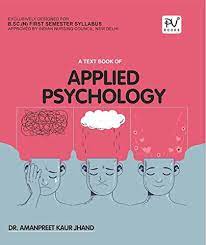
Introduction about B.SC. APPLIED PSYCHOLOGY
What is B.SC. Applied Psychology?
B.SC. Applied Psychology is an undergraduate program that delves into the practical application of psychological theories and principles in real-world scenarios. It equips students with the knowledge and skills necessary to understand, analyze, and address various psychological challenges encountered in different fields.
Importance of Applied Psychology in Today's World
In an ever-evolving society, the relevance of applied psychology cannot be overstated. It plays a crucial role in fields such as healthcare, education, business, and more. By applying psychological insights, professionals can enhance individual well-being and contribute to the betterment of society as a whole.
Curriculum Overview
Core Subjects
The curriculum of B.SC. Applied Psychology typically includes foundational courses in areas like:
General Psychology
Abnormal Psychology
Social Psychology
Developmental Psychology
Cognitive Psychology
Specializations
Students have the option to specialize in areas such as:
Clinical Psychology
Counseling Psychology
Industrial-Organizational Psychology
Health Psychology
Career Opportunities for B.SC. Applied Psychology Graduates
Clinical Psychologist
Clinical psychologists work in healthcare settings, providing assessments, diagnoses, and treatment plans for individuals dealing with mental health issues.
Counseling Psychologist
Counseling psychologists focus on helping individuals cope with life challenges, offering support and guidance in a therapeutic setting.
Industrial-Organizational Psychologist
Professionals in this field apply psychological principles to improve workplace dynamics, productivity, and employee well-being.
Skills Developed in B.SC. Applied Psychology Program
Apart from academic knowledge, students also develop crucial skills like:
Communication
Critical thinking
Research proficiency
Empathy and active listening
Internship and Practical Experience
Hands-on experience through internships allows students to apply their theoretical knowledge in real-world settings, enhancing their practical skills and preparing them for the workforce.
Research Opportunities in Applied Psychology
The field offers ample opportunities for research, enabling students to contribute to the ever-growing body of psychological knowledge.
Benefits of Pursuing B.SC. Applied Psychology
Diverse career options
Positive impact on individuals and communities
Continuous learning and personal growth
Challenges and Considerations
It's important to acknowledge that working in applied psychology can be emotionally demanding. Practitioners may encounter situations that require a high level of resilience and self-care.
Notable Universities Offering B.SC. Applied Psychology Programs
[University Name]
[University Name]
[University Name]
Success Stories: Profiles of Applied Psychology Graduates
[Graduate Name]
[Profile Summary]
[Graduate Name]
[Profile Summary]
Advice for Prospective Students
Stay curious and open-minded.
Seek out internships and practical experiences.
Join professional organizations for networking opportunities.
How can I apply for admission to B.SC. APPLIED PSYCHOLOGY Program
To apply for admission to the B.SC. Applied Psychology program, follow these steps:
Visit the University's Website: Go to the official website of the university where the program is offered.
Navigate to the Admissions Section: Look for the "Admissions" or "Apply Now" tab on the website. Click on it.
Select the Program: Browse through the list of available programs and select "B.SC. Applied Psychology."
Review Admission Requirements: Read through the admission criteria and ensure you meet all the necessary requirements, which may include academic qualifications, standardized test scores, and language proficiency.
Create an Account: If required, create an account on the university's admission portal. This will allow you to track your application progress.
Complete the Application Form: Fill out the application form with accurate and complete information. This may include personal details, educational history, and any additional documents required.
Upload Required Documents: Scan and upload all necessary documents, such as academic transcripts, letters of recommendation, and identification documents.
Write a Statement of Purpose (if required): Some universities may request a statement of purpose outlining your interest in the program and your career goals.
Pay the Application Fee: Process the application fee payment as specified by the university. Make sure to keep a record of the payment confirmation.
Submit the Application: Once you have completed all the required fields and uploaded the necessary documents, submit the application.
Monitor Your Application Status: Keep an eye on your application portal or email for updates on the status of your application.
Prepare for Interviews or Tests (if applicable): Some universities may require interviews or additional tests as part of the admission process. Be prepared for these if necessary.
Receive Admission Decision: Once the admissions committee reviews your application, you will receive an admission decision. This may take several weeks, so be patient.
Accept the Offer: If you are offered admission, follow the instructions provided to accept the offer and complete any additional steps, such as paying a deposit.
Complete Enrollment Process: This may include submitting final transcripts, attending orientation, and registering for classes.
Remember to double-check the specific application process and requirements of the university where you are applying, as they may vary. Good luck with your application!
What is the eligibility for B.SC. APPLIED PSYCHOLOGY
To be eligible for a B.SC. Applied Psychology program, candidates typically need to meet the following criteria:
Educational Qualifications:
Candidates should have completed their higher secondary education (10+2) or an equivalent qualification from a recognized board or institution.
Minimum Marks Requirement:
A minimum aggregate percentage in the qualifying examination is often required. This percentage may vary depending on the university or college.
Specific Subject Requirements:
Some institutions may have specific subject prerequisites, such as psychology or related subjects in the higher secondary level.
Language Proficiency:
Proficiency in the English language is usually required. Some universities may require candidates to provide English proficiency test scores like TOEFL or IELTS.
Entrance Examinations:
Certain universities may conduct their own entrance examinations for admission into the B.SC. Applied Psychology program. Candidates should check if this is a requirement.
Interviews or Personal Statements:
Some institutions may also conduct interviews or request a personal statement or statement of purpose as part of the admission process.
Age Limit:
There is typically no specific age limit for admission to a B.SC. Applied Psychology program. However, candidates should check with the specific university for any age-related policies.
Additional Requirements:
Some universities may have additional criteria, such as a portfolio of work (for specialized tracks like clinical psychology) or letters of recommendation.
Reserved Categories:
There may be relaxation in eligibility criteria for candidates belonging to reserved categories (e.g., SC/ST/OBC/PWD). This varies by institution and government policies.
It's important to note that eligibility criteria can vary from one university or college to another. Therefore, prospective applicants should carefully review the admission guidelines provided by the specific institution they are interested in.
For accurate and detailed information, candidates are advised to refer to the official website of the university or contact the admissions office directly.
How long does it takes to complete a B.SC. APPLIED PSYCHOLOGY program
A B.SC. Applied Psychology program typically takes three to four years to complete, depending on the specific curriculum and the country's educational system.
In most cases, the program is structured as a full-time undergraduate degree, with students attending classes, participating in practical exercises, and completing assignments over the course of several semesters. The duration may also be influenced by factors such as internships, research projects, and any additional specialization tracks within the program.
It's important to note that some universities may offer variations in program length, such as accelerated or extended options. Additionally, part-time or online study options may be available, which can affect the overall duration of the program.
Prospective students should review the specific program details provided by the university they are interested in to get accurate information on the duration of the B.SC. Applied Psychology program.
What are potential career opportunities after B.SC. APPLIED PSYCHOLOGY
After completing a B.SC. Applied Psychology program, graduates have a wide range of potential career opportunities in various sectors. Some of the potential career options include:
Clinical Psychologist:
Clinical psychologists diagnose and treat mental health disorders. They work in hospitals, clinics, and private practices, providing therapy and counseling to individuals and groups.
Counseling Psychologist:
Counseling psychologists help individuals deal with personal and emotional issues. They may work in schools, colleges, rehabilitation centers, or private practice.
School Psychologist:
School psychologists work in educational settings, providing support to students facing academic, emotional, or behavioral challenges. They may also assist with special education programs.
Industrial-Organizational Psychologist:
These psychologists apply psychological principles to improve workplace dynamics, employee motivation, and organizational effectiveness. They may work in HR departments or as consultants for businesses.
Health Psychologist:
Health psychologists focus on the relationship between psychological factors and physical health. They may work in hospitals, clinics, or public health organizations, promoting healthy behaviors and coping strategies.
Forensic Psychologist:
Forensic psychologists apply psychological knowledge to legal and criminal justice contexts. They may work in prisons, court systems, or as consultants for law enforcement agencies.
Rehabilitation Counselor:
Rehabilitation counselors help individuals with disabilities or injuries adapt to and navigate daily life. They may work in rehabilitation centers, hospitals, or government agencies.
Sports Psychologist:
Sports psychologists work with athletes and sports teams to enhance performance, manage stress, and improve mental well-being in sports-related settings.
Researcher/Academician:
Graduates may choose to pursue further education (such as a master's or Ph.D.) and engage in research or teaching in the field of psychology at universities or research institutions.
Human Resources Specialist:
With their understanding of human behavior, B.SC. Applied Psychology graduates are well-suited for roles in human resources, where they can assist in hiring, training, and employee development.
Mental Health Advocate or Counselor:
Graduates can work in non-profit organizations, community centers, or private practice, providing counseling and support to individuals facing mental health challenges.
Market Research Analyst:
Applying psychological insights, graduates can work in market research, analyzing consumer behavior and preferences to inform business strategies.
Wellness Coach:
Wellness coaches help individuals improve their overall well-being, offering guidance on areas like nutrition, exercise, stress management, and mental health.
Substance Abuse Counselor:
These professionals assist individuals struggling with addiction, providing support and strategies for recovery.
These are just some of the many potential career paths available to graduates with a B.SC. Applied Psychology degree. The versatility of this program allows individuals to apply their knowledge and skills in various settings, making it a valuable foundation for a rewarding career.
Syllabus of B.SC. APPLIED PSYCHOLOGY
The syllabus for B.SC. Applied Psychology may vary from one university to another. However, I can provide a general outline of the typical semester-wise curriculum for a B.SC. Applied Psychology program:
Semester 1:
Introduction to Psychology
Foundations of psychology, major theories, and key concepts.
Biological Bases of Behavior
Understanding the biological underpinnings of behavior, including the nervous system and brain functions.
Basic Psychological Processes
Perception, attention, memory, learning, and thinking processes.
English Communication Skills
Enhancing written and verbal communication skills.
Semester 2:
Developmental Psychology
Study of human development across the lifespan, including childhood, adolescence, adulthood, and aging.
Social Psychology
Understanding how social interactions, groups, and culture influence behavior.
Research Methods in Psychology
Introduction to research design, data collection, and statistical analysis.
Applied Statistics
Basic statistical methods used in psychological research.
Semester 3:
Abnormal Psychology
Study of psychological disorders, their classification, and treatment approaches.
Cognitive Psychology
Examining mental processes such as perception, attention, memory, and problem-solving.
Personality Theories
Theories of personality development and assessment.
Psychological Testing
Introduction to various psychological assessment tools and techniques.
Semester 4:
Health Psychology
Understanding the interaction between psychological factors and physical health.
Organizational Behavior
Psychological principles applied to workplace dynamics and employee behavior.
Clinical Psychology
Diagnosis, treatment, and intervention strategies for mental health disorders.
Elective Course (Specialization)
Depending on the university, students may choose a specialized area like counseling psychology, sports psychology, etc.
Semester 5:
Industrial and Organizational Psychology
Applying psychology to enhance organizational effectiveness and employee well-being.
Counseling Psychology
Techniques and approaches in counseling for various populations and issues.
Internship/Practical Experience
Hands-on experience in a relevant setting, applying theoretical knowledge in practice.
Semester 6:
Research Project/Dissertation
Conducting independent research in a chosen area of applied psychology.
Elective Courses (Advanced Specialization)
Advanced courses in the chosen specialization.
Ethics and Professional Practices in Psychology
Ethical considerations in psychological research and practice.
Please note that this is a generalized outline and the actual syllabus may vary based on the university and specific program. Students should refer to the official syllabus provided by the respective university for the most accurate and detailed information.
Internship opportunities after completing B.SC. APPLIED PSYCHOLOGY
After completing a B.SC. Applied Psychology program, graduates have various internship opportunities in diverse sectors. These internships provide valuable hands-on experience and a chance to apply theoretical knowledge in real-world settings. Here are some potential internship opportunities for B.SC. Applied Psychology graduates:
Clinical Settings:
Internships in hospitals, clinics, or mental health centers working alongside clinical psychologists and therapists. This involves assessments, therapy sessions, and observation of various mental health disorders.
Schools and Educational Institutions:
School psychologists work with students, teachers, and parents to address academic and behavioral issues. Interns may conduct assessments, develop intervention plans, and participate in special education programs.
Rehabilitation Centers:
Internships in rehabilitation facilities working with individuals recovering from physical or mental disabilities. This involves providing counseling and support for their adjustment and well-being.
Community Organizations:
Non-profit organizations and community centers often offer internships focused on mental health support, addiction recovery, and outreach programs.
Corporate Organizations:
Internships in human resources departments or Employee Assistance Programs (EAPs) where psychologists work on employee well-being, stress management, and conflict resolution.
Research Institutions:
Research internships involve assisting with psychological studies, data collection, analysis, and literature reviews. This can be in academic settings or private research organizations.
Counseling Centers:
Internships at counseling centers or private practices under the supervision of licensed counselors or psychologists. This involves providing counseling services to clients.
Correctional Facilities:
Forensic psychologists work in prisons and correctional facilities, conducting assessments, providing therapy, and offering rehabilitation programs for inmates.
Substance Abuse Treatment Centers:
Internships in facilities specializing in addiction treatment, involving group therapy sessions, individual counseling, and support for recovery.
Sports Organizations:
Sports psychologists may intern with sports teams or organizations, assisting athletes with performance enhancement, stress management, and mental well-being.
Geriatric Care Facilities:
Internships in settings that cater to the elderly population, providing support for mental health challenges associated with aging.
Public Health Organizations:
Internships in organizations focused on mental health awareness, advocacy, and community outreach.
Private Practice:
Some psychologists open their own private practices. Interns may have the opportunity to shadow and assist established psychologists in their practice.
It's important to actively seek out and apply for internships relevant to your interests and career goals. Additionally, networking, reaching out to professors or career advisors, and checking with your university's career services can help you identify and secure internship opportunities.
Scholorship and grants for B.SC. APPLIED PSYCHOLOGY
There are various scholarships and grants available for students pursuing a B.SC. Applied Psychology degree. These financial aid options can help alleviate the costs associated with education. Here are some potential sources of scholarships and grants for B.SC. Applied Psychology students:
University Scholarships: Many universities offer merit-based scholarships for outstanding students. These may be based on academic achievements, leadership qualities, or specific talents.
Departmental Scholarships: Some psychology departments within universities offer scholarships specifically for psychology majors. These may be based on academic performance or involvement in research.
Government Scholarships and Grants: Government agencies often provide scholarships or grants to students pursuing degrees in psychology. These may be available at the national, state, or local level.
Private Foundations and Organizations: Various private foundations, non-profit organizations, and associations related to psychology offer scholarships to support students in their academic pursuits.
Professional Associations: Organizations like the American Psychological Association (APA) may offer scholarships or grants to psychology students. These may be based on academic achievement, research interests, or involvement in the field.
Minority and Diversity Scholarships: There are scholarships specifically aimed at supporting minority students or those from underrepresented backgrounds in psychology.
Research Grants: Some universities and organizations offer research grants for undergraduate students interested in conducting research projects in psychology.
Community and Service-Based Scholarships: Local community organizations, churches, or service clubs may offer scholarships to students based on their involvement in community service.
Internship and Experiential Learning Scholarships: Some organizations that provide internships or experiential learning opportunities may also offer scholarships to support students in gaining practical experience.
Employer Tuition Assistance: Some employers offer tuition assistance or reimbursement programs for employees pursuing further education in a relevant field like psychology.
Essay or Creative Writing Scholarships: Some scholarships may require applicants to submit essays, creative writing pieces, or projects related to psychology for consideration.
Need-Based Financial Aid: In addition to scholarships, students may also be eligible for need-based financial aid programs, including grants, work-study programs, and low-interest loans.
Online Scholarship Search Engines: Various online platforms and databases specialize in aggregating scholarship opportunities based on different criteria, including field of study.
It's important for students to actively search for scholarships and grants, and to carefully review the eligibility criteria and application deadlines for each opportunity. Additionally, students should explore financial aid options specific to their country or region, as well as those offered by the universities they are considering.
Conclusion
B.SC. Applied Psychology is a dynamic program that empowers individuals to make a positive impact in various fields. By understanding human behavior and applying psychological principles, graduates have the opportunity to create meaningful change.
Frequently Asked Questions
Is a B.SC. Applied Psychology degree versatile in terms of career options?
Absolutely. Graduates can pursue careers in clinical settings, educational institutions, corporate organizations, and more.
What skills are essential for success in this field?
Strong communication, empathy, critical thinking, and research skills are crucial.
How can I gain practical experience while studying for B.SC. Applied Psychology?
Look for internships, volunteer opportunities, or part-time roles in relevant settings.
Are there opportunities for further specialization after completing the program?
Yes, many universities offer postgraduate studies in specialized areas of psychology.
What is the typical salary range for professionals with a B.SC. Applied Psychology degree?
Salaries can vary based on factors like location and specialization, but professionals in this field often enjoy competitive compensation.
How Shiksha Hub helps you in
-
 Student Counsellors
 -
 Career Counseling
 -
 Research
 -
 24/7 Support
 -
 Scholarships
 -
 Community