Posted by Admin on 10-07-2023 in Shiksha hub
B.Sc. Bakery Science & Technology Admission, Registration, Eligibility, Duration, Fees, Syllabus 2024
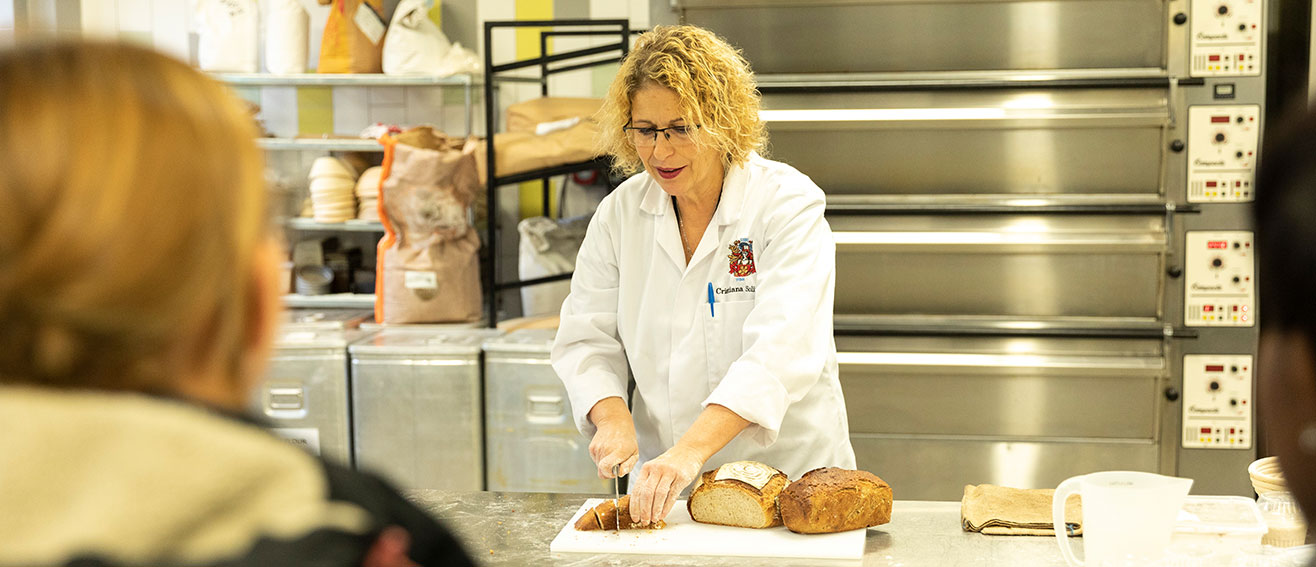
Introduction about B.SC BAKERY SCIENCE & TECHNOLOGY
A Bachelor of Science (B.Sc) in Bakery Science and Technology is an academic program that focuses on the science and technology behind the art of baking. This field of study combines elements of food science, engineering, and culinary arts to provide students with a comprehensive understanding of the processes involved in baking and the development of bakery products.
The program typically covers a wide range of topics, including the science of ingredients like flour, yeast, and various additives, as well as the technology and equipment used in baking operations. Students learn about dough and batter preparation, fermentation, mixing, shaping, proofing, baking, and post-baking processes. They also delve into the chemistry and microbiology of baking, which is essential for understanding the reactions that occur during the baking process.
Furthermore, B.Sc Bakery Science and Technology programs often include coursework on food safety and quality control, as ensuring the safety and consistency of bakery products is of utmost importance in the industry.
Graduates of this program are well-equipped to work in various sectors of the baking industry, such as commercial bakeries, research and development, quality assurance, and even starting their bakery businesses. They possess the knowledge and skills necessary to create and innovate with baked goods while maintaining the highest standards of product quality and safety. In a world with a growing demand for diverse and high-quality bakery products, a B.Sc in Bakery Science and Technology can open up exciting career opportunities in this specialized field.
How can I apply for admission to B.SC BAKERY SCIENCE & TECHNOLOGY Program
To apply for admission to a B.Sc Bakery Science and Technology program, you should follow these general steps. Keep in mind that specific requirements may vary by university or college, so it's essential to check with the institution of your choice for their particular application guidelines.
Research Programs: Start by researching universities or colleges that offer B.Sc Bakery Science and Technology programs. Look for institutions that align with your academic and career goals.
Check Admission Requirements: Review the admission requirements for the specific program and institution you're interested in. These requirements typically include academic qualifications, standardized test scores, and other relevant criteria. Common prerequisites may include a high school diploma or equivalent, satisfactory grades in relevant coursework (such as science and mathematics), and sometimes a language proficiency test (e.g., IELTS or TOEFL) if you are an international student.
Prepare Required Documents: Gather all necessary application documents, which may include:
Completed application form: Submit the institution's application form, which is usually available online.
Transcripts: Provide your high school transcripts or equivalent academic records. If you're transferring from another college, include transcripts from your previous institution.
Standardized Test Scores: Some universities may require standardized test scores, such as the SAT or ACT.
Letters of Recommendation: Obtain letters of recommendation from teachers, professors, or other individuals who can speak to your academic abilities and character.
Personal Statement: Write a personal statement or essay that explains your interest in Bakery Science and Technology and outlines your career goals.
Resume/CV: Prepare a detailed resume or curriculum vitae that highlights your relevant experiences and achievements.
Application Fee: Pay the application fee, if required.
Submit Your Application: Complete and submit your application by the institution's specified deadline. Ensure that all required documents are included.
Financial Aid and Scholarships: If you require financial aid or scholarships, research and apply for relevant opportunities, which may be offered by the institution, government, or private organizations.
Interview (if required): Some institutions may require an interview as part of the admission process. Be prepared to discuss your academic and career aspirations.
Wait for Admission Decision: Once you've submitted your application, wait for the admission committee to review your materials and make a decision. This may take several weeks, so be patient.
Acceptance and Enrollment: If you're accepted, you'll receive an acceptance letter. Follow the instructions to confirm your enrollment, pay any required deposits, and register for classes.
Visa (for International Students): If you're an international student, you'll need to apply for a student visa to study in the host country. Check with the university's international office for guidance on this process.
Orientation and Preparations: Attend any orientation sessions provided by the university to familiarize yourself with campus, programs, and resources. Make arrangements for housing, transportation, and other necessities.
What is the eligibility for B.SC BAKERY SCIENCE & TECHNOLOGY
The eligibility criteria for a B.Sc in Bakery Science and Technology program may vary from one institution to another. However, I can provide you with a general overview of the typical eligibility requirements that many universities or colleges may have for this program:
Educational Qualifications:
High School Diploma: Applicants are usually required to have successfully completed their high school education or an equivalent qualification. This may include completing the 12th grade in some educational systems.
Academic Requirements:
Minimum GPA: Most institutions will have a minimum grade point average (GPA) requirement for admission. The specific GPA requirement may vary, but competitive programs often require a strong academic record.
Prerequisite Courses:
Some programs may require applicants to have completed specific prerequisite courses, especially in subjects like mathematics and science. These courses are typically related to the bakery science and technology curriculum.
Language Proficiency (for international students):
If you are an international student and English is not your first language, you may be required to demonstrate English language proficiency. This can typically be done by providing scores from standardized tests like the TOEFL (Test of English as a Foreign Language) or IELTS (International English Language Testing System).
Standardized Test Scores:
While not always mandatory, some institutions may request standardized test scores such as the SAT (Scholastic Assessment Test) or ACT (American College Testing) as part of the application.
Letters of Recommendation:
Some universities may require one or more letters of recommendation from teachers, counselors, or other individuals who can speak to your academic abilities and character.
Personal Statement or Essay:
Many institutions will request a personal statement or essay where you can explain your interest in the program, your career goals, and why you want to pursue a degree in Bakery Science and Technology.
Interview:
In some cases, institutions may conduct interviews as part of the admission process to assess your suitability for the program.
How long does it takes to complete a B.SC BAKERY SCIENCE & TECHNOLOGY program
The duration to complete a B.Sc in Bakery Science and Technology program typically varies depending on the institution and the specific curriculum they offer. However, a standard B.Sc program in Bakery Science and Technology usually takes approximately 3 to 4 years to complete.
The program is typically divided into semesters or quarters, with each academic year consisting of two semesters. The specific length can be influenced by factors such as the number of credit hours required for the degree, any co-op or internship requirements, and whether you choose to take courses on a part-time or full-time basis.
In most cases, a full-time student pursuing a B.Sc in Bakery Science and Technology can expect to complete the program in 3 to 4 years by following a structured curriculum. Part-time students or those who take additional semesters off may take longer to finish the program.
It's essential to review the program's specific requirements and duration at the institution where you plan to enroll, as variations may exist. Additionally, some universities may offer accelerated or extended options for completing the degree, so it's worth exploring these possibilities as well.
What are potential career opportunities after B.SC BAKERY SCIENCE & TECHNOLOGY
A B.Sc in Bakery Science and Technology opens up a range of exciting career opportunities in the field of bakery and related industries. Here are some potential career paths that graduates can pursue:
Bakery Product Development Specialist: Graduates can work in research and development roles, creating new and innovative bakery products, improving existing recipes, and optimizing production processes for commercial bakeries.
Quality Assurance Manager: Ensuring the safety and quality of bakery products is crucial. Quality assurance managers oversee quality control, food safety standards, and compliance with regulations in bakery operations.
Production Manager: Production managers are responsible for overseeing the day-to-day operations of commercial bakeries, managing staff, production schedules, and ensuring efficient and consistent product output.
Food Technologist: Food technologists work on developing and improving food products, including bakery items. They may also be involved in quality testing, flavor enhancement, and ingredient sourcing.
Research Scientist: Graduates can engage in food science research, exploring topics related to bakery technology, ingredient functionality, and food microbiology. This can be in academic or industry research settings.
Consultant: Bakery science and technology experts can work as consultants, offering their knowledge and expertise to bakeries looking to enhance their product quality, processes, or solve specific challenges.
Entrepreneur: Graduates can start their bakery businesses, either as traditional brick-and-mortar bakeries or through online and specialty bakery ventures.
Marketing and Sales: Marketing and sales positions in bakery ingredient companies or equipment suppliers are also potential career options. Professionals in these roles promote bakery ingredients, machinery, and equipment to bakeries.
Food Safety Inspector: Some graduates may choose to work for regulatory agencies or food safety organizations, inspecting and ensuring compliance with food safety regulations in bakeries and food production facilities.
Educator: With further education, such as a master's or Ph.D. in a related field, graduates can pursue careers as educators, teaching bakery science and technology at academic institutions.
Nutrition Consultant: Graduates with a strong understanding of the nutritional aspects of bakery products can work as nutrition consultants, helping individuals or organizations make informed dietary choices.
Packaging Specialist: Specializing in bakery product packaging, graduates can work on designing and selecting packaging materials that preserve product freshness and appeal.
Supply Chain Manager: Supply chain professionals are responsible for coordinating the flow of ingredients and finished bakery products from suppliers to consumers. They ensure efficient logistics and inventory management.
Syllabus of B.SC BAKERY SCIENCE & TECHNOLOGY
The specific syllabus for a B.Sc in Bakery Science and Technology program can vary from one university or college to another. However, I can provide you with a general overview of the typical subjects and courses that are commonly included in such a program. Keep in mind that these courses may have different titles or variations depending on the institution, and the program may offer electives or specialization options. Here is a sample syllabus:
Year 1:
Introduction to Bakery Science
Principles of Food Science
Food Chemistry
Food Microbiology
Mathematics for Food Science
English Composition
Baking Ingredients and Their Functions
Nutrition and Health
Food Safety and Sanitation
Year 2:
Bakery Operations and Management
Food Engineering and Processing
Food Packaging and Preservation
Sensory Evaluation of Foods
Food Quality Assurance
Organic Chemistry
Bread and Rolls Production
Pastry and Confectionery Production
Elective: Business Management for Bakeries
Year 3:
Advanced Baking Techniques
Cereal Science and Technology
Product Development and Innovation
Food Biotechnology
Quality Control and Quality Assurance in Baking
Food Regulations and Compliance
Research Methods in Food Science
Internship/Co-op Experience in a Bakery
Year 4:
Food Product Marketing and Consumer Behavior
Advanced Bakery Science
Food Chemistry II
Food Processing Equipment and Technology
Advanced Food Microbiology
Food Ingredient Technology
Food Industry Sustainability
Bachelor's Thesis or Capstone Project
Internship opportunities after completing B.SC BAKERY SCIENCE & TECHNOLOGY
After completing a B.Sc in Bakery Science and Technology, graduates have various internship opportunities to gain practical experience and further their careers in the field. Internships offer valuable hands-on training and insights into the bakery industry. Here are some internship opportunities that graduates can explore:
Commercial Bakeries: Many commercial bakeries offer internships for recent graduates. These internships can involve working in various departments, such as production, quality control, or product development.
Research and Development: Bakeries and food companies often have R&D departments that focus on creating new bakery products. Interning in R&D allows graduates to participate in product innovation, testing, and recipe development.
Quality Assurance and Food Safety: Internships in quality assurance departments help graduates gain expertise in ensuring the safety and quality of bakery products. This can involve quality testing, compliance with food safety regulations, and auditing.
Food Ingredient Companies: Companies that supply ingredients to bakeries may offer internships related to ingredient sourcing, testing, and development. This experience can provide insight into the ingredients that go into bakery products.
Marketing and Sales: Internships in marketing and sales departments of bakery-related companies give graduates the opportunity to understand product promotion, sales strategies, and customer interactions.
Bakery Equipment Manufacturers: Companies that manufacture bakery equipment may provide internships in product testing, design, and technical support. This experience can be beneficial for those interested in the machinery side of the industry.
Small and Specialty Bakeries: Interning at small or specialty bakeries can be a great way to gain hands-on experience in a more intimate setting. Graduates may learn about artisanal baking, unique product offerings, and customer interactions.
Nutrition and Health Organizations: For graduates with an interest in the nutritional aspects of bakery products, internships with organizations focused on nutrition and health can be valuable. This may involve assessing the nutritional content of bakery items or developing healthier alternatives.
Consulting Firms: Consulting firms that specialize in the bakery and food industry often hire interns to work on projects related to process optimization, quality improvement, and compliance.
Government Agencies: Some graduates may find internship opportunities with government agencies responsible for food safety and regulation. These internships may involve food inspections and compliance assessments.
Nonprofit Organizations: Interning with nonprofit organizations that work on food-related initiatives, such as hunger relief or food education, can provide a unique perspective on the social aspects of the bakery industry.
Scholarship and grants for B.SC BAKERY SCIENCE & TECHNOLOGY
Scholarships and grants can be an excellent way to help finance your B.Sc in Bakery Science and Technology education. While the availability and specific scholarships may vary by institution, here are some potential sources of financial aid to consider:
University Scholarships: Many universities and colleges offer scholarships for incoming students based on academic merit, leadership, or other achievements. These scholarships can be specific to the field of Bakery Science and Technology or open to students in various majors.
Departmental Scholarships: Some academic departments within a university or college may offer scholarships for students pursuing specific majors, including Bakery Science and Technology. Check with the department to see if they have any financial aid opportunities.
Professional Associations: Look for scholarships offered by professional associations related to the bakery industry or food science. Organizations like the American Bakers Association (ABA) or the Institute of Food Technologists (IFT) may have scholarship programs for students pursuing degrees in this field.
Corporate Scholarships: Some bakery companies or food-related corporations may offer scholarships to support students pursuing careers in Bakery Science and Technology. These scholarships may come with the opportunity for internships or job placements.
Government Grants: Depending on your location and financial need, you may be eligible for government grants, which do not need to be repaid. Check with your government's education department for information on available grants.
Foundation and Nonprofit Scholarships: Various foundations and nonprofit organizations provide scholarships for students in food-related majors. These organizations may have specific criteria or focus areas, so research which ones align with your goals.
Specific Program Scholarships: Some universities may offer scholarships specifically for students in their Bakery Science and Technology program. Check with the program's administrators for details on available funding opportunities.
Merit-Based Scholarships: These scholarships are typically awarded based on academic achievements, standardized test scores, and other merit-related criteria. Some institutions have competitive scholarships for top-performing students.
Need-Based Scholarships: If you have financial need, some scholarships take your financial situation into account. The Free Application for Federal Student Aid (FAFSA) is often used to determine eligibility for need-based aid.
Diversity Scholarships: Scholarships may be available to students from underrepresented backgrounds or with unique circumstances. These scholarships aim to promote diversity and inclusion in the field.
Local Community Scholarships: Check with local organizations, businesses, and community foundations in your area for scholarships that may support students pursuing higher education.
To apply for scholarships and grants, you will typically need to submit applications, essays, letters of recommendation, and other supporting documents. Be sure to meet all application deadlines and thoroughly research each scholarship's specific requirements and eligibility criteria.
Conclusion
In conclusion, your B.Sc in Bakery Science & Technology has equipped you with the knowledge and skills to excel in the baking industry. Whether you plan to work in an established bakery, start your own business, or explore further studies, your education has laid a strong foundation for your future success. Embrace the opportunities that come your way, stay committed to your craft, and continue to grow in your chosen field. Best of luck in your bakery career!
FAQ's
What is Bakery Science & Technology?
Bakery Science & Technology is a field of study that focuses on the science, technology, and management aspects of baking. It covers topics such as ingredient functionality, baking processes, food safety, product development, and quality control in the bakery industry.
What are the career prospects after completing a B.Sc in Bakery Science & Technology?
Graduates can pursue careers in commercial bakeries, research and development, quality assurance, production management, food technology, and even start their own bakery businesses. There are opportunities in product development, food safety, and more.
How long does it take to complete a B.Sc in Bakery Science & Technology?
Typically, a B.Sc program in Bakery Science & Technology takes about 3 to 4 years to complete. The duration may vary depending on the institution and the specific curriculum.
What are the eligibility requirements for admission to a B.Sc Bakery Science & Technology program?
Eligibility requirements may vary by institution, but they generally include a high school diploma or equivalent, a minimum GPA, and sometimes standardized test scores. Prerequisite courses in science and mathematics may also be required.
Are there internships available in Bakery Science & Technology programs?
Yes, internships are common in Bakery Science & Technology programs. Graduates can gain practical experience by interning in commercial bakeries, research and development, quality assurance, and various other sectors of the industry.
What are the core subjects typically covered in a B.Sc Bakery Science & Technology program?
Core subjects may include bakery operations, food science, food chemistry, food microbiology, ingredient technology, quality control, food safety, and product development, among others.
Are there scholarships or grants available for students pursuing B.Sc Bakery Science & Technology?
Yes, scholarships and grants are available from various sources, including universities, professional associations, corporations, and nonprofit organizations. These financial aid opportunities can help support your education in this field.
Can I start my bakery business after completing this program?
Yes, with the knowledge and skills acquired in a B.Sc Bakery Science & Technology program, you can start and manage your bakery business. This program provides a strong foundation for entrepreneurship in the bakery industry.
What are the benefits of studying Bakery Science & Technology?
Studying Bakery Science & Technology equips you with the expertise needed to work in a growing and evolving industry. You can contribute to product innovation, food safety, quality control, and even pursue a career in entrepreneurship.
Where can I find more information about specific B.Sc Bakery Science & Technology programs and admission details?
You can find detailed information about specific programs, admission requirements, and application procedures on the official websites of universities and colleges offering this degree. It's also helpful to contact the respective admissions offices for guidance.
How Shiksha Hub helps you in
-
 Student Counsellors
 -
 Career Counseling
 -
 Research
 -
 24/7 Support
 -
 Scholarships
 -
 Community