Posted by Admin on 14-07-2023 in Shiksha hub
B.Sc. Garment Manufacturing, Introduction, Admission, Registration, Eligibility, Duration, Fees, Syllabus 2024
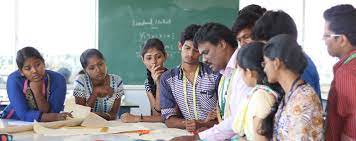
Introduction about B.Sc. Garment Manufacturing
In today's fast-paced fashion industry, the production of clothing and textiles requires a seamless blend of creativity, technology, and management. B.Sc. Garment Manufacturing is a degree program that delves into the intricacies of the textile and apparel sector, equipping students with the knowledge and skills necessary to excel in this dynamic field. In this article, we will explore the nuances of B.Sc. Garment Manufacturing, from its inception to the benefits it offers to students and the industry as a whole.
Understanding the Textile and Apparel Industry
The textile and apparel industry is a global giant that encompasses everything from the production of raw materials to the creation of finished garments. It plays a crucial role in the world economy, generating employment and revenue on an enormous scale. B.Sc. Garment Manufacturing is a program designed to provide students with an in-depth understanding of this industry.
The Evolution of the Garment Manufacturing Industry
Garment manufacturing has come a long way from traditional, labor-intensive methods to the highly mechanized and automated processes we see today. Understanding this evolution is crucial for any student aspiring to be part of this dynamic sector.
The Importance of Sustainable Practices
In today's world, sustainability is a buzzword in the fashion industry. Students pursuing a B.Sc. in Garment Manufacturing are exposed to sustainable practices that have become imperative in garment production. From eco-friendly materials to energy-efficient manufacturing, this program covers it all.
The Curriculum
A B.Sc. Garment Manufacturing program typically spans over three to four years and comprises a comprehensive curriculum. Here, we will explore the core subjects and skills that students acquire during their academic journey.
Core Subjects
Textile Science: Students gain insights into different types of fabrics, their properties, and how to select the right materials for specific garments.
Apparel Production Techniques: This subject covers various techniques used in garment manufacturing, from pattern making to sewing and finishing.
Fashion Design Principles: Understanding the basics of fashion design is essential for creating garments that are both stylish and functional.
Quality Control and Assurance: Ensuring that garments meet quality standards is paramount in the industry.
Supply Chain Management: Students learn how to manage the flow of materials and information in the production process.
Skill Development
Technical Skills: From operating sewing machines to using computer-aided design software, students gain practical skills that are highly valuable in the industry.
Problem-Solving Abilities: The program hones students' critical thinking skills, essential for troubleshooting in the fast-paced manufacturing environment.
Creativity: Encouraging students to think outside the box and come up with innovative solutions in garment manufacturing.
Career Opportunities
One of the significant advantages of pursuing a B.Sc. in Garment Manufacturing is the array of career opportunities it opens up. Graduates are well-equipped to explore various roles in the industry.
Career Paths
Apparel Designer: Graduates can work as designers, creating new and trendy clothing lines.
Production Manager: Managing the production process, ensuring efficiency, and maintaining quality standards.
Quality Control Analyst: Ensuring that garments meet quality standards before they reach the market.
Textile Technologist: Working with textiles and materials to develop new products and improve existing ones.
Supply Chain Manager: Overseeing the logistics and coordination of materials and products in the industry.
How can I apply for admission to B.Sc. Garment Manufacturing Program
To apply for admission to a B.Sc. Garment Manufacturing program, you'll need to follow a set of steps and meet certain requirements. Here's a guide on how to do it:
Research and Choose a University: Start by researching universities or colleges that offer B.Sc. Garment Manufacturing programs. Look for institutions that are accredited and have a strong reputation in the field.
Check Admission Requirements: Each university may have slightly different admission requirements. Typically, you'll need a high school diploma or an equivalent qualification. Some programs may have specific subject prerequisites or minimum GPA requirements, so make sure to review the admission criteria for the institution of your choice.
Prepare Required Documents: Gather all the necessary documents, which may include:
High school transcripts or equivalent certificates
Standardized test scores (e.g., SAT, ACT)
Letters of recommendation
Statement of purpose or personal statement
Resume or curriculum vitae (CV)
Passport-sized photographs
Proof of English language proficiency (if applicable)
English Language Proficiency: If English is not your first language, you might need to demonstrate your English language proficiency. This is usually done through standardized tests like TOEFL or IELTS. Check with the university for their specific language requirements.
Application Form: Most universities have an online application system. Fill out the application form, providing accurate and complete information. Pay attention to deadlines, as missing them can affect your chances of admission.
Application Fee: Be prepared to pay an application fee. The amount can vary between universities.
Submit Transcripts and Documents: Send your academic transcripts and all required documents to the university's admissions office. Make sure to follow the instructions regarding document submission carefully.
Letters of Recommendation: Request letters of recommendation from teachers, mentors, or employers. Ensure that these individuals can speak to your qualifications and suitability for the program.
Personal Statement: Write a compelling personal statement that explains why you want to study B.Sc. Garment Manufacturing, your career goals, and how the program aligns with your aspirations. Tailor it to each university if you're applying to multiple institutions.
Interview (if required): Some universities may require an interview as part of the admission process. Be prepared to discuss your motivations and goals.
Financial Planning: Consider your financial situation and explore scholarship and financial aid opportunities. Many universities offer scholarships based on academic performance or other criteria.
Track Your Application: Most universities provide an online portal where you can track the status of your application. Keep an eye on this to ensure you've submitted all required materials.
Acceptance and Visa: If you receive an acceptance letter, follow the university's instructions for confirming your enrollment. If you are an international student, apply for a student visa following the guidelines of the country you'll be studying in.
Prepare for Arrival: Once you're admitted and have your visa, make preparations for your arrival, including housing, travel, and orientation.
What is the eligibility for B.Sc. Garment Manufacturing
The eligibility criteria for a B.Sc. Garment Manufacturing program can vary from one university or college to another, but there are some common requirements that you'll typically find. Here is a general overview of the eligibility criteria for pursuing a B.Sc. in Garment Manufacturing:
Educational Qualifications:
You must have completed your high school education or its equivalent, such as the 12th grade or any relevant diploma.
It is important to have a strong foundation in subjects like mathematics, physics, chemistry, and English, as these subjects are often prerequisites for admission.
Minimum Grade Requirements:
Some institutions may have specific minimum grade requirements for admission. For example, they might require a certain GPA (Grade Point Average) in your high school or equivalent exams.
Subject Prerequisites:
In some cases, universities may require you to have studied specific subjects in high school, such as mathematics or science. These prerequisites can vary from one institution to another.
Language Proficiency:
If English is not your first language, you may need to demonstrate your proficiency in the English language. This is typically done by taking standardized English language tests like TOEFL (Test of English as a Foreign Language) or IELTS (International English Language Testing System). Institutions may have specific score requirements for these tests.
Entrance Exams (if applicable):
Some universities may require you to take standardized entrance exams, like the SAT (Scholastic Assessment Test) or ACT (American College Testing). Check with the university to see if these exams are necessary.
Statement of Purpose (SOP):
Many institutions will request a statement of purpose or a personal statement. This is an essay where you explain your motivations, goals, and why you want to pursue a B.Sc. in Garment Manufacturing at their institution.
Letters of Recommendation:
Some universities may ask for letters of recommendation from teachers, mentors, or employers who can speak to your qualifications and potential for success in the program.
Interview (if required):
In some cases, you may be asked to participate in an interview as part of the admission process. This interview helps the admissions committee get to know you better and assess your suitability for the program.
Other Requirements:
It's essential to check the specific admission requirements of the university or college you're interested in. Some institutions may have additional requirements or specific documents they need for your application.
How long does it takes to complete a B.Sc. Garment Manufacturing program
The duration to complete a B.Sc. Garment Manufacturing program typically spans three to four years, depending on various factors, including the university or college's specific curriculum and the country in which you are studying. Here's a breakdown of the typical duration:
Three-Year Program: In some institutions and countries, a B.Sc. Garment Manufacturing program can be completed in three years. These programs often have a more focused and structured curriculum, which may require students to take a higher course load per semester.
Four-Year Program: The most common duration for a B.Sc. Garment Manufacturing program is four years. This timeframe allows for a more balanced academic experience, with students taking a standard course load each semester. It also provides more opportunities for internships, research projects, and extracurricular activities.
The exact duration may also be influenced by factors such as the availability of co-op or internship programs, any breaks between semesters, and whether you choose to study part-time, which can extend the program's length.
What are potential career opportunities after B.Sc. Garment Manufacturing
After completing a B.Sc. in Garment Manufacturing, graduates have a wide range of potential career opportunities in the textile and apparel industry. Here are some of the most common and promising career paths:
Apparel Designer: As an apparel designer, you will create clothing lines and collections. This role involves conceptualizing and sketching designs, selecting fabrics, and ensuring that the final products are fashionable, functional, and marketable.
Production Manager: Production managers oversee the entire manufacturing process, ensuring that garments are produced efficiently and meet quality standards. They manage production schedules, budgets, and the coordination of various manufacturing stages.
Quality Control Analyst: Quality control analysts are responsible for ensuring that garments meet the quality standards set by the company. They inspect products for defects, perform tests, and implement quality control procedures.
Textile Technologist: Textile technologists work with textiles and materials to develop new products or improve existing ones. They may focus on creating innovative fabrics, textiles, or materials for various industries.
Supply Chain Manager: Supply chain managers are responsible for the end-to-end management of the supply chain in the apparel industry. This includes coordinating the procurement of materials, production processes, and distribution of finished products.
Pattern Maker: Pattern makers create the templates used for cutting fabric and assembling garments. They are skilled in translating design sketches into precise patterns that can be used in production.
Fashion Merchandiser: Fashion merchandisers work on the business side of the industry. They analyze market trends, manage inventory, and make decisions about product purchasing, pricing, and marketing to maximize sales.
Garment Technologist: Garment technologists bridge the gap between design and production. They ensure that garments are technically feasible and cost-effective to produce. They also collaborate with designers and manufacturers to resolve technical issues.
Product Development Manager: Product development managers oversee the entire process of bringing a new garment from concept to production. They work closely with designers and production teams to ensure the efficient development of new products.
Sustainability Specialist: Given the increasing emphasis on sustainability in the fashion industry, graduates may work as sustainability specialists, helping companies adopt eco-friendly and ethical practices in garment manufacturing.
Fashion Entrepreneur: Some graduates choose to start their fashion brands or businesses. With the knowledge and skills gained during their B.Sc. program, they can design, manufacture, and sell their clothing lines.
Research and Development (R&D) Specialist: R&D specialists focus on exploring and implementing innovative technologies and materials in garment manufacturing. They play a crucial role in keeping companies competitive and environmentally conscious.
Technical Designer: Technical designers are responsible for translating design concepts into technical specifications for manufacturing. They create detailed technical drawings and documents that guide the production process.
Fashion Buyer: Fashion buyers select and purchase clothing and accessories for retail stores. They are responsible for staying up-to-date with fashion trends and making decisions about which products to stock.
Consultant: Some graduates become consultants, offering their expertise to various companies in the fashion and garment manufacturing industry. They provide insights and solutions to improve processes, quality, and efficiency.
Syllabus of B.Sc. Garment Manufacturing
Certainly, here's a sample syllabus for a B.Sc. Garment Manufacturing program, organized semester-wise in table form. Please note that the actual syllabus can vary between universities, and this is a general representation.
Semester 1
|
Course Title |
Credits |
Description |
|
Principles of Textiles |
3 |
Introduction to textile fibers and materials. |
|
Fundamentals of Apparel Design |
3 |
Basic principles of fashion design. |
|
Introduction to Sewing Techniques |
2 |
Hands-on experience with sewing machines. |
|
English Composition |
3 |
Development of writing and communication skills. |
|
Mathematics for Garment Manufacturing |
3 |
Mathematical concepts relevant to the field. |
Semester 2
|
Course Title |
Credits |
Description |
|
Textile Science |
3 |
Study of textile properties and manufacturing. |
|
Pattern Making and Garment Construction |
3 |
Creating garment patterns and assembly. |
|
Computer-Aided Design (CAD) for Fashion |
2 |
Introduction to CAD software in fashion design. |
|
Basic Chemistry for Textiles |
2 |
Understanding chemical processes in textiles. |
|
Introduction to Marketing |
3 |
Basic marketing principles in the fashion industry. |
Semester 3
|
Course Title |
Credits |
Description |
|
Apparel Production Techniques |
3 |
Detailed study of production processes in garment manufacturing. |
|
Quality Control and Assurance |
2 |
Ensuring quality standards in production. |
|
Apparel Merchandising and Retailing |
3 |
Understanding the merchandising and retail aspects of the industry. |
|
Fashion Design Principles |
3 |
Advanced concepts in fashion design. |
|
Business Communication |
2 |
Developing communication skills for the business environment. |
Semester 4
|
Course Title |
Credits |
Description |
|
Garment Finishing Techniques |
2 |
Techniques for garment finishing and detailing. |
|
Textile Testing and Quality Analysis |
3 |
Methods of testing textile materials and products. |
|
Supply Chain Management |
3 |
Managing the flow of materials and products in the industry. |
|
Research Methods in Garment Manufacturing |
3 |
Introduction to research methods in the field. |
Semester 5
|
Course Title |
Credits |
Description |
|
Industrial Internship |
6 |
Practical experience in a garment manufacturing setting. |
|
Garment Production Planning |
3 |
Planning and scheduling production processes. |
|
Sustainability in Fashion |
3 |
The role of sustainability in the fashion industry. |
|
Elective Course |
3 |
Course in a specialized area (e.g., advanced CAD, fashion marketing). |
Semester 6
|
Course Title |
Credits |
Description |
|
Apparel Marketing Strategies |
3 |
Developing marketing strategies for clothing brands. |
|
Advanced Garment Technology |
3 |
Exploring advanced technology in garment manufacturing. |
|
Fashion Business Ethics |
2 |
Ethical considerations in the fashion industry. |
|
Final Project |
6 |
Completion of a comprehensive project in garment manufacturing. |
Internship opportunities after completing B.Sc. Garment Manufacturing
Completing a B.Sc. in Garment Manufacturing opens up several exciting internship opportunities in the fashion and textile industry. These internships provide hands-on experience and the chance to apply the knowledge and skills acquired during your academic journey. Here are some internship opportunities you can explore:
Garment Production Intern: Many clothing manufacturers and fashion brands offer internships in their production facilities. As a production intern, you'll gain insights into the day-to-day operations of garment manufacturing, from pattern making to quality control.
Apparel Design Intern: Work closely with experienced designers to learn the creative process of developing fashion collections. You'll have the opportunity to contribute to design projects, create sketches, and explore different design techniques.
Textile Testing Intern: Textile and quality control labs often offer internships for students interested in textile testing and quality analysis. This role involves testing and evaluating textile materials to ensure they meet industry standards.
Fashion Merchandising Intern: Fashion merchandising internships are ideal for those interested in the business side of the industry. You can work with merchandisers to understand inventory management, market research, and retail strategies.
Supply Chain Intern: Gain insight into supply chain management by interning with companies involved in logistics and distribution. This role involves coordinating the movement of materials and finished products within the industry.
Fashion Marketing and PR Intern: Fashion marketing and public relations internships focus on promoting fashion brands. You'll assist with marketing campaigns, social media management, and public relations activities.
Sustainability and Ethical Fashion Intern: As the fashion industry emphasizes sustainability, you can intern with organizations focused on sustainable and ethical fashion. Learn about eco-friendly practices, sustainable sourcing, and ethical production.
Pattern Making and CAD Intern: If you have skills in pattern making and computer-aided design (CAD), you can intern with fashion houses to work on creating patterns and using CAD software for design.
Fashion Retail Intern: Many fashion retailers offer internships where you can gain experience in retail operations, visual merchandising, and customer service. This is a great opportunity if you're interested in the retail side of the industry.
Fashion Entrepreneurship Intern: If you plan to start your fashion brand, consider interning with fashion entrepreneurs. This experience can provide insights into the challenges and opportunities of launching a fashion business.
Textile and Material Development Intern: Work with companies that focus on textile innovation and material development. You can participate in research and development projects to create new, sustainable, and advanced textiles.
Garment Technology and Production Planning Intern: Internships in garment technology and production planning allow you to get involved in optimizing manufacturing processes and production planning strategies.
Research and Development (R&D) Intern: R&D interns work on innovative projects, often related to improving production efficiency, sustainability, and technology implementation in garment manufacturing.
Scholorship and grants for B.Sc. Garment Manufacturing
Scholarships and grants can help ease the financial burden of pursuing a B.Sc. in Garment Manufacturing. Many institutions, organizations, and foundations offer financial assistance to students based on various criteria, including academic achievement, financial need, and specific career goals. Here are some sources of scholarships and grants you can explore:
University Scholarships: Most universities offer scholarships and grants to incoming and current students. These can be based on academic merit, leadership qualities, or other achievements. Check with your university's financial aid office for available opportunities.
Departmental Scholarships: Some universities have department-specific scholarships for students majoring in Garment Manufacturing or related fields. These awards can be based on academic excellence, commitment to the field, or specific projects.
Industry Associations: Fashion and textile industry associations may provide scholarships to students pursuing degrees in garment manufacturing. Examples include the American Apparel and Footwear Association (AAFA) and the Fashion Scholarship Fund.
Local Organizations: Explore scholarships offered by local businesses, foundations, or community organizations. These awards may be specific to your geographic area and can vary widely in criteria and amounts.
Merit-Based Scholarships: Many private organizations and foundations offer scholarships based on academic achievement, leadership, and extracurricular involvement. Examples include the Gates Millennium Scholars Program and the Coca-Cola Scholars Program.
Need-Based Scholarships: If you have financial need, you may be eligible for scholarships or grants that are specifically designed to support students with limited financial resources. The Federal Pell Grant is an example of a need-based grant.
Minority Scholarships: Scholarships aimed at underrepresented minority groups in the fashion and textile industry are available. These can include scholarships for students from diverse backgrounds.
Company Scholarships: Some fashion companies and textile manufacturers offer scholarships or internships that may come with financial assistance. These programs often lead to job opportunities within the company.
Study Abroad Scholarships: If you plan to study garment manufacturing in a different country, explore scholarships offered to international students. These scholarships can help with tuition and living expenses.
Specific Career Path Scholarships: Some organizations offer scholarships for students pursuing specific career paths within the fashion industry, such as sustainable fashion or fashion marketing.
Online Scholarship Search Engines: Utilize online scholarship search engines like Fastweb, Scholarships.com, and Cappex to discover a wide range of scholarships that match your qualifications and interests.
Government Scholarships and Grants: In some countries, the government provides financial aid to students pursuing higher education. These can include grants, scholarships, and loans. Check with your country's education department for available programs.
Corporate Sponsorships: Large fashion and textile corporations may offer sponsorships or scholarships to students interested in working in the industry.
Conclusion
In conclusion, B.Sc. Garment Manufacturing is a program that equips students with a wide range of knowledge and skills necessary for a successful career in the textile and apparel industry. With a curriculum that covers the evolution of the industry, sustainable practices, and a diverse set of subjects and skills, graduates are well-prepared for the dynamic world of fashion.
FAQ B.Sc. Garment Manufacturing
What is B.Sc. Garment Manufacturing?
B.Sc. Garment Manufacturing is an undergraduate degree program that focuses on the production and management of clothing and textiles. It covers a wide range of topics, from textile science to production techniques and quality control.
What are the eligibility requirements for a B.Sc. Garment Manufacturing program?
Eligibility criteria may vary, but typically, you need a high school diploma or its equivalent. Specific requirements may include subject prerequisites and minimum GPA criteria.
What is the duration of a B.Sc. Garment Manufacturing program?
The program typically lasts three to four years, depending on the university and the country in which you are studying.
What career opportunities are available after completing a B.Sc. in Garment Manufacturing?
Graduates can pursue careers in various roles, including apparel design, production management, quality control, textile technology, supply chain management, and more. They can work in fashion brands, manufacturing companies, or even start their own fashion ventures.
Are internships part of the program?
Many B.Sc. Garment Manufacturing programs offer internships or industrial training opportunities, allowing students to gain practical experience in the field.
How can I apply for admission to a B.Sc. Garment Manufacturing program?
To apply, you typically need to research universities offering the program, meet the admission requirements, fill out an application form, and submit required documents, including transcripts, test scores, and a personal statement.
Are there scholarships and grants available for B.Sc. Garment Manufacturing students?
Yes, there are numerous scholarships and grants offered by universities, organizations, and industry associations to support students pursuing B.Sc. Garment Manufacturing. These can be merit-based, need-based, or career-specific.
What is the importance of sustainability in garment manufacturing?
Sustainability has become a critical aspect of the fashion industry. B.Sc. Garment Manufacturing programs often include courses on sustainability to address environmental and ethical concerns in clothing production.
Can I pursue further studies after completing a B.Sc. in Garment Manufacturing?
Yes, many graduates choose to pursue master's degrees or specialized courses in fashion, textile technology, or related fields to further enhance their knowledge and career prospects.
What skills will I acquire during the program?
Graduates develop skills in areas such as garment design, production techniques, quality control, textile science, and supply chain management. These skills prepare them for a range of roles in the industry.
How Shiksha Hub helps you in
-
 Student Counsellors
 -
 Career Counseling
 -
 Research
 -
 24/7 Support
 -
 Scholarships
 -
 Community