Posted by Admin on 10-07-2023 in Shiksha hub
B.sc. (Hons) Food Nutrition and Dietetics Admission, Registration, Eligibility, Duration, Fees, Syllabus 2024
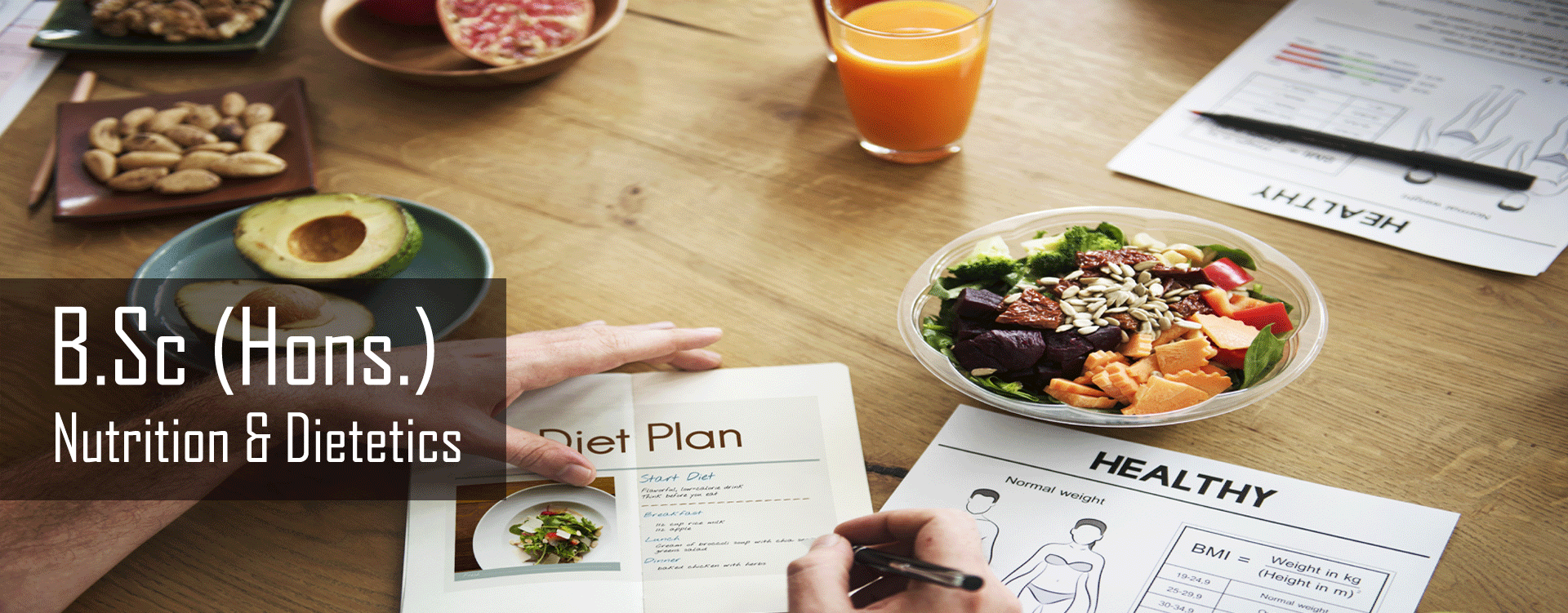
Introduction about B.Sc. (Hons.) Food Nutrition & Dietetics
In today's fast-paced world, the importance of maintaining a healthy diet cannot be overstated. The food we consume directly impacts our well-being, making nutrition an essential part of our lives. This article delves into the intriguing world of B.Sc. (Hons.) Food Nutrition & Dietetics, exploring its significance, career prospects, and the comprehensive knowledge it offers to aspiring students.
Importance of a Healthy Diet
A healthy diet is the foundation of a long and prosperous life. Students pursuing B.Sc. (Hons.) Food Nutrition & Dietetics understand that food is not just a source of energy; it is medicine. They delve deep into the science of nutrition and its vital role in maintaining good health. The program equips students with the knowledge to guide individuals and communities in making better food choices.
The Role of Nutritionists
Nutritionists play a crucial role in society. They are the experts who design personalized diets and nutritional plans to address various health concerns, from weight management to managing chronic diseases. B.Sc. (Hons.) Food Nutrition & Dietetics grooms students to become proficient nutritionists who can make a real difference in people's lives.
Career Opportunities with a B.Sc. in Food Nutrition & Dietetics
The program opens the door to a multitude of career opportunities. Graduates can find employment in hospitals, fitness centers, schools, and even the food industry. They can work as clinical dietitians, sports nutritionists, or community nutritionists. The field's versatility ensures job security and a rewarding career.
Course Curriculum
The curriculum of a B.Sc. (Hons.) Food Nutrition & Dietetics program is designed to provide students with a deep understanding of human nutrition, biochemistry, and food science. Courses include subjects like Nutritional Physiology, Food Microbiology, and Dietetics.
Skills Developed during the Program
Students acquire various skills during their studies, including research, communication, and critical thinking. These skills are invaluable in the field of nutrition and dietetics.
Internships and Practical Experience
Practical experience is an integral part of the program. Students work in real-world settings, which prepares them for the challenges of their future careers. They gain hands-on experience in conducting assessments, creating diet plans, and interacting with patients.
Accreditation and Recognitions
When choosing an educational institution, it's essential to consider accreditation. B.Sc. (Hons.) Food Nutrition & Dietetics programs are often recognized by professional bodies, ensuring that graduates meet industry standards.
Eligibility and Admission Process
Admission requirements may vary, but a common prerequisite is a background in science, particularly in biology and chemistry. Institutions may also require students to pass an entrance examination or meet specific academic criteria.
Duration of the Program
Typically, a B.Sc. (Hons.) Food Nutrition & Dietetics program spans three to four years, depending on the institution and country.
Scope of the Field
The field of food nutrition and dietetics is constantly evolving. With the increasing awareness of the importance of nutrition in health, there is a growing demand for experts in this field. Graduates are well-positioned to contribute to society and help individuals lead healthier lives.
Advancements in Nutrition Science
Nutrition science is a dynamic field with continuous advancements. Students are exposed to the latest research, ensuring that their knowledge is up-to-date.
How can I apply for admission to B.SC. (HONS.) FOOD NUTRICIAN & DIETETICS Program
To apply for admission to a B.Sc. (Hons.) Food Nutrition & Dietetics program, you can follow these general steps:
Research and Choose a College or University: Start by researching colleges or universities that offer B.Sc. (Hons.) Food Nutrition & Dietetics programs. Look for institutions that are accredited and have a good reputation in the field.
Check Eligibility Requirements: Review the admission requirements for the program at your chosen institution. Typically, you will need a background in science, including biology and chemistry. Some programs may have specific academic criteria or require you to pass an entrance examination.
Prepare Your Academic Documents: Gather your academic transcripts, certificates, and any other relevant documents that demonstrate your educational background. Make sure these documents are in order and up to date.
Complete the Application Form: Visit the college or university's website and find the admission application form. Fill out the form accurately, providing all the required information. Pay close attention to deadlines, as missing them can affect your chances of admission.
Write a Statement of Purpose: Many institutions will require you to write a statement of purpose (SOP). In your SOP, explain why you want to pursue a B.Sc. (Hons.) Food Nutrition & Dietetics and how it aligns with your career goals. Be sure to highlight your passion for the field.
Letters of Recommendation: Some programs may require letters of recommendation from teachers, professors, or professionals who can vouch for your academic capabilities and character. Make sure to request these well in advance.
Entrance Examination: If the program requires an entrance examination, prepare for it thoroughly. Study relevant subjects to ensure you perform well on the test.
Application Fee: Pay the required application fee. Ensure that you follow the payment instructions provided by the institution.
Submit Your Application: Review your application to ensure it's complete and accurate. Once you are satisfied, submit it through the designated application portal.
Attend an Interview (if required): Some institutions may conduct interviews as part of the admission process. If you are invited for an interview, be prepared to discuss your motivation, goals, and interest in the program.
Await Admission Decision: After submitting your application, wait for the admission committee to review your materials. The institution will notify you of their decision, which may include an offer of admission, a waitlist status, or a rejection.
Acceptance and Enrollment: If you receive an offer of admission, carefully read the acceptance letter and follow the instructions for enrollment. This may involve paying a deposit, registering for classes, and meeting other enrollment requirements.
What is the eligibility for B.SC. (HONS.) FOOD NUTRICIAN & DIETETICS
The eligibility criteria for B.Sc. (Hons.) Food Nutrition & Dietetics programs can vary depending on the institution offering the course. However, here are some common eligibility requirements that you might encounter:
Educational Background: Applicants are typically required to have completed their 10+2 education (or equivalent) with a science background. This includes a strong foundation in subjects like Biology, Chemistry, and Physics.
Minimum Qualifying Marks: Many institutions specify a minimum percentage or grade that applicants must have achieved in their 10+2 examinations. The required marks can vary from one institution to another but are often in the range of 50% to 60%.
Subject Requirements: In addition to the overall percentage, some institutions may have subject-specific requirements. For instance, they may require a certain minimum score in subjects like Biology or Chemistry.
Entrance Examination: Some colleges or universities conduct entrance examinations for admission to their B.Sc. (Hons.) Food Nutrition & Dietetics programs. Students may need to appear for these tests and achieve a qualifying score.
Age Limit: While there is no universal age limit for this program, some institutions may have specific age requirements for admission.
English Language Proficiency: If you're applying to a program in an English-speaking country and English is not your first language, you may need to demonstrate proficiency in English through tests like TOEFL or IELTS.
Interview or Personal Statement: Some institutions may require applicants to attend an interview or submit a personal statement (SOP) explaining their interest in the program and their career goals.
How long does it takes to complete a B.SC. (HONS.) FOOD NUTRICIAN & DIETETICS program
The duration of a B.Sc. (Hons.) Food Nutrition & Dietetics program typically varies depending on the institution and country where you choose to pursue the degree. However, in most cases, the program spans a period of three to four years.
Here's a breakdown of the typical durations:
Three-Year Program: Many colleges and universities offer a standard three-year B.Sc. (Hons.) Food Nutrition & Dietetics program. This is common in countries like the United Kingdom, India, and others. Students completing this program usually earn their degree in three academic years.
Four-Year Program: In some countries, such as the United States, Canada, and a few others, B.Sc. (Hons.) Food Nutrition & Dietetics programs are designed as four-year programs. This extended duration often allows for a more comprehensive curriculum, including additional coursework and practical experience.
What are potential career opportunities after B.SC. (HONS.) FOOD NUTRICIAN & DIETETICS
A B.Sc. (Hons.) Food Nutrition & Dietetics degree opens the door to a wide range of career opportunities in the field of nutrition and dietetics. Here are some potential career paths for graduates with this degree:
Clinical Dietitian: Clinical dietitians work in healthcare settings like hospitals, clinics, and long-term care facilities. They assess patients' nutritional needs and develop customized diet plans to address specific health conditions, such as diabetes, heart disease, or eating disorders.
Community Nutritionist: Community nutritionists focus on public health and wellness. They may work for government agencies, non-profit organizations, or community health programs to develop and implement nutrition education initiatives, food assistance programs, and policies that promote healthier eating habits in communities.
Sports Nutritionist: Sports nutritionists specialize in helping athletes and physically active individuals optimize their diets to enhance performance and recovery. They may work with sports teams, individual athletes, or fitness centers.
Dietetic Consultant: Dietetic consultants provide expert advice to individuals, organizations, and businesses. They may offer services related to weight management, nutrition for specific health conditions, menu planning for restaurants, or food product development.
Research Analyst in Nutrition: Graduates can work as research analysts in academic institutions, research organizations, or the food industry. They contribute to ongoing studies and research related to nutrition and dietetics, helping to advance the field's knowledge.
Food Service Manager: Food service managers oversee the operation of food establishments such as cafeterias, restaurants, and catering services. They ensure food safety, quality, and the implementation of nutrition guidelines.
Nutrition Educator: Nutrition educators work in schools, universities, and community organizations to teach people about healthy eating habits and nutrition. They may develop and deliver educational programs and materials.
Public Health Nutritionist: Public health nutritionists focus on population health. They work with government health departments and organizations to create policies and programs aimed at improving the nutritional health of communities.
Eating Disorder Specialist: Some graduates may choose to specialize in eating disorders, helping individuals with conditions like anorexia nervosa, bulimia, and binge-eating disorder to develop healthier relationships with food.
Private Practice Dietitian: Dietitians can establish their private practice, providing one-on-one consultations to clients seeking personalized nutrition advice and support for various health and wellness goals.
Food Scientist: Food scientists work in the food industry, researching and developing new food products, ensuring their safety and quality, and addressing nutritional aspects.
Corporate Wellness Consultant: Many companies invest in employee wellness programs. Graduates can work as corporate wellness consultants, designing and implementing programs that promote healthy lifestyles and nutrition choices among employees.
Gerontological Nutritionist: These professionals specialize in nutrition for the elderly, addressing the unique dietary needs and health concerns of older adults in healthcare facilities or as part of geriatric care teams.
Syllabus of B.SC. (HONS.) FOOD NUTRICIAN & DIETETICS
The syllabus of a B.Sc. (Hons.) Food Nutrition & Dietetics program can vary from one institution to another, and the specific courses may change over time to keep up with developments in the field. However, I can provide you with a general overview of the common subjects and topics typically covered in such a program. Here's a sample syllabus:
Year 1:
Introduction to Food Science and Nutrition: Basics of food science, nutrition, and their interplay.
Biochemistry: Understanding the biochemical processes involved in digestion and metabolism.
Microbiology and Food Safety: Study of microorganisms and their role in food safety.
Principles of Dietetics: Introduction to dietetics, meal planning, and dietary guidelines.
Human Physiology: Understanding the physiology of the human body, including the digestive system.
Communication Skills: Developing effective communication skills for working with clients and patients.
Fundamentals of Chemistry: Basic principles of chemistry relevant to nutrition and food science.
Year 2:
Nutritional Biochemistry: In-depth study of macronutrients and micronutrients.
Food Microbiology and Quality Control: Advanced topics in food safety and quality control.
Therapeutic Nutrition: Dietary interventions for various health conditions and diseases.
Food Production and Management: Managing food services in healthcare and other settings.
Clinical Nutrition: Practical application of nutrition in clinical settings.
Community Nutrition: Public health and community-based nutrition programs.
Research Methodology: Introduction to research methods and data analysis.
Year 3:
Nutritional Assessment: Methods for evaluating an individual's nutritional status.
Dietetics in Specialized Areas: Specialized dietetic interventions for specific populations, such as children, the elderly, and athletes.
Food Technology and Processing: Advanced knowledge of food processing and technology.
Therapeutic Diets: Customized diet planning for medical conditions.
Food Service Management: Managing food services in various institutions.
Research Project: Conducting independent research in a specific area of nutrition.
Elective Courses: Specialized electives based on the institution's offerings.
Year 4 (Optional - Some programs may have a fourth year for specialization or advanced studies):
Advanced Clinical Nutrition: In-depth exploration of clinical nutrition topics.
Advanced Dietetics: Specialized dietetic practices and interventions.
Advanced Research: Further research and publication of findings.
Professional Development: Preparing for professional practice and career development.
Internship opportunities after completing B.SC. (HONS.) FOOD NUTRICIAN & DIETETICS
After completing a B.Sc. (Hons.) Food Nutrition & Dietetics program, students have a wide range of internship opportunities to gain practical experience and apply their knowledge in real-world settings. Internships are crucial for building expertise, networking, and preparing for a successful career in this field. Here are some common internship opportunities for graduates:
Clinical Dietetic Internships: These internships are often conducted in hospitals or clinical settings. Students work with registered dietitians and healthcare professionals to assess patients' nutritional needs and develop customized diet plans. Clinical dietetic internships provide valuable experience in managing various medical conditions and diseases.
Community Nutrition Internships: Community nutrition internships focus on public health and wellness. Graduates work with community organizations, government agencies, or non-profit groups to design and implement nutrition education programs, food assistance initiatives, and health promotion campaigns in local communities.
Sports Nutrition Internships: For those interested in the sports nutrition field, internships with sports teams, fitness centers, or athletic organizations provide the opportunity to work closely with athletes. Interns create nutrition plans to enhance performance, aid recovery, and prevent injuries.
Food Service Management Internships: These internships are ideal for students interested in food service and management roles. They work in various food establishments, such as hospitals, schools, or restaurants, to gain experience in menu planning, quality control, and food safety.
Research Internships: Graduates can choose to intern with research institutions or universities, contributing to ongoing studies in the field of nutrition and dietetics. Research internships involve data collection, analysis, and potentially publication of research findings.
Private Practice Internships: If you plan to establish your private dietetic practice, gaining experience by interning with experienced dietitians in private practice is invaluable. You'll learn about client management, business operations, and practice ethics.
Industry Internships: The food industry offers various internship opportunities related to product development, quality control, food technology, and nutritional analysis. Interning with food companies provides insights into the production and marketing of food products.
Government and Policy Internships: Students interested in shaping nutrition policies and regulations can intern with government agencies or non-governmental organizations. These internships involve contributing to the development of public health policies and programs.
Gerontological Nutrition Internships: For those interested in working with older adults, gerontological nutrition internships involve providing nutritional care to elderly individuals in nursing homes, assisted living facilities, or home health settings.
Eating Disorder Clinics: Specialized internships in eating disorder clinics or treatment centers allow graduates to work with individuals struggling with eating disorders, providing nutritional support and counseling.
Scholarship and grants for B.SC. (HONS.) FOOD NUTRICIAN & DIETETICS
Students pursuing a B.Sc. (Hons.) Food Nutrition & Dietetics degree can explore various scholarship and grant opportunities to help ease the financial burden of their education. Scholarships and grants are available from different sources, including universities, private organizations, government agencies, and professional associations. Here are some avenues to consider:
University Scholarships: Most universities and colleges offer scholarships to incoming students based on academic achievement, leadership skills, or specific criteria related to the field of study. Contact the financial aid office of the institution you plan to attend to inquire about available scholarships.
Government Grants and Financial Aid: In many countries, government agencies provide grants and financial aid to students pursuing higher education. Check with your country's education department or relevant government agencies for information on available grants and loans.
Professional Associations: Some professional associations related to nutrition and dietetics offer scholarships to students pursuing degrees in the field. Examples include the Academy of Nutrition and Dietetics in the United States and the Dietitians of Canada. These organizations may offer scholarships based on academic merit or specific criteria.
Private Organizations: Many private foundations and organizations offer scholarships and grants to students pursuing degrees in fields like nutrition and dietetics. These opportunities may be based on financial need, academic performance, or specific areas of interest within the field.
Merit-Based Scholarships: Some scholarships are awarded purely based on academic merit, regardless of the specific field of study. Consider applying for these scholarships if you have a strong academic record.
Minority Scholarships: Scholarships and grants are available for students belonging to minority groups underrepresented in the field of nutrition and dietetics. These opportunities aim to promote diversity in the profession.
Research Grants: If you have a passion for research in the field of nutrition, explore research grants from organizations and institutions that support research projects related to nutrition and dietetics.
Foundation Scholarships: Many foundations and trusts offer scholarships to students pursuing undergraduate degrees in various fields, including food nutrition and dietetics. Research local and national foundations that may have relevant opportunities.
Employer-Sponsored Scholarships: Some employers offer scholarships or tuition reimbursement programs to their employees or the dependents of employees. Check with your or your family members' employers to see if such opportunities are available.
Online Scholarship Databases: Utilize online scholarship search engines and databases, such as Fastweb, Scholarship.com, and others, to find a wide range of scholarship opportunities that match your profile.
Financial Aid Office: Make an appointment with the financial aid office at your chosen institution. They can provide information on scholarships, grants, and other forms of financial assistance available to students in your specific program.
Conclusion
In conclusion, B.Sc. (Hons.) Food Nutrition & Dietetics is a field that empowers individuals to make a positive impact on society. It offers a comprehensive understanding of the science of nutrition and equips students with the skills needed to improve people's lives through dietary guidance.
FAQ's
What is B.Sc. (Hons.) Food Nutrition & Dietetics?
B.Sc. (Hons.) Food Nutrition & Dietetics is an undergraduate program that focuses on the science of nutrition, dietetics, and the relationship between food and human health. It equips students with the knowledge and skills to promote healthy eating habits and manage nutrition-related issues.
What are the career prospects after completing this program?
Graduates can pursue careers as clinical dietitians, community nutritionists, sports nutritionists, food service managers, and more. The program opens doors to diverse opportunities in healthcare, research, education, and food industries.
What are the typical eligibility requirements for admission?
Eligibility criteria may include completing 10+2 education with a science background, including subjects like Biology and Chemistry. Specific requirements vary by institution.
How long does it take to complete a B.Sc. (Hons.) Food Nutrition & Dietetics program?
The program's duration is typically three to four years, depending on the institution and country where you enroll.
Can I specialize in a specific area of nutrition during the program?
Yes, many programs offer specialization options such as clinical nutrition, sports nutrition, community nutrition, and more.
Are there internship opportunities for practical experience?
Yes, students often participate in internships to gain hands-on experience in clinical settings, community programs, and other relevant areas of nutrition and dietetics.
What are the scholarship opportunities available for this program?
Scholarships and grants may be available from universities, government agencies, professional associations, and private organizations. It's advisable to research and apply for relevant scholarships based on eligibility.
What are the options for further education after completing a B.Sc. (Hons.) Food Nutrition & Dietetics?
Graduates can pursue postgraduate programs such as M.Sc. in Food Nutrition & Dietetics, pursue research, or explore advanced certifications in specialized areas of nutrition.
Is this program internationally recognized?
Many B.Sc. (Hons.) Food Nutrition & Dietetics programs are recognized internationally, enabling graduates to work abroad and gain global exposure.
What is the scope of B.Sc. (Hons.) Food Nutrition & Dietetics in today's world?
With the growing emphasis on health and nutrition, the field offers a promising scope. Nutrition experts are in demand to address public health issues, manage chronic diseases, and promote healthy lifestyles.
How Shiksha Hub helps you in
-
 Student Counsellors
 -
 Career Counseling
 -
 Research
 -
 24/7 Support
 -
 Scholarships
 -
 Community