Posted by Admin on 11-07-2023 in Shiksha hub
B.Sc. Horticulture Science, Introduction, Admission, Registration, Eligibility, Duration, Fees, Syllabus 2024
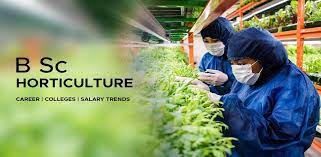
Introduction about B.Sc. Horticulture Science
A Bachelor of Science in Horticulture Science, commonly abbreviated as B.Sc. Horticulture, is an undergraduate academic degree program that focuses on the scientific study of growing fruits, vegetables, nuts, seeds, herbs, sprouts, mushrooms, algae, seaweeds, non-food crops such as grass and ornamental trees and plants. The program integrates principles of biology, chemistry, genetics, plant physiology, soil science, pest management, and business management to provide students with a comprehensive understanding of horticultural practices.
Horticulture plays a crucial role in agriculture and contributes significantly to the global economy by providing food, raw materials, and ornamental plants. B.Sc. Horticulture programs aim to equip students with the knowledge and skills necessary to cultivate plants efficiently, manage agricultural resources sustainably, and contribute to the development of innovative and environmentally friendly horticultural practices.
The curriculum typically includes a combination of theoretical courses, laboratory work, field studies, and practical training. Students may explore various aspects of horticulture, such as crop production, plant breeding, post-harvest technology, landscape design, and greenhouse management. Additionally, they may gain insights into the business aspects of horticulture, including marketing, farm management, and agribusiness.
Upon completion of the program, graduates are prepared for careers in diverse areas such as commercial horticulture, landscaping, agribusiness, research and development, and government agricultural agencies. Furthermore, B.Sc. Horticulture graduates may choose to pursue advanced degrees or certifications for specialized roles in academia, research, or industry.
Overall, B.Sc. Horticulture Science programs provide a solid foundation for individuals interested in contributing to the sustainable and efficient production of horticultural crops, addressing global food security challenges, and promoting environmentally responsible agricultural practices.
How can I apply for admission to B.Sc. Horticulture Science Program
The process for applying to a B.Sc. Horticulture Science program may vary depending on the specific university or institution offering the program. However, here is a general guide on how you can apply:
Research Programs and Universities: Start by researching universities or institutions that offer B.Sc. Horticulture Science programs. Look for reputable institutions with strong agricultural and horticultural departments. Consider factors such as faculty expertise, research opportunities, and campus facilities.
Check Admission Requirements: Review the admission requirements for the B.Sc. Horticulture Science program at each university. These requirements may include academic qualifications, standardized test scores, language proficiency tests (such as IELTS or TOEFL for international students), and any specific prerequisites.
Prepare Required Documents: Gather all necessary documents for the application process. Typical documents may include:
High school transcripts or equivalent educational certificates
Standardized test scores (if required)
Letters of recommendation
Personal statement or statement of purpose
Resume or curriculum vitae
Proof of language proficiency (for international students)
Online Application: Most universities have an online application system. Visit the official website of the university or use a centralized application platform if applicable. Complete the online application form and submit the required documents through the specified channels.
Application Fee: Be aware of any application fees associated with the application process. Pay the application fee as per the university's instructions.
Submit Transcripts and Test Scores: Arrange for your high school transcripts and any required standardized test scores to be sent directly to the university. Some universities may have specific guidelines for submitting these documents.
Letters of Recommendation: If letters of recommendation are required, request them from teachers, professors, or employers well in advance. Provide the letter writers with sufficient information about your academic and professional background.
Personal Statement or Statement of Purpose: Write a compelling personal statement or statement of purpose that outlines your interest in horticulture science, your academic and career goals, and why you are a suitable candidate for the program.
Application Deadline: Pay attention to application deadlines. Submit your application and all required documents well before the deadline to ensure consideration.
Follow Up: After submitting your application, periodically check the application status through the university's online portal. Some universities may require additional information or interviews.
Financial Aid and Scholarships: If you are seeking financial aid or scholarships, inquire about the application process and deadlines for these opportunities.
What is the eligibility for B.Sc. Horticulture Science
The eligibility criteria for a B.Sc. Horticulture Science program may vary among universities, but here are some general guidelines commonly observed by many institutions:
Educational Qualifications:
Candidates are typically required to have completed their higher secondary education (10+2) with a focus on science subjects, particularly biology.
The minimum percentage or grade required in the qualifying examination may vary, but a strong academic background in subjects like biology, chemistry, and mathematics is often preferred.
Subject Requirements:
A background in science is usually mandatory, and specific subject requirements may include biology, chemistry, and/or mathematics at the higher secondary level.
Entrance Exams:
Some universities or institutions may conduct entrance exams for admission to the B.Sc. Horticulture Science program. The scores from these exams may be considered alongside academic qualifications.
Age Limit:
Some institutions may have age restrictions for admission. Candidates are generally required to be within a certain age range to be eligible.
International Students:
For international students, additional requirements may include proof of English language proficiency through tests like IELTS or TOEFL.
Specific Prerequisites:
Certain universities may have specific prerequisites or additional requirements, such as a minimum number of science courses completed during high school.
How long does it takes to complete a B.Sc. Horticulture Science program
The duration of a B.Sc. Horticulture Science program is typically three to four years, depending on the country and the specific structure of the program at a given university. Here are some general considerations:
Three-Year Program:
In some countries, such as India, a B.Sc. Horticulture Science program is often structured as a three-year undergraduate degree. Students complete a series of core courses, elective courses, and practical training during this period.
Four-Year Program:
In other countries, especially in North America and some European countries, a B.Sc. Horticulture Science program may be designed as a four-year degree. This longer duration may allow for more in-depth coursework, research opportunities, and practical experiences.
Internship or Practical Training:
Many B.Sc. Horticulture Science programs include a mandatory internship or practical training component. This hands-on experience is valuable for students to apply theoretical knowledge in real-world horticultural settings.
Research Projects:
Some programs may require students to complete a research project or thesis in their final year, contributing to the overall understanding of horticulture science and providing students with research skills.
Credit Requirements:
The program duration is often measured in credit hours. Students need to accumulate a certain number of credit hours by successfully completing required and elective courses to fulfill the degree requirements.
What are potential career opportunities after B.Sc. Horticulture Science
A Bachelor of Science in Horticulture Science opens up a variety of career opportunities in the field of agriculture, horticulture, and related industries. Here are some potential career paths for individuals with a B.Sc. Horticulture Science degree:
Horticulturist:
Work in the cultivation of fruits, vegetables, ornamental plants, and other crops. Horticulturists are involved in planning and managing plant growth, selecting appropriate varieties, and ensuring optimal conditions for plant development.
Landscape Designer/Architect:
Design and plan outdoor spaces, parks, gardens, and urban landscapes. This role involves selecting plants, arranging hardscape elements, and considering environmental factors for aesthetic and functional purposes.
Plant Breeder:
Engage in the development and improvement of plant varieties. Plant breeders use their knowledge of genetics and horticulture to create crops with desirable traits such as improved yield, resistance to pests, and better adaptation to environmental conditions.
Crop Consultant:
Provide advisory services to farmers and agricultural businesses. Crop consultants offer expertise in optimizing crop production, managing pests and diseases, and implementing sustainable agricultural practices.
Greenhouse or Nursery Manager:
Oversee the day-to-day operations of greenhouses or nurseries where plants are grown for sale. This includes managing cultivation practices, coordinating staff, and ensuring the quality of plant products.
Urban Agriculturist:
Contribute to urban farming initiatives, including rooftop gardens, community gardens, and vertical farming. Urban agriculturists focus on sustainable and space-efficient ways of growing food in urban environments.
Research Scientist:
Engage in horticultural research to advance scientific knowledge and develop innovative practices. Research scientists may work for agricultural research institutions, universities, or private companies.
Extension Officer:
Collaborate with agricultural extension services to disseminate knowledge and information to farmers and the community. Extension officers play a crucial role in promoting best practices and addressing agricultural challenges.
Arborist:
Specialize in the care and maintenance of trees. Arborists assess the health of trees, provide recommendations for tree care, and may be involved in tree planting and preservation efforts.
Agribusiness Manager:
Manage agricultural enterprises, including farms, nurseries, or agricultural product distribution. Agribusiness managers combine horticultural knowledge with business skills to ensure the success and sustainability of agricultural operations.
Seed Technologist:
Work in the seed industry, focusing on the development, testing, and quality control of seeds. Seed technologists play a vital role in ensuring the availability of high-quality seeds for farmers.
Environmental Consultant:
Apply horticultural knowledge to address environmental challenges. Environmental consultants may work on projects related to ecological restoration, conservation, and sustainable land management.
Syllabus of B.Sc. Horticulture Science
Semester 1:
|
Course Title |
Credits |
Description |
|
Introduction to Horticulture |
3 |
Basic concepts, history, and scope of horticulture |
|
Principles of Plant Biology |
4 |
Fundamentals of plant structure, function, and growth |
|
Soil Science |
3 |
Soil composition, fertility, and management |
|
Fundamentals of Entomology |
3 |
Study of insects and their impact on horticulture |
|
English Communication Skills |
2 |
Communication skills development |
Semester 2:
|
Course Title |
Credits |
Description |
|
Crop Physiology |
4 |
Physiological processes in plants |
|
Principles of Genetics |
3 |
Introduction to plant genetics and breeding |
|
Principles of Plant Pathology |
3 |
Study of plant diseases and their management |
|
Horticultural Crop Production |
3 |
Practices in cultivating horticultural crops |
|
Environmental Science |
3 |
Understanding environmental issues and sustainability |
Semester 3:
|
Course Title |
Credits |
Description |
|
Floriculture and Landscaping |
4 |
Cultivation of flowers, ornamental plants, and landscaping |
|
Irrigation and Water Management |
3 |
Techniques for efficient water use in horticulture |
|
Agricultural Economics |
3 |
Economic principles related to horticultural practices |
|
Agricultural Microbiology |
3 |
Study of microorganisms in agriculture and soil health |
Semester 4:
|
Course Title |
Credits |
Description |
|
Post-Harvest Technology |
4 |
Handling and preservation of horticultural produce |
|
Organic Farming |
3 |
Principles and practices of organic horticulture |
|
Plant Propagation and Nursery Management |
3 |
Techniques for plant reproduction and nursery operations |
|
Statistical Methods in Agriculture |
3 |
Application of statistical tools in horticultural research |
Internship opportunities after completing B.Sc. Horticulture Science
Completing a B.Sc. Horticulture Science program opens up various internship opportunities for individuals looking to gain practical experience in the field. Internships are valuable for applying theoretical knowledge, developing hands-on skills, and building a professional network. Here are potential internship opportunities for B.Sc. Horticulture Science graduates:
Commercial Horticulture Farms:
Internships on commercial horticulture farms provide practical experience in the cultivation of fruits, vegetables, flowers, and ornamental plants. Tasks may include planting, harvesting, pest management, and overall farm management.
Nurseries and Greenhouses:
Interning in nurseries or greenhouses allows individuals to learn about plant propagation, nursery management, and the production of plant materials. This experience is valuable for those interested in the commercial production of plants.
Landscape Design and Maintenance Companies:
Internships with landscape design and maintenance companies provide exposure to landscape planning, installation, and maintenance. Interns may be involved in designing outdoor spaces, selecting plants, and implementing landscaping projects.
Research Institutions:
Internships in horticultural research institutions offer opportunities to work on research projects, conduct experiments, and contribute to advancements in plant breeding, crop management, and other scientific areas within horticulture.
Seed Companies:
Interning with seed companies allows individuals to gain insights into the seed industry. Interns may be involved in seed testing, quality control, and learning about the breeding and development of new plant varieties.
Government Agricultural Agencies:
Internships with government agricultural agencies provide exposure to agricultural extension services, where individuals can work with farmers, promote best practices, and contribute to community development in the agricultural sector.
Agribusiness and Horticultural Supply Companies:
Internships in agribusiness and horticultural supply companies offer experience in the marketing, distribution, and sales of horticultural products. Interns may be involved in product promotion, customer relations, and market analysis.
Botanical Gardens and Arboretums:
Interning in botanical gardens or arboretums provides exposure to the maintenance and display of diverse plant collections. Interns may assist in plant care, educational programs, and public outreach.
Urban Agriculture Projects:
Internships in urban agriculture initiatives involve working on projects related to rooftop gardens, community gardens, and vertical farming. Interns may contribute to sustainable urban farming practices.
Food Processing and Preservation Industries:
Internships in food processing and preservation industries allow individuals to understand the post-harvest aspects of horticulture. This includes learning about food preservation techniques and quality control measures.
Scholorship and grants for B.Sc. Horticulture Science
Scholarships and grants for B.Sc. Horticulture Science students can come from various sources, including government programs, private foundations, educational institutions, and industry organizations. Here are some potential avenues to explore for financial support:
University Scholarships:
Many universities offer scholarships specifically for students pursuing degrees in horticulture or related fields. Check with the financial aid office or the department of agriculture/horticulture at your university for information on available scholarships.
Government Scholarships and Grants:
Government agencies may provide scholarships and grants for students studying agriculture or horticulture. Research programs offered by national or regional agricultural departments to identify potential opportunities.
Private Foundations and Organizations:
Numerous private foundations and organizations support students in agriculture and horticulture through scholarships and grants. Examples include the National FFA Organization and the American Floral Endowment. Research and apply for opportunities provided by such entities.
Industry Associations:
Industry associations related to horticulture, agriculture, and floriculture often offer scholarships to students pursuing degrees in these fields. Examples include the American Horticultural Society and the International Society for Horticultural Science.
Corporate Scholarships:
Some corporations and companies involved in the agriculture and horticulture sector may have scholarship programs. Check with major agricultural or horticultural companies to see if they offer financial support for students.
Professional Organizations:
Professional organizations for horticulturists may provide scholarships for students entering the field. Explore opportunities provided by organizations such as the American Society for Horticultural Science or similar regional associations.
Research Grants:
Depending on your academic interests, consider seeking research grants that support horticultural research projects. These grants may be available through university research offices, government agencies, or private foundations.
Community and Nonprofit Organizations:
Local community organizations and nonprofit groups may offer scholarships to support students pursuing degrees in horticulture. Check with community foundations, agricultural societies, or other local groups.
International Scholarships:
If you are an international student, explore scholarship opportunities offered by governments, universities, and international organizations that support agricultural and horticultural studies.
Online Scholarship Databases:
Utilize online scholarship databases and search engines to find a wide range of scholarship opportunities. Websites like Fastweb, Chegg, and College Board Scholarship Search allow you to search for scholarships based on your field of study.
Conclusion
In conclusion, pursuing a B.Sc. Horticulture Science degree offers a dynamic pathway into the world of agriculture and plant sciences. This comprehensive program equips students with a solid foundation in horticultural principles, plant biology, and practical skills necessary for a successful career in the field. The diverse range of courses, including soil science, crop physiology, and post-harvest technology, prepares graduates to address the challenges and opportunities in the horticultural industry.
FAQ B.Sc. Horticulture Science
What is B.Sc. Horticulture Science?
B.Sc. Horticulture Science is an undergraduate degree program that focuses on the scientific study of growing fruits, vegetables, ornamental plants, and other crops. It integrates principles of biology, chemistry, genetics, and plant physiology to prepare students for careers in horticulture and agriculture.
What are the eligibility criteria for B.Sc. Horticulture Science?
Eligibility criteria typically include completion of higher secondary education (10+2) with a science background, including subjects like biology, chemistry, and mathematics. Specific requirements may vary by university.
How long does it take to complete a B.Sc. Horticulture Science program?
B.Sc. Horticulture Science programs are generally three to four years in duration, depending on the country and university. The program includes both theoretical coursework and practical training.
What are the career opportunities after completing B.Sc. Horticulture Science?
Graduates can pursue various career paths, including horticulturist, landscape designer, plant breeder, crop consultant, greenhouse manager, research scientist, and more. The degree opens doors to roles in agriculture, research, and related industries.
Are there internships available for B.Sc. Horticulture Science students?
Yes, internships are widely available for B.Sc. Horticulture Science students. Opportunities can be found on commercial farms, nurseries, research institutions, landscaping companies, and government agricultural agencies.
Are there scholarships or grants for B.Sc. Horticulture Science students?
Yes, scholarships and grants are available from various sources, including universities, government programs, private foundations, industry associations, and corporate sponsors. Students can explore these opportunities based on their academic achievements and financial need.
What topics are covered in the B.Sc. Horticulture Science curriculum?
The curriculum typically includes courses in plant biology, soil science, crop physiology, entomology, plant pathology, landscape design, post-harvest technology, and more. Practical training, internships, and research projects are also integral parts of the program.
How can I apply for B.Sc. Horticulture Science programs?
To apply, research universities offering B.Sc. Horticulture Science, check their admission requirements, and submit an online application. Requirements may include academic transcripts, standardized test scores, letters of recommendation, and a personal statement.
What skills do B.Sc. Horticulture Science graduates develop?
Graduates develop skills in plant cultivation, pest management, landscape design, research, and project management. They also gain knowledge in sustainable agricultural practices, crop production, and post-harvest technologies.
Can B.Sc. Horticulture Science graduates pursue further studies?
Yes, graduates can pursue advanced degrees such as M.Sc. or Ph.D. in Horticulture Science, agriculture, or related fields. Advanced degrees can lead to research and academic roles or specialized positions within the industry.
How Shiksha Hub helps you in
-
 Student Counsellors
 -
 Career Counseling
 -
 Research
 -
 24/7 Support
 -
 Scholarships
 -
 Community