Posted by Admin on 30-03-2023 in Shiksha hub
(B.Sc.) in Cardiac Care Technology introduction, Admission Registration, Eligibility, Duration, Fees, Syllabus 2024
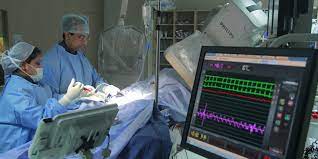
Introduction about (B.Sc.) in Cardiac Care Technology
A Bachelor of Science (B.Sc.) in Cardiac Care Technology is a specialized undergraduate program designed to equip students with the knowledge and skills necessary to work in the field of cardiac care. This field focuses on the diagnosis, treatment, and management of cardiovascular diseases, which are among the leading causes of morbidity and mortality worldwide.
The program typically covers a comprehensive curriculum that includes subjects such as anatomy and physiology, cardiology, medical instrumentation, cardiovascular pharmacology, and patient care. Students learn about the structure and function of the heart, various cardiovascular diseases, diagnostic procedures, and treatment modalities. They also gain hands-on experience in utilizing and maintaining cardiac care technology and equipment.
The coursework often involves both theoretical and practical components, with students engaging in clinical rotations or internships at hospitals or healthcare facilities. This practical exposure allows them to apply their knowledge in real-world scenarios, working alongside healthcare professionals in the cardiac care team.
Graduates of B.Sc. Cardiac Care Technology are prepared for careers as cardiac technologists, cardiovascular technicians, or allied healthcare professionals specializing in cardiac care. They play a crucial role in supporting cardiologists and other healthcare providers in diagnosing and treating patients with heart conditions.
In addition to technical skills, the program emphasizes the development of communication, critical thinking, and teamwork skills, as cardiac care technologists often collaborate closely with other healthcare professionals to deliver comprehensive patient care.
How can I apply for admission B.SC. CARDIAC CARE TECHNOLOGY Program
To apply for admission to a B.Sc. Cardiac Care Technology program, you typically need to follow a series of steps. Keep in mind that specific requirements may vary between institutions, so it's advisable to check the admission guidelines of the particular university or college you are interested in. Here's a general guide:
Research Programs and Institutions: Start by researching universities or colleges that offer a B.Sc. Cardiac Care Technology program. Look into their curriculum, faculty, facilities, and any other relevant information.
Check Admission Requirements: Review the admission requirements for the specific program. This may include educational qualifications, such as completion of high school or equivalent, with a focus on science subjects. Some institutions may also require specific entrance exams or standardized test scores.
Meet Prerequisites: Ensure that you meet all the prerequisites for the program. This may include having a background in biology, chemistry, or other relevant subjects. Some programs may also have specific grade or GPA requirements.
Prepare Required Documents: Gather all the necessary documents for the application. This may include:
High school transcripts or equivalent
Standardized test scores (if required)
Letters of recommendation
Personal statement or statement of purpose
Resume or curriculum vitae
Completed application form
Application Submission: Complete the application form provided by the institution. Most universities now have online application systems, but some may still accept paper applications. Follow the instructions carefully and submit all required documents within the specified deadlines.
Entrance Exams (if required): Some institutions may require you to take an entrance exam. Prepare for and take any required standardized tests, such as the SAT or ACT, if applicable.
Interviews (if required): Some programs may require an interview as part of the admission process. Prepare for potential interviews by reviewing common questions related to your interest in cardiac care technology and your career goals.
Financial Aid and Scholarships: Explore financial aid options and scholarships that may be available for the program. Check with the institution's financial aid office for information on grants, loans, or scholarship opportunities.
Application Fee: Be prepared to pay any required application fees. Some institutions may offer fee waivers based on financial need, so check if you qualify.
Follow Up: After submitting your application, monitor its status and follow up with the admissions office if necessary. Make sure you are aware of any additional steps required, such as interviews or supplementary materials.
What is the eligibility for B.SC. CARDIAC CARE TECHNOLOGY
The eligibility criteria for a B.Sc. Cardiac Care Technology program may vary among institutions, so it's important to check the specific requirements of the university or college where you plan to apply. However, here are some common eligibility criteria that you may find for such programs:
Educational Qualifications:
Completion of higher secondary education (12th grade) or its equivalent with a focus on science subjects (such as Physics, Chemistry, and Biology).
Some programs may require a minimum percentage or grade in the science subjects.
Age Criteria:
There may be age limitations for admission, and some institutions may have specific age requirements. Ensure that you meet any age criteria set by the program.
Entrance Exams:
Some institutions may require candidates to take specific entrance exams or standardized tests. Scores from these exams may be considered as part of the admission process.
Minimum GPA or Grade Requirement:
Some programs may have a minimum GPA (Grade Point Average) or grade requirement for eligibility. This could apply to overall academic performance or specific subjects.
Prerequisite Subjects:
A background in science subjects, particularly biology and chemistry, is often a prerequisite for admission. Some programs may also require mathematics as a prerequisite.
Language Proficiency:
If the medium of instruction is in a language other than your native language, you may need to demonstrate proficiency in that language through standardized tests like the TOEFL (Test of English as a Foreign Language) or IELTS (International English Language Testing System).
Interview or Counseling (if required):
Some institutions may require candidates to participate in an interview or counseling session as part of the admission process. This is an opportunity for the admissions committee to assess your suitability for the program.
Health Checkup:
Due to the nature of healthcare programs, some institutions may require candidates to undergo a health checkup to ensure that they are physically fit to participate in clinical placements.
How long does it takes to complete a B.SC. CARDIAC CARE TECHNOLOGY program
The duration of a B.Sc. Cardiac Care Technology program typically spans three to four years, depending on the specific curriculum and program structure of the university or college offering the degree. The duration may also vary based on factors such as the inclusion of internships, clinical rotations, or the pursuit of additional specializations within the program.
In a standard three-year program, students undergo a comprehensive study of cardiac care technology, including theoretical coursework and practical training. The curriculum covers subjects such as anatomy and physiology, cardiology, medical instrumentation, pharmacology, and patient care.
In some instances, programs may extend to four years, incorporating additional practical experiences, internships, or research opportunities. Extended programs might offer students more in-depth exposure to clinical settings and hands-on training, enhancing their skills and preparing them for real-world scenarios.
Internship opportunities after completing B.SC. CARDIAC CARE TECHNOLOGY
After completing a B.Sc. Cardiac Care Technology program, graduates have various internship opportunities to gain practical experience and further enhance their skills in the field of cardiac care. These internships, also referred to as clinical placements or externships, provide hands-on training in real-world healthcare settings. Here are some potential internship opportunities:
Hospital Internships:
Many graduates pursue internships at hospitals, working in cardiac care units or departments. They may assist in conducting diagnostic tests, monitoring patients, and collaborating with healthcare professionals in the treatment of cardiovascular conditions.
Cardiology Clinics:
Internships in cardiology clinics or private practices allow graduates to work closely with cardiologists and other healthcare providers. They may be involved in patient assessments, diagnostic procedures, and the implementation of treatment plans.
Cardiac Rehabilitation Centers:
Some graduates may opt for internships in cardiac rehabilitation centers, where they can contribute to the recovery and well-being of patients who have undergone cardiac procedures or surgeries.
Diagnostic Imaging Centers:
Internships in diagnostic imaging centers provide opportunities to specialize in the use of cardiac imaging technologies, such as echocardiography or nuclear cardiology.
Research Opportunities:
Graduates interested in research may find internships in cardiovascular research institutions. These internships can involve participating in ongoing research projects, data collection, and analysis under the guidance of experienced researchers.
Medical Device Companies:
Internships with companies that manufacture medical devices related to cardiac care technology offer exposure to the development, maintenance, and troubleshooting of cardiovascular equipment.
Emergency Medical Services (EMS):
Some graduates choose internships with EMS providers to gain experience in the pre-hospital care of cardiovascular emergencies. This can include working with paramedics and emergency medical technicians.
Government Health Agencies:
Internship opportunities may also be available within government health agencies that focus on cardiovascular health initiatives. Graduates can contribute to public health programs and policies related to cardiac care.
Telemedicine Services:
With the rise of telemedicine, graduates may explore internships with organizations that provide remote cardiac monitoring services or virtual consultations for patients with cardiovascular conditions.
Scholarship and grants for B.SC. CARDIAC CARE TECHNOLOGY
Scholarships and grants for a B.Sc. Cardiac Care Technology program can help alleviate the financial burden of education. It's important to explore various sources, including government programs, private foundations, and institutions offering the program. Here are some potential avenues to consider:
Institutional Scholarships:
Many universities and colleges offer institutional scholarships based on academic achievement, leadership qualities, or specific criteria related to the cardiac care technology program. Check with the financial aid office or the program department for information on available scholarships.
Government Scholarships and Grants:
Government agencies at the national, state, or local levels may provide scholarships or grants for students pursuing healthcare-related programs. Research government websites or contact relevant departments to inquire about available opportunities.
Professional Organizations:
Professional organizations in the healthcare and cardiology fields may offer scholarships to support students pursuing careers in cardiac care technology. Examples include the American College of Cardiology (ACC) or other regional cardiology associations.
Industry-Specific Scholarships:
Some medical device companies, pharmaceutical companies, or organizations in the healthcare industry offer scholarships to students studying programs like cardiac care technology. Explore opportunities with companies that have a focus on cardiovascular health.
Nonprofit Foundations:
Nonprofit foundations and charitable organizations often provide scholarships for healthcare students. Look for foundations with a mission related to cardiovascular health or medical education.
Community and Civic Organizations:
Local community groups, civic organizations, and service clubs may offer scholarships to support students in their community. Check with organizations like Rotary Club, Lions Club, or local foundations.
Merit-Based Scholarships:
Some scholarships are awarded based on academic excellence, extracurricular achievements, or other merit-based criteria. Check with scholarship search engines and online platforms that connect students with relevant opportunities.
Minority and Diversity Scholarships:
Organizations and foundations focused on promoting diversity in healthcare may offer scholarships to underrepresented minority students. Explore opportunities provided by diversity and inclusion initiatives in the healthcare sector.
Financial Aid Office:
Contact the financial aid office at the institution where you plan to enroll. They can provide information on available scholarships, grants, and financial assistance programs.
Online Scholarship Databases:
Utilize online scholarship databases and platforms that aggregate information on scholarships for various programs. Examples include websites like Fastweb, Scholarship.com, or College Board's Scholarship Search.
Syllabus of B.SC. CARDIAC CARE TECHNOLOGY
|
Course Code |
Course Title |
|---|---|
|
CCT101 |
Anatomy and Physiology I |
|
CCT102 |
Fundamentals of Cardiology |
|
CCT103 |
Medical Terminology |
|
CCT104 |
Basics of Medical Electronics |
|
CCT105 |
English Communication Skills I |
|
CCT106 |
Practical - Anatomy and Physiology I |
|
Course Code |
Course Title |
|---|---|
|
CCT201 |
Anatomy and Physiology II |
|
CCT202 |
Cardiovascular Diseases |
|
CCT203 |
Pharmacology in Cardiac Care |
|
CCT204 |
Electrocardiography (ECG) |
|
CCT205 |
English Communication Skills II |
|
CCT206 |
Practical - Anatomy and Physiology II |
|
Course Code |
Course Title |
|---|---|
|
CCT301 |
Cardiac Diagnostic Procedures |
|
CCT302 |
Cardiovascular Imaging Techniques |
|
CCT303 |
Medical Ethics and Legal Aspects in Healthcare |
|
CCT304 |
Basics of Medical Informatics |
|
CCT305 |
Communication Skills for Healthcare |
|
CCT306 |
Practical - Diagnostic Procedures |
|
Course Code |
Course Title |
|---|---|
|
CCT401 |
Cardiac Interventions and Surgeries |
|
CCT402 |
Cardiovascular Pharmacology |
|
CCT403 |
Research Methodology in Healthcare |
|
CCT404 |
Healthcare Management and Administration |
|
CCT405 |
Practical - Cardiac Interventions |
|
Course Code |
Course Title |
|---|---|
|
CCT501 |
Pediatric Cardiac Care |
|
CCT502 |
Geriatric Cardiac Care |
|
CCT503 |
Cardiac Rehabilitation |
|
CCT504 |
Advanced Cardiovascular Imaging |
|
CCT505 |
Practical - Pediatric and Geriatric Cardiac Care |
|
Course Code |
Course Title |
|---|---|
|
CCT601 |
Emergency Cardiac Care |
|
CCT602 |
Healthcare Quality and Patient Safety |
|
CCT603 |
Professional Development and Ethics |
|
CCT604 |
Project Work |
|
CCT605 |
Practical - Emergency Cardiac Care |
Conclusion:
In conclusion, pursuing a B.Sc. in Cardiac Care Technology offers a comprehensive and specialized education in the diagnosis and management of cardiovascular diseases. This multidisciplinary program equips students with the necessary knowledge and practical skills to contribute effectively to the field of cardiac care. From foundational courses in anatomy and physiology to advanced studies in diagnostic procedures, interventions, and rehabilitation, graduates are prepared to play pivotal roles in healthcare teams, improving patient outcomes and contributing to the advancement of cardiovascular health.
The integration of theoretical learning with hands-on experiences, including clinical rotations and internships, ensures that students are well-prepared for the challenges of real-world healthcare settings. Furthermore, the emphasis on communication skills, ethical considerations, and professional development cultivates graduates who are not only technically proficient but also compassionate and ethical practitioners.
As the demand for skilled professionals in cardiac care continues to rise, individuals completing a B.Sc. in Cardiac Care Technology are well-positioned for diverse career opportunities in hospitals, clinics, research institutions, and beyond. The program serves as a foundation for further specialization or advanced studies in the ever-evolving field of cardiovascular healthcare.
FAQ (Frequently Asked Questions)
What is Cardiac Care Technology?
Cardiac Care Technology involves the study and application of techniques, technologies, and procedures related to the diagnosis, treatment, and management of cardiovascular diseases.
What are the eligibility criteria for a B.Sc. Cardiac Care Technology program?
Eligibility typically includes completion of higher secondary education with a focus on science subjects. Specific requirements may vary by institution.
How long does it take to complete a B.Sc. Cardiac Care Technology program?
The program generally spans three to four years, depending on the institution and program structure.
What are the career opportunities after completing a B.Sc. Cardiac Care Technology program?
Graduates can pursue careers as cardiac technologists, cardiovascular technicians, or work in various healthcare settings such as hospitals, clinics, and research institutions.
Are internships or clinical placements part of the program?
Yes, internships and clinical rotations are integral components of the program, providing students with practical, hands-on experience in real healthcare settings.
Are there scholarship opportunities for B.Sc. Cardiac Care Technology programs?
Yes, scholarships and grants are available from various sources, including institutions, government programs, professional organizations, and private foundations.
What topics are covered in the B.Sc. Cardiac Care Technology program?
The curriculum includes subjects such as anatomy, physiology, cardiology, medical electronics, diagnostic procedures, interventions, pharmacology, and professional development.
Can I specialize in a specific area of cardiac care during the program?
Some programs may offer elective courses or concentrations that allow students to focus on specific areas, such as pediatric cardiac care, geriatric cardiac care, or advanced imaging techniques.
What skills will I develop during the program?
Students develop a range of skills, including diagnostic procedures, use of medical equipment, patient care, communication, and critical thinking, preparing them for roles in cardiac healthcare.
How can I apply for admission to a B.Sc. Cardiac Care Technology program?
To apply, gather required documents, complete the application form, and submit them to the institution by the specified deadline. Check specific admission requirements for each institution.
How Shiksha Hub helps you in
-
 Student Counsellors
 -
 Career Counseling
 -
 Research
 -
 24/7 Support
 -
 Scholarships
 -
 Community