Posted by Admin on 10-07-2023 in Shiksha hub
B.Sc in Forestry Admission, Registration, Eligibility, Duration, Fees, Syllabus 2024
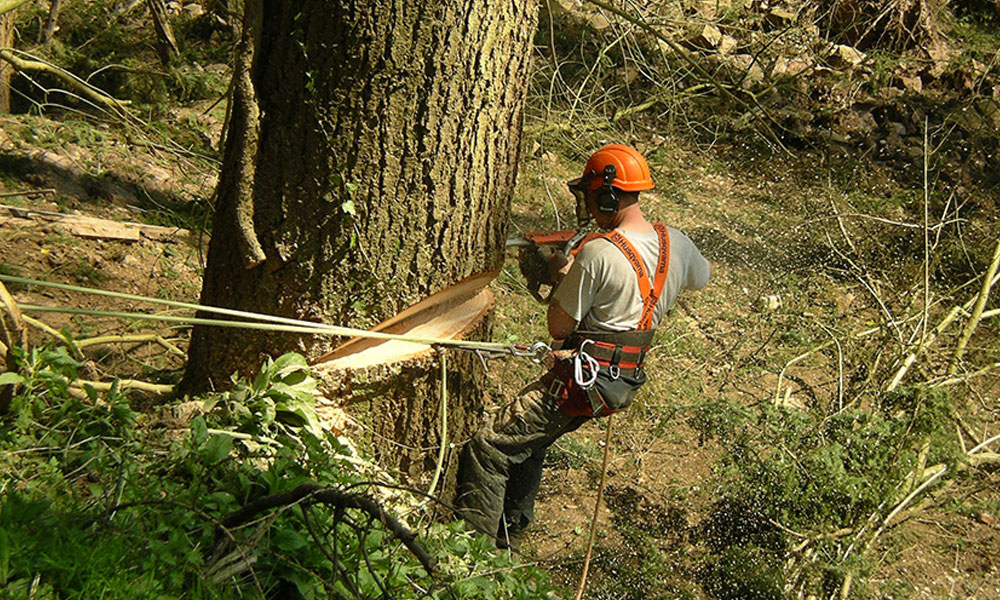
Introduction about B.Sc in Forestry
B.Sc in Forestry, an abbreviation for Bachelor of Science in Forestry, is a multidisciplinary undergraduate degree program designed to equip students with the knowledge and skills required to manage and conserve forest ecosystems. This degree offers a comprehensive understanding of forest resources, sustainable management practices, and their impact on the environment. In this article, we will delve into the world of B.Sc in Forestry, exploring its significance, career opportunities, course structure, and much more.
Why Choose B.Sc in Forestry?
B.Sc in Forestry is an excellent choice for individuals who have a deep-seated passion for nature, conservation, and the environment. Here are some compelling reasons to consider this program:
A Thriving Career Path
The demand for skilled forestry professionals is on the rise due to growing environmental concerns. Graduates can explore various job opportunities, including forest management, conservation, and research.
Environmental Impact
By pursuing this degree, you contribute to the preservation of forests and biodiversity, making a positive impact on the planet.
Hands-On Learning
B.Sc in Forestry programs often include fieldwork, allowing students to gain practical experience and connect with nature.
Career Prospects with a B.Sc in Forestry
A B.Sc in Forestry opens doors to a wide range of career opportunities. Graduates can find employment in government agencies, private companies, and non-profit organizations. Potential career paths include:
Forest Manager
Environmental Consultant
Conservation Scientist
Wildfire Specialist
Forest Researcher
Arborist
Environmental Educator
Course Curriculum and Specializations
The curriculum of a B.Sc in Forestry program typically covers a variety of subjects, including:
Forest Ecology
Wildlife Management
Forest Resource Economics
Silviculture
Forest Pathology
Environmental Law and Policy
Students can also choose specializations such as forest biotechnology, urban forestry, or forest fire management to tailor their education to specific career goals.
Skills Required for Success in Forestry
To excel in the field of forestry, students need to develop a diverse skill set, including:
Problem-Solving
Critical Thinking
Data Analysis
Communication
Leadership
Adaptability
Environmental Awareness
Top Universities Offering B.Sc in Forestry
Several prestigious institutions around the world offer B.Sc in Forestry programs. Some of the top universities known for their exceptional forestry education include:
University of British Columbia, Canada
Yale University, USA
Swedish University of Agricultural Sciences, Sweden
University of Melbourne, Australia
University of Oxford, UK
Admission Requirements and Application Process
Admission requirements for B.Sc in Forestry programs may vary by university. However, common prerequisites include a high school diploma or equivalent and proficiency in subjects like biology and mathematics. Applicants may also need to submit standardized test scores and recommendation letters.
Scholarships and Financial Aid
Many universities offer scholarships and financial aid to deserving students. Scholarships are often based on academic merit, financial need, or specific criteria related to forestry and environmental conservation.
Internship Opportunities
Hands-on experience is crucial in forestry education. Many programs include internships or co-op opportunities, allowing students to work with experienced professionals in real-world settings.
Challenges in the Field of Forestry
Forestry professionals face various challenges, including deforestation, invasive species, and the effects of climate change. Overcoming these challenges requires innovation and adaptability.
Sustainable Forestry Practices
Sustainable forestry focuses on the responsible management of forests to ensure long-term environmental, social, and economic benefits. This approach is crucial for maintaining healthy ecosystems.
Technological Advancements in Forestry
Technology has revolutionized the forestry sector, with tools like Geographic Information Systems (GIS) and drones enhancing forest management, conservation, and research.
Forestry and Environmental Conservation
Forestry plays a vital role in environmental conservation, contributing to the protection of wildlife habitats and the mitigation of climate change.
B.Sc in Forestry vs. Other Related Degrees
While B.Sc in Forestry is a specialized program, it's essential to consider other related degrees, such as Environmental Science, Agriculture, or Biology, based on your specific interests and career goals.
How can I apply for admission to B.SC IN FORESTRY Program
To apply for admission to a B.Sc in Forestry program, you will need to follow specific steps and meet the requirements set by the university or institution offering the program. Here is a general guide on how to apply for admission to a B.Sc in Forestry program:
Research and Choose a University: Start by researching universities or colleges that offer B.Sc in Forestry programs. Look for institutions that are known for their forestry education and align with your academic and career goals.
Check Admission Requirements: Visit the university's official website and navigate to the B.Sc in Forestry program page. There, you will find detailed information about admission requirements. Common requirements include a high school diploma or equivalent and specific subject prerequisites, such as biology and mathematics.
Standardized Tests: Some universities may require standardized test scores, such as the SAT or ACT. Be sure to check the university's requirements for these tests.
Prepare Necessary Documents: You will typically need to provide the following documents:
High school transcripts: Request official transcripts from your high school, showing your academic performance.
Letters of recommendation: Obtain letters of recommendation from teachers, counselors, or other individuals who can speak to your qualifications and character.
Personal statement or essay: Write a personal statement or essay explaining your interest in B.Sc in Forestry, your career goals, and why you want to study this field.
Resume or CV: Create a detailed resume highlighting your extracurricular activities, volunteer work, and relevant experiences.
Submit Your Application: Most universities offer online application portals. Create an account, complete the application form, and upload the required documents. Pay the application fee if applicable.
Financial Aid and Scholarships: Explore financial aid and scholarship opportunities offered by the university. Many institutions provide financial assistance to eligible students.
Interview (if required): Some universities may require an interview as part of the admission process. Prepare for this interview by researching the program and practicing your responses.
Application Deadlines: Be mindful of application deadlines. Universities often have specific dates for application submission. Submit your application well before the deadline to ensure consideration.
Wait for Admission Decision: After submitting your application, wait for the admission decision. This can take several weeks, so be patient.
Acceptance and Enrollment: If you are admitted, you will receive an acceptance letter. Follow the instructions provided to confirm your enrollment and secure your place in the B.Sc in Forestry program.
Orientation and Preparations: Attend any orientation sessions or events for new students and prepare for your academic journey in B.Sc in Forestry.
What is the eligibility for B.SC IN FORESTRY
Eligibility criteria for B.Sc in Forestry programs may vary from one university or institution to another. However, I can provide you with a general overview of the typical eligibility requirements for pursuing a B.Sc in Forestry:
Educational Qualifications:
A high school diploma or its equivalent is typically required for admission.
You should have a strong academic background in subjects such as biology, mathematics, and chemistry. Some universities may have specific subject requirements, so it's essential to check the program's prerequisites.
Minimum GPA:
Many universities set a minimum grade point average (GPA) requirement for applicants. The required GPA may vary, but competitive programs often seek candidates with higher GPAs.
Standardized Tests:
Some institutions may require standardized test scores, such as the SAT or ACT. Be sure to check if these tests are necessary for the specific program you are interested in.
Language Proficiency:
If English is not your native language, you may need to provide proof of English language proficiency. This is usually demonstrated through standardized tests like the TOEFL or IELTS. The required scores can vary by institution.
Letters of Recommendation:
Most universities will request letters of recommendation from teachers, counselors, or other individuals who can vouch for your academic abilities and character.
Personal Statement or Essay:
You may be required to submit a personal statement or essay explaining your interest in B.Sc in Forestry, your career aspirations, and why you want to pursue this program.
Interview (if required):
Some institutions may conduct interviews as part of the admission process. Prepare for this by researching the program and practicing your responses.
Specific Prerequisites:
Depending on the university and program, there may be additional prerequisites or requirements. For example, some programs may require relevant coursework or prior experience in natural sciences or related fields.
Application Fee:
Be prepared to pay an application fee when submitting your application. The fee amount can vary between universities.
How long does it takes to complete a B.SC IN FORESTRY program
A Bachelor of Science (B.Sc) in Forestry program typically takes about four years to complete. This is similar to the duration of most undergraduate degree programs. The four-year duration is based on a full-time study schedule, and it assumes that you are taking a standard course load each semester.
In some cases, the program might offer an option for accelerated or extended study, which can affect the duration. Accelerated programs may allow you to complete your degree in a shorter timeframe, while extended programs might include additional coursework and take longer than four years.
The specific structure and duration of the B.Sc in Forestry program can vary from one university to another. Some programs may include opportunities for co-op or internship experiences, which can extend the program by a semester or two, but these hands-on experiences can be valuable for gaining practical skills and real-world exposure in the field of forestry.
To get the most accurate information about the duration of a B.Sc in Forestry program, it is essential to refer to the university or college offering the program and review their specific curriculum and degree requirements. Additionally, you can contact the program's academic advisors or admissions office for more detailed information about the program's structure and any available options for accelerated or extended study.
What are potential career opportunities after B.SC IN FORESTRY
A B.Sc in Forestry opens up a wide range of potential career opportunities in the field of forestry, environmental conservation, and related areas. Graduates with this degree can pursue diverse and rewarding professions. Here are some of the potential career opportunities after completing a B.Sc in Forestry:
Forest Manager: Forest managers are responsible for the sustainable management and conservation of forested areas. They oversee timber harvesting, wildlife habitat preservation, and the overall health of forests.
Conservation Scientist: Conservation scientists work to protect natural resources, including forests and wildlife. They conduct research, develop conservation plans, and monitor ecosystems to ensure their health and sustainability.
Environmental Consultant: Environmental consultants provide expertise on environmental issues, including forestry management, to businesses, government agencies, and organizations. They help clients comply with environmental regulations and implement sustainable practices.
Wildlife Biologist: Wildlife biologists study animal behavior, populations, and habitats within forests. They work to preserve and protect wildlife species while ensuring they coexist with forestry practices.
Forest Researcher: Forest researchers conduct scientific studies and experiments to advance knowledge about forest ecosystems, tree species, and sustainable forestry practices. They may work in academia, government agencies, or private research institutions.
Arborist: Arborists specialize in the care and maintenance of trees. They diagnose tree diseases, perform tree pruning, and ensure the health of trees in urban and forested environments.
Forest Fire Specialist: Forest fire specialists play a crucial role in preventing and managing forest fires. They assess fire risks, plan controlled burns, and respond to wildfire emergencies.
Environmental Educator: Environmental educators work in schools, nature centers, and environmental organizations to educate the public about forest conservation, ecology, and sustainable practices.
Park Ranger: Park rangers oversee and protect natural and cultural resources in national and state parks. They provide information to visitors, enforce park regulations, and contribute to conservation efforts.
Natural Resource Manager: Natural resource managers focus on the responsible and sustainable use of natural resources, including timber and forest products. They balance economic interests with conservation efforts.
Urban Forester: Urban foresters manage and maintain trees in urban areas, promoting the benefits of green spaces and contributing to city planning for sustainability.
Environmental Planner: Environmental planners work with governments and organizations to develop land-use plans that consider the ecological impact of development, including the preservation of forests.
Forest Economist: Forest economists analyze the economic aspects of forestry, such as the valuation of timber and the financial implications of conservation practices.
Ecotourism Specialist: Ecotourism specialists focus on sustainable tourism in natural areas, including forests. They help create ecotourism opportunities that benefit both the environment and local communities.
Forest Products Marketing Manager: These professionals manage the marketing and sales of forest products such as timber, wood products, and non-timber forest resources.
Syllabus of B.SC IN FORESTRY
The syllabus for a B.Sc in Forestry program can vary between universities and colleges. However, I can provide a general overview of the typical subjects and courses that you might expect to find in a B.Sc in Forestry program. Please note that specific course titles and content may differ based on the institution and the program's curriculum. Here is a general outline of the syllabus:
Year 1:
Introduction to Forestry: An overview of the field of forestry, including its history, importance, and basic concepts.
Botany: Study of plant biology, including tree identification, growth, and physiology.
Zoology: Exploration of wildlife biology, ecology, and the relationship between animals and forests.
Chemistry: Basics of chemistry with a focus on soil science, water quality, and forest chemistry.
Mathematics: Fundamental mathematical concepts relevant to forestry calculations and measurements.
English and Communication Skills: Development of written and oral communication skills.
Year 2:
Forest Ecology: Study of forest ecosystems, including structure, composition, and ecological interactions.
Forest Management: Introduction to forest management practices, including planning and harvesting techniques.
Forest Measurement and Inventory: Techniques for measuring and assessing forest resources.
Soil Science: In-depth exploration of soil properties, classification, and their role in forest health.
Silviculture: The science and practice of forest regeneration and tree cultivation.
Forest Protection and Pathology: Identifying and managing forest pests, diseases, and threats.
Year 3:
Wildlife Management: In-depth study of wildlife conservation and management in forest ecosystems.
Forest Resource Economics: Principles of economics as they relate to the forestry industry.
Forest Policy and Legislation: An overview of forestry laws and regulations.
Forest Engineering: Introduction to equipment and technologies used in forestry operations.
Forest Planning and GIS: Use of Geographic Information Systems (GIS) in forest planning and management.
Forest Ecology and Conservation: Advanced topics in forest ecology and conservation practices.
Year 4:
Specialization Electives: Depending on the program and university, you may have the opportunity to choose specialized courses in areas such as forest biotechnology, urban forestry, or forest fire management.
Internship/Practical Training: Many programs include an internship or fieldwork component where students gain hands-on experience in forestry practices.
Research Project: Completion of an independent research project on a forestry-related topic.
Environmental Science: An in-depth study of environmental issues and their relationship to forestry.
Environmental Impact Assessment: Evaluation of the environmental impact of forestry projects and management practices.
Capstone Course: A culminating course that integrates knowledge and skills acquired throughout the program.
Internship opportunities after completing B.SC IN FORESTRY
Internship opportunities after completing a B.Sc in Forestry are essential for gaining practical experience and enhancing your skills in the field. These internships provide valuable exposure to real-world forestry practices, allowing you to apply what you've learned in the classroom and develop a better understanding of the industry. Here are some common internship opportunities that B.Sc in Forestry graduates can explore:
Forest Management Intern: Work with forest management companies or government agencies to gain experience in timber harvesting, reforestation, and forest inventory. You'll learn about sustainable forest management practices and may assist with fieldwork and planning.
Wildlife Conservation Intern: Join organizations dedicated to wildlife conservation and research. This internship involves studying forest ecosystems, monitoring wildlife populations, and contributing to conservation efforts.
Environmental Consulting Intern: Environmental consulting firms often offer internships to assess environmental impact and provide recommendations for sustainable practices in the forestry sector. This role may involve field surveys and data analysis.
Arborist Intern: If you have an interest in urban forestry, consider interning with arborists. You'll learn about tree care, tree health assessment, and urban tree management in city and suburban environments.
Forest Research Intern: Collaborate with research institutions, universities, or government agencies on forest research projects. You may collect data, conduct experiments, and analyze results to contribute to the advancement of forestry knowledge.
State and National Park Ranger Intern: Work in state and national parks, assisting park rangers with a range of duties, including environmental education, visitor services, and park maintenance. This internship offers a unique opportunity to protect natural resources in recreational areas.
Forest Firefighter Intern: Gain experience in wildfire management and response by interning with forest firefighting crews. You'll participate in controlled burns, learn about fire behavior, and engage in fire prevention efforts.
Urban Forestry Intern: Focus on the management of trees and green spaces in urban environments. You'll assist in tree planting, maintenance, and community engagement to promote urban forest health.
Forest Products Industry Intern: Intern with companies involved in the forest products industry, such as lumber mills or paper mills. This internship may expose you to the processing and manufacturing side of forestry.
Non-Profit and Conservation Organizations: Join non-profit organizations dedicated to environmental conservation. These internships may involve community outreach, advocacy, and hands-on conservation efforts in forests and natural areas.
Government Agencies: Many government agencies, such as the U.S. Forest Service, the Environmental Protection Agency (EPA), or state forestry departments, offer internships related to forest management, environmental regulation, and conservation.
Forest Inventory and GIS Intern: Assist with forest inventory and data collection projects, often using Geographic Information Systems (GIS) technology to analyze and map forest resources.
Scholarship and grants for B.SC IN FORESTRY
Scholarships and grants for B.Sc in Forestry students are available to help offset the cost of education and support individuals pursuing a career in forestry and related fields. These financial aid opportunities can come from various sources, including universities, government agencies, non-profit organizations, and private foundations. Here are some examples of scholarships and grants that B.Sc in Forestry students can explore:
University Scholarships: Many universities and colleges offer scholarships specifically for forestry students. These scholarships may be based on academic merit, financial need, or a combination of both. Check with the forestry department at your institution for information on available scholarships.
Professional Organizations: Forestry-related professional organizations and associations often provide scholarships to support students pursuing forestry degrees. For example, the Society of American Foresters (SAF) offers scholarships to its members.
Government Grants: Government agencies, such as the U.S. Forest Service, may provide grants and scholarships to students studying forestry and natural resource management. These opportunities may be tied to specific research projects or initiatives.
Private Foundations: Numerous private foundations and trusts offer scholarships and grants for students pursuing degrees in forestry, environmental science, or conservation. These foundations may have specific eligibility criteria and application requirements.
Industry-Specific Scholarships: Some companies in the forest products and natural resource management industry provide scholarships to students interested in pursuing careers in these fields. Research companies with ties to forestry for potential funding opportunities.
Conservation and Environmental Organizations: Non-profit organizations dedicated to environmental conservation often support students studying forestry and related disciplines. Look into organizations like The Nature Conservancy or the Arbor Day Foundation.
Minority and Diversity Scholarships: Some scholarships are designed to promote diversity in the field of forestry. These scholarships may target minority students and individuals from underrepresented backgrounds.
State and Regional Scholarships: State forestry departments and regional organizations may offer scholarships to students pursuing forestry degrees within their specific geographic areas.
Merit-Based Scholarships: Various merit-based scholarships are available for high-achieving students with strong academic records. These scholarships may not be limited to a particular field of study but can still support forestry students.
Fulbright Program: For international students, the Fulbright Program provides scholarships for studying in the United States, including pursuing degrees in forestry and related fields.
When searching for scholarships and grants, consider the following tips:
Start your search early to ensure you meet application deadlines.
Read the eligibility criteria and requirements carefully.
Keep track of application deadlines and create a schedule to apply for multiple scholarships.
Prepare a strong application, which may include essays, letters of recommendation, and academic transcripts.
Explore local and regional opportunities in addition to national scholarships.
Conclusion
In conclusion, a B.Sc in Forestry is an exciting and rewarding educational path for those passionate about nature and the environment. It equips graduates with the knowledge and skills needed to contribute to sustainable forestry practices and environmental conservation. By choosing this program, you not only secure a promising career but also become a steward of our planet's precious forests.
FAQ's
What is B.Sc in Forestry?
B.Sc in Forestry, or Bachelor of Science in Forestry, is an undergraduate degree program that focuses on the science and management of forest ecosystems. It equips students with the knowledge and skills needed to sustainably manage forests, conserve natural resources, and protect the environment.
What are the career prospects after completing a B.Sc in Forestry?
Graduates can pursue careers as forest managers, conservation scientists, wildlife biologists, environmental consultants, and more. They can work in government agencies, private companies, non-profit organizations, and research institutions.
What are the typical subjects and courses in a B.Sc in Forestry program?
The curriculum typically includes subjects like forest ecology, silviculture, wildlife management, forest management, environmental science, and forest economics. Students also take courses in biology, chemistry, mathematics, and communication.
How long does it take to complete a B.Sc in Forestry program?
A B.Sc in Forestry program generally takes about four years to complete, assuming a full-time study schedule. The duration may vary based on the university and specific program.
Are there internship opportunities for B.Sc in Forestry students?
Yes, many B.Sc in Forestry programs include internship or practical training components. These internships provide hands-on experience in forestry practices and help students apply their knowledge in real-world settings.
What scholarships and grants are available for B.Sc in Forestry students?
Scholarships and grants for B.Sc in Forestry students can come from universities, professional organizations, government agencies, private foundations, and industry-specific sources. Students should explore various funding opportunities to support their education.
What are the potential specializations within B.Sc in Forestry?
B.Sc in Forestry programs may offer specializations such as forest biotechnology, urban forestry, forest fire management, forest policy, and more. Specializations allow students to tailor their education to specific career goals.
Can international students pursue B.Sc in Forestry in the United States?
Yes, international students can apply for B.Sc in Forestry programs in the United States. They should meet the admission requirements and may need to demonstrate English language proficiency through tests like TOEFL or IELTS.
How can I find a job in forestry after completing my degree?
To find a job in forestry, you can start by searching for job openings on job boards, government websites, and industry-specific websites. Networking with professionals in the field and considering internships can also help you secure employment.
Is a B.Sc in Forestry a good choice for individuals passionate about environmental conservation and nature?
Yes, a B.Sc in Forestry is an excellent choice for individuals who are passionate about environmental conservation, nature, and the sustainable management of forest ecosystems. It offers a fulfilling career path that allows you to make a positive impact on the environment.
How Shiksha Hub helps you in
-
 Student Counsellors
 -
 Career Counseling
 -
 Research
 -
 24/7 Support
 -
 Scholarships
 -
 Community