Posted by Admin on 15-09-2023 in Shiksha hub
B.SC. Public Health Science Introduction, Admission, Registration, Eligibility, Duration, Fees, Syllabus 2024
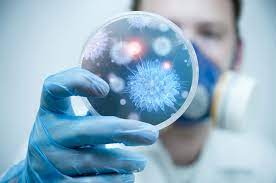
Introduction about B.Sc. Public Health Science
B.Sc. Public Health Science is an undergraduate degree program designed to equip students with the knowledge and skills to address public health challenges and promote overall well-being in communities and populations. This program focuses on various aspects of public health, including epidemiology, health promotion, disease prevention, and health policy. Here's an introduction to B.Sc. Public Health Science:
Public Health Focus: B.Sc. Public Health Science is dedicated to the study and improvement of public health on a broad scale. It emphasizes the prevention of diseases, promotion of health, and the enhancement of the quality of life for entire populations.
Multidisciplinary Approach: Public health science draws from various disciplines, including epidemiology, biostatistics, environmental health, health education, and social and behavioral sciences. This multidisciplinary approach is essential for understanding and addressing complex public health issues.
Disease Prevention: The program emphasizes disease prevention strategies, including vaccination campaigns, health education, and the development of public health policies to reduce the spread of illnesses.
Health Promotion: B.Sc. Public Health Science also focuses on health promotion, which involves encouraging healthy behaviors and lifestyles within communities. This may include programs to combat obesity, promote physical activity, and improve nutrition.
Epidemiology: Students learn to study the distribution and determinants of diseases in populations. Epidemiological methods are critical for tracking outbreaks, understanding health disparities, and designing effective interventions.
Global Health: Many programs also explore global health issues, addressing health disparities, infectious diseases, and health systems on an international scale.
Health Policy: Understanding health policy and its impact on public health is a significant component of the program. Students learn how to analyze and influence healthcare policies and systems.
Community Engagement: B.Sc. Public Health Science often involves practical experience and community engagement through internships, fieldwork, and research projects. This hands-on experience helps students apply their knowledge in real-world settings.
Career Opportunities: Graduates of this program can pursue various careers in public health, working in government agencies, nonprofit organizations, healthcare institutions, research, and policy development. They may become public health analysts, epidemiologists, health educators, or health policy advisors, among other roles.
Addressing Current Public Health Challenges: With the recent global health crises, the importance of public health science has become more evident than ever. The skills and knowledge gained through this program are crucial for addressing and preventing public health challenges.
B.Sc. Public Health Science plays a vital role in improving the health and well-being of communities and populations. As public health issues continue to evolve, this field remains at the forefront of efforts to enhance the health of individuals and societies.
How can I apply for admission to B.Sc. Public Health Science
To apply for admission to a B.Sc. Public Health Science program, you'll need to follow a specific application process. Here are the general steps you can take:
Research Programs and Institutions:
Begin by researching universities, colleges, or educational institutions that offer B.Sc. programs in Public Health Science. Ensure that the program aligns with your interests and career goals.
Check Admission Requirements:
Review the admission requirements for the specific program you are interested in. These requirements may include academic qualifications, language proficiency tests, and prerequisites.
Prepare Necessary Documents:
Gather all the required documents for the application, which may include:
High school or previous academic transcripts.
Standardized test scores (if required).
A statement of purpose (SOP) explaining your motivation for pursuing this program and your future goals.
Letters of recommendation from teachers or professionals who can vouch for your suitability for the program.
Resume or curriculum vitae (CV) detailing your academic and extracurricular achievements.
Complete the Application Form:
Fill out the university's online or paper application form, providing accurate and complete information. Pay close attention to deadlines for application submission.
Pay Application Fees:
Some universities may charge an application fee. Ensure that you make the necessary payments as part of the application process.
Interview or Test (if required):
Some institutions may require an interview or a test to assess your suitability for the program. Prepare for these as needed.
Submit Your Application:
Carefully review your application and all attached documents before submitting. Once you are satisfied, submit your application online or via the method specified by the institution.
Wait for Admission Decision:
After submitting your application, you'll need to wait for the admission committee's decision. This can take several weeks, so be patient.
Acceptance and Enrollment:
If you are accepted, you will receive an acceptance letter. Follow the instructions provided to secure your spot in the program, which may include paying a deposit and enrolling in your courses.
Financial Aid and Scholarships:
Explore any available financial aid options or scholarships for which you may be eligible. This can help alleviate the cost of tuition.
It's essential to reach out to the specific institution offering the program to obtain precise information about their admission requirements and procedures, as they can vary significantly from one university to another. Additionally, stay in touch with the admission office to address any questions or concerns you may have throughout the application process.
What is the eligibility for B.Sc. Public Health Science
The eligibility requirements for a B.Sc. program in Public Health Science can vary depending on the university or educational institution offering the program. These programs often have specific prerequisites and admission criteria, but here are the common eligibility requirements you might encounter:
Educational Background:
Typically, you would need to have completed your secondary education, which is equivalent to high school in many countries. Some programs may also accept students with diploma or associate degree qualifications.
Academic Qualifications:
You should have a strong academic record, especially in science and mathematics. Meeting the minimum GPA (Grade Point Average) requirements may be necessary for admission.
Language Proficiency:
If the language of instruction at the institution is different from your native language, you may be required to demonstrate proficiency in that language. Common language proficiency tests include the TOEFL or IELTS for English-language programs.
Prerequisites:
Some programs may have prerequisite courses in subjects like biology, chemistry, or mathematics. It's important to have taken these courses during your high school education or provide evidence of equivalent coursework.
Standardized Tests:
Depending on the institution, you might be required to submit standardized test scores like the SAT or ACT. Check the specific admission requirements of the university you're interested in.
Letters of Recommendation:
Some institutions may ask for letters of recommendation from teachers, counselors, or professionals who can vouch for your academic abilities and suitability for the program.
Statement of Purpose (SOP):
Prepare a statement of purpose or personal essay explaining your motivation for pursuing a degree in Public Health Science and your career goals in the field.
Interview (if applicable):
In some cases, universities may conduct interviews with applicants to assess their suitability for the program. Prepare for these interviews if they are part of the admission process.
It's crucial to check the specific eligibility criteria for the program at the university or institution where you plan to apply. Admission requirements can vary widely, so it's essential to review the official website of the institution and contact the admission office for precise information. Additionally, some institutions may consider other factors like extracurricular activities or volunteer work when evaluating applicants, so be sure to highlight your relevant experiences in your application.
How long does it takes to complete a B.Sc. Public Health Science
The duration to complete a B.Sc. program in Public Health Science typically ranges from three to four years, depending on several factors. Here are some key considerations that can influence the duration of the program:
Credit Requirements: The number of credits required to earn a B.Sc. degree in Public Health Science can vary from one institution to another. Some programs may require a specific number of credit hours, while others may have a different credit system.
Full-Time vs. Part-Time Enrollment: The standard duration of three to four years is based on full-time enrollment. If you choose to study part-time, it may take longer to complete the program. Part-time students often take a reduced course load, which extends the program's duration.
Course Structure: Some universities offer flexible course structures, including accelerated or intensive programs that can be completed in a shorter time frame, or extended programs that may take longer. You may find variations in the length of academic terms (semesters or quarters) as well.
Internships or Fieldwork: If your program includes internships, fieldwork, or co-op experiences, this can extend the program's duration. These practical experiences are valuable for gaining real-world skills but may add extra time to your studies.
Thesis or Capstone Project: Some B.Sc. programs in Public Health Science require students to complete a research thesis or a capstone project. This research work can significantly impact the duration of the program.
Prerequisites or Transfer Credits: If you have transfer credits from prior coursework or have fulfilled certain prerequisites, it may reduce the time needed to complete the program. Some universities have specific transfer credit policies.
To determine the exact duration of a B.Sc. program in Public Health Science, you should refer to the program's official curriculum and contact the specific university or institution where you plan to enroll. They will provide you with information about the program's structure, credit requirements, and any special features that may affect the length of your studies. It's also a good idea to discuss your academic plan with academic advisors or program coordinators to ensure you have a clear understanding of the timeline for completing your degree.
What are potential career opportunities after B.Sc. Public Health Science
A B.Sc. in Public Health Science opens the door to a wide range of career opportunities in the field of public health and related areas. Here are some potential career paths for graduates of this program:
Epidemiologist: Epidemiologists investigate patterns and causes of diseases within populations. They play a crucial role in disease surveillance, outbreak investigation, and the development of public health interventions.
Health Educator: Health educators design and implement programs to promote healthy behaviors and lifestyles within communities and organizations. They may work in schools, healthcare settings, or public health agencies.
Biostatistician: Biostatisticians apply statistical methods to public health data to analyze health trends, outcomes, and risks. They play a key role in research and policy development.
Public Health Policy Analyst: Public health policy analysts assess the impact of public health policies and make recommendations for policy changes. They often work with government agencies, advocacy groups, and think tanks.
Health Services Manager: Health services managers oversee the operation of healthcare facilities, including public health departments, hospitals, and clinics. They ensure the efficient delivery of healthcare services.
Community Health Worker: Community health workers are often directly involved in outreach and education within communities, helping individuals access healthcare resources and promoting healthy behaviors.
Occupational Health and Safety Specialist: These specialists focus on ensuring safe and healthy working conditions for employees. They may work in various industries, such as manufacturing, healthcare, or government.
Environmental Health Specialist: Environmental health specialists address public health issues related to environmental factors, including air and water quality, food safety, and hazardous materials.
Infection Control Practitioner: Infection control practitioners are responsible for preventing and controlling infectious diseases in healthcare settings, ensuring the safety of patients and healthcare workers.
Healthcare Researcher: Public health science graduates can pursue careers in research, conducting studies on various health-related topics. They work in academic institutions, research organizations, and healthcare facilities.
Global Health Specialist: Global health specialists work on international health issues, addressing health disparities, infectious diseases, and healthcare systems in various regions around the world.
Health Communication Specialist: These professionals use communication strategies to convey public health information to the general population. They may work in public health agencies, media, or public relations firms.
Health Data Analyst: Health data analysts collect, analyze, and interpret health-related data to inform public health decisions, policies, and programs.
Research Coordinator: Research coordinators manage and oversee clinical or public health research projects, ensuring that studies are conducted according to ethical and regulatory standards.
Health Consultant: Health consultants offer expertise and guidance on public health issues to organizations, governments, or healthcare providers.
These are just a few examples of the diverse career opportunities available to graduates of B.Sc. Public Health Science. The field of public health is dynamic and continuously evolving, making it an exciting and impactful career choice for those passionate about improving the well-being of communities and populations.
Syllabus of B.Sc. Public Health Science
The specific syllabus for a B.Sc. program in Public Health Science can vary from one university or educational institution to another. However, I can provide a general overview of what a typical syllabus might look like for a three-year program, divided into semesters:
First Year:
Semester 1:
Introduction to Public Health
Fundamentals of Epidemiology
Principles of Biology
Mathematics and Statistics for Public Health
Introduction to Health Education and Promotion
English Composition and Communication Skills
Semester 2:
Health Behavior and Lifestyle
Microbiology and Immunology
Environmental Health
Introduction to Biostatistics
Health Communication and Education
Introduction to Sociology and Psychology
Second Year:
Semester 3:
Nutrition and Health
Principles of Health Management
Principles of Epidemiology II
Health Systems and Policy
Public Health Laboratory Techniques
Introduction to Research Methods
Semester 4:
Global Health
Social Determinants of Health
Health Economics
Biostatistics II
Health Program Planning and Evaluation
Principles of Environmental Toxicology
Third Year:
Semester 5:
Public Health Ethics
Infectious Disease Epidemiology
Chronic Disease Epidemiology
Occupational and Environmental Health
Applied Research in Public Health
Elective (e.g., Public Health Internship)
Semester 6:
Capstone Project in Public Health
Health Policy and Advocacy
Emergency and Disaster Preparedness
Public Health Practicum
Healthcare Administration and Management
Elective (e.g., Global Health Seminar)
Please note that this is a general guideline, and the actual syllabus may vary by university or institution. Some programs may include elective courses, specialized tracks, and practical experiences, such as internships or fieldwork, as part of the curriculum. It's essential to review the specific program's official curriculum and course descriptions from the university where you plan to enroll for the most accurate and up-to-date information on the syllabus. Additionally, elective courses may allow you to tailor your studies to your specific interests within the field of public health.
Internship opportunities after completing B.Sc. Public Health Science
Internship opportunities are a crucial part of a B.Sc. in Public Health Science program, as they provide practical experience and exposure to real-world public health issues. Here are some potential internship opportunities after completing your degree:
Public Health Departments: Many local, state, and federal public health departments offer internships in areas such as disease surveillance, health education, and policy development. Interns may assist in the management of public health programs and projects.
Healthcare Institutions: Hospitals, clinics, and healthcare systems may offer internships in areas like healthcare administration, quality improvement, or patient education. These internships provide insight into the healthcare delivery system.
Nonprofit Organizations: Nonprofit organizations focused on public health and community well-being often provide internship opportunities. These organizations may focus on specific health issues like HIV/AIDS, nutrition, or maternal and child health.
Global Health Organizations: If you're interested in international health, consider interning with organizations like the World Health Organization (WHO), Doctors Without Borders, or international NGOs working on public health projects around the world.
Environmental Health Agencies: Agencies responsible for environmental health and safety may offer internships related to air and water quality, sanitation, and food safety. This is particularly relevant if you're interested in environmental health.
Research Institutes: Research institutions and universities often have research-focused internships, allowing you to work on public health studies, data analysis, and research projects.
Community Health Programs: Programs focused on community health and outreach offer opportunities to work directly with communities to promote healthy behaviors, provide health education, and conduct screenings.
Epidemiology Research Centers: Centers that focus on epidemiological research may offer internships where you assist in data collection, analysis, and the investigation of disease outbreaks.
Corporate Health and Wellness Programs: Some corporations have health and wellness programs that focus on the well-being of their employees. Interning with these programs can provide experience in workplace health promotion.
Government Agencies: Internships with government agencies outside of public health departments, such as the Department of Health and Human Services, can offer insights into healthcare policy development and public health at the federal level.
Health Communication and Media: Media organizations or agencies specializing in health communication may have internships for those interested in public health communication and media campaigns.
Occupational Health and Safety Organizations: These organizations focus on workplace health and safety. Internships can include activities related to workplace hazard assessments and safety policies.
When seeking internships, it's important to actively research and network within your field of interest. Many internship opportunities are not widely advertised, so reaching out to potential supervisors and organizations directly can be beneficial. Additionally, make use of your university's career services department, as they often have information on available internships and can help you with the application process.
Scholorship and grants for B.Sc. Public Health Science
Scholarships and grants can be a valuable source of financial assistance for students pursuing a B.Sc. in Public Health Science. While availability and eligibility criteria can vary, here are some potential scholarship and grant options to consider:
University Scholarships: Many universities offer scholarships for undergraduate students, including those studying public health. These scholarships may be based on academic merit, financial need, or a combination of factors. Check with the specific university you plan to attend for available scholarships.
Public Health Scholarships: Some institutions have scholarships specifically designated for students pursuing public health degrees. These scholarships may be offered by the university's public health department or by external organizations with an interest in public health education.
Government Grants: Depending on your country of residence, government agencies may provide grants or financial aid to students pursuing degrees in fields that address public health issues. Check with your country's educational authorities for information on available grants.
Professional Organizations: Public health-related professional organizations often offer scholarships to students who demonstrate a commitment to the field. Examples include the American Public Health Association (APHA) and the National Association of County and City Health Officials (NACCHO).
Foundation and Nonprofit Scholarships: Various foundations and nonprofit organizations provide scholarships to students pursuing degrees related to public health. These organizations may have specific criteria, so research opportunities that match your interests.
Healthcare Providers and Associations: Some healthcare providers, insurance companies, and healthcare associations offer scholarships to students studying health-related fields, including public health. These scholarships may be tied to specific healthcare career goals.
Global Health Scholarships: If you have an interest in global health, consider scholarships from organizations focused on international health issues. These scholarships may support travel and research opportunities in global health settings.
Diversity Scholarships: Some scholarships are aimed at supporting underrepresented or minority students in public health programs. These scholarships often aim to promote diversity in the field.
Merit-Based Scholarships: Merit-based scholarships are awarded to students with outstanding academic achievements. These scholarships are often highly competitive but can significantly reduce educational costs.
Community and Civic Engagement Scholarships: Scholarships for students actively involved in community service, volunteer work, or civic engagement may be available. Public health students often engage in such activities, making them eligible for these scholarships.
Essay Contests and Competitions: Some organizations hold essay contests or competitions related to public health topics. Winning such competitions can lead to scholarship awards.
Internship and Research Grants: Certain organizations and institutions provide grants to support students' internship experiences and research projects in public health. These grants can be used to fund research or practical fieldwork.
When applying for scholarships and grants, pay close attention to eligibility criteria, deadlines, and application requirements. It's also advisable to contact the financial aid office at your university for guidance and to stay informed about available opportunities. Additionally, consider conducting online searches and using scholarship search engines to identify scholarships that align with your educational and career goals.
FAQ On B.Sc. Public Health Science
What is B.Sc. Public Health Science?
B.Sc. Public Health Science is an undergraduate degree program that focuses on the study of public health, which encompasses the promotion of community well-being, disease prevention, health education, and policy development to improve the health of populations.
What are the career prospects after completing a B.Sc. in Public Health Science?
Graduates can pursue careers in various fields, including epidemiology, health education, healthcare management, biostatistics, and policy analysis. They work in public health departments, healthcare organizations, research institutions, and more.
Is a B.Sc. in Public Health Science a suitable choice for those interested in addressing public health challenges?
Yes, the program is an excellent choice for individuals passionate about promoting health and preventing diseases on a community or population level. It equips students with the skills and knowledge needed to tackle public health issues.
Are internships or practical experiences included in the program?
Many B.Sc. Public Health Science programs incorporate internships, fieldwork, or practical experiences as a part of the curriculum. These opportunities provide students with real-world exposure to public health practices.
Can I pursue advanced degrees after completing a B.Sc. in Public Health Science?
Yes, graduates can pursue advanced degrees such as a Master of Public Health (MPH) or a Master of Health Administration (MHA) to further enhance their expertise and career prospects in public health and healthcare management.
What are the core subjects covered in the curriculum?
The curriculum typically includes courses in epidemiology, biostatistics, health behavior, environmental health, health policy, healthcare management, and health education. It provides a well-rounded education in public health principles.
Are scholarships available for B.Sc. Public Health Science students?
Yes, there are scholarships and grants available for students pursuing a B.Sc. in Public Health Science. Scholarships may be offered by universities, public health organizations, foundations, and government agencies.
Can I specialize in a specific area within public health during the program?
Some programs offer specialization or concentration options within public health, allowing students to focus on areas like epidemiology, health education, or healthcare management.
How can I apply for admission to a B.Sc. in Public Health Science program?
The application process involves submitting an application to the university or institution offering the program, along with relevant academic records, standardized test scores (if required), a statement of purpose, and other required documents.
What are the opportunities for international students interested in public health? - Many universities offer B.Sc. Public Health Science programs to international students. These programs may provide a global perspective on public health issues, and international students can contribute diverse perspectives to the field.
Conclusion
In the ever-evolving landscape of healthcare, B.Sc. Public Health Science stands as a pillar of strength, ready to address the most pressing issues of our time. This interdisciplinary field, which melds together science, policy, and community engagement, plays a crucial role in safeguarding the health and well-being of populations worldwide.
How Shiksha Hub helps you in
-
 Student Counsellors
 -
 Career Counseling
 -
 Research
 -
 24/7 Support
 -
 Scholarships
 -
 Community