Posted by Admin on 14-07-2023 in Shiksha hub
B.Sc. Residential Space Design And Management, Introduction, Admission, Registration, Eligibility, Duration, Fees, Syllabus 2024
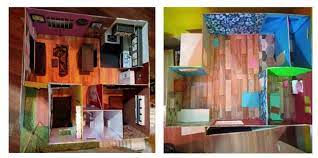
Introduction about B.Sc. Residential Space Design And Management
B.Sc. Residential Space Design and Management: Creating Functional and Aesthetic Homes
In the fast-paced world of today, the demand for comfortable, aesthetically pleasing, and functional living spaces has never been higher. As people seek refuge in their homes, residential space design has gained immense importance. B.Sc. Residential Space Design and Management is an exciting field that equips professionals with the skills to transform houses into beautiful, functional, and sustainable living environments.
Understanding Residential Space Design
Residential space design is the art and science of creating interior spaces that are not only visually appealing but also meet the practical needs of the inhabitants. It involves a comprehensive understanding of design principles, space utilization, color theory, and the selection of materials and furnishings. Residential space designers use their creativity and technical expertise to enhance the quality of life within a home.
The Benefits of a B.Sc. in Residential Space Design
Advantages of pursuing a B.Sc. in this field
By enrolling in a B.Sc. Residential Space Design and Management program, students open doors to a world of opportunities. This degree provides them with the knowledge and expertise required to excel in the interior design industry. Whether it's renovating existing homes or designing new ones, these professionals are in high demand.
Course Curriculum
The curriculum of a B.Sc. program in Residential Space Design covers a wide range of topics. Students delve into areas such as spatial planning, architectural design, sustainable living, and the psychology of design. This well-rounded education prepares them for the real-world challenges they will face in their careers.
Skills Developed in the Program
One of the program's strengths lies in the skills it imparts to students. Graduates are equipped with hands-on experience, and they build a strong professional portfolio during their studies. This practical knowledge is highly valued by employers, making graduates highly employable.
Career Paths and Opportunities
After earning a B.Sc. in Residential Space Design and Management, graduates have various career options to choose from. They can work as interior designers, space planners, design consultants, or even start their own design firms. The industry offers competitive salaries, and professionals in this field can experience steady career growth.
Importance of Aesthetics and Functionality
Balancing aesthetics with functionality is a core principle of residential space design. Professionals in this field understand the importance of creating living spaces that not only look good but also cater to the resident's needs. Case studies of well-designed homes showcase the successful integration of aesthetics and functionality.
Sustainable Design Practices
The world is moving towards sustainable living, and residential space design is no exception. Graduates in this field are well-versed in eco-friendly design practices, including the use of renewable materials and energy-efficient solutions. They play a crucial role in creating living spaces that are not only beautiful but also environmentally responsible.
Future Trends in Residential Space Design
The field of residential space design is dynamic and ever-evolving. To stay relevant, professionals need to keep an eye on future trends. Upcoming design trends include smart homes, multifunctional spaces, and adaptable interiors that cater to changing lifestyles. A B.Sc. in Residential Space Design equips graduates to stay ahead in this rapidly changing industry.
How can I apply for admission to B.Sc. Residential Space Design And Management Program
Certainly! To apply for admission to a B.Sc. Residential Space Design and Management program, you'll typically need to follow these steps:
Research Institutions: Start by researching universities or colleges that offer B.Sc. programs in Residential Space Design and Management. Look for institutions that are accredited and have a strong reputation in the field.
Check Admission Requirements: Review the admission requirements for each institution. These requirements may vary, but generally, you'll need a high school diploma or equivalent, standardized test scores (e.g., SAT or ACT), and possibly a portfolio showcasing your previous design work.
Choose Your Program: Select the specific B.Sc. Residential Space Design and Management program that best aligns with your interests and career goals. Different programs may have varying focuses and course structures.
Online Application: Visit the official website of the institution you've chosen and locate the online application portal. Create an account or log in if you already have one.
Complete the Application: Fill out the application form, providing accurate and complete information. You'll need to enter your personal details, educational history, and contact information.
Transcripts and Test Scores: Upload your high school transcripts and standardized test scores, as required. Ensure that all submitted documents are legible and accurate.
Portfolio Submission: If a portfolio is required, prepare it according to the specific guidelines provided by the institution. Your portfolio should showcase your design skills and creativity.
Letters of Recommendation: Some institutions may request letters of recommendation from teachers, mentors, or employers. Ensure that your recommenders submit these letters promptly.
Statement of Purpose: Write a compelling statement of purpose or personal essay. This is your opportunity to explain why you're interested in the program and how it aligns with your career aspirations.
Application Fee: Pay the application fee, if applicable. Some institutions charge a fee to process your application.
Submit Your Application: Review your application for accuracy and completeness. Once you're satisfied, submit it through the online portal.
Follow up: After submitting your application, keep an eye on your email and online application portal for updates on your application status. You may be required to attend an interview or provide additional information.
Financial Aid: If you need financial assistance, explore scholarship and financial aid options. Many institutions offer scholarships based on academic performance and other criteria.
Acceptance: Once you receive an acceptance letter, carefully read the details of your admission. Pay attention to any deadlines for accepting the offer and submitting any required documents.
Enroll: If you decide to accept the offer of admission, follow the instructions provided to enroll in the program. This may include paying an enrollment deposit and registering for classes.
What is the eligibility for B.Sc. Residential Space Design And Management
The eligibility requirements for a B.Sc. Residential Space Design and Management program may vary depending on the university or college offering the program. However, here are some common eligibility criteria that are typically expected for admission to such a program:
Educational Qualifications:
A high school diploma or its equivalent (e.g., GED).
Successful completion of high school coursework, including subjects like mathematics, science, and arts.
Academic Performance:
Satisfactory academic performance, often measured by a minimum grade point average (GPA). The specific GPA requirement can vary by institution.
Standardized Tests:
Some institutions may require standardized test scores such as the SAT or ACT. The score requirements can differ, so check with the specific institution.
Portfolio (if applicable):
A portfolio showcasing your previous design work may be required. This portfolio is essential to demonstrate your creativity and design skills. The portfolio requirements can vary by institution.
Letters of Recommendation:
Some programs may request letters of recommendation from teachers, mentors, or employers to provide insights into your character and potential as a student.
Statement of Purpose:
A well-written statement of purpose or personal essay explaining your interest in the program and how it aligns with your career goals. This essay is a chance to demonstrate your passion and commitment.
Interview (if applicable):
In some cases, an admissions interview may be part of the process to assess your suitability for the program.
Language Proficiency (for international students):
If English is not your first language, you may need to demonstrate English language proficiency through tests like TOEFL or IELTS.
Specific Course Prerequisites:
Some institutions may have specific prerequisite courses that applicants must have completed in high school. These prerequisites may include subjects related to design, mathematics, or art.
How long does it takes to complete a B.Sc. Residential Space Design And Management program
The duration to complete a B.Sc. Residential Space Design and Management program can vary depending on the specific university or college offering the program and the format in which it is delivered. Typically, the duration for a B.Sc. program in Residential Space Design and Management falls within the range of 3 to 4 years. Here are the common options:
Three-Year Program: Many universities and colleges offer a standard three-year B.Sc. program. This is the most common duration and is equivalent to a full-time undergraduate degree. Students usually complete this program in six semesters.
Four-Year Program: Some institutions may offer a four-year B.Sc. program, which allows for more in-depth study, additional electives, and potential internships or cooperative education experiences. This program is typically structured into eight semesters.
Part-Time or Online Programs: In some cases, universities offer part-time or online B.Sc. programs in Residential Space Design and Management. The duration for these programs can vary and may be more flexible to accommodate working professionals or students with other commitments.
It's important to note that the program duration can also be influenced by factors such as the credit requirements, the specific courses offered, and any internship or co-op components. Additionally, some institutions may offer accelerated options that allow students to complete the program in a shorter time frame, typically by taking a heavier course load.
To get accurate information about the duration of a B.Sc. Residential Space Design and Management program at a specific university or college, it is recommended to visit the institution's official website or contact their admissions or academic advising office. They can provide detailed information on the program's structure, including its duration and any potential variations.
What are potential career opportunities after B.Sc. Residential Space Design And Management
A B.Sc. in Residential Space Design and Management opens up a wide range of career opportunities in the field of interior design, architecture, and related industries. Graduates with this degree possess the knowledge and skills necessary to excel in various roles that involve the design, planning, and management of residential living spaces. Here are some potential career opportunities after completing a B.Sc. in Residential Space Design and Management:
Residential Interior Designer: As a residential interior designer, you'll work with homeowners to create aesthetically pleasing and functional living spaces. This includes selecting furniture, color schemes, lighting, and décor that align with your client's preferences and needs.
Space Planner: Space planners focus on optimizing the use of available space in residential environments. They create efficient layouts that maximize the functionality and flow of living spaces.
Design Consultant: Design consultants provide expert advice to homeowners on interior design choices, including furniture selection, room layouts, and color palettes. They help clients achieve their design goals within their budget.
Architectural Designer: Some graduates choose to work as architectural designers, contributing to the overall design and layout of residential buildings. This role involves collaborating with architects to create structures that meet both aesthetic and functional requirements.
Sustainable Design Specialist: Sustainable design specialists focus on creating eco-friendly and energy-efficient living spaces. They incorporate environmentally responsible materials and practices into their designs to promote sustainability and reduce the environmental impact of residential spaces.
Real Estate Staging Professional: Real estate staging professionals prepare homes for sale by arranging furniture and décor to enhance their appeal to potential buyers. They use their design skills to make properties more marketable.
Design Entrepreneur: Some graduates choose to start their own interior design businesses. They work independently or with a team to offer design services to clients, manage projects, and build their design brands.
Furniture Designer: Furniture designers create custom or unique furniture pieces for residential use. They may work for furniture manufacturers or operate as independent designers.
Product Sales Representative: Graduates can also work in the sales and marketing of interior design products, including furniture, textiles, and home decor. They use their expertise to assist clients in selecting appropriate products for their residential spaces.
Project Manager: Project managers in the field of residential space design oversee the planning and execution of interior design projects. They ensure that projects are completed on time and within budget while meeting the design specifications.
Design Educator: Some graduates opt to become educators, teaching interior design, residential space design, or related courses at educational institutions.
Home Renovation Specialist: Home renovation specialists focus on improving and upgrading existing residential spaces. They may be involved in remodeling kitchens, bathrooms, or other areas to enhance functionality and aesthetics.
Set Designer: Set designers work in the entertainment industry, designing residential spaces for television and film productions. They create realistic and visually appealing settings for various scenes.
Syllabus of B.Sc. Residential Space Design And Management
|
Semester |
Subjects/Courses |
Course Description |
|
Semester 1 |
- Introduction to Interior Design |
An overview of interior design principles and concepts. |
|
- Architectural Basics |
Fundamentals of architecture, including building structure and layout. |
|
|
- Color Theory |
Understanding the psychology of color and its application in design. |
|
|
- Design Software and Technology |
Introduction to design software and technology used in the industry. |
|
|
Semester 2 |
- Spatial Planning and Layouts |
Techniques for optimizing space and creating effective layouts. |
|
- Residential Materials and Finishes |
Study of materials, finishes, and surfaces used in residential design. |
|
|
- History of Interior Design |
Exploring the historical development of interior design. |
|
|
- Sustainability in Residential Design |
Principles of eco-friendly design and sustainable living. |
|
|
Semester 3 |
- Furniture Design and Selection |
Selection and arrangement of furniture in residential spaces. |
|
- Lighting Design |
Principles of lighting design, including artificial and natural lighting. |
|
|
- Design Communication and Presentation |
Techniques for effectively communicating design concepts to clients. |
|
|
- Residential Design Projects |
Hands-on projects involving designing and decorating residential spaces. |
|
|
Semester 4 |
- Building Codes and Regulations |
Understanding building codes and regulations relevant to interior design. |
|
- Kitchen and Bath Design |
Specialized design considerations for kitchens and bathrooms. |
|
|
- Textiles and Fabrics |
Selection and application of textiles and fabrics in residential design. |
|
|
- Design Internship or Practicum (Optional) |
Practical experience in a real-world design setting. |
|
|
Semester 5 |
- Advanced Spatial Planning |
Advanced techniques in space planning and optimizing functionality. |
|
- Residential Design History and Trends |
Exploring historical styles and contemporary design trends in residential spaces. |
|
|
- Project Management and Budgeting |
Skills related to project management, budgeting, and client relationships. |
|
|
- Design Studio |
Comprehensive design projects, integrating all aspects of residential design. |
|
|
Semester 6 |
- Portfolio Development |
Building a professional portfolio showcasing your design work. |
|
- Advanced Lighting and Technology |
In-depth study of advanced lighting design and technology in residential spaces. |
|
|
- Interior Design Laws and Ethics |
Legal and ethical considerations for interior designers. |
|
|
- Capstone Residential Design Project |
A major design project that demonstrates your mastery of residential design. |
Internship opportunities after completing B.Sc. Residential Space Design And Management
Completing a B.Sc. in Residential Space Design and Management opens up various internship opportunities in the field of interior design and related industries. Internships provide valuable hands-on experience, exposure to real-world projects, and the chance to network with professionals in the industry. Here are some internship opportunities that graduates can explore:
Interior Design Firms: Many interior design firms offer internships to students and recent graduates. Interns can work closely with experienced designers, gaining insights into the design process, client interactions, and project management.
Architectural Firms: Architecture firms often have interior design departments where interns can work on the interior aspects of architectural projects. This experience provides a holistic understanding of how interior design fits within the broader scope of architecture.
Real Estate Staging Companies: Interning with a real estate staging company allows students to learn the art of preparing homes for sale. This involves arranging furniture and décor to make properties more appealing to potential buyers.
Furniture Manufacturers and Retailers: Internships with furniture manufacturers or retailers offer a unique perspective on the design and production of furniture. Interns can gain insight into the selection, marketing, and sales of furniture products.
Home Renovation Companies: Home renovation companies may offer internships that involve working on residential renovation and remodeling projects. This experience provides practical knowledge of improving existing spaces.
Design Showrooms: Design showrooms and design centers often have internship opportunities. Interns assist with showcasing design products, interacting with clients, and staying updated on the latest design trends.
Eco-Friendly Design Firms: Interning with firms that specialize in sustainable and eco-friendly design allows students to learn about environmentally responsible design practices and materials.
Set Design for Entertainment: Those interested in set design for television and film can pursue internships with production companies. They work on creating residential sets for various on-screen productions.
Self-Employment: Some graduates may choose to launch their own interior design businesses. While this isn't a traditional internship, it offers the chance to gain practical experience by working on real client projects.
International Opportunities: Internships abroad or with international design firms can provide a global perspective on residential space design and expose graduates to diverse design styles and trends.
Scholorship and grants for B.Sc. Residential Space Design And Management
Students pursuing a B.Sc. in Residential Space Design and Management have various scholarship and grant opportunities available to help cover their educational expenses. These financial aid options can be provided by universities, private organizations, and government institutions. Here are some scholarship and grant opportunities for students in this field:
University Scholarships: Many universities and colleges offer scholarships to incoming and current students based on academic merit, leadership, or financial need. These scholarships may be specific to the field of interior design or related disciplines.
Departmental Scholarships: The department or school offering the B.Sc. program may have scholarships specifically designated for students within that department. These scholarships may consider academic performance, involvement in design projects, or other criteria.
Professional Organizations: Design-related professional organizations often offer scholarships to students pursuing careers in the field. For example, the American Society of Interior Designers (ASID) and the International Interior Design Association (IIDA) have scholarship programs.
Private Foundations: Various private foundations and nonprofit organizations provide scholarships and grants to students in interior design and related majors. Examples include the National Kitchen and Bath Association (NKBA) and the Interior Design Educators Council (IDEC).
Government Grants: Depending on your country of residence, you may be eligible for government grants or financial aid programs that support higher education. These programs may be based on financial need or other criteria.
Ethnic or Minority Scholarships: Some scholarships are specifically available to students from underrepresented ethnic or minority backgrounds. These scholarships aim to promote diversity in the field of interior design.
Women in Design Scholarships: Organizations like Women in Design offer scholarships to female students pursuing careers in design and related fields.
Local Design Associations: Local design associations or chapters of national design organizations may offer scholarships to students in their region. These opportunities are worth exploring, especially if you're a member of these associations.
Industry-Specific Scholarships: Some scholarships are targeted at specific areas within residential space design, such as sustainable design, historic preservation, or kitchen and bath design. Explore scholarships aligned with your area of interest.
Online Scholarship Search Engines: There are various online scholarship search engines, such as Fastweb, Scholarships.com, and Cappex, that allow you to search for scholarships based on your major and interests.
Conclusion
In conclusion, B.Sc. Residential Space Design and Management is a gateway to a fulfilling and rewarding career in the interior design industry. Graduates of this program possess the skills and knowledge needed to create functional, aesthetically pleasing, and sustainable living spaces. As the demand for beautiful homes continues to rise, the opportunities in this field are abundant.
FAQ B.Sc. Residential Space Design And Management
What is Residential Space Design and Management?
Residential Space Design and Management is a field of study that focuses on the planning, design, and management of residential living spaces. It involves creating functional, aesthetically pleasing, and sustainable home environments.
What are the core skills developed in this program?
Students in this program develop skills in spatial planning, color theory, furniture selection, lighting design, and sustainability. They also learn project management and communication skills.
What career opportunities are available after completing a B.Sc. in Residential Space Design and Management?
Graduates can pursue careers as interior designers, space planners, design consultants, architectural designers, sustainable design specialists, and more. They can also start their own design businesses.
How long does it take to complete a B.Sc. program in Residential Space Design and Management?
The duration typically ranges from 3 to 4 years, depending on the institution and whether it's a standard or extended program.
What are the eligibility requirements for this program?
Eligibility requirements often include a high school diploma or equivalent, standardized test scores (if required), and sometimes a portfolio showcasing design work.
Are there internship opportunities for students in this program?
Yes, students often have opportunities to intern with interior design firms, architectural firms, real estate staging companies, and other design-related organizations to gain practical experience.
Are there scholarships available for students pursuing a B.Sc. in Residential Space Design and Management?
Yes, there are scholarships and grants offered by universities, professional organizations, foundations, and government institutions to support students in this field.
What are the potential areas of specialization within Residential Space Design?
Specializations can include sustainable design, historic preservation, kitchen and bath design, and more, allowing students to focus on specific areas of interest.
What is the role of sustainable design in Residential Space Design and Management?
Sustainable design emphasizes eco-friendly and energy-efficient design practices, with a focus on using renewable materials and minimizing environmental impact.
Can I start my own design business after completing this program?
Yes, many graduates choose to become entrepreneurs and start their own interior design businesses, offering design services to clients.
How Shiksha Hub helps you in
-
 Student Counsellors
 -
 Career Counseling
 -
 Research
 -
 24/7 Support
 -
 Scholarships
 -
 Community