Posted by Admin on 30-03-2023 in Shiksha hub
B.SC. Bioinformatics introduction, Admission Registration, Eligibility, Duration, Fees, Syllabus 2024
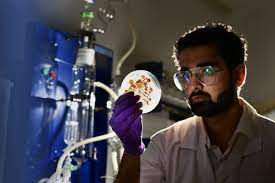
Introduction about B.SC. Bioinformatics
A Bachelor of Science in Bioinformatics, commonly abbreviated as B.Sc. Bioinformatics, is an interdisciplinary field of study that combines biology and computer science to analyze and interpret biological data. This program is designed to equip students with the knowledge and skills needed to handle the vast amounts of biological information generated through advancements in technology and research.
Bioinformatics involves the application of computational techniques and statistical methods to the understanding and interpretation of biological data, such as DNA sequences, protein structures, and other biological molecules. This field plays a crucial role in various aspects of biological research, including genomics, proteomics, structural biology, and systems biology.
The curriculum of a B.Sc. Bioinformatics program typically includes courses in biology, chemistry, computer science, mathematics, and statistics. Students learn how to use computational tools and programming languages to analyze biological data, predict protein structures, and uncover meaningful patterns in large datasets. Additionally, they gain an understanding of biological principles to effectively apply computational methods in solving biological problems.
Graduates with a B.Sc. in Bioinformatics are well-prepared for careers in research institutions, pharmaceutical companies, biotechnology firms, and healthcare organizations. They may work in areas such as genomic analysis, drug discovery, personalized medicine, and bioinformatics software development. Furthermore, the interdisciplinary nature of bioinformatics allows graduates to bridge the gap between traditional biological sciences and the rapidly evolving field of computational biology.
How can I apply for admission B.SC. BIO INFORMATICS Program
To apply for admission to a B.Sc. Bioinformatics program, you typically need to follow a set of steps outlined by the educational institution offering the program. Here is a general guide on how to apply:
Research Programs and Institutions: Start by researching universities or colleges that offer a B.Sc. Bioinformatics program. Look for institutions with a good reputation in the field of bioinformatics and a curriculum that aligns with your interests and career goals.
Check Admission Requirements: Review the admission requirements for the B.Sc. Bioinformatics program at each institution. Requirements may include academic qualifications, standardized test scores, letters of recommendation, and a personal statement.
Educational Qualifications: Ensure that you meet the minimum academic qualifications for admission. Typically, this involves having completed high school or an equivalent qualification with a strong background in biology, chemistry, mathematics, and/or computer science.
Standardized Tests: Some institutions may require standardized test scores such as the SAT or ACT. Check the specific requirements of each institution and plan to take the necessary tests if required.
Application Form: Complete the application form for the B.Sc. Bioinformatics program. This may be available online on the institution's official website. Follow the instructions carefully and provide accurate information.
Transcripts: Submit your high school transcripts or any other educational transcripts as part of your application. Ensure that you meet any minimum GPA requirements specified by the institution.
Letters of Recommendation: Some programs may require letters of recommendation from teachers, counselors, or other individuals who can speak to your academic abilities and character. Request these letters well in advance and submit them as part of your application.
Personal Statement or Essay: Write a personal statement or essay as part of your application. This is an opportunity to showcase your interest in bioinformatics, your academic and career goals, and why you are a suitable candidate for the program.
Application Fee: Be prepared to pay the application fee, if applicable. Some institutions charge a fee to process your application.
Submit Application: Once you have completed all the required steps, submit your application before the deadline. Make sure to keep a record of your application submission and any confirmation details provided by the institution.
Interviews or Additional Requirements: Some programs may require an interview or have additional requirements as part of the admission process. Be prepared to participate in any such activities if needed.
Financial Aid and Scholarships: If you require financial aid, explore scholarship opportunities and submit any additional documents required for financial assistance.
What is the eligibility for B.SC. BIO INFORMATICS
The eligibility criteria for a B.Sc. Bioinformatics program may vary slightly depending on the university or college offering the program. However, here are common eligibility requirements that you might encounter:
Educational Qualifications: Typically, candidates should have completed their higher secondary education or equivalent, such as completing 12 years of schooling. A strong background in science subjects like biology, chemistry, mathematics, and/or computer science is often required.
Minimum Percentage or Grade: Many institutions specify a minimum percentage or grade that applicants must have achieved in their high school or equivalent exams. This minimum requirement may vary, so it's essential to check the specific criteria of the institution you are applying to.
Subject Requirements: Some institutions may have specific subject requirements, such as a certain number of years of study in biology, mathematics, or computer science during high school. Ensure that you have taken the required subjects as per the program's prerequisites.
Entrance Exams: In some cases, universities or colleges may require candidates to take specific entrance exams. These exams could be at the national or institutional level. Examples include standardized tests like the SAT or ACT.
Language Proficiency: For international students or in institutions where the medium of instruction is not the native language, proof of English language proficiency through exams like TOEFL or IELTS may be required.
Additional Requirements: Some institutions may have additional requirements, such as letters of recommendation, a personal statement, or an interview as part of the admission process. Check the specific requirements of the institution you are interested in.
How long does it takes to complete a B.SC. BIO INFORMATICS program
The duration to complete a B.Sc. Bioinformatics program typically spans three to four years, depending on the country and the specific structure of the program. In many countries, including the United States and India, a Bachelor of Science (B.Sc.) program usually consists of four academic years.
Here's a general breakdown of the time frame:
Semesters/Trimesters: B.Sc. Bioinformatics programs are usually organized into semesters or trimesters. Each academic year is divided into multiple terms, and students take a set number of courses during each term.
Credit Hours: The program's duration is often measured in credit hours. A certain number of credit hours must be completed to fulfill the requirements for graduation. The total credit hours required can vary between institutions.
Internship/Project Period (if applicable): Some programs may include an internship or a project period, where students gain practical experience in a laboratory or industry setting. This component can extend the overall duration of the program.
Thesis or Final Project (if applicable): Towards the end of the program, students may be required to undertake a research thesis or a final project. The time needed to complete this can vary, and it may be a significant factor in determining the overall program duration.
Elective Courses: Depending on the program structure, students may have the flexibility to choose elective courses. The time to complete the program can be influenced by the number of electives taken.
Internship opportunities after completing B.SC. BIO INFORMATICS
After completing a B.Sc. in Bioinformatics, graduates have various internship opportunities available to gain practical experience and further develop their skills. Internships are valuable for transitioning from academic studies to the professional workplace. Here are several potential internship opportunities for individuals with a B.Sc. in Bioinformatics:
Biotechnology Companies: Many biotechnology firms offer internships for bioinformatics graduates to work on projects related to genomics, drug discovery, and computational biology.
Pharmaceutical Industry: Pharmaceutical companies often provide internships in areas such as bioinformatics, where individuals can contribute to drug development processes, analyze biological data, and support research initiatives.
Research Institutions: Internships at research institutions, universities, and laboratories allow graduates to collaborate on cutting-edge research projects, contributing to advancements in the field.
Healthcare Organizations: Hospitals and healthcare institutions may offer internships for bioinformatics graduates to work on projects related to personalized medicine, patient data analysis, and bioinformatics applications in healthcare.
Bioinformatics Service Providers: Companies that specialize in bioinformatics services may offer internships in areas such as data analysis, software development, and bioinformatics consulting.
Government Agencies: Some government agencies, such as those involved in health or agriculture, may have internship programs for bioinformatics graduates to work on projects related to public health, disease surveillance, or biosecurity.
Agribusiness and Agriculture Companies: Internship opportunities in agribusiness may involve working on projects related to crop genetics, plant genomics, and bioinformatics applications in agriculture.
Data Science and Technology Companies: With the growing importance of data science, technology companies and startups may offer internships for bioinformatics graduates to apply their skills in data analysis, machine learning, and software development.
Environmental and Conservation Organizations: Organizations focused on environmental conservation and biodiversity may provide internships for bioinformatics graduates to work on projects related to ecological genomics and conservation biology.
Nonprofit and Global Health Organizations: Nonprofit organizations working in global health and public health may have internships for bioinformatics graduates interested in contributing to projects with a societal impact.
When seeking internships, it's beneficial for graduates to explore opportunities that align with their specific interests and career goals. Networking, attending industry events, and leveraging university career services can help in identifying and securing relevant internship opportunities. Additionally, online job platforms, company websites, and professional organizations in the field of bioinformatics can be valuable resources for finding internship openings.
Scholarship and grants for B.SC. BIO INFORMATICS
Scholarships and grants for B.Sc. in Bioinformatics are available through various sources, including universities, government programs, private organizations, and professional associations. These financial aid options can help students cover tuition, fees, and other educational expenses. Here are some potential avenues for scholarships and grants in the field of Bioinformatics:
University Scholarships: Many universities offer merit-based scholarships and need-based grants to incoming students. These scholarships may be specific to the bioinformatics program or the broader field of science and technology.
Departmental Scholarships: Some universities have scholarships specifically designated for students within the Department of Bioinformatics or related departments. These scholarships may be based on academic achievement, research potential, or other criteria.
Research Grants and Fellowships: Research-oriented organizations and institutions often provide grants and fellowships to support undergraduate research projects. These opportunities can be valuable for students looking to gain research experience in bioinformatics.
Government Scholarships and Grants: Government agencies at the national and regional levels may offer scholarships or grants for students pursuing degrees in bioinformatics. Check with relevant education departments or agencies in your country for potential opportunities.
Professional Associations: Organizations related to bioinformatics and computational biology may offer scholarships to students entering the field. Examples include the International Society for Computational Biology (ISCB) or regional bioinformatics associations.
Industry-Specific Scholarships: Companies in the biotechnology, pharmaceutical, and technology sectors may provide scholarships to students pursuing bioinformatics degrees. These scholarships often come with the opportunity for internships or mentorship programs.
Diversity and Inclusion Scholarships: Some scholarships are specifically aimed at promoting diversity and inclusion in STEM fields, including bioinformatics. These scholarships may target underrepresented groups in science, technology, engineering, and mathematics.
Nonprofit Organizations: Nonprofit organizations with a focus on science and education may offer scholarships to support students in bioinformatics. Explore opportunities provided by organizations dedicated to advancing research and education in the life sciences.
International Scholarships: Students pursuing B.Sc. in Bioinformatics in a foreign country may be eligible for international scholarships provided by governments, universities, or international organizations.
Online Platforms and Databases: Utilize online scholarship databases and platforms that aggregate information on available scholarships. Websites like Scholarship.com, Fastweb, and Chegg can be useful in identifying relevant opportunities.
Syllabus of B.SC. BIO INFORMATICS
|
Course Title |
Credits |
|---|---|
|
Biology I: Introduction to Biology |
3 |
|
Chemistry I: General Chemistry |
3 |
|
Mathematics I: Calculus |
3 |
|
Computer Science I: Programming Fundamentals |
3 |
|
English Communication Skills I |
2 |
|
Laboratory Practical (Biology/Chemistry) |
2 |
|
Course Title |
Credits |
|---|---|
|
Biology II: Cell Biology |
3 |
|
Chemistry II: Organic Chemistry |
3 |
|
Mathematics II: Statistics |
3 |
|
Computer Science II: Data Structures |
3 |
|
English Communication Skills II |
2 |
|
Laboratory Practical (Biology/Chemistry) |
2 |
|
Course Title |
Credits |
|---|---|
|
Genetics and Genomics |
3 |
|
Bioinformatics I: Introduction to Bioinformatics |
3 |
|
Mathematics III: Discrete Mathematics |
3 |
|
Programming for Bioinformatics |
3 |
|
Ethics in Science |
2 |
|
Laboratory Practical (Bioinformatics) |
2 |
|
Course Title |
Credits |
|---|---|
|
Structural Biology |
3 |
|
Bioinformatics II: Sequence Analysis |
3 |
|
Database Management Systems |
3 |
|
Algorithms in Bioinformatics |
3 |
|
Environmental Science |
2 |
|
Laboratory Practical (Bioinformatics) |
2 |
|
Course Title |
Credits |
|---|---|
|
Systems Biology |
3 |
|
Bioinformatics III: Structural Bioinformatics |
3 |
|
Immunology |
3 |
|
Machine Learning for Bioinformatics |
3 |
|
Elective Course I |
3 |
|
Laboratory Practical (Bioinformatics) |
2 |
|
Course Title |
Credits |
|---|---|
|
Comparative Genomics |
3 |
|
Bioinformatics IV: Data Mining and Visualization |
3 |
|
Human Biology and Disease |
3 |
|
Project Work |
6 |
|
Elective Course II |
3 |
|
Laboratory Practical (Bioinformatics) |
2 |
Conclusion:
In conclusion, pursuing a B.Sc. in Bioinformatics opens doors to a dynamic and interdisciplinary field at the intersection of biology and computer science. This program equips students with a solid foundation in biological sciences, mathematics, and computational techniques, preparing them for a range of career opportunities in research, biotechnology, healthcare, and more. As technology continues to advance, the demand for bioinformatics professionals is expected to grow, making this an exciting and promising field of study. Graduates of a B.Sc. Bioinformatics program are well-positioned to contribute to advancements in genomics, drug discovery, and other areas that rely on the integration of biological data and computational methods.
FAQs
Q: What is Bioinformatics? A: Bioinformatics is an interdisciplinary field that applies computational techniques and statistical methods to analyze and interpret biological data. It involves the use of computer science and informatics tools to understand complex biological processes, particularly in genomics, proteomics, and systems biology.
Q: What are the career prospects after completing a B.Sc. in Bioinformatics? A: Graduates of B.Sc. Bioinformatics programs can pursue careers in various fields, including genomic analysis, drug discovery, bioinformatics software development, healthcare informatics, and research institutions. Opportunities exist in pharmaceutical companies, biotechnology firms, healthcare organizations, and academic research.
Q: Is programming knowledge essential for Bioinformatics? A: Yes, programming knowledge is typically essential for bioinformatics professionals. Understanding programming languages, such as Python, R, and Java, is crucial for data analysis, algorithm development, and software implementation in bioinformatics.
Q: Are there opportunities for internships during a B.Sc. Bioinformatics program? A: Yes, many universities and industry partners offer internship opportunities for B.Sc. Bioinformatics students. Internships provide valuable hands-on experience and the opportunity to apply theoretical knowledge in real-world settings.
Q: What elective courses are available in a B.Sc. Bioinformatics program? A: Elective courses in a B.Sc. Bioinformatics program may vary but often include specialized topics such as computational biology, machine learning for bioinformatics, structural bioinformatics, and personalized medicine. The choice of electives allows students to tailor their education to their specific interests.
Q: Can I pursue further studies after completing a B.Sc. in Bioinformatics? A: Yes, graduates can pursue advanced degrees such as M.Sc. or Ph.D. in Bioinformatics or related fields. Higher education provides opportunities for specialization and research, opening up avenues for leadership roles and advanced careers in academia or industry.
Q: Are there scholarships available for B.Sc. Bioinformatics students? A: Yes, various scholarships and grants are available for B.Sc. Bioinformatics students. These may be offered by universities, government programs, industry organizations, and nonprofit foundations. Students are encouraged to explore and apply for relevant scholarships to support their education.
How Shiksha Hub helps you in
-
 Student Counsellors
 -
 Career Counseling
 -
 Research
 -
 24/7 Support
 -
 Scholarships
 -
 Community