Posted by Admin on 14-08-2023 in Shiksha hub
B.VOC. Tool and Die Manufacturing, Introduction, Admission, Registration, Eligibility, Duration, Fees, Syllabus 2024
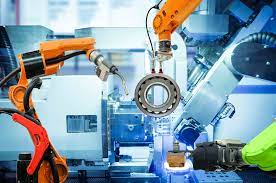
Introduction about B.VOC. Tool and Die Manufacturing
In the fast-evolving world of manufacturing and industry, the role of tool and die manufacturing cannot be understated. This specialized field plays a crucial role in shaping various products, from automotive components to consumer goods. But what is B.VOC. Tool and Die Manufacturing, and how does it contribute to this dynamic sector?
The Significance of Tool and Die Manufacturing
Tool and die manufacturing is the process of creating specialized tools, molds, and dies used in the production of precision-engineered components. These components are the building blocks of countless industries, making this field essential for modern manufacturing.
The Journey of B.VOC. Programs
B.VOC. (Bachelor of Vocation) programs have gained popularity in recent years due to their focus on skill development and practical knowledge. B.VOC. Tool and Die Manufacturing is one such program, designed to equip students with the expertise needed in this niche sector.
Exploring B.VOC. Tool and Die Manufacturing Curriculum
The curriculum of a B.VOC. Tool and Die Manufacturing program typically includes courses on precision machining, CAD/CAM design, material science, and quality control. These subjects provide students with a comprehensive understanding of the field.
Career Opportunities in Tool and Die Manufacturing
Graduates of B.VOC. Tool and Die Manufacturing programs have a wide range of career opportunities at their disposal. They can work as tool and die makers, CNC machinists, quality control engineers, or even pursue roles in tool design and development.
Industry Demand for Skilled Professionals
The manufacturing industry is constantly evolving, and the demand for skilled professionals in tool and die manufacturing is on the rise. This demand is driven by the need for precision-engineered products in various sectors.
B.VOC. Tool and Die Manufacturing vs. Traditional Education
A B.VOC. program differs from traditional education in its hands-on approach. While traditional education emphasizes theoretical knowledge, B.VOC. programs prioritize practical skills and real-world experience.
Benefits of Pursuing a B.VOC. in Tool and Die Manufacturing
There are several benefits to pursuing a B.VOC. in Tool and Die Manufacturing. Students gain industry-specific skills, making them more employable and ready for immediate contribution to the workforce.
Top Institutions Offering B.VOC. Programs
Numerous institutions worldwide offer B.VOC. programs in Tool and Die Manufacturing. Some of the top institutions provide state-of-the-art facilities and expert faculty members.
Admission and Eligibility Criteria
To join a B.VOC. program in Tool and Die Manufacturing, students need to meet specific eligibility criteria. These criteria may vary from one institution to another, but they generally include a minimum educational qualification.
Future Prospects for B.VOC. Graduates
The future prospects for B.VOC. graduates are promising. With their specialized skills and knowledge, they are well-positioned to meet the evolving demands of the manufacturing industry.
Success Stories: Real-World Impact of B.VOC. Graduates
Several B.VOC. graduates have made significant contributions to the tool and die manufacturing sector. Their success stories showcase the impact of practical education in this field.
Overcoming Challenges in Tool and Die Manufacturing
Despite the promising future, the tool and die manufacturing industry faces challenges. Graduates equipped with a B.VOC. are well-prepared to address these challenges and contribute to solutions.
Navigating a Dynamic Industry
The tool and die manufacturing industry is dynamic, with technological advancements and changing market trends. B.VOC. graduates are adaptable and equipped to navigate these shifts.
How can I apply for admission to B.VOC. Tool and Die Manufacturing
To apply for admission to a B.VOC. Tool and Die Manufacturing program, you'll need to follow a few steps. Here's a general guide on how to get started:
Research Institutions: Start by researching institutions that offer B.VOC. Tool and Die Manufacturing programs. Look for colleges or universities that are renowned for their engineering and manufacturing programs.
Check Eligibility: Review the eligibility criteria set by the institution of your choice. Typically, you'll need a minimum educational qualification, such as a high school diploma or equivalent.
Application Form: Obtain the application form from the institution's official website or admission office. Most institutions offer online application options for added convenience.
Fill Out the Application: Complete the application form with accurate and up-to-date information. Make sure to double-check your details, as inaccuracies can lead to application rejection.
Submit Required Documents: Along with the application form, you will be required to submit certain documents, which may include:
High school transcripts or equivalent certificates.
Identity proof (e.g., passport, Aadhar card, or driver's license).
Passport-sized photographs.
Proof of residence.
Application Fee: Pay the required application fee, if applicable. Be sure to check the institution's official website or contact the admission office for information on application fees.
Entrance Exams (if applicable): Some institutions may require you to take an entrance exam as part of the admission process. Prepare for these exams well in advance.
Submit Your Application: Once you've filled out the form and gathered the necessary documents, submit your application by the specified deadline. Late submissions may not be accepted.
Wait for Admission Notifications: After submitting your application, you'll need to wait for the admission authorities to review your application. Keep an eye on your email and the institution's official website for admission notifications.
Interview or Counseling (if required): Some institutions may conduct interviews or counseling sessions as part of the admission process. Prepare for these sessions, as they may determine your final admission status.
Pay Tuition Fees: If you receive an admission offer, you will need to pay the required tuition fees to secure your seat in the program. Make sure to meet the payment deadline.
Complete Admission Formalities: Follow the institution's instructions for completing any additional admission formalities, such as document verification or orientation sessions.
Commence Your B.VOC. Program: Once you've successfully completed all the admission requirements, you can start your B.VOC. Tool and Die Manufacturing program and begin your journey toward a career in this dynamic field.
What is the eligibility for B.VOC. Tool and Die Manufacturing
The eligibility criteria for B.VOC. Tool and Die Manufacturing programs may vary slightly depending on the institution offering the program. However, here are the typical eligibility requirements you can expect:
Educational Qualification: Candidates applying for a B.VOC. Tool and Die Manufacturing program should have completed their higher secondary education or an equivalent qualification. This often means you need to have passed your 12th-grade exams or its international equivalent.
Minimum Marks: Some institutions may have specific minimum percentage or grade requirements in your higher secondary education. The required minimum marks can vary from one institution to another, so it's essential to check the institution's official website or admission brochure for this information.
Subject Requirements: While not all institutions have subject-specific requirements, some may prefer candidates with a background in science, particularly physics and mathematics. Having studied subjects related to engineering or manufacturing can be an advantage.
Age Limit: Certain institutions may have an age limit for admission. You must ensure that you fall within the specified age range set by the institution.
Entrance Exam: Some institutions may conduct entrance exams as part of their admission process. Candidates are required to clear these exams to be eligible for admission. Be sure to prepare for these exams if they are a part of the admission process.
Interview or Counseling (if applicable): In some cases, institutions may conduct interviews or counseling sessions to assess the candidates' suitability for the program.
English Proficiency (if applicable): If you are not a native English speaker or if your previous education was not in English, some institutions may require proof of English language proficiency. This can be demonstrated through standardized tests like IELTS or TOEFL.
How long does it takes to complete a B.VOC. Tool and Die Manufacturing
The duration to complete a B.VOC. (Bachelor of Vocation) Tool and Die Manufacturing program typically spans three years. These three years are divided into six semesters, with each semester lasting around six months. The program is designed to provide students with a comprehensive education in tool and die manufacturing, covering both theoretical knowledge and practical skills.
The three-year duration allows students to gain a solid foundation in the field and develop expertise in areas such as precision machining, CAD/CAM design, quality control, and material science. Throughout the program, students also engage in hands-on training, practical projects, and often undertake internships or industry placements to apply their knowledge in real-world settings.
What are potential career opportunities after B.VOC. Tool and Die Manufacturing
After completing a B.VOC. Tool and Die Manufacturing program, graduates have a wide range of career opportunities in the field. This specialized program equips them with the skills and knowledge needed for various roles in the manufacturing and engineering industry. Here are some potential career opportunities:
Tool and Die Maker: Graduates can work as tool and die makers, responsible for designing, crafting, and maintaining the tools, dies, and molds used in manufacturing processes.
CNC Machinist: CNC (Computer Numerical Control) machinists operate and program computer-controlled machines to produce precision parts and components.
Quality Control Engineer: Quality control engineers are responsible for ensuring that products meet specific quality standards and specifications. They inspect, test, and analyze components to maintain quality.
Tool Designer: Tool designers create and improve tools, dies, and molds to enhance manufacturing efficiency and quality. They use CAD/CAM software to design these tools.
Manufacturing Engineer: Manufacturing engineers optimize production processes, minimize costs, and improve product quality. They work on process design, layout, and continuous improvement.
Production Manager: Production managers oversee the day-to-day operations of manufacturing facilities, ensuring that production goals are met, and quality standards are maintained.
Process Engineer: Process engineers focus on optimizing manufacturing processes to improve efficiency, reduce waste, and enhance overall productivity.
Research and Development (R&D) Engineer: R&D engineers work on designing and developing new tools, dies, and manufacturing processes, often contributing to innovation within the field.
Automation Engineer: Automation engineers design, implement, and maintain automated systems in manufacturing, increasing efficiency and reducing labor-intensive tasks.
Maintenance Technician: Maintenance technicians are responsible for ensuring that manufacturing equipment and machinery are in working order. They perform routine maintenance and repairs.
Tool and Die Instructor: Some B.VOC. graduates choose to teach the next generation of tool and die professionals by becoming instructors or trainers in vocational or technical schools.
Entrepreneurship: Graduates with a strong entrepreneurial spirit may choose to start their own tool and die manufacturing businesses, providing services to various industries.
Consultant: Experienced professionals may offer their expertise as consultants to manufacturing companies seeking to improve their tool and die processes.
Supervisor or Manager Roles: With experience, B.VOC. graduates can progress to supervisory or managerial positions, overseeing teams and entire manufacturing operations.
Further Education: Some graduates opt for higher education, pursuing master's degrees or additional certifications to specialize further in areas like advanced manufacturing or engineering management.
Syllabus of B.VOC. Tool and Die Manufacturing
The syllabus of a B.VOC. (Bachelor of Vocation) Tool and Die Manufacturing program is typically divided into semesters, with each semester covering specific subjects and topics. Below is a semester-wise breakdown of a typical syllabus for a B.VOC. Tool and Die Manufacturing program:
Semester 1:
Introduction to Manufacturing Technology: An overview of manufacturing processes, materials, and techniques used in tool and die manufacturing.
Engineering Drawing and CAD: Fundamentals of engineering drawing, including 2D and 3D modeling using Computer-Aided Design (CAD) software.
Basic Machining Processes: Introduction to basic machining processes, such as turning, milling, drilling, and grinding.
Workshop Practice: Hands-on experience in using machine tools and equipment for basic machining operations.
Semester 2:
Materials Science: Study of materials used in tool and die manufacturing, including properties, selection, and heat treatment.
Metrology and Quality Control: Measurement techniques, quality control methods, and inspection processes in manufacturing.
CNC Machining: Understanding Computer Numerical Control (CNC) machining, programming, and operation of CNC machines.
Tool and Die Design: Introduction to tool and die design principles and practices.
Semester 3:
Advanced Machining Processes: In-depth exploration of advanced machining techniques, such as electro-discharge machining (EDM) and abrasive water jet machining.
Manufacturing Processes in Tool and Die Making: Detailed study of manufacturing processes specific to tool and die making.
CAD/CAM Software: Advanced training in Computer-Aided Design and Computer-Aided Manufacturing (CAD/CAM) software.
Tool and Die Materials: Selection and properties of materials used in tool and die manufacturing, with a focus on tool steels.
Semester 4:
Metrology and Quality Assurance: Advanced concepts in metrology and quality assurance, including statistical process control (SPC) and quality management.
Jigs and Fixtures: Design and application of jigs and fixtures in manufacturing.
Tool and Die Maintenance: Maintenance and repair of tools and dies to ensure their longevity and functionality.
Industrial Training (Internship): Practical training in an industrial setting to apply knowledge and skills acquired in the program.
Semester 5:
Manufacturing Process Optimization: Techniques for optimizing manufacturing processes for efficiency and cost-effectiveness.
Tool and Die Inspection and Testing: Advanced methods for inspecting, testing, and troubleshooting tools and dies.
Project Work: Completion of a major project related to tool and die manufacturing.
Semester 6:
Entrepreneurship Development: Basics of entrepreneurship and business management in the context of tool and die manufacturing.
Tool and Die Manufacturing Automation: Introduction to automation and robotics in tool and die manufacturing.
Advanced Tool and Die Design: Advanced concepts in tool and die design, including progressive dies and compound dies.
Industry Visit and Report: Visit to tool and die manufacturing facilities, followed by a report on the experience.
Internship opportunities after completing B.VOC. Tool and Die Manufacturing
After completing a B.VOC. (Bachelor of Vocation) in Tool and Die Manufacturing, graduates have several internship opportunities to gain practical experience in the field. Internships provide hands-on exposure to real-world manufacturing processes, tool and die production, and quality control. Here are some internship opportunities that B.VOC. graduates can explore:
Manufacturing Companies: Many manufacturing companies, especially those involved in automotive, aerospace, consumer electronics, and other precision engineering industries, offer internships for tool and die manufacturing students. Interns may work in tool rooms, die shops, or production facilities.
Tool and Die Shops: Specialized tool and die shops often provide internship opportunities for students. Interns can gain experience in designing, fabricating, and maintaining tools and dies, and they may work on various projects under the guidance of experienced professionals.
Automotive Industry: The automotive sector offers significant opportunities for tool and die manufacturing internships. Interns can be involved in the production of automobile components, stamping dies, and injection molds.
Aerospace Industry: Aerospace companies require precise and high-quality tool and die manufacturing for aircraft components. Internships in this sector provide exposure to advanced manufacturing techniques.
Consumer Electronics: Internships in consumer electronics manufacturing allow students to work on tool and die projects related to product enclosures, casings, and intricate components.
Machine Tool Manufacturers: Companies that produce machine tools often offer internships. Interns can learn about the latest machining technologies and CNC equipment.
Quality Control Labs: Quality control is crucial in tool and die manufacturing. Interns can work in quality control labs, conducting inspections and ensuring products meet industry standards.
Research and Development (R&D) Centers: Some companies have R&D centers dedicated to tool and die innovation. Interns can participate in cutting-edge research and development projects.
Government Manufacturing Initiatives: Government initiatives to promote manufacturing may include internship programs in collaboration with educational institutions. These programs aim to train students for skilled roles in the manufacturing sector.
Tool and Die Associations: Tool and die associations and industry organizations sometimes facilitate internship placements with member companies. These internships often come with networking opportunities.
Precision Machining Workshops: Precision machining workshops and facilities offer internships focused on advanced machining techniques and equipment.
Die Casting and Injection Molding Companies: Internships with die casting and injection molding companies allow students to work on tooling for casting and molding processes.
Tool and Die Training Centers: Some vocational training centers and institutes with industry connections offer internship programs as part of their B.VOC. curriculum.
Scholarship and grants for B.VOC. Tool and Die Manufacturing
Scholarships and grants for a B.VOC. (Bachelor of Vocation) in Tool and Die Manufacturing can help ease the financial burden of pursuing higher education. These financial aid options can be offered by various sources, including government agencies, educational institutions, private organizations, and industry associations. Here are some potential scholarships and grants that students pursuing a B.VOC. in Tool and Die Manufacturing may consider:
Government Scholarships: In many countries, government agencies provide scholarships and grants for vocational education programs, including B.VOC. Some of these programs may be specifically designed for students pursuing vocational courses in fields like manufacturing.
Educational Institution Scholarships: Colleges and universities offering B.VOC. programs often have their own scholarship programs. These scholarships may be based on academic merit, financial need, or specific criteria related to the field of study.
Industry-Specific Scholarships: Some organizations and industry associations in the manufacturing sector offer scholarships to students pursuing tool and die manufacturing programs. These scholarships are designed to support future professionals in the industry.
Merit-Based Scholarships: Merit-based scholarships are awarded to students who demonstrate outstanding academic achievements, leadership skills, or other exceptional qualities. These scholarships are typically highly competitive and may cover tuition and living expenses.
Need-Based Scholarships: Need-based scholarships are awarded to students with demonstrated financial need. These scholarships aim to make higher education more accessible to individuals who may not have the means to fund their education.
Vocational Scholarships: Some scholarship programs are specifically targeted at students pursuing vocational courses, including B.VOC. programs. These scholarships may be offered by vocational training institutes or vocational education boards.
Corporate Scholarships: Manufacturing companies or corporations in related industries may provide scholarships to support students pursuing careers in tool and die manufacturing. These scholarships often come with opportunities for internships or job placements.
Community and Local Scholarships: Many local community organizations, foundations, and businesses offer scholarships to students residing in their community. These scholarships can help students with their education expenses.
State and Regional Scholarships: State governments and regional authorities may offer scholarships and grants to students pursuing vocational education. These opportunities can vary by location.
Specialized Scholarships: Some scholarships are awarded based on specific criteria, such as gender, ethnicity, disability, or other factors. Students can search for scholarships that align with their individual circumstances.
Trade Unions and Labor Organizations: Some trade unions and labor organizations offer scholarships to students pursuing vocational and technical education, including tool and die manufacturing programs.
Conclusion
In conclusion, the journey of B.VOC. Tool and Die Manufacturing programs encapsulates a holistic approach to education, addressing not only the technical aspects but also the broader skills needed for success. As industries continue to evolve, the significance of these programs becomes even more pronounced in shaping the workforce of tomorrow.
FAQ,s
What is B.VOC. Tool and Die Manufacturing?
B.VOC. Tool and Die Manufacturing is a vocational education program designed to provide students with specialized skills and knowledge in the field of manufacturing precision tools, dies, and molds.
What are the career opportunities after completing B.VOC. Tool and Die Manufacturing?
Graduates can pursue careers as tool and die makers, CNC machinists, quality control engineers, tool designers, and more in industries like automotive, aerospace, and consumer goods.
What is the duration of a B.VOC. Tool and Die Manufacturing program?
A typical B.VOC. Tool and Die Manufacturing program is three years in duration, divided into six semesters.
What are the eligibility criteria for this program?
Eligibility criteria usually include a high school diploma or equivalent, with specific minimum marks, and may vary depending on the institution.
Are there internship opportunities for B.VOC. graduates in this field?
Yes, B.VOC. graduates can find internship opportunities in manufacturing companies, tool and die shops, and various industries to gain hands-on experience.
What subjects are covered in the B.VOC. Tool and Die Manufacturing curriculum?
The curriculum typically includes subjects such as machining processes, materials science, CNC machining, tool and die design, quality control, and more.
Are scholarships available for B.VOC. Tool and Die Manufacturing students?
Scholarships and grants are available from various sources, including government agencies, educational institutions, industry associations, and corporations.
How does B.VOC. Tool and Die Manufacturing differ from traditional engineering programs?
B.VOC. programs emphasize practical skills and hands-on experience, making them more vocationally oriented, while traditional engineering programs often focus on theoretical knowledge.
What is the significance of tool and die manufacturing in various industries?
Tool and die manufacturing is essential for producing precision-engineered components in industries like automotive, aerospace, and manufacturing.
Can B.VOC. graduates pursue higher education or specialization in the field?
Yes, graduates can further their education with master's degrees or additional certifications in advanced manufacturing or related areas.
How Shiksha Hub helps you in
-
 Student Counsellors
 -
 Career Counseling
 -
 Research
 -
 24/7 Support
 -
 Scholarships
 -
 Community