Posted by Admin on 08-07-2023 in Shiksha hub
Cast & Diamonds-set Jewellery Metal Setter (Basic) Admission, Registration, Eligibility, Duration, Fees, Syllabus 2024
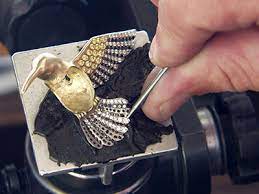
Introduction about Cast & Diamonds-set Jewellery Metal Setter (Basic)
Jewellery, a timeless expression of beauty, often owes its allure to the intricate artistry of metal setting. Among the skilled craftsmen in this field, the Jewellery Metal Setter stands as a crucial contributor to the creation of stunning diamond-set pieces. This article delves into the fundamental aspects of this art, exploring the essential techniques, tools, and the evolving landscape of the jewellery metal setting profession.
Role of a Jewellery Metal Setter
Definition and Responsibilities
A Jewellery Metal Setter is a craftsman responsible for securely placing and arranging gemstones, particularly diamonds, onto a metal base. This meticulous task requires a keen eye for detail and precision. The setter ensures that each stone is not only firmly fixed but also positioned to enhance the overall aesthetics of the jewellery piece.
Skills Required
To excel in this role, a metal setter must possess a range of skills. Patience, dexterity, and a deep understanding of different setting techniques are essential. The ability to work with various metals, adapt to evolving design trends, and collaborate with other artisans in the jewellery-making process is also crucial.
Types of Metals Used in Jewellery Setting
Gold, silver, platinum, and other metals serve as the canvas for a metal setter's artistry. Each metal presents unique challenges and opportunities. Gold, for example, is malleable and allows for intricate designs, while platinum offers durability and a modern aesthetic. Understanding the properties of each metal is paramount for a metal setter.
Diamond Setting Techniques
Prong Setting
One of the classic methods, prong setting involves using small metal claws to secure a diamond in place. This technique allows for maximum light exposure, enhancing the brilliance of the stone.
Bezel Setting
In bezel setting, a metal collar surrounds the diamond, holding it securely. This technique offers a sleek and contemporary look while providing extra protection for the stone.
Pave Setting
Pave setting involves placing small diamonds closely together, creating a paved appearance. This technique adds a touch of glamour and is often used for creating intricate patterns.
Tools of the Trade
Precision is the hallmark of a skilled metal setter, and the tools they use play a pivotal role in achieving this precision. Traditional hand tools, such as tweezers and prong pushers, coexist with modern laser technology and computer-aided design (CAD) software, enabling a seamless blend of traditional craftsmanship and cutting-edge techniques.
Training and Education
Formal Education vs. On-the-Job Training
While some metal setters undergo formal education in jewellery design and metalwork, many acquire their skills through apprenticeships and on-the-job training. The hands-on experience is invaluable, allowing them to refine their techniques under the guidance of seasoned professionals.
Certification and Apprenticeships
Certifications from reputable jewellery institutes validate a metal setter's skills and enhance their credibility in the industry. Apprenticeships, often offered by established jewellery houses, provide aspiring setters with practical exposure to real-world projects.
Challenges Faced by Metal Setters
In a world where precision and attention to detail are paramount, metal setters encounter various challenges. The demand for perfection, coupled with ever-changing trends in jewellery design, requires adaptability and continuous learning.
Innovation in Metal Setting
The advent of technology has revolutionized the field of jewellery metal setting. From the use of laser technology for precision cutting to CAD software for intricate design planning, innovation has become synonymous with this age-old craft. Customization and personalization are also on the rise, allowing clients to participate in the creative process.
Career Opportunities
Working for Jewellery Brands
Many metal setters find fulfilling careers working for established jewellery brands. Collaborating with designers, gemologists, and other craftsmen, they contribute to the creation of high-quality, sought-after pieces.
Freelancing and Entrepreneurship
For those seeking independence, freelancing and entrepreneurship offer avenues to showcase individual creativity. Some metal setters establish their workshops, creating bespoke pieces for a niche clientele.
Ethical and Sustainable Metal Setting
As consumer awareness grows, ethical and sustainable practices become integral to the jewellery industry. Responsible sourcing of materials, adherence to fair labor practices, and eco-friendly manufacturing processes are increasingly important considerations for metal setters and the industry as a whole.
Famous Metal Setters and their Work
The world of jewellery metal setting boasts legendary craftsmen whose work has left an indelible mark. From iconic pieces worn by celebrities to timeless creations showcased in museums, these artists inspire and set the standard for excellence.
Future Trends in Jewellery Metal Setting
As jewellery design evolves, metal setting follows suit. The future promises a fusion of traditional and contemporary styles, with technology playing a more significant role. The integration of smart technology, such as embedded sensors or interactive elements, opens new possibilities for innovative designs.
Cost Factors in Metal Setting
Materials Cost
The type of metal and gemstones used significantly influences the cost of metal setting. Precious metals like platinum and diamonds command higher prices, contributing to the overall value of the jewellery piece.
Labor and Expertise Cost
Skilled craftsmanship comes at a price. The expertise of a seasoned metal setter, honed through years of experience, contributes to the labor cost of a piece. High-quality workmanship is often reflected in the final price tag.
Tips for Maintaining Diamond-set Jewellery
Cleaning and Care
Regular cleaning helps maintain the sparkle of diamond-set jewellery. Using mild soapy water and a soft brush
How can I apply for admission to Cast & Diamonds-set Jewellery Metal Setter (Basic) Program
Certainly! If you're interested in pursuing a career as a Jewellery Metal Setter and want to enroll in a Cast & Diamonds-set Jewellery Metal Setter (Basic) program, here's a step-by-step guide on how to apply:
Research Programs: Begin by researching institutions or schools that offer Jewellery Metal Setting programs. Look for reputable institutions with a focus on hands-on training and a comprehensive curriculum.
Check Admission Requirements: Review the admission requirements for each program. These may include educational qualifications, prerequisites, or a certain level of proficiency in jewellery design and metalwork.
Prepare Necessary Documents: Gather all necessary documents for the application process. This may include academic transcripts, letters of recommendation, a resume highlighting any relevant experience, and a statement of purpose expressing your interest in the program.
Online Application: Most institutions have an online application process. Visit the official website of the chosen institution and complete the online application form. Provide accurate information and double-check for any additional documents required to be uploaded.
Application Fee: Be prepared to pay the application fee, if applicable. This fee typically covers the administrative costs associated with processing your application.
Submit Portfolio (if required): Some programs may request a portfolio showcasing your previous work or projects related to jewellery design or metalwork. Make sure your portfolio is well-organized and demonstrates your skills and creativity.
Schedule an Interview (if required): Certain institutions may require an interview as part of the admission process. If so, be prepared to discuss your passion for jewellery metal setting, your career goals, and any relevant experiences.
Financial Aid (if needed): Explore the availability of financial aid or scholarships. Some institutions offer assistance to eligible students. Check the specific requirements and deadlines for financial aid applications.
Wait for Admission Decision: After submitting your application, patiently wait for the admission decision. This process may take some time, so use this period to continue improving your skills and knowledge in jewellery metal setting.
Enrollment and Orientation: Once accepted, follow the enrollment procedures outlined by the institution. Attend any orientation sessions to familiarize yourself with the program, faculty, and facilities.
Explore Housing Options (if necessary): If you're relocating for the program, explore housing options provided by the institution or look for nearby accommodations. Ensure your living arrangements align with your academic goals.
Attend Classes and Engage: Finally, attend classes with enthusiasm, actively participate in practical sessions, and engage with instructors and fellow students. The hands-on experience and guidance from professionals will be invaluable in your journey to becoming a proficient Jewellery Metal Setter.
What is the eligibility for Cast & Diamonds-set Jewellery Metal Setter (Basic)
The eligibility criteria for a Cast & Diamonds-set Jewellery Metal Setter (Basic) program may vary depending on the institution offering the course. However, here are common eligibility factors you might encounter:
Educational Qualifications:
Many programs may require a minimum educational qualification, such as a high school diploma or its equivalent. Some institutions may also consider candidates with a background in arts, crafts, or jewellery design.
Age Limit:
There is typically no strict age limit for enrolling in a basic Jewellery Metal Setter program. However, applicants are often required to be at least 18 years old.
Skills and Aptitude:
A genuine interest in jewellery design and metalwork is crucial. Applicants are often expected to demonstrate basic skills in craftsmanship, attention to detail, and an ability to work with precision.
Portfolio (if required):
Some institutions may request a portfolio showcasing any previous work related to jewellery design, metal setting, or other relevant artistic endeavors. This can be particularly important for programs that emphasize practical skills.
Language Proficiency:
As the program is likely to be conducted in English, applicants may be required to demonstrate proficiency in the English language, especially if it is not their native language. This can be through standardized tests like IELTS or TOEFL.
Interview (if required):
Certain institutions may conduct interviews as part of the admission process. The interview allows the admissions committee to assess your passion for the craft, your understanding of the field, and your suitability for the program.
Admission Test (if required):
Some programs may have an admission test to evaluate the applicant's aptitude and basic skills related to metal setting and jewellery design.
Prerequisites:
Check if there are any specific prerequisites for the program. This could include prior coursework in art, design, or metalwork. If you lack these prerequisites, inquire about any preparatory courses that might be available.
Recommendation Letters:
Some institutions may ask for letters of recommendation from teachers, employers, or professionals who can attest to your abilities and potential in the field.
How long does it takes to complete a Cast & Diamonds-set Jewellery Metal Setter (Basic) program
The duration of a Cast & Diamonds-set Jewellery Metal Setter (Basic) program can vary depending on the institution and the specific curriculum they offer. However, on average, such programs are designed to be relatively short-term, focusing on providing foundational knowledge and hands-on skills. Here are some general guidelines:
Certificate Programs:
Basic Jewellery Metal Setter programs often fall under the category of certificate programs. These can typically be completed in a few months to a year. Certificate programs are focused and intensive, providing essential skills for entry-level positions.
Diploma Programs:
Some institutions may offer diploma programs in Jewellery Metal Setting, which could have a slightly longer duration, typically ranging from one to two years. Diploma programs may include a more in-depth exploration of techniques and additional coursework.
Apprenticeships and On-the-Job Training:
In addition to formal programs, aspiring metal setters may choose apprenticeships or on-the-job training. This approach involves learning while working in a jewellery workshop, and the duration can vary based on the agreement between the apprentice and the mentor.
Part-Time or Evening Classes:
Institutions may offer flexible scheduling options such as part-time or evening classes to accommodate individuals who are working or have other commitments. This can extend the overall duration of the program.
Online Programs:
With the rise of online education, some institutions offer Jewellery Metal Setting programs in a virtual format. These programs may have varying durations, and the flexibility of online learning allows students to progress at their own pace within a specified timeframe.
Advanced Courses:
For those seeking a more comprehensive education, advanced courses in jewellery design and metal setting may follow the basic program. These could extend the overall duration of education.
What are potential career opportunities after Cast & Diamonds-set Jewellery Metal Setter (Basic)
Completing a Cast & Diamonds-set Jewellery Metal Setter (Basic) program opens up various career opportunities in the field of jewellery design and craftsmanship. Here are some potential career paths for individuals with a basic training in Jewellery Metal Setting:
Jewellery Metal Setter:
The most direct career path is to become a Jewellery Metal Setter. Graduates can work for jewellery manufacturers, workshops, or independent jewellers, setting diamonds and other gemstones onto metal bases.
Apprenticeships and Specialization:
After completing the basic program, individuals may choose to pursue apprenticeships with experienced metal setters. This hands-on experience allows for further skill development and specialization in specific setting techniques.
Assistant to Jewellery Designers:
Some graduates may find opportunities to work as assistants to jewellery designers. In this role, they collaborate with designers to bring their creative visions to life, focusing on the intricate metal setting aspects of the jewellery pieces.
Freelance Metal Setter:
Graduates may opt to work as freelance metal setters, taking on projects from different clients or collaborating with jewellery brands on a project basis. This allows for flexibility and the opportunity to build a diverse portfolio.
Sales and Customer Service in Jewellery Retail:
Understanding the intricacies of metal setting can be valuable in a retail setting. Graduates may explore careers in jewellery retail, providing expertise to customers, explaining the setting techniques, and helping them make informed purchasing decisions.
Work for High-End Jewellery Brands:
Some graduates may choose to work for prestigious or high-end jewellery brands known for their craftsmanship. This can involve contributing to the creation of luxury pieces and being part of a brand with a strong reputation in the industry.
Quality Control and Inspection:
Individuals with a strong attention to detail may pursue roles in quality control and inspection within jewellery manufacturing. This involves ensuring that the metal setting meets the highest standards of craftsmanship and quality.
Entrepreneurship:
Graduates with an entrepreneurial spirit may establish their own jewellery workshop or business. This could involve creating bespoke pieces, offering metal setting services, and building a clientele based on their unique craftsmanship.
Teaching and Training:
Those with a passion for sharing their knowledge may explore careers in teaching or training future metal setters. This could involve working in educational institutions, conducting workshops, or even developing online courses.
Specialization in Advanced Techniques:
Graduates may choose to advance their skills by specializing in advanced metal setting techniques. This could include mastering specific setting styles, exploring new technologies in the field, or incorporating innovative materials into their work.
Syllabus of Cast & Diamonds-set Jewellery Metal Setter (Basic)
The syllabus for a Cast & Diamonds-set Jewellery Metal Setter (Basic) program may vary depending on the institution offering the course. However, here is a general outline that covers key topics and skills commonly included in such programs:
Module 1: Introduction to Jewellery Metal Setting
Overview of the Jewellery Industry
Historical Evolution of Metal Setting Techniques
Importance of Precision in Metal Setting
Module 2: Types of Metals Used in Jewellery Setting
Properties of Precious Metals (Gold, Silver, Platinum)
Choosing the Right Metal for Setting
Techniques for Metal Preparation
Module 3: Understanding Gemstones
Identification of Diamonds and Other Gemstones
Grading and Quality Assessment
Handling and Care of Precious Stones
Module 4: Basic Diamond Setting Techniques
Prong Setting: Theory and Practical Application
Bezel Setting: Techniques and Applications
Pave Setting: Creating Intricate Patterns
Module 5: Tools of the Trade
Introduction to Traditional Hand Tools
Modern Tools and Equipment in Metal Setting
Proper Usage and Maintenance of Tools
Module 6: Precision and Accuracy
Importance of Precision in Metal Setting
Techniques for Achieving Accuracy in Stone Placement
Quality Control Measures
Module 7: Safety in Jewellery Metal Setting
Handling and Storage of Tools and Materials
Safety Protocols in the Workshop
First Aid for Common Injuries
Module 8: Apprenticeships and On-the-Job Training
Understanding the Structure of Apprenticeship Programs
Learning through Practical Experience
Building a Portfolio
Module 9: Introduction to Jewellery Design
Basics of Jewellery Design Principles
Collaboration with Designers
Translating Design Concepts into Metal Setting
Module 10: Quality Control and Inspection
Identifying Common Defects in Metal Setting
Measures for Quality Assurance
Documentation and Record-Keeping
Module 11: Career Development
Exploring Career Paths in Jewellery Metal Setting
Networking and Building Professional Relationships
Resume Building and Job Search Strategies
Module 12: Ethics and Sustainability
Responsible Sourcing of Metals and Gemstones
Ethical Considerations in Metal Setting
Sustainable Practices in the Jewellery Industry
Module 13: Innovation and Technology in Metal Setting
Integration of Technology in Metal Setting
Computer-Aided Design (CAD) in Jewellery
Future Trends and Innovations
Module 14: Final Projects and Assessments
Hands-On Projects in Metal Setting
Assessment of Skills and Knowledge
Presentation of Final Projects
Internship opportunities after completing Cast & Diamonds-set Jewellery Metal Setter (Basic)
After completing a Cast & Diamonds-set Jewellery Metal Setter (Basic) program, individuals may have various internship opportunities to gain practical experience and further refine their skills. Here are potential internship avenues for graduates:
Jewellery Workshops and Studios:
Interning at a jewellery workshop or studio allows individuals to work closely with experienced metal setters, observe advanced techniques, and contribute to real-world projects. This hands-on experience is invaluable for honing skills learned during the basic program.
Jewellery Manufacturing Companies:
Interning with jewellery manufacturing companies provides exposure to the entire production process. From collaborating with designers to executing metal setting tasks on a larger scale, this experience can be both enriching and comprehensive.
High-End Jewellery Brands:
Some luxury or high-end jewellery brands offer internships for individuals with basic metal setting skills. Interns may be involved in creating intricate pieces, ensuring quality standards, and gaining insights into the high-stakes world of luxury jewellery.
Apprenticeships with Master Metal Setters:
Pursuing an apprenticeship with a master metal setter allows individuals to receive personalized guidance and mentorship. Learning advanced techniques under the supervision of a seasoned professional can significantly enhance skill development.
Custom Jewellery Designers:
Interning with custom jewellery designers offers a chance to work on unique and personalized projects. This experience allows individuals to understand client preferences, participate in design discussions, and execute metal setting according to specific requirements.
Gemstone and Precious Metal Suppliers:
Internships with suppliers of gemstones and precious metals provide insight into the sourcing aspect of the jewellery industry. Understanding the quality and characteristics of different materials is crucial for a metal setter, and this experience offers a unique perspective.
Retail Jewellery Stores:
Interning at retail jewellery stores allows individuals to see the consumer-facing side of the industry. Engaging with customers, understanding their preferences, and handling repairs or adjustments to jewellery pieces contribute to a well-rounded skill set.
Museum or Artisanal Jewellery Studios:
Some museums or artisanal jewellery studios may offer internships for those interested in historical or artisanal approaches to metal setting. This experience can provide exposure to unconventional techniques and styles.
Online Jewellery Platforms:
Interning with online jewellery platforms or startups gives individuals exposure to the e-commerce side of the industry. This experience may involve contributing to product listings, digital marketing, and understanding the evolving trends in online jewellery retail.
Workshops and Events:
Participating in jewellery workshops, trade shows, or events as an intern offers opportunities to network with industry professionals, showcase skills, and stay updated on the latest trends and technologies.
Scholarship and grants for Cast & Diamonds-set Jewellery Metal Setter (Basic)
Scholarships and grants for individuals pursuing a Cast & Diamonds-set Jewellery Metal Setter (Basic) program can provide financial assistance and support their education. While specific opportunities may vary, here are common avenues to explore:
Educational Institutions:
Check with the institution offering the Jewellery Metal Setter program. Many educational institutions provide scholarships or grants based on academic merit, financial need, or specific achievements.
Industry Associations and Foundations:
Explore scholarships offered by jewellery industry associations and foundations. These organizations often have programs to support individuals entering the jewellery profession. Examples include the Gemological Institute of America (GIA) and the Jewelers of America (JA).
Craftsmanship Awards:
Some organisations and associations recognize outstanding craftsmanship in the jewellery field. Awards and grants may be available for individuals who demonstrate exceptional skills in metal setting.
Apprenticeship Programs:
Apprenticeship programs, especially those in collaboration with established jewellers, may offer financial support as part of the learning experience. Inquire about any stipends or scholarships associated with apprenticeships.
Private Jewellery Companies:
Certain jewellery manufacturers or companies may have scholarship programs for individuals pursuing metal setting education. This can be part of their commitment to supporting skill development within the industry.
Community and Nonprofit Organizations:
Local community organizations or nonprofits may offer scholarships to individuals pursuing craftsmanship skills. Explore opportunities within your community and inquire about available funding.
Government Grants and Aid:
Investigate government-sponsored grants or financial aid programs that support vocational training or craftsmanship. Depending on your location, there may be initiatives to promote skills development in the jewellery sector.
Diversity and Inclusion Scholarships:
Some scholarships focus on promoting diversity and inclusion in the jewellery industry. These programs aim to support individuals from underrepresented backgrounds in pursuing education and careers in metal setting.
Online Platforms and Competitions:
Keep an eye on online platforms, forums, and competitions related to jewellery craftsmanship. Some platforms host competitions with monetary awards or scholarships for winners.
Professional Development Funds:
Some employers or professional development funds may provide financial assistance for employees looking to enhance their skills. If you're already working in the jewellery industry, inquire about available funds for education and training.
Conclusion
In conclusion, delving into the realm of Cast & Diamonds-set Jewellery Metal Setting (Basic) unveils a world of intricate craftsmanship and timeless artistry. Throughout this exploration, we've uncovered the fundamental techniques, tools, and skills that form the backbone of this esteemed craft.
FAQ's
1. What is the duration of a Cast & Diamonds-set Jewellery Metal Setter (Basic) program?
The duration of the program varies depending on the institution. On average, basic programs can be completed in a few months to a year. Factors like full-time or part-time enrollment and program structure can influence the duration.
2. Are there any prerequisites for enrolling in a Jewellery Metal Setter (Basic) program?
While prerequisites can vary, many programs have minimal educational requirements, such as a high school diploma or equivalent. Some may also accept individuals with a background in arts, crafts, or jewellery design. Check with the specific institution for their admission criteria.
3. What career opportunities are available after completing a Jewellery Metal Setter (Basic) program?
Graduates can pursue various career paths, including becoming a Jewellery Metal Setter, working for high-end jewellery brands, freelancing, or even exploring entrepreneurship. Opportunities also exist in retail, manufacturing, and collaboration with designers.
4. Can I apply for internships after completing the basic metal setting program?
Yes, completing the basic program opens doors to internships in jewellery workshops, manufacturing companies, retail stores, and even with custom jewellery designers. Internships provide practical experience and opportunities to refine your skills in a real-world setting.
5. Are there scholarships or grants available for Jewellery Metal Setter (Basic) programs?
Yes, scholarships and grants are available through educational institutions, industry associations, foundations, and even private jewellery companies. Check with the specific institution offering the program and explore opportunities from industry-related organizations.
How Shiksha Hub helps you in
-
 Student Counsellors
 -
 Career Counseling
 -
 Research
 -
 24/7 Support
 -
 Scholarships
 -
 Community