Posted by Admin on 12-07-2023 in Shiksha hub
Central Police Forces Introduction, Admission, Registration, Eligibility, Duration, Fees, Syllabus 2024
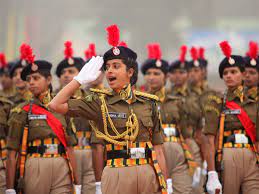
Introduction about Central Police Forces
Central Police Forces (CPF) refer to paramilitary forces in India that operate under the authority of the Union Ministry of Home Affairs. These forces play a crucial role in maintaining internal security, assisting state governments in times of crisis, and safeguarding the nation's borders. The CPF is composed of various paramilitary organizations, each with specific duties and responsibilities.
Some of the prominent Central Police Forces in India include the Central Reserve Police Force (CRPF), Border Security Force (BSF), Central Industrial Security Force (CISF), Sashastra Seema Bal (SSB), and Indo-Tibetan Border Police (ITBP), among others. Each force is specialized in different aspects of security and law enforcement, such as border protection, counter-terrorism, disaster response, and industrial security.
The Central Police Forces are deployed across the country, including conflict-prone areas, border regions, and places requiring enhanced security measures. They often work in coordination with state police forces to address various law and order challenges, natural disasters, and other emergencies. The CPF personnel undergo rigorous training to handle diverse situations and are equipped with the necessary resources to carry out their duties effectively.
These forces contribute significantly to the overall security infrastructure of India, ensuring the safety of its citizens and the integrity of its borders. Additionally, CPF units are occasionally deployed for peacekeeping missions abroad under the banner of international organizations, showcasing their versatility and commitment to global security.
How can I apply for admission to Central Police Forces
To apply for admission to the Central Police Forces (CPF) in India, you typically need to follow a specific process. Here are the general steps for applying:
Check Eligibility Criteria:
Ensure that you meet the eligibility criteria specified for the particular Central Police Force you are interested in. Eligibility criteria may include age limits, educational qualifications, and physical fitness standards.
Choose the Central Police Force:
Identify the specific CPF you want to join, such as the Central Reserve Police Force (CRPF), Border Security Force (BSF), Central Industrial Security Force (CISF), etc.
Notification and Advertisement:
Keep an eye on official notifications and advertisements released by the Union Public Service Commission (UPSC) or the Staff Selection Commission (SSC), as they conduct recruitment exams for various CPFs.
Online Registration:
Visit the official website of UPSC or SSC and look for the application link for the relevant CPF exam. Complete the online registration by providing the required information.
Fill Application Form:
Fill out the application form with accurate details regarding your personal information, educational background, and any other information required. Upload scanned copies of documents as specified.
Application Fee:
Pay the application fee online as per the instructions given in the official notification. Fee details may vary based on categories (general, OBC, SC/ST, etc.).
Admit Card:
Download the admit card/hall ticket when it is released. This document is essential for appearing in the examination.
Written Examination:
Prepare for and appear in the written examination conducted by UPSC or SSC. The examination pattern may include multiple stages such as a written test, physical efficiency test, medical examination, and interview.
Physical Efficiency Test (PET) and Medical Examination:
Qualify in the physical efficiency test and undergo a medical examination to ensure that you meet the physical standards required for service in the Central Police Forces.
Interview/Personality Test:
If you clear the written examination and other tests, you may be called for an interview or personality test. This step is to assess your suitability for the service.
Final Merit List:
The final merit list is prepared based on your performance in all stages of the selection process.
Training:
Once you are selected, you will undergo training at the respective training centers of the Central Police Force you have joined.
What is the eligibility for Central Police Forces
The eligibility criteria for joining the Central Police Forces (CPF) in India, specifically through the Union Public Service Commission (UPSC) exams, typically include the following aspects:
Nationality:
The candidate must be a citizen of India or a subject of Nepal or Bhutan.
A Tibetan refugee who came to India before January 1, 1962, with the intention of permanently settling in the country can also apply.
Persons of Indian Origin (PIO) who have migrated from Pakistan, Burma, Sri Lanka, East African countries of Kenya, Uganda, the United Republic of Tanzania, Zambia, Malawi, Zaire, Ethiopia, and Vietnam with the intention of permanently settling in India.
Age Limit:
The age limits can vary slightly based on the specific Central Police Force. However, candidates are generally required to be between 20 and 25 years old.
Relaxations in upper age limits are provided for candidates belonging to reserved categories such as Scheduled Castes (SC), Scheduled Tribes (ST), Other Backward Classes (OBC), and certain other categories as per government rules.
Educational Qualifications:
A candidate must hold a Bachelor's degree from a recognized university or equivalent.
The specific educational qualifications may vary based on the Central Police Force for which the candidate is applying.
Physical Standards:
Candidates are required to meet certain physical standards, including height, chest, and weight requirements. These standards may vary for male and female candidates.
Medical Standards:
Candidates should be in good physical and mental health.
Specific medical standards are set for vision, hearing, and other health-related criteria.
Other Requirements:
Candidates should be free from any communication or speech impairment.
No indication of any chronic disease or any history of mental illness.
How long does it takes to complete a Central Police Forces
The time it takes to complete the process of joining the Central Police Forces (CPF) in India can vary depending on several factors. Here is a general overview of the timeline:
Application Process:
The initial step involves the submission of an online application form. This process usually takes a few weeks, from the release of the official notification to the deadline for application submission.
Admit Card and Examination:
After the application process, candidates need to download the admit card for the written examination. The time between application submission and the examination date can vary, but it is typically a few months.
Written Examination:
The written examination for CPF conducted by the Union Public Service Commission (UPSC) usually takes one day, and the results are generally declared a few months after the examination.
Physical Efficiency Test (PET) and Medical Examination:
Once candidates clear the written examination, they are called for the Physical Efficiency Test (PET) and a medical examination. This stage may take a few weeks, including the time required for scheduling and conducting the tests.
Interview/Personality Test:
Candidates who qualify in the PET and medical examination are called for an interview or personality test. The duration between the PET/medical examination and the interview can vary, but it is typically a few weeks to a couple of months.
Final Merit List and Training:
After the interview, a final merit list is prepared, and successful candidates are selected for training. The duration of the training varies depending on the Central Police Force and can range from a few months to a year.
In total, from the time of submitting the application to completing the training, the process may take approximately one to two years. It's important to note that these timelines are approximate and can be influenced by factors such as the specific recruitment cycle, the number of applicants, and any unforeseen circumstances.
What are potential career opportunities after Central Police Forces
After serving in the Central Police Forces (CPF) in India, individuals have various potential career opportunities, both within the paramilitary forces and in other sectors. Here are some common career paths and opportunities:
Promotion within CPF:
Personnel can climb the ranks within the Central Police Forces, taking on roles with increased responsibilities and leadership. This includes promotions from constable to higher ranks such as Sub-Inspector, Inspector, Assistant Commandant, Deputy Commandant, Commandant, and beyond, depending on the specific force.
Specialized Units:
Many CPFs have specialized units focusing on specific areas such as anti-terrorism, intelligence, disaster response, and border security. Serving in these units allows personnel to gain expertise in particular fields.
Central Armed Police Forces (CAPF) Commandant:
Officers who reach the rank of Commandant or above may be responsible for commanding a unit or a battalion within the CPF. This involves leadership, strategic planning, and operational responsibilities.
Transfer to Other Forces:
Some individuals may choose to transfer to other branches of the armed forces, such as the Indian Army, Navy, or Air Force.
Government Services:
CPF personnel often transition to other government services, including the Indian Police Service (IPS) or state police forces. This allows for continued service in law enforcement at various levels.
Civil Services:
Many individuals with a background in the CPF pursue careers in civil services, such as the Indian Administrative Service (IAS) or other allied administrative services.
Security and Intelligence Agencies:
Graduates from CPF may find opportunities in security and intelligence agencies, contributing to national security efforts.
Private Sector Security:
Individuals with experience in security and law enforcement may find employment in the private sector, especially in roles related to corporate security, risk management, or consulting.
Teaching and Training:
Retired CPF personnel often contribute to the training and education of future generations by taking up teaching roles in police academies or institutions.
Entrepreneurship:
Some individuals may choose to start their own security-related businesses or consulting firms, leveraging their expertise in the field.
Syllabus of Central Police Forces
Paper-I: General Ability and Intelligence
General Mental Ability:
The questions in this section test the candidate's logical reasoning, quantitative aptitude, and numerical ability.
General Science:
The questions cover general awareness of scientific phenomena, emerging technologies, and recent developments in the field of science.
Current Events of National and International Importance:
This section assesses the candidate's awareness of current affairs, both national and international.
Indian Polity and Economy:
Questions are designed to test the candidate's knowledge of the political and economic structure of India.
History of India:
This section covers significant events in Indian history.
Indian and World Geography:
Questions focus on physical, social, and economic geography of India and the world.
Paper-II: General Studies, Essay, and Comprehension
Part-A: Essay Questions:
Candidates are required to write essays on multiple topics, testing their ability to present ideas on various subjects.
Part-B: Comprehension, Precis Writing, and Other Communications/Language Skills:
This section assesses the candidate's ability to understand and analyze given passages, write precise and clear compositions, and test their communication and language skills.
The detailed syllabus, including specific topics under each broad category, can be found in the official notification issued by UPSC for each year's CPF examination. As the syllabus may be subject to revisions, it is essential for candidates to refer to the latest notification for the most accurate and updated information.
Internship opportunities after completing Central Police Forces
Internship opportunities after completing service in the Central Police Forces (CPF) in India may depend on various factors, including the individual's interests, skills, and the specific field they wish to explore. Here are some potential internship avenues for individuals with a background in CPF:
Research and Policy Institutes:
Internships with research organizations or policy institutes focusing on security, law enforcement, and public policy can provide opportunities to contribute to research projects, policy analysis, and strategic planning.
Non-Governmental Organizations (NGOs):
NGOs working in areas such as human rights, conflict resolution, disaster response, or community development may offer internships where individuals can apply their skills and experience to address social issues.
Corporate Security:
Some individuals may choose to intern in corporate security departments, assisting with risk assessments, security audits, and the implementation of security protocols within private organizations.
Cybersecurity Firms:
With the increasing importance of cybersecurity, individuals with a CPF background may explore internships with cybersecurity firms to gain experience in digital security and threat analysis.
Law Firms and Legal Services:
Interning with law firms or legal services can provide an opportunity to explore the legal aspects of security, law enforcement, and related fields.
International Organizations:
Individuals may explore internships with international organizations involved in peacekeeping, security cooperation, and humanitarian efforts. This could include roles with organizations like the United Nations or regional security organizations.
Emergency Management Agencies:
Internships with agencies involved in emergency management, disaster response, and crisis coordination allow individuals to apply their skills in a civilian context.
Media and Journalism:
Individuals interested in communication and media may consider internships with news organizations, where they can contribute insights and expertise on security-related issues.
Training and Consulting Firms:
Training and consulting firms specializing in security, risk management, and law enforcement training may offer internships for individuals to share their practical experience and contribute to training programs.
Education and Academic Institutions:
Interning in educational institutions, police academies, or training centers allows individuals to contribute to the development of training modules, share their experiences, and engage with students pursuing careers in security and law enforcement.
Individuals interested in pursuing internships after completing service in CPF should identify their specific areas of interest and reach out to organizations or institutions that align with their career goals. Networking, updating resumes, and actively seeking opportunities through online portals and professional networks can enhance the chances of securing relevant internships in various sectors.
Scholarships and grants for Central Police Forces
As of my last knowledge update in January 2022, there may not be specific scholarships or grants exclusively designated for individuals in the Central Police Forces (CPF) in India. The funding and financial support for CPF personnel are typically provided through their regular salaries, allowances, and benefits as per government regulations.
However, there are general scholarship programs and educational grants available in India that individuals, including CPF personnel, may explore:
Central Police Organizations Welfare Fund:
Some central police organizations have welfare funds that provide financial assistance to their personnel and their families during times of need. This may include educational support for the children of CPF personnel.
Ministry of Home Affairs Scholarships:
The Ministry of Home Affairs in India oversees the CPF, and while there may not be specific scholarships for CPF personnel, there could be general schemes or welfare programs administered by the ministry that may provide financial assistance in certain situations.
State Government Scholarships:
State governments in India often have scholarship programs for meritorious students or those in need. CPF personnel and their families may be eligible for state-sponsored scholarship schemes.
National Scholarship Portal (NSP):
The National Scholarship Portal is a government initiative that provides a variety of scholarships to students across different categories. CPF personnel and their dependents may explore this portal for relevant scholarship opportunities.
Educational Loans:
CPF personnel, like any other citizens, can apply for educational loans from banks or financial institutions to support the education of themselves or their family members.
Ex-servicemen Contributory Health Scheme (ECHS):
While not a scholarship, the ECHS provides comprehensive healthcare to retired armed forces personnel. CPF personnel may benefit from the healthcare support offered by the scheme.
It's important to note that scholarship programs and grants can evolve, and new initiatives may be introduced by the government or private organizations. Individuals interested in financial support for education should stay updated with the latest information from government announcements, official websites, and relevant authorities.
Conclusion:
In conclusion, the Central Police Forces (CPF) in India play a vital role in ensuring internal security, border protection, and disaster response. Individuals aspiring to join CPF should carefully follow the application process outlined by the Union Public Service Commission (UPSC) or other relevant recruiting bodies. Upon successful completion of training and service, CPF personnel have diverse career opportunities, including promotions within the forces, transitions to other branches of the armed forces, civil services, and various roles in the public and private sectors. While specific scholarships or grants for CPF personnel may be limited, there are general avenues for financial support and welfare programs that individuals can explore.
FAQs
How can I apply for admission to Central Police Forces?
Interested individuals can apply for admission to the Central Police Forces through the exams conducted by the Union Public Service Commission (UPSC) or other relevant recruiting bodies. The application process typically involves online registration, submission of required documents, and payment of the application fee.
What is the eligibility criteria for Central Police Forces?
Eligibility criteria include Indian citizenship, age limits, educational qualifications (usually a bachelor's degree), and meeting specific physical and medical standards. Detailed eligibility criteria can be found in the official notifications released by the recruiting authorities.
How long does it take to complete Central Police Forces?
The duration from application to completion of training can take approximately one to two years. This timeline includes the application process, written examination, physical efficiency tests, medical examination, interview, and training.
What are the potential career opportunities after Central Police Forces?
Career opportunities include promotions within the Central Police Forces, specialization in various units, transitions to other armed forces or civil services, roles in security consulting, and employment in the private sector. The specific path depends on individual preferences and qualifications.
Is there a syllabus for the Central Police Forces exam?
Yes, the UPSC conducts a written examination for CPF, consisting of two papers. The syllabus covers general mental ability, general science, current events, Indian polity and economy, history of India, and Indian and world geography.
Are there scholarships or grants for Central Police Forces personnel?
While there may not be specific scholarships for CPF personnel, individuals can explore general scholarship programs, educational loans, and welfare schemes provided by central and state governments, as well as CPF welfare funds.
How Shiksha Hub helps you in
-
 Student Counsellors
 -
 Career Counseling
 -
 Research
 -
 24/7 Support
 -
 Scholarships
 -
 Community