Posted by Admin on 11-08-2023 in Shiksha hub
Certificate Course in Mechanical Fitter Cum CNC Machine Operator Introduction, Admission, Registration, Eligibility, Duration, Fees, Syllabus 2024
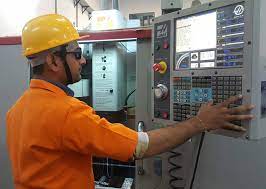
Introduction about Certificate Course in Mechanical Fitter Cum CNC Machine Operator
In today's rapidly evolving job market, staying competitive requires continuous learning and skill development. Certificate courses have gained immense popularity for providing specialized knowledge and hands-on training. One such program that holds immense promise is the "Certificate Course in Mechanical Fitter Cum CNC Machine Operator."
Importance of Vocational Courses
Vocational courses are designed to equip individuals with practical skills and knowledge that are directly applicable in the workplace. They bridge the gap between traditional education and industry requirements. Certificate courses, in particular, are recognized for their effectiveness in preparing individuals for specific job roles.
What is Mechanical Fitter Cum CNC Machine Operator?
The course of Mechanical Fitter Cum CNC Machine Operator is a vocational program that focuses on two key aspects: mechanical fitting and CNC (Computer Numerical Control) machine operation. A mechanical fitter is responsible for assembling, constructing, and maintaining machinery, while a CNC machine operator specializes in the operation of precision machinery controlled by computers.
Scope of the Certification
The certification in Mechanical Fitter Cum CNC Machine Operator opens doors to a wide array of industries, including manufacturing, aerospace, automotive, and engineering. With industries embracing automation and precision machining, the demand for qualified professionals in this field is on the rise.
Eligibility for the Course
The eligibility criteria for this course typically include a high school diploma or equivalent. Some institutions may have specific age requirements or prerequisites, so it's essential to check with the institute you plan to enroll in.
Course Duration
The duration of the certificate course usually ranges from six months to a year, depending on the institution and the curriculum they offer. It includes both classroom instruction and hands-on training.
Curriculum Overview
The curriculum covers a broad spectrum of topics, including mechanical assembly, CNC machine programming, tool selection, safety procedures, and quality control. Students gain proficiency in blueprint reading and the use of various hand and power tools.
Skills Developed
Upon completion of this course, students acquire a range of valuable skills. These include mechanical fitting, CNC machine operation, problem-solving, attention to detail, and the ability to work with precision equipment.
Job Opportunities
Graduates of the course find themselves in high demand across industries. They can work as mechanical fitters, CNC machine operators, quality control inspectors, and maintenance technicians. The job opportunities are diverse, ensuring job security and career growth.
Salary Expectations
The remuneration for Mechanical Fitter Cum CNC Machine Operators varies based on experience, location, and industry. On average, entry-level positions offer a competitive salary, with the potential for substantial growth with experience and specialization.
Advantages of Pursuing this Course
Pursuing a Certificate Course in Mechanical Fitter Cum CNC Machine Operator offers several advantages. It provides a quicker entry into the workforce, equips individuals with specific skills, and enhances career prospects. Moreover, the hands-on training ensures practical knowledge.
Top Institutes Offering the Course
Several institutions offer this certificate course. Prominent names in the field of technical education and vocational training include [List of Prominent Institutes Offering the Course]. It's advisable to research and choose an institution that aligns with your career goals.
Industry Demand for CNC Machine Operators
The manufacturing industry is experiencing a significant shift towards automation and precision manufacturing. As a result, CNC machine operators are in high demand. Their ability to set up and operate CNC machinery with precision is a critical skill.
How can I apply for admission to Certificate Course in Mechanical Fitter Cum CNC Machine Operator Program
Research Institutes: Begin by researching institutes or technical schools that offer this program. Look for well-established institutions with a good reputation in technical education.
Check Eligibility: Review the eligibility criteria for the program. Typically, you will need a high school diploma or an equivalent qualification. Ensure that you meet the prerequisites.
Application Form: Obtain the application form from the chosen institution. Most institutes provide online application forms on their websites. Download or fill out the form as per their instructions.
Document Submission: Prepare the necessary documents, which usually include your high school transcripts, a copy of your diploma or equivalent, and any other documents that the institution may require. Make sure all documents are accurate and up to date.
Application Fee: Pay the application fee, if required. The fee amount varies from one institution to another. You can usually find this information on the institution's website or in the application guidelines.
Submit Application: Complete the application form and attach the required documents. Submit the application and the fee, if applicable, through the method specified by the institution. This may involve mailing physical documents or using an online submission portal.
Entrance Exams (if applicable): Some institutions may require you to take an entrance exam to assess your knowledge and skills. Prepare for these exams accordingly.
Interview (if applicable): In some cases, you may be required to attend an interview as part of the admission process. Be prepared to discuss your interest in the program and your career goals.
Wait for Admission Decision: After submitting your application, wait for the admission decision. Most institutions will inform you of their decision within a specific timeframe.
Acceptance and Registration: If you are accepted into the program, follow the instructions provided by the institution for registration. This typically involves paying the course fees, selecting your class schedule, and other administrative tasks.
Financial Aid (if needed): If you require financial aid or scholarships, inquire about the options available through the institution or external sources. Fill out any necessary financial aid applications.
Orientation: Attend any orientation sessions provided by the institution to familiarize yourself with the program, faculty, and facilities.
What is the eligibility for Certificate Course in Mechanical Fitter Cum CNC Machine Operator
The eligibility requirements for a Certificate Course in Mechanical Fitter Cum CNC Machine Operator can vary depending on the institution offering the program. However, here are the typical eligibility criteria you might encounter:
Educational Qualification: A high school diploma or its equivalent (such as a GED or vocational diploma) is often a minimum requirement. Some institutions may also consider candidates with a lower educational background, but a high school diploma is preferred.
Age Requirements: Some institutions may have specific age criteria for admission. For example, they might require candidates to be at least 18 years old to enroll in the program.
Language Proficiency: Since the program is likely to be taught in English, candidates may need to demonstrate English language proficiency. This can be done through standardized tests like TOEFL or IELTS for non-native English speakers. Some institutions may conduct their own language proficiency assessments.
Basic Math and Science Skills: Given the technical nature of the program, institutions may expect candidates to have a basic understanding of mathematics and science, as these subjects are integral to mechanical and CNC machine operations.
Physical Fitness: As the work of a mechanical fitter and CNC machine operator often involves physical tasks, some institutions might have basic physical fitness requirements to ensure that candidates can safely perform their job duties.
Admission Tests or Interviews (if applicable): Some institutions may require candidates to take admission tests or attend interviews to assess their suitability for the program. These assessments may cover technical knowledge, problem-solving skills, and personal qualities.
Prerequisites (if applicable): Certain institutions may have specific prerequisites, such as prior coursework in related fields, as a condition for admission. It's important to review the admission requirements of the institution you are interested in.
How long does it takes to complete a Certificate Course in Mechanical Fitter Cum CNC Machine Operator Program
Six-Month Program: Some institutions offer an intensive certificate program that can be completed in as little as six months. These programs are often designed for individuals who want to acquire specialized skills quickly and enter the workforce as soon as possible.
Nine-Month Program: Many institutions offer a nine-month program, which provides a bit more time for in-depth training and skill development. This duration allows for a more comprehensive curriculum.
One-Year Program: A one-year program is the most common duration for a Certificate Course in Mechanical Fitter Cum CNC Machine Operator. It provides a balanced approach, offering both theoretical instruction and hands-on training, ensuring that students gain a strong foundation in the field.
The specific duration may vary from one institution to another, so it's essential to check the course details and program duration provided by the institution where you plan to enroll. Additionally, the program's length may be influenced by the depth and breadth of the curriculum, the number of instructional hours per week, and the inclusion of internships or practical training components.
Keep in mind that the duration of the program can also affect the overall cost, so it's important to consider your educational and career goals when choosing the right program length for you.
What are potential career opportunities after Certificate Course in Mechanical Fitter Cum CNC Machine Operator
After completing a Certificate Course in Mechanical Fitter Cum CNC Machine Operator, you'll be well-prepared for a range of promising career opportunities in various industries. Here are some potential career paths:
Mechanical Fitter: As a mechanical fitter, you'll be responsible for assembling, disassembling, maintaining, and repairing machinery and mechanical equipment. Your skills in precision assembly and maintenance will be highly valued in industries like manufacturing, automotive, and aerospace.
CNC Machine Operator: Specializing in Computer Numerical Control (CNC) machine operation, you can work as a CNC machine operator. This role involves setting up and operating CNC machines to produce precision components in industries like metalworking, woodworking, and plastics manufacturing.
Quality Control Inspector: Your knowledge of CNC machining and mechanical fitting can make you an ideal candidate for a quality control inspector role. You'll ensure that manufactured components meet specified quality standards, performing inspections and making necessary adjustments.
Maintenance Technician: Maintenance technicians are responsible for the ongoing upkeep and repair of machinery and equipment in various industries. Your skills in mechanical fitting and CNC machine operation will be crucial in minimizing downtime and ensuring smooth operations.
Manufacturing Technician: Manufacturing technicians work on the shop floor, ensuring that production processes run smoothly. Your expertise in CNC machine operation and mechanical fitting can be instrumental in improving manufacturing efficiency.
Tool and Die Maker: Tool and die makers create and repair precision tools, molds, and dies used in manufacturing. Your mechanical skills will be in high demand in this role, especially when working with CNC equipment.
Machinist: As a machinist, you'll operate a variety of machines, including CNC machines, to produce precision parts and components. Your ability to set up and program CNC machines will be a valuable skill in this field.
Production Supervisor: With experience and additional training, you can advance to a supervisory role, overseeing manufacturing or production teams. Your practical knowledge of CNC operations and mechanical fitting will aid you in managing production processes.
Manufacturing Engineer: For those seeking a more advanced career path, becoming a manufacturing engineer is a possibility. These professionals design, optimize, and oversee manufacturing processes, often requiring in-depth knowledge of CNC machinery.
CNC Programmer: If you enjoy the programming aspect of CNC machines, you can specialize as a CNC programmer. You'll create the programs that control CNC machines to produce specific parts and components.
Technical Trainer: Sharing your expertise by becoming a technical trainer in the field of mechanical fitting and CNC machine operation is another option. You can help educate the next generation of professionals in this specialized area.
Entrepreneurship: If you have a passion for innovation, you might consider starting your own business, providing CNC machining services or mechanical fitting expertise to local industries.
The diverse career opportunities available after completing a Certificate Course in Mechanical Fitter Cum CNC Machine Operator make it an attractive choice for individuals looking for a hands-on and rewarding career in manufacturing and related sectors. The demand for skilled professionals in this field is continually growing, making it a promising career path.
Syllabus of Certificate Course in Mechanical Fitter Cum CNC Machine Operator
Semester 1:
Module 1: Introduction to Mechanical Fitting
Overview of mechanical fitting
Safety procedures and practices
Tools and equipment used in mechanical fitting
Measurement and precision
Module 2: Mechanical Assembly
Types of mechanical assemblies
Reading and interpreting blueprints
Assembly techniques
Fasteners and fastening methods
Module 3: Workshop Practice
Hands-on experience in mechanical assembly
Proper use of hand and power tools
Basic machining processes
Module 4: Introduction to CNC Machines
Understanding CNC machining
CNC machine components
CNC programming basics
Operating CNC machines safely
Module 5: CNC Machine Setup and Operation
Preparing CNC machines for operation
CNC machine controls
Tool selection and tool changes
Operating CNC machines with precision
Semester 2:
Module 6: Advanced CNC Programming
G-code and M-code programming
Creating CNC programs for complex parts
Troubleshooting and debugging CNC programs
Module 7: Quality Control and Inspection
Inspection techniques and tools
Metrology and measurement
Ensuring precision and quality in CNC machining
Module 8: Maintenance and Repair
Preventive maintenance for CNC machines
Identifying and troubleshooting common issues
Routine maintenance tasks
Module 9: Safety Procedures and Regulations
Workplace safety and regulations
Emergency procedures
Hazard identification and mitigation
Module 10: Industry-Specific Applications
Exploring industry applications of mechanical fitting and CNC machining
Case studies and real-world examples
Module 11: Internship or Practical Training
Hands-on experience in a manufacturing or machining environment
Applying skills learned in the course
Supervised work in a real-world setting
Internship opportunities after completing Certificate Course in Mechanical Fitter Cum CNC Machine Operator
Completing a Certificate Course in Mechanical Fitter Cum CNC Machine Operator opens up various internship opportunities that can provide you with valuable hands-on experience in the field. Internships are an excellent way to apply your newly acquired skills and gain exposure to real-world work environments. Here are some potential internship opportunities:
Manufacturing Companies: Many manufacturing companies offer internships for CNC machine operators and mechanical fitters. These internships often involve working on the shop floor, operating machines, and assisting in the production of components. You'll gain practical experience and learn how to work efficiently in a manufacturing setting.
Precision Machining Workshops: Precision machining workshops and job shops often provide internship opportunities. Interns can work alongside experienced machinists and learn the ins and outs of CNC machine operation, tool selection, and quality control.
Mechanical Maintenance Departments: Some industries, such as automotive and aerospace, have specialized maintenance departments. Interning in these departments will give you exposure to maintenance and repair tasks, which are critical skills for mechanical fitters.
Quality Control and Inspection: Internships in quality control and inspection departments allow you to understand the importance of precision and quality in manufacturing. You'll learn how to perform inspections and use measuring instruments.
Tool and Die Shops: Tool and die makers play a vital role in creating precision tools and molds. Interning in a tool and die shop will provide you with insights into tool making and mold design, which can be a valuable skillset.
Engineering Firms: Some engineering firms offer internships related to mechanical fitting and CNC machine operation. You can assist engineers in designing components, prototypes, and fixtures.
Aerospace and Defense Companies: These industries often require high precision and quality in manufacturing. Interning in aerospace and defense companies will expose you to advanced machining processes and quality control standards.
Custom Machining Shops: Custom machining shops work on unique and specialized projects. Interning in such a shop will give you exposure to a wide range of components and materials.
Automotive Manufacturing: Interning with automotive manufacturers provides insights into mass production and the use of CNC machines for vehicle components.
Machine Tool Manufacturers: Internships with companies that manufacture CNC machines can help you gain a deep understanding of the equipment you'll be working with.
Scholarship and grants for Certificate Course in Mechanical Fitter Cum CNC Machine Operator
Scholarships and grants for a Certificate Course in Mechanical Fitter Cum CNC Machine Operator are not as common as those for traditional degree programs but can still be found in various forms. Here are some potential options to explore:
Institutional Scholarships: Some technical schools, vocational institutes, or community colleges that offer the Certificate Course may have their own scholarship programs. These scholarships are typically merit-based or need-based and can help cover tuition or related expenses.
Industry-Specific Scholarships: Certain industries, such as manufacturing, may offer scholarships to students pursuing careers in fields like mechanical fitting and CNC machine operation. These scholarships may be sponsored by industry associations, companies, or trade organizations.
Government Grants: Depending on your location, you may be eligible for government grants or funding to support your vocational education. Check with local, state, or federal agencies that provide financial assistance for education and workforce development programs.
Employer Sponsorship: If you are currently employed, inquire with your employer about the possibility of sponsorship or tuition reimbursement for the Certificate Course. Some companies invest in the education of their employees to develop in-house talent.
Community and Foundation Grants: Local community organizations and private foundations sometimes offer grants and scholarships to support vocational and technical education. These opportunities may not be widely advertised, so it's essential to do some research.
Online Scholarship Databases: Utilize online scholarship databases and search engines to find potential scholarships that align with your course and career goals. Websites like Fastweb, Scholarship.com, and Scholarships.com can be valuable resources.
Financial Aid Programs: Explore federal and state financial aid programs that might provide assistance to students pursuing short-term vocational courses. The Free Application for Federal Student Aid (FAFSA) is a good starting point.
Workforce Development Programs: Some regions offer workforce development programs that support vocational training. These programs may provide financial aid or assistance with job placement after completing your course.
Professional Associations: Certain professional associations related to manufacturing, machining, or mechanical fitting may offer scholarships or grants to students pursuing careers in these fields. Joining such associations can provide access to these opportunities.
Military Benefits: If you are a veteran or active-duty military personnel, you may be eligible for education benefits and grants through the GI Bill or other military education programs.
Conclusion
In conclusion, the Certificate Course in Mechanical Fitter Cum CNC Machine Operator is an excellent choice for individuals looking to kickstart their careers in the manufacturing and engineering sectors. With a robust curriculum, hands-on training, and a promising job market, this course provides a solid foundation for a successful and rewarding career.
FAQ
What is a Certificate Course in Mechanical Fitter Cum CNC Machine Operator?
A Certificate Course in Mechanical Fitter Cum CNC Machine Operator is a vocational program that provides training in mechanical fitting and CNC machine operation. It equips students with the skills needed for careers in manufacturing, precision machining, and mechanical assembly.
What are the eligibility requirements for this course?
Eligibility requirements may vary by institution, but typically, a high school diploma or its equivalent is required. Some institutions may have specific age criteria and prerequisites.
How long does it take to complete the course?
The duration of the course typically ranges from six months to one year, depending on the institution and the specific curriculum they offer.
What are the career opportunities after completing this course?
Graduates can pursue careers as mechanical fitters, CNC machine operators, quality control inspectors, maintenance technicians, and more in industries like manufacturing, aerospace, and automotive.
Are there internship opportunities available after the course?
Yes, many institutions facilitate internships that allow students to gain practical experience in the field. Internships can provide valuable hands-on training.
Are scholarships or financial aid options available for this course?
Some institutions, industry associations, and government agencies offer scholarships and grants to support students pursuing this course. It's advisable to research available funding opportunities.
What is the course curriculum like?
The curriculum typically includes modules on mechanical fitting, CNC machine operation, safety procedures, quality control, and maintenance. It covers both theoretical knowledge and hands-on training.
Is the course suitable for beginners with no prior experience in the field?
Yes, the course is designed to cater to both beginners and those with some prior knowledge in the field. It provides a solid foundation for all students.
How can I apply for admission to the course?
To apply, you need to research institutions that offer the program, check their admission requirements, and submit an application form along with the necessary documents. It's advisable to visit the institution's website for specific application instructions.
Is there a demand for professionals with this certification in the job market?
Yes, there is a growing demand for skilled professionals in mechanical fitting and CNC machine operation, especially as industries continue to embrace automation and precision manufacturing.
How Shiksha Hub helps you in
-
 Student Counsellors
 -
 Career Counseling
 -
 Research
 -
 24/7 Support
 -
 Scholarships
 -
 Community