Posted by Admin on 26-09-2023 in Shiksha hub
Certificate In Basic Skill Dental Ancillary, Introduction, Admission, Registration, Eligibility, Duration, Fees, Syllabus 2024
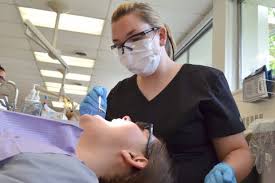
Introduction about Certificate In Basic Skill Dental Ancillary:
In the ever-evolving field of healthcare, dental auxiliary professionals play a crucial role in supporting dentists and ensuring the smooth functioning of dental practices. The Certificate in Basic Skill Dental Ancillary program is designed to equip individuals with the fundamental knowledge and skills required to excel in this role. This article will explore the ins and outs of this certification, shedding light on the importance of dental auxiliaries, the content of the program, and the opportunities it opens up for aspirants in the dental industry.
Understanding the Significance of Dental Ancillaries
Dental auxiliaries, often referred to as dental assistants, are indispensable members of the dental healthcare team. They work alongside dentists, hygienists, and other professionals to provide efficient and quality dental care to patients. Their responsibilities encompass a wide range of tasks, from preparing patients for treatments to assisting during procedures and managing administrative duties.
The Role of Certificate in Basic Skill Dental Ancillary
The Certificate in Basic Skill Dental Ancillary program is a foundational course designed to train individuals in the core competencies required in the field. It acts as a stepping stone for those aspiring to pursue a career in dental healthcare. The program includes a comprehensive curriculum that covers various aspects, including:
Dental Anatomy and Physiology
Understanding the structure and functioning of the oral cavity is fundamental to any dental auxiliary role. This course provides in-depth knowledge of dental anatomy and physiology, enabling students to comprehend oral health on a deeper level.
Infection Control
Maintaining a sterile environment in the dental clinic is paramount. Students learn the best practices for infection control, ensuring the safety of both patients and staff.
Chairside Assistance
Dental auxiliaries must be proficient in chairside assistance, which involves handing instruments to the dentist, managing suction, and ensuring the patient's comfort during procedures.
Dental Radiography
This section delves into the principles of dental radiography, teaching students how to capture diagnostic X-ray images accurately.
Administrative Duties
Apart from clinical responsibilities, dental auxiliaries are often responsible for administrative tasks like appointment scheduling, patient records management, and billing.
Career Opportunities
Upon successful completion of the Certificate in Basic Skill Dental Ancillary program, graduates open the door to a multitude of career opportunities within the dental industry. These include:
Dental Assistant
Many certificate holders choose to become dental assistants, working closely with dentists to provide chairside support during procedures.
Dental Office Manager
With their knowledge of administrative duties, some graduates opt for roles as dental office managers, overseeing the day-to-day operations of dental practices.
Dental Radiographer
Proficiency in dental radiography can lead to specialized roles as dental radiographers, responsible for capturing diagnostic images.
How can I apply for admission to Certificate In Basic Skill Dental Ancillary:
Research Institutions: Start by researching educational institutions that offer the Certificate in Basic Skill Dental Ancillary program. You can search for colleges, universities, vocational schools, or online courses that provide this certification.
Check Admission Requirements: Once you've identified the institutions of interest, review their specific admission requirements. These requirements may vary from one institution to another, so it's crucial to understand what's needed. Common requirements may include a high school diploma or equivalent, proof of English proficiency (if applicable), and sometimes a background check or health examination.
Prepare Necessary Documents: Gather all the required documents for your application. This typically includes:
High school transcripts or equivalent educational certificates
Letters of recommendation (if required)
A resume or curriculum vitae (CV)
A personal statement or statement of purpose
Proof of English proficiency (such as TOEFL or IELTS scores for international students)
Any other documents specified by the institution
Complete the Application Form: Visit the institution's official website or contact their admissions office to obtain the application form. Fill out the form accurately, providing all the necessary information. Double-check your form for any errors or missing details.
Pay Application Fees: Some institutions may require an application fee to process your application. Be sure to pay this fee as per the institution's instructions. In some cases, fee waivers may be available for eligible applicants.
Submit Your Application: Send your completed application form along with all the required documents to the institution's admissions office. Make sure to submit everything by the specified application deadline. Some institutions may have an online application portal for your convenience.
Interview (If Required): In some cases, you may be asked to attend an interview as part of the admission process. Prepare for this interview by reviewing your knowledge of the dental auxiliary field and your reasons for pursuing this certificate.
Wait for a Response: After submitting your application, be patient and wait for the institution's response. They will review your application and inform you of their decision. This may take a few weeks, so stay attentive to your email or postal mail for updates.
Acceptance and Enrollment: If you receive an acceptance letter, follow the instructions provided to confirm your enrollment. This often involves paying any required enrollment fees and registering for your courses.
Financial Aid and Scholarships: Explore available financial aid options, scholarships, or grants that can help you with tuition costs. Many institutions offer financial assistance to eligible students.
What is the eligibility for Certificate In Basic Skill Dental Ancillary:
Eligibility requirements for the Certificate in Basic Skill Dental Ancillary program can vary from one institution to another, but there are some common prerequisites that candidates typically need to meet. Here are the general eligibility criteria:
Educational Background:
High School Diploma or Equivalent: Most programs require applicants to have a high school diploma or its equivalent, such as a General Education Development (GED) certificate.
Language Proficiency:
English Proficiency (for non-native English speakers): If you're applying to a program in an English-speaking country and English is not your first language, you may need to demonstrate English proficiency through standardized tests like TOEFL (Test of English as a Foreign Language) or IELTS (International English Language Testing System).
Age Requirements:
Minimum Age: Some institutions may have a minimum age requirement for admission. This requirement can vary, so check with the specific program you're interested in.
Background Check:
Some programs may require a criminal background check and clearance to ensure the safety of patients and staff.
Health Examination:
Candidates might need to undergo a health examination or provide evidence of immunizations to ensure they can work in a healthcare setting safely.
Other Documentation:
Depending on the institution, you may be asked to submit additional documents such as letters of recommendation, a resume or curriculum vitae, and a personal statement explaining your interest in the program.
How long does it takes to complete a Certificate In Basic Skill Dental Ancillary program:
The duration to complete a Certificate in Basic Skill Dental Ancillary program can vary depending on several factors, including the specific program and the institution offering it. On average, these programs can take anywhere from a few months to a year to complete. Here are some key factors that influence the length of the program:
Program Structure: The structure of the program itself plays a significant role. Some programs are designed to be completed on a full-time basis, while others offer part-time or online options, which can extend the duration. Full-time programs are typically shorter, while part-time or online programs allow students to spread their coursework over a more extended period.
Credit Hours: The total number of credit hours required to earn the certificate can impact the program's length. Programs with a higher credit hour requirement may take longer to complete.
Clinical Experience: Some programs may include a clinical component where students gain hands-on experience in a dental practice. The time spent on clinical training can extend the program's duration.
Prerequisites: If you have to fulfill any prerequisites or take preparatory courses before starting the certificate program, this can add to the overall time required for completion.
Student's Pace: The length of the program can also depend on how quickly or slowly a student progresses through the coursework. Some individuals may choose to accelerate their studies, while others prefer a more gradual pace.
Institutional Policies: Each educational institution may have its own policies regarding program length. It's essential to check with the specific institution offering the program for their timeline.
What are potential career opportunities after Certificate In Basic Skill Dental Ancillary:
Upon completing a Certificate in Basic Skill Dental Ancillary program, graduates have a range of potential career opportunities in the dental healthcare field. These opportunities can be both rewarding and in-demand. Here are some of the potential career paths:
Dental Assistant: Many certificate holders choose to become dental assistants. Dental assistants work alongside dentists and hygienists, providing chairside support during procedures, sterilizing instruments, and ensuring patients' comfort. They also assist with administrative tasks like scheduling appointments and managing patient records.
Dental Office Manager: Graduates with administrative skills may pursue roles as dental office managers. In this capacity, they oversee the day-to-day operations of dental practices. Responsibilities often include staff management, budgeting, and ensuring efficient practice management.
Dental Radiographer: Those with proficiency in dental radiography can work as dental radiographers. They are responsible for capturing diagnostic X-ray images of patients' oral structures, aiding in the diagnosis and treatment planning processes.
Orthodontic Assistant: Some graduates choose to specialize as orthodontic assistants. They work with orthodontists to assist in the placement and maintenance of braces, aligners, and other orthodontic appliances. They also educate patients on proper care.
Endodontic Assistant: Endodontic assistants focus on procedures related to the dental pulp and root canals. They assist endodontists during treatments and provide support for patients undergoing these procedures.
Oral Surgery Assistant: Oral surgery assistants work in oral and maxillofacial surgery practices. They assist oral surgeons during surgical procedures, manage surgical instruments, and help patients with post-operative care instructions.
Pediatric Dental Assistant: Graduates interested in working with children may choose to become pediatric dental assistants. They assist pediatric dentists in providing specialized dental care to young patients, emphasizing education and comfort.
Periodontal Assistant: Periodontal assistants work with periodontists, focusing on the treatment of gum diseases and oral tissue. They assist with procedures like scaling and root planing and educate patients on periodontal health.
Prosthodontic Assistant: Prosthodontic assistants support prosthodontists in the fabrication and placement of dental prosthetics, including dentures, crowns, and bridges.
Dental Sales and Marketing: Some graduates opt for careers in dental sales and marketing, where they promote dental products and services to dental practices and institutions.
Educator or Instructor: If you're passionate about sharing your knowledge, you can become an educator or instructor in dental assistant programs, helping to train the next generation of dental auxiliaries.
Further Education: The Certificate in Basic Skill Dental Ancillary program can also serve as a foundation for further education. Graduates may choose to pursue advanced degrees in dentistry, dental hygiene, or related fields.
Syllabus of Certificate In Basic Skill Dental Ancillary:
The syllabus for a Certificate in Basic Skill Dental Ancillary program may vary from one institution to another. However, I can provide a general overview of the typical topics and subjects that are commonly covered in such programs, divided into semester-wise modules. Please keep in mind that the specific curriculum may differ, and it's essential to refer to the program offered by the institution for precise details. Here's a semester-wise breakdown:
|
Semester 1: Introduction to Dental Basics |
|
Dental Anatomy and Physiology |
|
Infection Control and Sterilization |
|
Dental Instruments and Equipment |
|
Chairside Assistance Techniques |
|
Dental Radiography Fundamentals |
|
Communication and Patient Interaction |
|
Semester 2: Clinical Procedures |
|
Dental Radiography Techniques |
|
Dental Materials and Restorative Procedures |
|
Dental Emergencies and First Aid |
|
Dental Office Management and Administration |
|
Ethics and Legal Aspects in Dental Healthcare |
|
CPR Certification |
|
Semester 3: Specialized Procedures |
|
Periodontal Health and Procedures |
|
Pediatric Dentistry and Child Management |
|
Orthodontic Assisting |
|
Oral Surgery Assistance |
|
Prosthodontic Procedures |
|
Dental Specialties Overview |
|
Semester 4: Clinical Externship |
|
Clinical Practice and Chairside Assistance |
|
Dental Radiography Practicum |
|
Assisting in Dental Specialties |
|
Patient Care and Communication |
|
Infection Control in a Clinical Setting |
|
Professional Development |
The final semester, Semester 4, often includes a clinical externship where students gain hands-on experience in a dental office or clinic. This practical experience is crucial for applying the knowledge and skills learned in the classroom.
Internship opportunities after completing Certificate In Basic Skill Dental Ancillary:
After completing a Certificate in Basic Skill Dental Ancillary program, graduates have the opportunity to explore various internship opportunities in the dental healthcare field. Internships provide valuable hands-on experience and exposure to real dental practice settings. Here are some potential internship opportunities:
Dental Offices and Clinics: Many graduates choose to intern at dental offices and clinics where they can work as dental assistants. This internship allows them to apply the knowledge and skills gained during their certificate program, assist dentists in procedures, and gain practical experience in chairside assistance, infection control, and patient care.
Dental Specialty Practices: Graduates can seek internships in dental specialty practices such as orthodontics, periodontics, endodontics, and oral surgery. These internships provide specialized experience in areas like braces adjustments, periodontal procedures, root canals, and oral surgery assistance.
Hospitals: Some hospitals have dental departments where dental assistants are needed. Interning in a hospital dental clinic allows graduates to work with a diverse patient population and gain experience in a medical setting.
Community Health Clinics: Dental auxiliaries are often in demand at community health clinics, which serve underserved populations. Interning at such clinics offers a unique experience and a sense of community service.
Pediatric Dental Practices: Graduates interested in working with children can intern at pediatric dental practices. This provides exposure to the specialized care required for pediatric patients.
Dental Radiography Labs: Interning in a dental radiography lab allows graduates to focus on capturing and processing diagnostic X-ray images, further honing their radiography skills.
Dental Supply Companies: Some dental supply companies offer internships in sales, marketing, or customer support. These positions can provide insights into the dental industry from a different perspective.
Educational Institutions: Graduates interested in education can explore internships at educational institutions where they may assist in dental assistant training programs.
Research and Development: Some graduates with a strong interest in dental technology and innovation may find internships in dental research and development, where they can work on improving dental products and procedures.
Dental Public Health Organizations: Interning with dental public health organizations can expose graduates to the broader aspects of oral health, including community outreach and education.
Scholorship and grants for Certificate In Basic Skill Dental Ancillary:
Scholarships and grants can be excellent sources of financial support for individuals pursuing a Certificate in Basic Skill Dental Ancillary program. While availability and eligibility criteria can vary, here are some common avenues to explore for financial assistance:
Institutional Scholarships: Many educational institutions offering dental auxiliary programs have their own scholarships or grants for students. These scholarships may be based on academic achievement, financial need, or other criteria. It's advisable to check with the specific program or school you plan to attend for information on available scholarships.
Government Grants: Depending on your location, government grants or financial aid programs may be available to students pursuing healthcare-related certifications. These grants are often based on financial need and can help cover tuition and related expenses.
Professional Associations: Dental professional organizations and associations may offer scholarships to individuals entering the field. Examples include the American Dental Assistants Association (ADAA) and the American Dental Hygienists' Association (ADHA). Explore their websites for scholarship opportunities.
Private Foundations and Nonprofits: Some private foundations and nonprofit organizations provide scholarships to students pursuing healthcare and dental auxiliary programs. Conduct research to identify foundations that align with your goals and apply for their scholarships.
Community Scholarships: Local community organizations, including civic groups, businesses, and dental practices, may offer scholarships to students in the community. Inquire with these organizations about available opportunities.
Online Scholarship Databases: Numerous websites and databases, such as Fastweb, Scholarship.com, and Cappex, aggregate scholarship opportunities for students. You can search for scholarships based on your field of study and qualifications.
Federal Financial Aid: Completing the Free Application for Federal Student Aid (FAFSA) can make you eligible for federal grants and loans. While loans need to be repaid, grants are typically awarded based on financial need and do not require repayment.
State-Specific Aid: Some states offer financial aid programs specifically for residents pursuing healthcare certifications. Check with your state's department of education or financial aid office for details.
Employer Assistance: If you are currently employed, check with your employer about any tuition assistance or reimbursement programs they offer. Some employers provide financial support for employees seeking to advance their education.
Minority Scholarships: Some scholarships are specifically designed for underrepresented minority students in the healthcare field. Organizations like the National Dental Association may offer such scholarships.
Merit-Based Scholarships: If you excel academically or have a strong track record in dental auxiliary coursework, you may be eligible for merit-based scholarships. These scholarships reward academic excellence.
FAQ Certificate In Basic Skill Dental Ancillary:
What is a Certificate in Basic Skill Dental Ancillary (Dental Assistant) program?
A Certificate in Basic Skill Dental Ancillary program is a short-term educational program designed to train individuals in the fundamental skills and knowledge needed to work as dental assistants in dental healthcare settings.
What are the typical duration and structure of this certificate program?
The duration can vary, but it commonly takes a few months to a year to complete. It includes a mix of classroom instruction, hands-on training, and often a clinical externship.
What are the eligibility requirements for this program?
Eligibility typically includes a high school diploma or equivalent, proof of English proficiency (if applicable), and sometimes additional requirements such as a background check or health examination.
What career opportunities are available after completing this certificate program?
Graduates can pursue careers as dental assistants, dental office managers, dental radiographers, orthodontic assistants, and more. The program opens doors to various roles within the dental healthcare field.
Can I further my education in dentistry after completing this certificate program?
While the Certificate in Basic Skill Dental Ancillary program provides a solid foundation, it is not a substitute for dental school. To become a licensed dentist, you would need to pursue additional education and training.
Are there internship opportunities for students after completing the program?
Yes, many students have the opportunity to participate in internships in dental offices, clinics, hospitals, and specialty practices. These internships provide valuable hands-on experience.
Are scholarships or grants available to help cover the costs of this program?
Yes, various scholarships and grants are available to assist students in financing their education. These include institutional scholarships, government grants, and those offered by professional organizations and foundations.
Is this program accredited, and is accreditation important?
Accreditation is essential as it ensures that the program meets recognized quality standards. Graduating from an accredited program is often a requirement for certification and licensure in the field.
How can I apply for admission to a Certificate in Basic Skill Dental Ancillary program?
The application process typically involves researching programs, checking eligibility requirements, preparing necessary documents, filling out an application form, and submitting it to the institution. Additional steps may include an interview and payment of application fees.
What is the job outlook for dental assistants and dental auxiliary professionals?
The job outlook is positive, with a growing demand for dental assistants and auxiliary professionals. Dental healthcare continues to be a thriving field, offering stable employment opportunities.
Conclusion:
The Certificate in Basic Skill Dental Ancillary program serves as a vital foundation for individuals seeking a rewarding and dynamic career in the dental healthcare field. It equips students with the knowledge and skills needed to excel as dental auxiliaries, offering a wide range of career options within the dental industry. If you're passionate about oral health and aspire to contribute to the field of dentistry, this program is your gateway to a fulfilling career.
How Shiksha Hub helps you in
-
 Student Counsellors
 -
 Career Counseling
 -
 Research
 -
 24/7 Support
 -
 Scholarships
 -
 Community