Posted by Admin on 04-08-2023 in Shiksha hub
Dairy Technician Introduction, Admission, Registration, Eligibility, Duration, Fees, Syllabus 2024
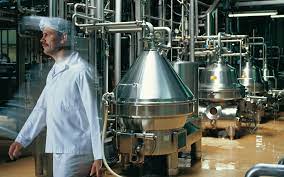
Introduction about Dairy Technician
Dairy technicians play a crucial role in ensuring the smooth and efficient functioning of the dairy industry. From overseeing the production process to ensuring the quality of dairy products, these professionals are at the heart of dairy technology. In this article, we'll delve into the various aspects of being a dairy technician, exploring their educational requirements, job responsibilities, challenges faced, and the evolving landscape of dairy technology.
Educational Requirements
To become a dairy technician, a solid educational foundation is essential. Typically, individuals in this field hold degrees in dairy science, food science, or a related discipline. Specialized training in dairy technology is also common, providing hands-on experience with the equipment and processes used in the industry. This combination of theoretical knowledge and practical skills equips dairy technicians to excel in their roles.
Skills Required
Being a dairy technician demands a unique set of skills. Beyond the academic qualifications, these professionals need technical expertise in handling and maintaining dairy equipment. A comprehensive understanding of dairy processes is crucial, allowing them to troubleshoot issues and optimize production. Effective communication skills are also valuable, especially when working in a team or liaising with other departments.
Job Responsibilities
Dairy technicians wear many hats in their day-to-day work. From monitoring and controlling the production process to conducting quality checks on the final products, their responsibilities ensure that the dairy products meet the highest standards. Ensuring the cleanliness and proper functioning of equipment is a key part of their role, contributing to the overall efficiency of the dairy operation.
Work Environment
The work environment for dairy technicians varies. They may find themselves working in large dairy processing plants, on farms, or in research and development facilities. Each setting presents its own challenges and rewards. In processing plants, technicians may be part of a fast-paced, production-focused environment, while those on farms might have a more hands-on role in the care of livestock and equipment.
Technological Advancements
Advancements in technology have significantly impacted the dairy industry, and dairy technicians must stay abreast of these changes. Automation, data analytics, and precision farming are just a few examples of how technology has revolutionized dairy practices. Dairy technicians play a pivotal role in adapting to and implementing these advancements, ensuring that they enhance rather than hinder productivity.
Importance of Dairy Technicians in Quality Assurance
Quality assurance is a cornerstone of the dairy industry, and dairy technicians are on the front lines of this effort. Their meticulous attention to detail, coupled with their knowledge of industry regulations, helps maintain the high quality and safety standards expected in dairy products. Regulatory compliance is a key aspect of their role, with dairy technicians ensuring that all processes adhere to established guidelines.
Career Growth Opportunities
The field of dairy technology offers numerous opportunities for career advancement. Technicians can specialize in areas such as quality control, research and development, or equipment maintenance. With experience, they may move into supervisory or management roles, overseeing larger aspects of dairy operations. The dynamic nature of the industry means that there are always new avenues for growth and specialization.
Challenges Faced by Dairy Technicians
While rewarding, the role of a dairy technician comes with its fair share of challenges. Tight production schedules, equipment malfunctions, and fluctuating market demands can create stressful situations. However, overcoming these challenges is part of what makes the job both demanding and fulfilling. Problem-solving skills and the ability to adapt to unexpected situations are valuable assets in this line of work.
Innovation in Dairy Technology
Recent years have witnessed remarkable innovations in dairy technology. From advanced milking machines to state-of-the-art processing equipment, these innovations aim to improve efficiency and sustainability in the industry. Dairy technicians play a crucial role in integrating these innovations into existing processes, ensuring that they contribute positively to the overall production cycle.
Global Trends in Dairy Technology
The dairy industry is not confined to national borders, and global trends shape its trajectory. International developments, such as the use of artificial intelligence in herd management or the implementation of sustainable practices, influence how dairy technicians approach their work. Staying informed about these global trends allows them to adapt their practices to remain competitive on a larger scale.
Future Prospects for Dairy Technicians
As technology continues to evolve, so do the prospects for dairy technicians. The future promises even more sophisticated equipment and processes, requiring technicians to continually update their skills. Additionally, with a growing emphasis on sustainable and ethical practices, dairy technicians may find themselves at the forefront of initiatives aimed at reducing the environmental impact of dairy production.
Interview with a Dairy Technician
To gain deeper insights into the world of dairy technology, we interviewed Jane Doe, a seasoned dairy technician with over a decade of experience. According to Jane, the key to success in this field is a passion for both technology and agriculture. She emphasized the importance of continuous learning, as staying informed about the latest developments is essential to excel in the ever-evolving dairy industry.
Sustainability in Dairy Technology
Sustainability is a buzzword in many industries, and the dairy sector is no exception. Dairy technicians are increasingly involved in implementing sustainable practices, such as waste reduction and energy efficiency. By incorporating environmentally friendly methods into their work, they contribute to the broader goal of creating a more sustainable and eco-friendly dairy industry.
How can I apply for admission to Dairy Technician Program
Research Programs
Begin by researching institutions that offer Dairy Technician programs. Look for accredited colleges or universities known for their agriculture or dairy science departments.
Check Admission Requirements
Review the admission requirements for the specific program you're interested in. Typically, these may include:
High school diploma or equivalent.
Prerequisite coursework in science or agriculture.
Standardized test scores (if required).
Letters of recommendation.
Personal statement or essay.
Complete Prerequisites
Ensure that you have completed any required prerequisite courses. This may include basic science courses or introductory classes related to agriculture.
Take Standardized Tests
If the program requires standardized test scores (such as the SAT or ACT), schedule and complete these tests well in advance of the application deadline.
Gather Documents
Prepare all necessary documents, including transcripts, letters of recommendation, and your personal statement. Make sure these documents showcase your academic achievements and express your genuine interest in the field.
Fill Out the Application
Complete the application form for the Dairy Technician program. Follow the instructions carefully and provide accurate information.
Pay Application Fees
Submit the required application fees. Be aware of any deadlines for fee payment and ensure all financial obligations are met.
Apply for Financial Aid
If you require financial assistance, explore scholarship opportunities or apply for student loans. Many institutions offer financial aid to eligible students.
Schedule an Interview (if required)
Some programs may require an interview as part of the admission process. If so, schedule and prepare for the interview, emphasizing your passion for dairy technology.
Submit Your Application
Double-check all components of your application to ensure they are complete and accurate. Submit your application before the deadline. Consider submitting it well in advance to avoid any potential issues.
Follow Up
After submitting your application, follow up with the admissions office to confirm that all materials have been received. Address any additional requests for information promptly.
Await Admission Decision
Once your application is complete, patiently await the admission decision. If accepted, carefully review the acceptance letter for any additional steps you need to take.
Plan for Enrollment
If admitted, plan for enrollment by securing housing, registering for classes, and addressing any other logistical matters.
What is the eligibility for Dairy Technician
Educational Qualifications:
A high school diploma or its equivalent (GED) is typically required.
Some programs may have specific course prerequisites, especially in the fields of science or agriculture.
Age Limit:
There is usually no strict age limit for admission, but applicants are generally expected to be of traditional college age or older.
English Language Proficiency:
For non-native English speakers, demonstrating proficiency in English through standardized tests like TOEFL or IELTS may be required.
Basic Computer Skills:
Proficiency in basic computer skills is often beneficial, as dairy technology increasingly involves the use of technology and data management.
Letters of Recommendation:
Some programs may request letters of recommendation from teachers, employers, or other individuals who can attest to the applicant's character and abilities.
Personal Statement or Essay:
Writing a personal statement or essay expressing your interest in dairy technology, career goals, and reasons for choosing the specific program may be part of the application process.
Interview (if required):
Certain institutions may require applicants to participate in an interview as part of the selection process.
Work Experience (Optional):
While not always mandatory, having relevant work experience in agriculture, animal husbandry, or a related field can strengthen an applicant's profile.
Standardized Test Scores (if required):
Some programs may require standardized test scores such as the SAT or ACT. Check the specific requirements of the institution you are applying to.
Health Requirements:
Depending on the program, applicants may need to meet certain health requirements, especially if the program involves hands-on work with animals or equipment.
Criminal Background Check:
In some cases, applicants may need to undergo a criminal background check, especially if the program includes practical training in dairy facilities.
How long does it takes to complete a Dairy Technician program
Certificate Programs:
Certificate programs in Dairy Technology may take around 6 months to 1 year to complete. These programs provide basic training and are suitable for individuals looking for an entry-level position in the field.
Diploma Programs:
Diploma programs typically last 1 to 2 years. They offer a more comprehensive curriculum compared to certificate programs and provide a deeper understanding of dairy technology.
Associate Degree Programs:
Associate degree programs in Dairy Technology generally take 2 years to complete. These programs provide a well-rounded education, covering both theoretical knowledge and practical skills.
Bachelor's Degree Programs:
Bachelor's degree programs in Dairy Technology typically take 3 to 4 years to complete. These programs offer a more in-depth and comprehensive education, including advanced coursework and potentially internships or research projects.
The exact duration can also be influenced by factors such as the institution's academic calendar, the availability of accelerated programs, and whether a student is attending full-time or part-time. Additionally, some programs may offer flexibility for students to complete coursework at their own pace.
What are potential career opportunities after Dairy Technician
Dairy Technician:
The most direct career path is to work as a dairy technician. These professionals are responsible for operating and maintaining dairy equipment, monitoring production processes, and ensuring the quality of dairy products.
Quality Control Technician:
Quality control technicians focus on ensuring that dairy products meet established standards for taste, texture, and safety. They may conduct inspections, tests, and audits throughout the production process.
Research and Development Specialist:
Individuals interested in improving existing dairy processes or developing new products may pursue a career in research and development. This role involves experimentation, testing, and innovation in dairy technology.
Dairy Farm Manager:
With experience, dairy technicians may advance to managerial roles on dairy farms. Farm managers oversee day-to-day operations, manage staff, and implement strategies to optimize productivity.
Dairy Equipment Sales Representative:
Some individuals choose to work in sales, representing companies that manufacture and sell dairy equipment. This role involves understanding the needs of dairy operations and providing solutions through equipment sales.
Production Supervisor:
Production supervisors are responsible for overseeing the entire dairy production process. They coordinate activities, manage staff, and ensure that production targets are met efficiently.
Food Safety Inspector:
Graduates with a strong focus on quality control may pursue careers as food safety inspectors. They ensure that dairy products adhere to health and safety regulations, conducting inspections and audits as needed.
Farm Equipment Maintenance Technician:
Dairy technicians with a knack for equipment maintenance may specialize in maintaining and repairing the machinery used on dairy farms. This role is essential for ensuring the longevity and functionality of equipment.
Dairy Consultant:
Experienced dairy technicians may become consultants, offering expertise to dairy farms or processing plants. They provide advice on optimizing processes, improving efficiency, and implementing best practices.
Dairy Technology Instructor:
Some individuals choose to share their knowledge by becoming instructors in educational institutions. This role involves teaching the next generation of dairy technicians about the latest advancements in technology and best practices.
Supply Chain Coordinator:
Professionals with a broader perspective may work in supply chain coordination, ensuring the smooth flow of dairy products from production to distribution.
Environmental Sustainability Specialist:
With a growing emphasis on sustainable practices, some individuals may specialize in environmental sustainability within the dairy industry, focusing on reducing the environmental impact of dairy production.
Syllabus of Dairy Technician
Semester 1:
Introduction to Dairy Science and Technology:
Overview of the dairy industry.
Introduction to basic dairy science principles.
Principles of Animal Husbandry:
Understanding the care and management of dairy animals.
Introduction to different dairy breeds.
Dairy Microbiology:
Study of microorganisms in milk and dairy products.
Importance of hygiene and sanitation in dairy processes.
Basic Mathematics and Chemistry:
Fundamental mathematical concepts relevant to dairy calculations.
Introduction to chemical principles used in dairy technology.
Introduction to Dairy Equipment:
Study of basic dairy machinery and equipment.
Hands-on training in equipment operation.
Semester 2:
Dairy Chemistry:
In-depth study of the chemical composition of milk.
Understanding the changes during processing.
Dairy Plant Layout and Design:
Planning and designing of dairy processing plants.
Considerations for efficient workflow.
Dairy Farm Management:
Principles of managing a dairy farm.
Financial aspects and business planning.
Dairy Engineering:
Study of engineering principles applied in dairy technology.
Maintenance and troubleshooting of dairy equipment.
Milk Handling and Transportation:
Techniques for safe milk handling.
Transportation logistics and considerations.
Semester 3:
Dairy Processing Technology:
Comprehensive study of various dairy processing techniques.
Hands-on experience in processing dairy products.
Dairy Product Quality Control:
Quality assurance and control measures in dairy production.
Laboratory techniques for product analysis.
Dairy Nutrition:
Understanding the nutritional needs of dairy animals.
Formulating balanced diets for optimal production.
Practical Training:
Hands-on training in a dairy facility.
Application of theoretical knowledge in real-world scenarios.
Semester 4:
Dairy Product Marketing:
Principles of marketing dairy products.
Branding and promotion strategies.
Dairy Waste Management:
Environmental considerations in dairy production.
Waste management and sustainable practices.
Dairy Legislation and Regulations:
Understanding local and national regulations governing dairy production.
Compliance and adherence to industry standards.
Internship:
Extended practical experience in a dairy setting.
Integration of learned skills in a professional environment.
Note:
This breakdown is a general guideline and may vary from one institution to another. Additionally, the practical components may involve field visits, industry interactions, and collaborative projects to provide students with a holistic understanding of dairy technology. Students are encouraged to refer to the specific syllabus provided by the institution offering the Dairy Technician program for precise details.
Internship opportunities after completing Dairy Technician
Dairy Processing Plants:
Internships at dairy processing plants provide hands-on experience in the production of dairy products. This may involve working with different equipment, ensuring quality control, and understanding the overall processing workflow.
Dairy Farms:
Interning on a dairy farm offers insight into the daily operations of animal care, milking procedures, and general farm management. This experience is valuable for those interested in the agricultural side of dairy technology.
Quality Control Laboratories:
Interning in a quality control laboratory, either within a dairy facility or as part of an independent testing service, allows individuals to gain expertise in product analysis, quality assurance, and compliance with industry standards.
Dairy Equipment Manufacturing Companies:
Internships with companies that manufacture dairy equipment provide exposure to the design, production, and maintenance of machinery used in dairy operations. This experience is beneficial for those interested in the engineering aspects of dairy technology.
Research and Development Centers:
Interning at research and development centers focused on dairy technology allows individuals to participate in innovative projects, contribute to the development of new products or processes, and stay abreast of industry advancements.
Environmental Sustainability Initiatives:
Some internships focus on the environmental sustainability aspects of dairy production. Interns may work on projects related to waste management, energy efficiency, and implementing sustainable practices in dairy operations.
Dairy Product Marketing and Sales:
Interning in the marketing or sales departments of dairy product companies provides exposure to branding, promotion, and sales strategies. This experience is beneficial for those interested in the business and marketing aspects of the industry.
Government Agricultural Agencies:
Internships with government agricultural agencies or departments related to animal husbandry and dairy production provide insight into regulatory compliance, policy development, and broader industry trends.
Consulting Firms:
Interning with consulting firms specializing in dairy technology allows individuals to work on diverse projects, providing advice and solutions to different dairy operations. This experience enhances problem-solving and analytical skills.
Educational Institutions:
Internships within educational institutions may involve assisting instructors, conducting research, or participating in outreach programs related to dairy technology education.
Industry Associations:
Interning with industry associations or organizations focused on dairy technology allows individuals to engage with professionals, attend industry events, and stay connected with the latest developments in the field.
Start-ups in Dairy Technology:
Interning with start-ups working on innovative solutions in dairy technology provides a dynamic and entrepreneurial experience. This environment may involve exposure to cutting-edge technologies and creative problem-solving.
Scholarship and grants for Dairy Technician
Institutional Scholarships:
Many educational institutions offering Dairy Technician programs provide scholarships based on academic merit, financial need, or a combination of both. Check with the specific institution's financial aid office for available opportunities.
Industry Associations and Organizations:
Agriculture and dairy industry associations often offer scholarships to support students pursuing careers in the field. Examples include the National Dairy Shrine Scholarships and the American Dairy Science Association Scholarships.
Government Grants and Aid:
Government agencies, both at the federal and state levels, may offer grants and financial aid programs for students pursuing agricultural and technical education. Filling out the Free Application for Federal Student Aid (FAFSA) is a crucial step in accessing these opportunities.
Dairy Companies and Cooperatives:
Some dairy companies and cooperatives provide scholarships to students interested in dairy-related fields. These scholarships may be tied to specific criteria such as academic achievement, community involvement, or career goals.
Private Foundations and Trusts:
Various private foundations and trusts offer scholarships for students pursuing careers in agriculture and dairy technology. These may be region-specific or open to students nationwide.
Community and Civic Organizations:
Local organizations, such as rotary clubs, community foundations, and agricultural societies, may offer scholarships to support students from their communities.
Employer-sponsored Scholarships:
Some companies in the dairy industry sponsor scholarship programs for employees or their dependents pursuing education in dairy technology. Check with local dairy businesses for potential opportunities.
Dairy Research and Development Grants:
Organizations involved in dairy research and development may offer grants to support students interested in contributing to advancements in the field. Look for opportunities with research institutions and dairy-focused initiatives.
State Agricultural Departments:
State agricultural departments may have scholarship programs aimed at supporting students studying agriculture, including dairy technology. Explore state-specific opportunities through agricultural department websites.
Online Scholarship Databases:
Utilize online scholarship databases and search engines that cater to agricultural and technical education. Websites like Fastweb, Chegg, and College Board's Scholarship Search can help identify relevant opportunities.
Professional Associations:
Professional associations related to dairy technology may offer scholarships to encourage the development of skilled professionals in the field. Check with associations like the International Dairy Foods Association (IDFA) or regional dairy associations.
Conclusion
In conclusion, dairy technicians are unsung heroes in the dairy industry, ensuring that the milk and dairy products we enjoy meet the highest standards of quality and safety. Their role is dynamic and multifaceted, requiring a blend of technical expertise, problem-solving skills, and a commitment to continuous learning. As we look towards the future, the importance of dairy technicians is only set to grow, with advancements in technology and an increasing focus on sustainability shaping the landscape of the industry.
FAQs
Q: What is a Dairy Technician?
A: A Dairy Technician is a professional responsible for various aspects of dairy production, including operating and maintaining equipment, ensuring quality control, and contributing to the efficiency of dairy processes.
Q: What are the educational requirements to become a Dairy Technician?
A: Typically, individuals need a high school diploma or equivalent. Further education in dairy science, food science, or a related field, along with specialized training in dairy technology, is beneficial.
Q: What skills are essential for a career as a Dairy Technician?
A: Essential skills include technical proficiency in dairy equipment operation, knowledge of dairy processes, effective communication, problem-solving abilities, and attention to detail.
Q: Can I specialize in a specific area as a Dairy Technician?
A: Yes, as you gain experience, you can specialize in areas such as quality control, research and development, equipment maintenance, or farm management.
Q: What are the potential career opportunities after completing a Dairy Technician program?
A: Career opportunities include working as a Dairy Technician, Quality Control Technician, Farm Manager, Research and Development Specialist, and more. There are diverse roles within the dairy industry.
Q: How long does it take to complete a Dairy Technician program?
A: The duration varies, with certificate programs taking around 6 months to 1 year, diploma programs lasting 1 to 2 years, associate degree programs taking 2 years, and bachelor's degree programs lasting 3 to 4 years.
Q: Are internships available after completing a Dairy Technician program?
A: Yes, internships are available in various settings, including dairy processing plants, farms, quality control laboratories, and research and development centers. Internships provide valuable hands-on experience.
Q: Are there scholarships or grants for Dairy Technician programs?
A: Yes, scholarships and grants are available from institutions, industry associations, government agencies, dairy companies, and private foundations. These financial aids support students pursuing education in dairy technology.
Q: What are some challenges faced by Dairy Technicians?
A: Common challenges include tight production schedules, equipment malfunctions, and adapting to technological advancements. However, overcoming these challenges is part of the job's dynamic nature.
Q: How can I apply for admission to a Dairy Technician program?
A: Research institutions offering Dairy Technician programs, check admission requirements, complete prerequisites, fill out the application, and submit necessary documents. Be sure to meet deadlines and follow up on your application.
How Shiksha Hub helps you in
-
 Student Counsellors
 -
 Career Counseling
 -
 Research
 -
 24/7 Support
 -
 Scholarships
 -
 Community