Posted by Admin on 03-08-2023 in Shiksha hub
DECCE Introduction, Admission, Registration, Eligibility, Duration, Fees, Syllabus 2024
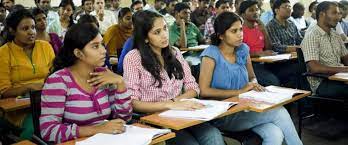
Introduction about Diploma in Early Childhood Care & Education
A Diploma in Early Childhood Care and Education (ECCE) is a specialized program designed to equip individuals with the knowledge and skills necessary to work effectively in the field of early childhood education. This diploma focuses on the critical years of a child's development, typically from birth to eight years old, and emphasizes the importance of creating a supportive and stimulating learning environment during this formative period.
The curriculum of a Diploma in Early Childhood Care and Education covers a range of topics, including child development, psychology, pedagogy, health and safety, curriculum planning, and communication skills. Participants in this program learn how to engage with young children in a way that promotes their holistic development, encompassing cognitive, emotional, social, and physical aspects.
Key components of the program often include practical experiences, such as internships or field placements, where students can apply theoretical knowledge in real-world settings. This hands-on approach allows aspiring early childhood educators to develop the necessary competencies for effective teaching and caregiving.
Furthermore, the diploma emphasizes the significance of creating inclusive and culturally sensitive learning environments, recognizing the diverse needs and backgrounds of children and their families. It also covers essential aspects of child safety, nutrition, and health, ensuring that individuals completing the program are well-rounded professionals capable of providing comprehensive care.
Upon successful completion of the Diploma in Early Childhood Care and Education, graduates are prepared for various roles in the field, such as preschool teachers, daycare coordinators, early intervention specialists, and childcare administrators. The diploma serves as a valuable foundation for those aspiring to pursue further studies in early childhood education or related fields.
How can I apply for admission to Diploma in Early Childhood Care & Education Program
Research Programs: Begin by researching institutions that offer a Diploma in Early Childhood Care and Education. Look for accredited and reputable institutions that provide comprehensive training in early childhood education.
Check Admission Requirements: Review the admission requirements for the specific program you are interested in. Requirements may vary among institutions but typically include a minimum educational background (such as a high school diploma or equivalent), language proficiency tests (if applicable), and possibly a personal statement or letters of recommendation.
Complete Application Form: Obtain and fill out the application form for the chosen institution. Most institutions provide online application forms on their official websites. Ensure that you provide accurate and complete information.
Prepare Supporting Documents: Gather all necessary supporting documents, which may include:
Educational transcripts (high school or equivalent)
Proof of language proficiency (if applicable)
Letters of recommendation
Personal statement or statement of purpose
Resume/CV
Submit Application: Submit your completed application form along with all required documents to the admissions office of the chosen institution. You may be required to pay an application fee, so be sure to check and include any necessary payment.
Interview (if required): Some institutions may conduct interviews as part of the admissions process. If an interview is required, prepare for it by researching common questions related to your interest in early childhood education and your suitability for the program.
Wait for Admission Decision: After submitting your application, wait for the institution to review your materials and make an admission decision. This process may take some time, so be patient.
Acceptance and Enrollment: If you receive an offer of admission, carefully review the terms and conditions. Follow the instructions provided to formally accept the offer and proceed with the enrollment process. This may involve paying a deposit, selecting courses, and attending orientation sessions.
Financial Aid (if needed): If you require financial assistance, explore scholarship and financial aid options offered by the institution. Ensure that you meet application deadlines for any financial support programs.
Prepare for the Program: Once enrolled, make preparations for the program start date. This may include obtaining any required textbooks, familiarizing yourself with the campus (if applicable), and preparing mentally for the challenges and opportunities of the program.
What is the eligibility for Diploma in Early Childhood Care & Education
The eligibility criteria for a Diploma in Early Childhood Care and Education (ECCE) program may vary depending on the institution offering the course. However, here are common eligibility requirements that you might encounter:
Educational Qualifications: Typically, candidates should have a minimum educational qualification equivalent to a high school diploma or its international equivalent. Some institutions may specify certain subjects or grades as prerequisites.
Age Limit: There might be a minimum age requirement for admission to the program. Some institutions prefer candidates who are at least 17 or 18 years old.
Language Proficiency: If the language of instruction is not the candidate's first language, proof of proficiency in the language may be required. This could be demonstrated through standardized language proficiency tests such as IELTS or TOEFL.
Interview or Entrance Exam (if applicable): In some cases, institutions may conduct interviews or require candidates to take an entrance exam as part of the admission process. This is to assess the candidate's suitability for the program.
Relevant Experience (if applicable): Some institutions may prefer candidates with prior experience working with children or in related fields. This could be in the form of volunteer work, internships, or employment in childcare settings.
Health and Immunization Requirements: Institutions may have health and immunization requirements to ensure the safety and well-being of both students and the children they will be working with during practical training.
Criminal Background Check: Due to the nature of working with children, some programs may require candidates to undergo a criminal background check to ensure a safe environment for young learners.
Submission of Documents: Applicants are usually required to submit supporting documents along with their application. These may include educational transcripts, letters of recommendation, a resume or CV, and a personal statement.
How long does it takes to complete a Diploma in Early Childhood Care & Education program
The duration of a Diploma in Early Childhood Care and Education program can vary depending on the institution and the specific program structure. However, these programs typically range from 1 to 2 years of full-time study. The exact duration may be influenced by factors such as the curriculum design, the number of credit hours or courses required, and whether the program includes practical training or internships.
In some cases, institutions may offer part-time or accelerated options, allowing students to complete the program at a more flexible pace. Part-time programs may take longer to finish, while accelerated programs might condense the coursework into a shorter timeframe.
It's important to check the specific program details provided by the institution offering the Diploma in Early Childhood Care and Education for accurate information on the duration of the program. Program durations are often outlined in the curriculum or program overview sections of the institution's official website or in the program brochure. Additionally, contacting the admissions office of the respective institution can provide you with specific and up-to-date information on the length of the program.
What are potential career opportunities after Diploma in Early Childhood Care & Education
A Diploma in Early Childhood Care and Education opens up various career opportunities in the field of early childhood education and care. Graduates of this program can pursue fulfilling roles that involve working with young children and contributing to their holistic development. Some potential career opportunities include:
Preschool Teacher: Graduates can become preschool teachers, working with children in the crucial early years of their development. They plan and implement age-appropriate curriculum, facilitate learning through play, and create a nurturing environment for young learners.
Childcare Worker/Assistant: Childcare workers or assistants provide care and support to children in daycare centers, nursery schools, or other early childhood settings. They assist in daily activities, supervise play, and ensure the well-being of children.
Early Childhood Educator: Early childhood educators work in various educational settings, including preschools, kindergartens, and elementary schools. They play a key role in fostering the intellectual, emotional, and social development of young children.
Child Development Specialist: Graduates may pursue roles as child development specialists, focusing on understanding and promoting healthy developmental milestones in young children. They may work in research, advocacy, or community organizations.
Special Education Assistant: Some individuals with a Diploma in Early Childhood Care and Education choose to work as special education assistants, providing support to children with diverse learning needs in inclusive educational settings.
Family Support Worker: Family support workers assist families with young children by providing resources, guidance, and support. They may work in community organizations, social services, or family support programs.
Child Life Specialist: Child life specialists work in hospitals and healthcare settings to support children and families during challenging medical experiences. They use play and other interventions to reduce stress and promote coping.
Program Coordinator in Early Childhood Settings: Graduates may take on roles as program coordinators or directors in early childhood settings, overseeing the development and implementation of curriculum, managing staff, and ensuring compliance with regulations.
Entrepreneur in Early Childhood Services: Some individuals choose to start their own childcare or early education centers, providing a valuable service to the community while managing the business aspects of early childhood education.
Parent Educator: Graduates can work as parent educators, providing guidance and workshops to parents on child development, positive parenting techniques, and early childhood education.
Syllabus of Diploma in Early Childhood Care & Education
Semester 1: Introduction to Early Childhood Education
Child Development and Psychology
Introduction to Early Childhood Education
Health and Safety in Early Childhood Settings
Observing and Assessing Young Children
Communication and Interaction with Children
Semester 2: Curriculum Planning and Implementation
Curriculum Development for Early Childhood
Play and Learning
Language Development in Young Children
Creativity and Art in Early Childhood
Practicum/Fieldwork in Early Childhood Settings
Semester 3: Specialized Areas in Early Childhood Education
Inclusive Education and Special Needs in Early Childhood
Social and Emotional Development in Children
Nutrition and Wellness for Young Children
Technology in Early Childhood Education
Practicum/Internship in Specialized Settings
Semester 4: Administration and Professional Development
Classroom Management and Behavior Guidance
Administration of Early Childhood Programs
Professional Ethics and Standards in Early Childhood Education
Parent and Community Involvement
Capstone Project or Final Practicum
Internship opportunities after completing Diploma in Early Childhood Care & Education
Preschools and Daycare Centers: Many diploma programs include internships in preschools or daycare centers. Interns may work alongside experienced educators to implement curriculum, engage in play-based learning activities, and observe child development.
Kindergartens: Internships in kindergarten settings allow individuals to gain experience working with children in the early years of formal education. This can involve lesson planning, classroom management, and collaboration with other educators.
Early Intervention Programs: Internships in early intervention programs focus on supporting children with developmental delays or special needs. Interns may work with professionals such as speech therapists, occupational therapists, and special education teachers.
Community Centers and NGOs: Internships in community centers or non-governmental organizations (NGOs) that focus on early childhood development can involve community outreach, organizing educational workshops, and providing support to families.
Hospitals and Healthcare Facilities: Some individuals may choose internships in hospitals or healthcare settings, particularly if they are interested in child life services. This involves supporting children and families during medical procedures and hospital stays.
Research Organizations: Internships in research organizations or academic institutions may involve assisting with research projects related to early childhood development, educational psychology, or child welfare.
Parent Education Programs: Internships in programs that provide education and support to parents can be valuable. This may include organizing parenting workshops, developing resources, and facilitating parent-child activities.
Government Agencies: Some government agencies focus on early childhood development and education. Internships in such organizations may involve policy research, program evaluation, or community outreach initiatives.
Private Educational Companies: Private companies that specialize in early childhood education materials, curriculum development, or educational technology may offer internships in areas such as content creation, marketing, or product development.
Childcare Consultancy Services: Internships in childcare consultancy firms provide an opportunity to work on projects related to program assessment, quality improvement, and training initiatives for early childhood professionals.
Scholarship and grants for Diploma in Early Childhood Care & Education
Educational Institutions: Many universities, colleges, and vocational training institutes offer scholarships or financial aid programs for students pursuing diplomas in early childhood education. Check with the financial aid or scholarship office of the institution you plan to attend for available opportunities.
Government Scholarships: Government agencies at the national, state, or local levels may provide scholarships or grants for individuals pursuing education in early childhood care and education. Explore government education websites or contact relevant departments for information on available programs.
Non-Profit Organizations and Foundations: Non-profit organizations and foundations focused on education, childcare, and child development may offer scholarships or grants. Examples include the Early Childhood Educators Scholarship Program or similar initiatives.
Professional Associations: Professional associations related to early childhood education may provide financial support to students pursuing relevant diplomas. Membership in these associations may also offer access to scholarship opportunities. Examples include the National Association for the Education of Young Children (NAEYC) or local early childhood education associations.
Community and Philanthropic Organizations: Local community organizations, philanthropic foundations, and charitable trusts may offer scholarships to support students in their community who are pursuing a diploma in early childhood care and education.
Corporate Sponsorships: Some corporations or businesses, particularly those with a focus on education or childcare, may offer scholarship programs. Check with local businesses or explore corporate social responsibility initiatives.
Online Scholarship Platforms: Utilize online scholarship search platforms to find relevant opportunities. Websites like Fastweb, Chegg, or Scholarship.com allow you to search for scholarships based on your educational goals and background.
Government Aid Programs: In some countries, there are government aid programs, grants, or subsidies specifically for individuals pursuing careers in early childhood education. Check with relevant education departments or agencies for information on available financial support.
Employer Assistance: If you are currently employed in a childcare or education-related setting, inquire about employer-sponsored scholarships or tuition reimbursement programs. Some employers offer financial support for employees seeking further education.
Regional or Cultural Scholarships: Certain scholarships may be available based on your region or cultural background. Explore opportunities that cater to specific demographics or communities.
Conclusion
In conclusion, a Diploma in Early Childhood Care & Education is not just a certification; it's a commitment to nurturing tomorrow's leaders. This article has explored the multifaceted aspects of ECCE, emphasizing its significance in laying a strong foundation for a child's future.
FAQs
Q1: What is a Diploma in Early Childhood Care & Education (ECCE)?
A1: A Diploma in Early Childhood Care & Education is a specialized program designed to provide individuals with the knowledge and skills needed to work in the field of early childhood education. It focuses on the development, care, and education of young children, typically from birth to eight years old.
Q2: What are the entry requirements for this program?
A2: Entry requirements may vary, but they commonly include a high school diploma or its equivalent. Some programs may have specific subject prerequisites, language proficiency requirements, and may require interviews or entrance exams.
Q3: How long does it take to complete the Diploma in Early Childhood Care & Education?
A3: The duration varies, but it typically takes 1 to 2 years of full-time study. Part-time and accelerated options may also be available, impacting the total duration of the program.
Q4: What will I learn in the program?
A4: The program typically covers topics such as child development, curriculum planning, health and safety, communication skills, and practical experiences in early childhood settings. It aims to prepare individuals for roles in childcare and education.
Q5: Can I specialize in a particular area, such as special needs education?
A5: Some programs offer elective courses or specializations, allowing students to focus on areas like special needs education, infant/toddler care, or other specific aspects of early childhood education.
Q6: Are there internship opportunities as part of the program?
A6: Yes, many programs include internships or practical experiences in childcare centers, preschools, or other early childhood settings. This hands-on experience is crucial for applying theoretical knowledge in real-world scenarios.
Q7: What career opportunities are available after completing the Diploma in Early Childhood Care & Education?
A7: Graduates can pursue careers as preschool teachers, childcare workers, early childhood educators, child development specialists, and more. The diploma provides a foundation for various roles in the field of early childhood education.
Q8: Are there scholarships or financial aid options available?
A8: Yes, there are often scholarships, grants, and financial aid programs available. These can be offered by educational institutions, government bodies, non-profit organizations, and private foundations.
Q9: Can I continue my education after completing the diploma?
A9: Yes, many individuals choose to further their education by pursuing a degree in early childhood education or related fields. The diploma serves as a valuable stepping stone for higher-level studies.
Q10: How do I apply for admission to a Diploma in Early Childhood Care & Education program?
A10: To apply, research institutions offering the program, check admission requirements, complete the application form, gather supporting documents, and submit the application to the institution. Some programs may also require interviews or entrance exams.
How Shiksha Hub helps you in
-
 Student Counsellors
 -
 Career Counseling
 -
 Research
 -
 24/7 Support
 -
 Scholarships
 -
 Community