Posted by Admin on 28-07-2023 in Shiksha hub
Dental Lab Technician Introduction, Admission, Registration, Eligibility, Duration, Fees, Syllabus 2024
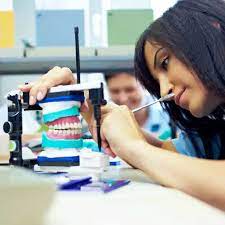
Introduction about Dental Lab Technician
Dental Lab Technicians play a pivotal role in the realm of dentistry, contributing significantly to the creation of dental prosthetics and ensuring optimal patient care. As we delve into the intricate world of dental lab technology, it becomes apparent that these skilled professionals are the unsung heroes behind the smiles we often take for granted.
Importance of Dental Lab Technicians
Dental lab technicians are the artisans who craft dental prosthetics, such as crowns, bridges, and dentures, with precision and artistry. Their work directly impacts a patient's quality of life by enhancing both aesthetics and functionality. Without these experts, the dental industry would lack the finesse and attention to detail that are crucial for successful oral care.
Overview of their role in the dental field
While dentists diagnose and treat oral health issues, dental lab technicians bring their expertise to the laboratory, translating those diagnoses into tangible solutions. From creating custom crowns that seamlessly blend with natural teeth to crafting intricate dentures that restore a patient's confidence, these professionals bridge the gap between dental theory and practical application.
Educational Background
Becoming a dental lab technician requires a specific educational background and training. It's not just about technical skills but also a deep understanding of dental science and materials.
Required qualifications
Most dental lab technicians hold an associate degree in dental technology or a related field. This educational foundation provides them with the necessary knowledge of dental anatomy, materials, and laboratory procedures.
Specialized training and certifications
In addition to formal education, dental lab technicians often pursue specialized training and certifications. These credentials validate their expertise in specific areas, such as crown and bridge work, ceramics, or denture fabrication. This continuous pursuit of knowledge ensures that technicians stay abreast of the latest advancements in the field.
Skills and Competencies
Being a dental lab technician requires a unique set of skills that goes beyond technical proficiency. Precision, communication, and a keen eye for detail are paramount in this profession.
Precision and attention to detail
Every dental prosthetic created by a technician must fit seamlessly into a patient's mouth. The precision required in measurements and the meticulous attention to detail in crafting each piece ensure the success of the final product.
Knowledge of dental materials
Dental lab technicians work with a variety of materials, including ceramics, metals, and polymers. Understanding the properties of these materials is crucial for creating durable and functional prosthetics.
Communication skills
Collaboration with dentists and other members of the dental team is a key aspect of a dental lab technician's role. Clear communication ensures that the final product meets the patient's needs and aligns with the dentist's treatment plan.
Daily Responsibilities
The daily routine of a dental lab technician is a fascinating blend of science, artistry, and technology.
Creating dental prosthetics
The core responsibility of a dental lab technician is the fabrication of dental prosthetics based on the specifications provided by dentists. This includes designing and crafting crowns, bridges, dentures, and other devices.
Collaborating with dentists
Effective collaboration with dentists is essential. Technicians often consult with dentists to understand patient needs, discuss treatment plans, and ensure the prosthetics meet the functional and aesthetic requirements.
Utilizing advanced technologies
Modern dental labs are equipped with cutting-edge technologies, including Computer-Aided Design and Computer-Aided Manufacturing (CAD/CAM) systems and 3D printers. Technicians must stay updated on these technologies to remain efficient and deliver high-quality products.
Types of Dental Technicians
Dental lab technicians specialize in various areas, each contributing to different aspects of dental care.
Crown and bridge technicians
These technicians focus on creating crowns and bridges to restore damaged or missing teeth. Their work involves precise measurements and a deep understanding of dental anatomy.
Denture technicians
Denture technicians specialize in crafting removable prosthetics to replace missing teeth. This includes partial and full dentures that restore both function and aesthetics.
Orthodontic technicians
Orthodontic technicians work closely with orthodontists to create appliances like braces and retainers. Their role is integral to the field of orthodontics, ensuring the proper alignment of teeth.
Technological Advancements
The field of dental technology has witnessed significant advancements, revolutionizing how dental lab technicians approach their craft.
CAD/CAM technology in dental labs
CAD/CAM technology allows technicians to create digital designs of dental prosthetics, improving precision and efficiency in the fabrication process. This technology has become a game-changer in the world of dental lab work.
3D printing in dental prosthetics
The advent of 3D printing has further transformed the dental lab landscape. Technicians can now produce highly accurate and customized prosthetics, reducing production time and enhancing the overall quality of the final product.
Industry Trends
The dental lab technology field is dynamic, with several trends shaping its evolution.
Growing demand for cosmetic dentistry
As society places increasing importance on aesthetics, there is a growing demand for cosmetic dentistry services. Dental lab technicians play a crucial role in meeting this demand by creating prosthetics that not only restore function but also enhance the appearance of a patient's smile.
Impact of digital dentistry on lab technicians
Digital dentistry, encompassing technologies like intraoral scanners and virtual treatment planning, has a profound impact on dental lab technicians. Adapting to these changes is essential for technicians to stay relevant and provide top-notch
How to Apply for Admission to Dental Lab Technician Programs
Embarking on a career as a Dental Lab Technician is a rewarding journey that begins with the right education and training. If you're aspiring to become a part of this essential profession, here's a step-by-step guide on how to apply for admission to Dental Lab Technician programs.
Research Educational Requirements:
Before applying, familiarize yourself with the educational prerequisites. Most Dental Lab Technician programs require a high school diploma or equivalent. Some may have specific coursework or prerequisites, so make sure you meet these criteria.
Choose an Accredited Program:
Opt for programs that are accredited by relevant authorities. Accreditation ensures that the program meets established standards and provides quality education. Look for institutions recognized by dental associations or accrediting bodies in your region.
Gather Necessary Documents:
Prepare a comprehensive application package. This typically includes your high school transcripts, letters of recommendation, a personal statement, and any standardized test scores that may be required. Some programs may also ask for a resume or portfolio showcasing relevant skills and experiences.
Write a Compelling Personal Statement:
Craft a personal statement that highlights your passion for dental technology, relevant experiences, and your commitment to the field. Be concise, articulate your goals, and explain why you're interested in becoming a Dental Lab Technician.
Letters of Recommendation:
Obtain letters of recommendation from teachers, employers, or professionals in the dental field who can attest to your capabilities and work ethic. These letters provide insight into your character and suitability for the program.
Prepare for Interviews or Entrance Exams:
Some programs may require interviews or entrance exams as part of the admission process. Familiarize yourself with common interview questions and review relevant coursework to ensure success in any entrance exams.
Submit Your Application:
Once you've gathered all the necessary documents and prepared for any additional requirements, submit your application before the deadline. Ensure that all materials are complete and accurate to increase your chances of acceptance.
Explore Financial Aid Options:
Investigate financial aid options, including scholarships, grants, or loans. Many institutions offer financial assistance to qualified students. Fill out the Free Application for Federal Student Aid (FAFSA) to determine your eligibility for federal aid.
Stay Informed About Program Deadlines:
Keep track of application deadlines, as missing them could jeopardize your chances of acceptance. Mark important dates on your calendar and set reminders to ensure timely submission.
Prepare for Practical Training:
Dental Lab Technician programs often include practical training components. Be prepared to engage in hands-on experiences and internships to enhance your skills and apply theoretical knowledge in real-world scenarios.
By following these steps, you can navigate the admission process smoothly and embark on a fulfilling journey toward becoming a Dental Lab Technician. Remember to check specific requirements for each program and tailor your application accordingly. Good luck on your path to joining this vital profession in the dental field!
What is the eligibility for Dental Lab Technician
Eligibility Criteria for Dental Lab Technician Programs
If you're considering a career as a Dental Lab Technician, understanding the eligibility criteria for relevant programs is crucial. Here's a comprehensive guide to the typical requirements for aspiring Dental Lab Technicians:
Educational Background:
High School Diploma or Equivalent: Most Dental Lab Technician programs require candidates to have completed high school or obtained an equivalent qualification, such as a General Educational Development (GED) certificate.
Prerequisite Coursework:
Science Courses: Some programs may have specific coursework prerequisites, especially in the sciences. Courses in biology, chemistry, and anatomy can enhance your application.
Technical Skills and Aptitude:
Manual Dexterity: Dental Lab Technicians work with intricate dental prosthetics, demanding excellent manual dexterity. Programs often look for candidates with a steady hand and precise motor skills.
Communication Skills:
Effective Communication: Given the collaborative nature of the profession, strong communication skills are essential. Dental Lab Technicians must be able to communicate effectively with dentists and other members of the dental team.
Attention to Detail:
Precision and Detail Orientation: The role involves crafting precise dental prosthetics, emphasizing the need for meticulous attention to detail. Candidates should showcase a keen eye for accuracy.
Certifications and Training:
Certification Programs: While not always mandatory, completing relevant certification programs can enhance your candidacy. Certifications in dental technology or related fields demonstrate a commitment to the profession.
Personal Statement:
Statement of Intent: Many programs require a personal statement or essay. This is an opportunity for candidates to express their passion for dental technology, detail relevant experiences, and outline career goals.
Letters of Recommendation:
Professional Endorsements: Submitting letters of recommendation from teachers, employers, or professionals in the dental field can strengthen your application. These letters should attest to your character and suitability for the program.
Entrance Exams or Interviews:
Evaluation Process: Some programs may conduct entrance exams or interviews as part of the selection process. Familiarize yourself with common interview questions and review relevant coursework to prepare adequately.
Age Requirements:
Minimum Age: Certain programs may have minimum age requirements for applicants. Ensure that you meet any age criteria set by the institution.
Health Requirements:
Physical Health: Dental Lab Technicians may need to stand for extended periods and work with various materials. Programs may have health requirements to ensure candidates can meet these physical demands.
Criminal Background Check:
Clear Background: Some institutions may require candidates to undergo a criminal background check. A clear background is often necessary for admission into healthcare-related programs.
International Applicants:
Language Proficiency: For international applicants, demonstrating proficiency in the language of instruction (usually English) is essential. This may involve providing scores from standardized language tests like the TOEFL or IELTS.
Application Fee:
Financial Considerations: Be prepared to pay an application fee when submitting your application. Some programs may offer fee waivers or reductions based on financial need.
Adherence to Deadlines:
Timely Submission: Ensure that you submit all required materials, including transcripts, letters of recommendation, and test scores, by the program's deadline. Late submissions may not be considered.
Understanding and meeting these eligibility criteria will position you as a competitive candidate for Dental Lab Technician programs. Always check the specific requirements of each institution to tailor your application accordingly. Good luck on your journey to becoming a Dental Lab Technician!
How long does it takes to complete a Dental Lab Technician
Duration of Dental Lab Technician Programs
The time required to complete a Dental Lab Technician program can vary based on several factors, including the type of program, educational institution, and the specific requirements of the curriculum. Here's a general overview of the time it takes to become a Dental Lab Technician:
Certificate Programs:
Duration: Certificate programs for Dental Lab Technicians typically last about 9 to 12 months.
Overview: These programs are designed for individuals who already have some background in dental technology or related fields. They focus on providing hands-on training and practical skills required for entry-level positions.
Associate Degree Programs:
Duration: Associate degree programs in Dental Lab Technology usually take around 2 years to complete.
Overview: These programs offer a more comprehensive education, combining general education courses with specialized training in dental technology. They are suitable for individuals starting their education from scratch or those looking for a more in-depth understanding of the field.
Bachelor's Degree Programs:
Duration: Bachelor's degree programs in Dental Laboratory Science or related fields typically take 4 years to complete.
Overview: These programs provide a broader education, including advanced coursework in dental science, management, and technology. Bachelor's degree holders may have opportunities for leadership roles or positions that involve more complex aspects of dental lab technology.
Apprenticeship Programs:
Duration: Apprenticeship programs can vary in length but often take around 3 to 4 years.
Overview: Some individuals choose to enter the field through apprenticeships, where they work under the supervision of experienced Dental Lab Technicians. This on-the-job training is combined with classroom instruction and can lead to certification.
Continuing Education:
Duration: For professionals seeking to enhance their skills or specialize further, continuing education courses or workshops may range from a few days to several weeks.
Overview: Dental Lab Technicians may engage in ongoing education to stay updated on the latest technologies and advancements in the field. These short-term courses provide targeted knowledge without the lengthy commitment of a full-degree program.
Factors Influencing Duration:
Part-Time vs. Full-Time Enrollment: The time it takes to complete a program can be influenced by whether you are enrolled on a full-time or part-time basis.
Program Structure: The specific structure of the program, including the inclusion of summer sessions or accelerated courses, can impact the overall duration.
Credit Transfer: Individuals with previous college credits or relevant work experience may be able to transfer credits, potentially shortening the time needed to complete the program.
Clinical Requirements: Programs with extensive clinical or hands-on training components may have a longer duration.
Individual Progress: Some programs allow students to progress at their own pace, affecting the overall time to completion.
What are potential career opportunities after Dental Lab Technician
Potential Career Opportunities After Becoming a Dental Lab Technician
Becoming a Dental Lab Technician opens up a range of rewarding career opportunities within the dental field. These positions allow individuals to apply their skills and contribute to the overall oral health and well-being of patients. Here are some potential career paths:
Dental Lab Technician:
Role: The most direct career path is working as a Dental Lab Technician. Technicians are responsible for crafting dental prosthetics, including crowns, bridges, and dentures, based on prescriptions and specifications provided by dentists.
Specialized Dental Technician:
Role: Dental Lab Technicians can specialize in specific areas such as ceramics, orthodontics, or implantology. Specialization enhances expertise in crafting particular types of dental prosthetics, leading to more focused and advanced roles.
Quality Control Specialist:
Role: Professionals in this role ensure the precision and quality of dental prosthetics before they are sent to dental offices. They play a crucial part in maintaining high standards within dental laboratories.
Laboratory Manager:
Role: With experience, Dental Lab Technicians can progress into management roles, overseeing the daily operations of a dental laboratory. This includes managing staff, ensuring efficiency, and maintaining quality control.
Sales Representative for Dental Products:
Role: Those with strong communication skills may choose a career as a sales representative for dental products. They educate dental professionals about new technologies and materials, facilitating the adoption of innovative products in dental practices.
Educator or Instructor:
Role: Experienced Dental Lab Technicians can transition into teaching roles. They may work as educators in dental technology programs, sharing their knowledge and skills with the next generation of technicians.
Research and Development Specialist:
Role: Professionals interested in advancing dental technology may choose a career in research and development. They contribute to the creation of new materials, techniques, and technologies used in dental laboratories.
Dental Equipment Technician:
Role: Technicians can specialize in maintaining and repairing dental laboratory equipment. This role ensures that all machinery and technology within the laboratory function optimally.
Dental Technology Consultant:
Role: Dental Lab Technicians with extensive experience may become consultants, providing guidance to dental laboratories on optimizing workflows, adopting new technologies, and improving overall efficiency.
Entrepreneurial Ventures:
Role: Ambitious individuals may choose to start their own dental laboratory businesses. This entrepreneurial path allows for creative control and the establishment of a unique niche in the dental technology market.
International Opportunities:
Role: Some Dental Lab Technicians explore international opportunities, working in laboratories abroad or contributing to global dental health initiatives.
Continuing Education and Professional Development:
Role: Engaging in continuous education allows Dental Lab Technicians to stay abreast of industry advancements. This commitment can open doors to new career opportunities and leadership roles.
Telehealth and Remote Work:
Role: Advancements in technology may lead to opportunities for Dental Lab Technicians to work remotely, contributing to the creation of dental prosthetics through telehealth platforms.
Hospital or Clinic Collaboration:
Role: Some Dental Lab Technicians collaborate directly with hospitals or dental clinics, working closely with healthcare professionals to create prosthetics for patients with specialized needs.
International Aid and Outreach:
Role: Professionals may participate in international aid missions, contributing their skills to improve oral health in underserved communities around the world.
As Dental Lab Technicians gain experience and expertise, these diverse career opportunities offer avenues for professional growth and fulfillment within the dynamic field of dental technology. The evolving nature of dental care ensures that skilled technicians are in demand across various roles and settings.
Syllabus of Dental Lab Technician
Embarking on a Dental Lab Technician program involves a comprehensive curriculum that blends theoretical knowledge with hands-on practical experience. Here's a semester-wise breakdown of a typical syllabus for a Dental Lab Technician program:
Semester 1: Introduction to Dental Technology
Subjects:
Introduction to Dental Anatomy and Physiology:
Overview of the structure and function of the oral cavity.
Identification of teeth and their functions.
Dental Materials:
Study of various materials used in dental prosthetics.
Introduction to the properties and manipulation of dental materials.
Oral Health and Disease:
Understanding common oral health issues and diseases.
The role of dental prosthetics in oral health management.
Basic Dental Laboratory Techniques:
Introduction to laboratory safety and hygiene.
Hands-on experience with basic tools and equipment.
Communication Skills for Dental Professionals:
Developing effective communication skills for collaboration with dentists and colleagues.
Patient interaction and case documentation.
Semester 2: Foundation in Dental Prosthetics
Subjects:
Complete Denture Fabrication:
Step-by-step process of creating full dentures.
Impression techniques and occlusal considerations.
Crown and Bridge Procedures:
Design and fabrication of crowns and bridges.
Understanding different types of dental crowns.
Dental Laboratory Management:
Introduction to laboratory workflow and organization.
Inventory management and record-keeping.
Digital Dentistry:
Overview of CAD/CAM technology.
Hands-on experience with digital design software.
Professional Ethics in Dental Technology:
Ethical considerations in dental lab practice.
Patient confidentiality and professional conduct.
Semester 3: Specialization and Advanced Techniques
Subjects:
Orthodontic Appliances:
Design and fabrication of orthodontic devices.
Collaboration with orthodontists in treatment planning.
Advanced Crown and Bridge Techniques:
Advanced methods in crown and bridge procedures.
Incorporation of precision attachments.
Introduction to Implantology:
Understanding dental implant procedures.
Fabrication of implant-supported prosthetics.
Specialized Dental Ceramics:
In-depth study of dental ceramic materials.
Artistry and aesthetics in ceramic restorations.
Clinical Experience (Internship):
Placement in a dental laboratory for hands-on practical experience.
Integration of classroom learning into real-world applications.
Semester 4: Advanced Concepts and Professional Development
Subjects:
Advanced Digital Dentistry:
3D printing in dental prosthetics.
Incorporation of intraoral scanning technology.
Dental Lab Quality Control:
Implementation of quality control measures.
Troubleshooting and problem-solving in dental prosthetics.
Research Methods in Dental Technology:
Introduction to research in dental lab sciences.
Case studies and research project development.
Business and Marketing for Dental Technicians:
Basics of running a dental laboratory as a business.
Marketing strategies and client relations.
Professional Development Seminar:
Preparation for certification exams.
Networking and career development.
Semester 5: Capstone Project and Specialization
Subjects:
Capstone Project:
Independent research or practical project.
Presentation of findings and outcomes.
Specialization Elective:
Selection of an elective course in a specialized area (e.g., ceramics, orthodontics, implantology).
Current Trends in Dental Technology:
Exploration of emerging technologies and trends in the field.
Legal and Regulatory Aspects in Dental Technology:
Understanding industry regulations and compliance.
Ethical considerations in the changing landscape of dental technology.
Final Internship and Clinical Rotation:
Extended internship for advanced clinical experience.
Exposure to diverse cases and challenges.
Internship Opportunities After Completing Dental Lab Technician Program
Completing a Dental Lab Technician program opens the door to valuable internship opportunities, providing hands-on experience and a chance to apply the knowledge gained in the classroom to real-world scenarios. Here are potential internship opportunities for individuals who have successfully completed a Dental Lab Technician program:
Dental Laboratories:
Role: Interning in a dental laboratory offers firsthand experience in the daily operations of crafting dental prosthetics. This includes working with various materials, using CAD/CAM technology, and collaborating with experienced technicians.
Dental Clinics and Practices:
Role: Interns in dental clinics or practices may work closely with dentists to understand the patient care aspect of dental prosthetics. This experience includes observing patient interactions, case consultations, and contributing to the prosthetic creation process.
Orthodontic Clinics:
Role: Interning in orthodontic clinics provides exposure to the fabrication of orthodontic appliances. This includes working with different types of braces, retainers, and other devices used in orthodontic treatment.
Implantology Centers:
Role: Interns in implantology centers gain insights into the intricate field of dental implants. This includes working on cases involving implant-supported prosthetics and collaborating with professionals in implant dentistry.
Prosthetic Manufacturing Companies:
Role: Interning with companies that manufacture dental prosthetic materials and equipment allows for a broader understanding of the industry. This includes exposure to new technologies and materials entering the market.
Research and Development Facilities:
Role: For those interested in the advancement of dental technology, internships in research and development facilities offer the chance to contribute to the creation of new materials, techniques, and technologies.
Dental Equipment Suppliers:
Role: Interning with dental equipment suppliers provides a unique perspective on the tools and machinery used in dental laboratories. This includes understanding equipment maintenance, troubleshooting, and customer support.
Educational Institutions:
Role: Some individuals may choose internships within educational institutions, assisting instructors in dental technology programs. This opportunity allows for mentorship, classroom support, and engagement with current students.
Hospital Dental Departments:
Role: Interning in hospital dental departments provides exposure to a diverse range of cases and patients. This experience includes working on prosthetics for individuals with complex dental needs and collaborating with a multidisciplinary healthcare team.
International Aid Organizations:
vbnetCopy code
**Role:** For those passionate about global oral health, internships with international aid organizations provide the opportunity to contribute to dental prosthetics in underserved communities worldwide.
Quality Control Positions:
markdownCopy code
**Role:** Internships in quality control positions within dental laboratories or manufacturing companies focus on ensuring the precision and quality of dental prosthetics. This involves learning about industry standards and compliance.
Dental Technology Consulting Firms:
markdownCopy code
**Role:** Interning with consulting firms specialized in dental technology offers exposure to various dental laboratories and practices. This includes participating in assessments, workflow optimizations, and technology implementations.
Entrepreneurial Ventures:
sqlCopy code
**Role:** Those interested in entrepreneurship can intern with established dental laboratory owners or start-ups. This experience provides insights into the business side of running a dental laboratory.
Continuing Education and Training Centers:
vbnetCopy code
**Role:** Internships in centers focused on continuing education for dental professionals offer the chance to assist in training programs, workshops, and seminars. This exposure contributes to professional development and networking.
Telehealth Platforms:
vbnetCopy code
**Role:** As technology advances, internships with telehealth platforms in dental technology allow for remote collaboration on prosthetic design and patient consultations.
Tips for Securing Internships:
Network: Attend industry events, join professional associations, and connect with professionals to discover potential internship opportunities.
Apply Early: Start the internship application process early to secure desirable positions.
Create a Strong Resume: Showcase relevant coursework, skills, and achievements in your resume to stand out to potential employers.
Demonstrate Enthusiasm: During interviews, express your passion for dental technology and eagerness to learn and contribute.
Internships serve as a bridge between education and professional practice, providing invaluable experiences and setting the stage for a successful career as a Dental Lab Technician.
Scholarships and Grants for Dental Lab Technician
Pursuing a career as a Dental Lab Technician can involve financial considerations, but numerous scholarships and grants are available to support students in their educational journey. Here is a list of potential scholarships and grants specifically tailored for Dental Lab Technician students:
National Association of Dental Laboratories (NADL) Scholarship:
Description: NADL offers scholarships to students pursuing education in dental laboratory technology.
Eligibility: Open to students enrolled in accredited dental technology programs.
Application Process: Check the NADL website for application details and deadlines.
American Dental Association (ADA) Foundation Scholarships:
Description: ADA Foundation provides scholarships for dental students, and some programs may extend support to dental technology students.
Eligibility: Criteria may vary, so check specific ADA Foundation scholarship opportunities for Dental Lab Technician students.
Application Process: Visit the ADA Foundation website for scholarship information and application procedures.
National Board for Certification in Dental Laboratory Technology (NBC):
Description: NBC offers scholarships to individuals pursuing certification in dental laboratory technology.
Eligibility: Applicants typically need to be enrolled in or have completed an accredited dental technology program.
Application Process: Check the NBC website for scholarship details and application requirements.
Foundation for Dental Laboratory Technology (FDLT) Scholarships:
Description: FDLT provides scholarships to support students in dental laboratory technology programs.
Eligibility: Open to students pursuing education in dental technology.
Application Process: Visit the FDLT website for information on available scholarships and application procedures.
American Dental Education Association (ADEA) Scholarships and Fellowships:
Description: ADEA offers various scholarships and fellowships for dental education, and some may be applicable to dental technology students.
Eligibility: Criteria vary, so explore ADEA's scholarship offerings for specific eligibility requirements.
Application Process: Check the ADEA website for scholarship opportunities and application details.
Dental Trade Alliance (DTA) Foundation Scholarships:
Description: DTA Foundation provides scholarships for individuals pursuing education in dental technology.
Eligibility: Open to students enrolled in accredited dental technology programs.
Application Process: Visit the DTA Foundation website for information on available scholarships and application procedures.
Henry Schein Cares Foundation Scholarship Program:
Description: Henry Schein Cares Foundation may offer scholarships for students pursuing dental technology education.
Eligibility: Criteria may include financial need, academic achievement, and commitment to community service.
Application Process: Check the Henry Schein Cares Foundation website for scholarship details.
Local Dental Associations and Foundations:
Description: Many local dental associations and foundations offer scholarships to support students in the dental field, including dental technology.
Eligibility: Criteria vary, and opportunities may be region-specific.
Application Process: Inquire with local dental associations or foundations for available scholarship opportunities.
Community College and University Scholarships:
Description: Many community colleges and universities offering dental technology programs provide institutional scholarships and grants.
Eligibility: Criteria may include academic achievement, financial need, or specific program requirements.
Application Process: Explore scholarship opportunities offered by the educational institutions you are attending.
Professional Organizations and Foundations:
markdownCopy code
**Description:** Explore scholarships offered by professional organizations related to dental technology. - **Eligibility:** Criteria may include enrollment in accredited programs and active participation in related organizations. - **Application Process:** Check with relevant professional organizations for scholarship opportunities.
Tips for Applying:
Review Eligibility Criteria: Carefully review the eligibility criteria for each scholarship to ensure you meet the requirements.
Prepare a Strong Application: Craft a compelling application that highlights your achievements, goals, and commitment to dental laboratory technology.
Check Deadlines: Be mindful of application deadlines and submit your materials well before the closing dates.
Explore Multiple Opportunities: Consider applying for multiple scholarships to increase your chances of receiving financial support.
Seek Guidance: If needed, seek guidance from educators, advisors, or mentors when preparing scholarship applications.
These scholarships and grants provide valuable financial assistance for Dental Lab Technician students, helping them pursue their educational goals and contribute to the field of dental laboratory technology.
Conclusion
Embarking on the journey to become a Dental Lab Technician is a rewarding endeavor that combines precision, creativity, and a commitment to oral health. As we conclude this exploration into the world of dental technology, it's evident that the role of a Dental Lab Technician is pivotal in shaping the smiles and well-being of countless individuals.
From the foundational knowledge of dental anatomy to the intricate craftsmanship involved in creating prosthetics, the educational path is rich with diverse experiences. Aspiring Dental Lab Technicians delve into subjects like dental materials, prosthetic fabrication, and digital dentistry, gaining both theoretical understanding and hands-on expertise.
The internship opportunities that follow completion of the program serve as a bridge between classroom learning and the real-world application of skills. Internships in dental laboratories, clinics, and specialized facilities provide invaluable experiences, allowing individuals to contribute to patient care and collaborate with dental professionals.
Financial support, in the form of scholarships and grants, opens doors for students pursuing this noble profession. Organizations such as the National Association of Dental Laboratories, the American Dental Association Foundation, and others play a vital role in nurturing the next generation of Dental Lab Technicians.
The diverse career opportunities awaiting those who complete their education in dental laboratory technology are both exciting and impactful. Whether specializing in ceramics, orthodontics, or venturing into entrepreneurial endeavors, Dental Lab Technicians contribute significantly to the field of dentistry.
As technology continues to advance, Dental Lab Technicians find themselves at the forefront of innovation, incorporating digital dentistry and contributing to research and development. The profession is not only about crafting prosthetics but also about embracing the evolving landscape of dental care.
In conclusion, the journey of a Dental Lab Technician is a dynamic and fulfilling one. It involves a blend of artistry, scientific knowledge, and a dedication to enhancing the lives of others through the creation of precise and aesthetically pleasing dental prosthetics. Whether working in a laboratory, collaborating with dental professionals, or pushing the boundaries of technological advancements, Dental Lab Technicians play a crucial role in ensuring the smiles of countless individuals are crafted with care and expertise.
FAQ,s
What does a Dental Lab Technician do?
Dental Lab Technicians create dental prosthetics, such as crowns, bridges, and dentures, based on prescriptions and specifications provided by dentists. They work in dental laboratories, using various materials and technologies to craft precise and aesthetically pleasing dental appliances.
What educational requirements are needed to become a Dental Lab Technician?
Typically, a high school diploma or equivalent is required. Many pursue formal education in dental technology programs, ranging from certificate to bachelor's degree levels. Accredited programs provide a combination of theoretical knowledge and hands-on training.
How long does it take to become a Dental Lab Technician?
The duration varies based on the type of program. Certificate programs may take around 9-12 months, associate degree programs approximately 2 years, and bachelor's degree programs about 4 years. Apprenticeship programs may take 3-4 years.
Are there specializations within the field of Dental Lab Technology?
Yes, Dental Lab Technicians can specialize in areas such as ceramics, orthodontics, or implantology. Specializations allow technicians to focus on specific aspects of dental prosthetics and enhance their expertise.
What career opportunities are available for Dental Lab Technicians?
Dental Lab Technicians can work in dental laboratories, orthodontic clinics, or even start their own dental laboratory businesses. Other career paths include quality control specialist, dental equipment technician, educator, and roles in research and development.
Are there scholarships available for students pursuing dental technology education?
Yes, there are scholarships and grants provided by organizations such as the National Association of Dental Laboratories (NADL), American Dental Association (ADA) Foundation, and the National Board for Certification in Dental Laboratory Technology (NBC), among others.
What is the role of technology in dental laboratory work?
Technology plays a significant role in dental laboratories. Dental Lab Technicians use CAD/CAM technology for digital design, 3D printing for prosthetic creation, and intraoral scanning for precise measurements. Embracing digital dentistry is a key aspect of modern dental technology.
How can Dental Lab Technicians contribute to global oral health?
Dental Lab Technicians can contribute to global oral health by participating in international aid missions, collaborating with organizations focused on dental outreach, and sharing their skills to improve access to quality dental prosthetics in underserved communities.
Can Dental Lab Technicians work remotely?
With advancements in technology, some Dental Lab Technicians may have opportunities to work remotely, especially in roles that involve digital design and collaboration through telehealth platforms.
What is the importance of quality control in dental laboratory work?
Quality control ensures that dental prosthetics meet established standards for precision, durability, and aesthetics. It involves rigorous checks throughout the fabrication process to deliver high-quality appliances that meet the needs of both dental professionals and patients.
How Shiksha Hub helps you in
-
 Student Counsellors
 -
 Career Counseling
 -
 Research
 -
 24/7 Support
 -
 Scholarships
 -
 Community