Posted by Admin on 02-08-2023 in Shiksha hub
Diploma in AC & Refrigeration Engineering Introduction, Admission, Registration, Eligibility, Duration, Fees, Syllabus 2024
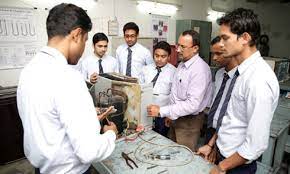
Introduction about Diploma in AC & Refrigeration Engineering
In today's ever-evolving technological landscape, the demand for skilled professionals in air conditioning (AC) and refrigeration engineering has seen a significant surge. A Diploma in AC & Refrigeration Engineering offers an in-depth understanding of these systems, their operations, maintenance, and design principles. Let's delve into this field to grasp the nuances and advantages it presents.
Understanding Diploma in AC & Refrigeration Engineering
Definition and Overview
A Diploma in AC & Refrigeration Engineering is a specialized program designed to equip individuals with comprehensive knowledge and hands-on skills related to heating, ventilation, air conditioning, and refrigeration systems. It encompasses theoretical concepts and practical applications crucial for success in this industry.
Importance in the Industry
This diploma holds immense significance in various sectors such as manufacturing, hospitality, healthcare, and residential and commercial construction. With the increasing emphasis on energy efficiency and environmental sustainability, professionals in this field are in high demand.
Curriculum Overview
Core Subjects Covered
The curriculum covers a wide array of subjects including thermodynamics, refrigeration principles, HVAC system design, troubleshooting techniques, and environmental regulations. Practical training often includes workshops, lab sessions, and on-site experiences.
Practical Training Components
Hands-on experience is a fundamental aspect of this diploma. Students get the opportunity to work with actual systems, gaining valuable insights and honing their skills under the guidance of experienced instructors.
How can I apply for admission to Diploma in AC & Refrigeration Engineering Program
Research and Choose Institutions: Begin by researching institutions that offer this program. Look for accredited and reputable schools or technical institutes that provide quality education in AC and refrigeration engineering.
Check Eligibility Criteria: Review the admission requirements set by the institution. These criteria often include educational qualifications, such as a high school diploma or equivalent, and sometimes specific prerequisites in mathematics or science.
Application Process: Once you've selected your preferred institutions, visit their official websites or contact their admissions offices to obtain the application form or apply online. Follow the instructions carefully and ensure you meet all deadlines.
Submit Required Documents: Prepare the necessary documents, which may include transcripts, recommendation letters, a statement of purpose, and any other documents specified by the institution. Make sure all documents are accurate and complete.
Entrance Exams or Interviews: Some institutions might require applicants to take entrance exams or attend interviews as part of the admission process. Prepare accordingly if these are part of the requirements.
Financial Considerations: Explore financial aid options, scholarships, or grants offered by the institution or external organizations. Understand the tuition fees, living expenses, and any other associated costs.
Submit the Application: Complete the application form and submit it along with the required documents. Double-check all details to avoid errors.
Follow-Up and Await Response: After submitting your application, keep track of any communication from the institution. They might request additional information or schedule an interview.
Decision and Acceptance: Upon receiving an acceptance letter, carefully review the terms and conditions, including deadlines for accepting the offer and paying any required fees to secure your spot in the program.
Prepare for Enrollment: Once accepted, prepare for enrollment by completing any additional requirements, such as medical examinations or housing arrangements if needed.
What is the eligibility for Diploma in AC & Refrigeration Engineering
Educational Qualifications: Applicants should have completed high school or its equivalent. A secondary school certificate or diploma is often necessary for eligibility.
Basic Skills in Mathematics and Science: Some institutions might require a foundational understanding of mathematics and science subjects. Proficiency in these areas can be beneficial for comprehending the technical aspects of the program.
Specific Prerequisites: Certain institutions may have specific prerequisites or recommended subjects that applicants should have studied during high school. These could include physics, chemistry, or mathematics courses.
Language Proficiency: For international applicants or in non-English speaking countries, demonstrating proficiency in the language of instruction (usually English) might be required. This can be through standardized language proficiency tests like IELTS or TOEFL.
Entrance Exams or Interviews: Some institutions might conduct entrance exams or interviews as part of the admission process to assess the applicant's suitability for the program.
How long does it takes to complete a Diploma in AC & Refrigeration Engineering program
The duration of a Diploma in AC & Refrigeration Engineering program typically ranges from 1 to 2 years, depending on the institution and the structure of the program.
One-Year Programs: Some institutions offer an accelerated or intensive diploma program that can be completed within a year. These programs often have a more condensed curriculum and might require full-time commitment from students.
Two-Year Programs: Other institutions may opt for a more comprehensive program spread over two years. This longer duration allows for a more in-depth exploration of the subject matter and potentially includes more practical training or internships.
The duration can also be influenced by factors such as part-time or full-time study options, any additional coursework or specializations, and the specific requirements set by the institution offering the program.
What are potential career opportunities after Diploma in AC & Refrigeration Engineering
HVAC Technician: These professionals install, maintain, and repair heating, ventilation, and air conditioning systems in residential, commercial, and industrial settings.
Refrigeration Technician: Specializing in refrigeration systems, technicians work on designing, installing, and servicing refrigeration units used in various industries like food storage, pharmaceuticals, and logistics.
Building Services Engineer: Responsible for designing and managing heating, cooling, and ventilation systems in buildings to ensure optimal energy efficiency and comfort.
Maintenance Engineer: Engaged in the regular maintenance and troubleshooting of HVAC&R systems to ensure their efficient operation and longevity.
System Designer: Involves designing and planning HVAC&R systems for new construction or renovation projects, considering energy efficiency and environmental impact.
Sales Engineer: Works in sales and marketing of HVAC&R equipment, providing technical expertise and solutions to clients.
Facilities Manager: Manages the overall maintenance and functionality of buildings' HVAC&R systems within a facility or organization.
Quality Control Inspector: Ensures that HVAC&R systems meet regulatory standards and quality requirements in manufacturing or installation processes.
Energy Auditor: Evaluates energy usage and efficiency of HVAC&R systems in buildings, recommending improvements for sustainability and cost-effectiveness.
Entrepreneurship: Graduates can establish their own HVAC&R service or contracting businesses, offering installation, maintenance, and repair services.
Syllabus of Diploma in AC & Refrigeration Engineering
Semester 1
Fundamentals of Thermodynamics
Basic principles of heat transfer, temperature, and energy.
Introduction to Refrigeration Systems
Understanding refrigerants, components, and basic system operation.
Electrical Fundamentals
Principles of electricity, circuits, and electrical components in HVAC&R.
Basic Mathematics and Physics
Application of mathematical and physical concepts in engineering.
Workshop Practice
Hands-on experience with tools, equipment, and safety protocols.
Semester 2
Refrigeration Cycle Analysis
In-depth study of the refrigeration cycle, including compression, condensation, expansion, and evaporation.
HVAC System Design
Principles and methods for designing heating, ventilation, and air conditioning systems.
Refrigeration Components and Controls
Detailed study of various components like compressors, condensers, evaporators, and control systems.
Practical Lab Sessions
Application of theoretical knowledge through hands-on experiments and simulations.
Semester 3
Advanced Refrigeration Systems
Study of advanced refrigeration methods, including cascade systems and absorption refrigeration.
Heat Load Calculation
Techniques for calculating heat loads in HVAC systems for efficient design.
Air Distribution Systems
Understanding ductwork, air distribution, and ventilation principles.
Industrial Training or Internship
Practical exposure in an industry setting to apply learned skills and gain real-world experience.
Semester 4
Troubleshooting and Maintenance
Techniques for diagnosing and resolving issues in HVAC&R systems.
Energy Efficiency in HVAC&R Systems
Strategies to optimize energy use and reduce environmental impact.
Project Work
A comprehensive project integrating all learned concepts and skills.
Professional Development
Soft skills, communication, and professional ethics relevant to the industry.
Internship opportunities after completing Diploma in AC & Refrigeration Engineering
HVAC Companies: Many HVAC service and installation companies offer internships to provide hands-on experience in system installation, maintenance, and troubleshooting.
Manufacturing Companies: Companies manufacturing HVAC&R equipment often provide internships in research and development, quality control, and production departments.
Facility Management Companies: Internships in facility management allow exposure to managing HVAC systems in large buildings, focusing on maintenance and energy efficiency.
Construction Firms: Interning with construction companies exposes individuals to HVAC system installation in various building projects.
Energy Efficiency Organizations: Internships with organizations focusing on energy efficiency and sustainability provide insights into optimizing HVAC&R systems for reduced energy consumption.
Refrigeration and Cooling Industries: Industries dealing with refrigeration, such as food processing, pharmaceuticals, and logistics, offer internships in refrigeration system maintenance and operations.
Consulting Firms: Firms specializing in HVAC&R consulting may offer internships to assist in designing systems, conducting energy audits, or providing technical expertise.
Scholarship and grants for Diploma in AC & Refrigeration Engineering
Scholarships and grants for a Diploma in AC & Refrigeration Engineering can vary depending on the institution, country, and specific eligibility criteria. However, there are several potential avenues for financial aid:
Institutional Scholarships: Many educational institutions offer scholarships or financial aid programs specifically for students pursuing technical or engineering diplomas. These scholarships might be merit-based, need-based, or cater to specific demographics.
Government Grants and Scholarships: Government bodies, both at the national and local levels, often provide financial assistance or scholarships for students pursuing vocational or technical education in fields like AC & Refrigeration Engineering.
Industry-Sponsored Scholarships: Companies operating in the HVAC&R industry may sponsor scholarships or provide financial aid to students studying in this field. These scholarships might come with commitments for future employment with the sponsoring company.
Professional Associations and Organizations: HVAC&R professional associations or industry-related organizations sometimes offer scholarships or grants to support students pursuing education in this sector. These could be based on academic achievement, community involvement, or specific criteria set by the association.
Online Scholarship Databases: Websites and databases dedicated to listing scholarships and grants for technical education can be valuable resources. Students can explore these databases to find potential funding opportunities.
Community and Nonprofit Organizations: Local community organizations or nonprofit groups occasionally offer scholarships to support students in pursuing technical education programs.
Conclusion
In conclusion, a Diploma in AC & Refrigeration Engineering offers a gateway to a dynamic and in-demand field filled with opportunities for growth and innovation. This comprehensive program equips individuals with the knowledge, skills, and practical experience vital for success in the HVAC&R industry.
FAQs
Q: What career opportunities are available after completing this diploma?
A: Graduates can explore careers as HVAC technicians, refrigeration technicians, building services engineers, or pursue roles in system design, maintenance, and more within the HVAC&R industry.
Q: What are the typical subjects covered in this program?
A: Subjects include thermodynamics, refrigeration principles, HVAC system design, electrical fundamentals, and practical workshops.
Q: How long does it take to complete the diploma?
A: The duration typically ranges from 1 to 2 years, depending on the institution and program structure.
Q: What are the eligibility criteria for admission?
A: Applicants usually need a high school diploma or its equivalent, basic skills in mathematics and science, and may have specific prerequisites set by the institution.
Q: Are there internship opportunities available during the program?
A: Yes, many institutions offer internships or industrial training to provide hands-on experience in real-world settings.
Q: Are there any scholarships or financial aid options available for this diploma?
A: Yes, institutions, governments, industry bodies, and organizations may offer scholarships or grants to support students pursuing AC & Refrigeration Engineering.
Q: How practical is the curriculum, and is hands-on experience included?
A: Practical training is often a significant part of the program, with workshops, lab sessions, and sometimes internships, ensuring students gain practical skills alongside theoretical knowledge.
Q: What are the potential industries or sectors where graduates can find employment?
A: Graduates can work in industries such as manufacturing, construction, healthcare, hospitality, and facility management, among others.
Q: Can this diploma be a stepping stone for further education or specialization?
A: Yes, graduates can pursue further education, such as bachelor's degrees or specialized certifications, to advance their careers or specialize in specific areas within HVAC&R.
Q: How crucial is this diploma in today's job market?
A: With the growing emphasis on energy efficiency and environmental sustainability, skilled professionals in AC & Refrigeration Engineering are in high demand across various industries, making this diploma highly relevant in the job market.
How Shiksha Hub helps you in
-
 Student Counsellors
 -
 Career Counseling
 -
 Research
 -
 24/7 Support
 -
 Scholarships
 -
 Community