Posted by Admin on 02-08-2023 in Shiksha hub
Diploma in Acupuncture Therapy Introduction, Admission, Registration, Eligibility, Duration, Fees, Syllabus 2024
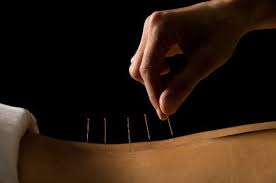
Introduction about Diploma in Acupuncture Therapy
Acupuncture, a therapeutic practice rooted in ancient Chinese medicine, has gained global recognition for its profound health benefits. As an alternative medicinal approach, it involves the insertion of thin needles into specific points on the body, aiming to alleviate pain, promote healing, and restore balance.
What is Acupuncture?
Acupuncture revolves around the belief that the body has energy pathways called meridians, and the stimulation of these points aids in the flow of Qi (pronounced "chee"), restoring harmony within the body. This traditional therapy has expanded its reach beyond pain relief, encompassing various health facets.
Benefits
Physical Benefits
The application of acupuncture has shown remarkable efficacy in pain management, addressing ailments such as chronic back pain, migraines, and arthritis. It triggers the release of endorphins, the body's natural pain-relieving hormones, fostering relief and improving bodily functions.
Mental and Emotional Benefits
Beyond physical health, acupuncture positively impacts mental and emotional well-being. It aids in stress reduction, anxiety management, and has been associated with alleviating symptoms of depression by promoting relaxation and enhancing overall mood.
Holistic Health
Acupuncture embodies a holistic approach, considering the interconnectedness of the body, mind, and spirit. By treating imbalances within the body, it facilitates not only symptom relief but also a comprehensive enhancement of one's health.
Course Overview
Curriculum
A Diploma in Acupuncture Therapy typically includes a comprehensive curriculum covering acupuncture principles, techniques, and theories. It delves into traditional Chinese medicine, anatomy, and practical application.
Practical Training
Students undergo hands-on training sessions, mastering needle techniques, learning meridian points, and practicing under supervised environments to ensure proficiency and safety.
Certification
Upon completion, individuals receive certification, allowing them to practice acupuncture within ethical and legal boundaries.
Career Opportunities
Acupuncture Practitioner
Graduates can establish their practice, offering acupuncture services to clients seeking alternative healthcare options for pain management and overall wellness.
Researcher or Educator
Opportunities extend to research or education roles, contributing to the advancement of acupuncture therapy or educating future practitioners.
Integrative Medicine
Acupuncture therapists often collaborate with conventional healthcare practitioners, contributing to integrative medicine practices.
How to Pursue
Eligibility
The eligibility criteria for a Diploma in Acupuncture Therapy may vary, often requiring a background in healthcare or biology.
Duration
The duration of the diploma program typically ranges from one to three years, including both theoretical and practical training.
Accreditation
Seeking institutes accredited by recognized regulatory bodies ensures quality education and valid certification.
Institutes
Numerous institutes worldwide offer diploma programs in acupuncture therapy, each with its unique approach and curriculum.
How can I apply for admission to Diploma in Acupuncture Therapy Program
Research Institutes: Look for institutes or colleges offering this diploma. Check their accreditation, curriculum, and reputation.
Check Eligibility: Review the eligibility criteria. Most programs require a background in healthcare or biology. Ensure you meet these prerequisites.
Prepare Documents: Gather necessary documents like transcripts, certificates, and identification papers.
Application Form: Fill out the application form provided by the chosen institute. Ensure accuracy and completeness.
Submit Documents: Submit all required documents along with the application form. This may include recommendation letters or personal statements.
Application Fee: Pay any required application fees.
Entrance Exams/Interviews: Some institutes might require entrance exams or interviews as part of the admission process. Prepare accordingly.
Follow-Up: After submission, follow up on your application status. You might need to provide additional information if requested.
Acceptance: If accepted, you'll receive an acceptance letter or email. Review any conditions or deadlines mentioned.
Confirmation and Enrollment: Confirm your acceptance and complete the enrollment process by the given deadline. This often involves paying fees and securing your spot in the program.
What is the eligibility for Diploma in Acupuncture Therapy
Educational Background: Most programs require a minimum educational background in healthcare, biology, or a related field. This might involve having a high school diploma or equivalent.
Prerequisite Courses: Some institutes may prefer candidates with specific prerequisite courses in biology, anatomy, or physiology.
Minimum Grade Requirements: Meeting minimum grade requirements in relevant subjects might be necessary for admission.
English Proficiency: For international students or in programs conducted in English, demonstrating proficiency through standardized tests like TOEFL or IELTS may be required.
Entrance Exams: Certain institutes might conduct entrance exams to evaluate knowledge or aptitude in healthcare-related subjects.
Work Experience: In some cases, relevant work experience in healthcare or a related field could be advantageous or required.
Other Requirements: Specific institutes might have additional requirements, such as personal interviews or recommendation letters.
How long does it takes to complete a Diploma in Acupuncture Therapy program
Institute's Program Length: Different institutes offer programs with varying durations. Some may have accelerated options or part-time schedules affecting the overall length of the program.
Curriculum Structure: The depth and breadth of the curriculum, practical training hours, and internship requirements can influence the program's duration.
Student's Pace: Some students may opt for part-time study, extending the program duration, while others may pursue it full-time, completing it within the standard timeframe.
Practicum Requirements: Programs often include practical training or clinical hours, and the time required to fulfill these hands-on components can impact the overall program length.
What are potential career opportunities after Diploma in Acupuncture Therapy
Acupuncture Practitioner: You can establish your practice, offering acupuncture services to individuals seeking alternative healthcare for pain management, stress relief, and overall wellness.
Researcher or Educator: Opportunities exist in research or education roles, contributing to the advancement of acupuncture therapy or educating future practitioners.
Integrative Medicine: Acupuncture therapists often collaborate with conventional healthcare practitioners, contributing to integrative medicine practices that combine traditional and modern approaches to healthcare.
Holistic Health Consultant: Utilize your knowledge in acupuncture therapy to advise individuals or organizations on holistic health approaches, combining acupuncture with other wellness practices.
Specialized Fields: Acupuncturists can specialize in areas such as sports medicine, fertility treatments, or pain management, expanding career opportunities within specific healthcare niches.
Syllabus of Diploma in Acupuncture Therapy
First Semester:
Introduction to Acupuncture: Basic principles, history, and theories of acupuncture.
Anatomy and Physiology: Understanding the human body's structure and functions relevant to acupuncture practice.
Meridian Theory: Studying the meridian system and its significance in acupuncture.
Second Semester: 4. Acupuncture Techniques: Practical training in needling techniques, point location, and application.
Traditional Chinese Medicine (TCM): Delving into TCM principles, including Yin-Yang, Five Elements, and diagnostic methods.
Pathology: Understanding diseases and their relation to acupuncture therapy.
Third Semester: 7. Clinical Practice: Hands-on experience in clinical settings, supervised practice with patients.
Herbal Medicine: Introduction to Chinese herbal medicine and its integration with acupuncture.
Ethics and Professionalism: Ethics, legalities, and professionalism in acupuncture practice.
Fourth Semester: 10. Advanced Acupuncture Techniques: Further refinement of needling skills, advanced point combinations.
Specializations: Elective courses or specializations in areas like pediatric acupuncture, pain management, or fertility treatments.
Practicum and Internship: Extended clinical practice and internship in acupuncture clinics or healthcare facilities.
Internship opportunities after completing Diploma in Acupuncture Therapy
Acupuncture Clinics: Many graduates intern or work alongside experienced acupuncturists in clinics. This hands-on experience allows them to treat patients under supervision, enhancing their clinical skills.
Hospitals and Healthcare Facilities: Some hospitals have integrative medicine departments where acupuncture services are offered. Interning in such settings exposes graduates to a broader spectrum of patients and medical conditions.
Rehabilitation Centers: Interning in rehabilitation centers or wellness facilities provides experience in treating individuals recovering from injuries, managing pain, or seeking holistic approaches to health.
Specialized Practices: Graduates might seek internships in specialized practices focusing on areas such as fertility, sports medicine, or pain management, allowing them to gain expertise in specific fields.
Research Institutes: Opportunities exist to intern in research institutes exploring acupuncture's efficacy, contributing to studies, and gaining insight into the scientific aspect of acupuncture therapy.
Scholarship and grants for Diploma in Acupuncture Therapy
Institutional Scholarships: Many colleges or institutes offering acupuncture programs provide scholarships or financial aid. Check their websites or contact the admissions office for information on available scholarships and application procedures.
Government Grants: Some governments offer grants or financial assistance for students pursuing alternative medicine or healthcare-related programs. Research governmental health departments or educational agencies for available grants.
Private Organizations: Certain foundations, nonprofits, or professional associations related to acupuncture or holistic health may offer scholarships or grants. Explore options from organizations supporting alternative medicine practitioners.
Research Grants: Students interested in contributing to acupuncture research might find grants from research institutions or organizations funding studies in alternative medicine fields.
Employer Sponsorship: For those already working in healthcare, some employers offer tuition assistance or sponsorship for further education in acupuncture therapy.
Community or Civic Groups: Local community organizations, civic groups, or religious institutions might have scholarship programs for students pursuing healthcare-related studies.
Conclusion
In essence, pursuing a Diploma in Acupuncture Therapy not only equips individuals with profound knowledge of this ancient healing practice but also opens doors to diverse career paths in holistic health and wellness.
FAQs
Is acupuncture painful?
Acupuncture is generally not painful. The needles used are extremely thin, causing minimal discomfort. Most people feel a slight sensation upon insertion or a tingling feeling, but it's typically not painful.
Are there any side effects to acupuncture therapy?
Acupuncture is considered safe when performed by trained professionals. Possible side effects are rare but can include minor bruising, soreness, or occasional light-headedness after a session.
What qualifications do I need to enroll in an acupuncture diploma program?
Eligibility criteria vary but often require a background in healthcare or biology. Some programs may have specific prerequisite courses or educational requirements.
Can acupuncture therapy be combined with other medical treatments?
Yes, acupuncture is often used as a complementary therapy alongside conventional medicine. It can complement treatments for various conditions, but it's essential to consult healthcare professionals before combining therapies.
What career prospects can one expect after completing the diploma?
Graduates can pursue careers as acupuncture practitioners, educators, researchers, or specialists in integrative medicine. The diploma opens doors to diverse opportunities in holistic healthcare.
How Shiksha Hub helps you in
-
 Student Counsellors
 -
 Career Counseling
 -
 Research
 -
 24/7 Support
 -
 Scholarships
 -
 Community