Posted by Admin on 12-07-2023 in Shiksha hub
Diploma in Agriculture and Allied Technology Introduction, Admission, Registration, Eligibility, Duration, Fees, Syllabus 2024
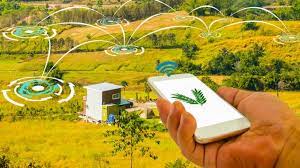
Introduction about Diploma in Agriculture and Allied Technology
The Diploma in Agriculture and Allied Technology is a comprehensive program designed to equip students with the necessary skills and knowledge in the field of agriculture and its allied sectors. This diploma program typically spans a duration of one to two years, depending on the educational institution and the specific curriculum offered.
The primary objective of this diploma is to provide students with a solid foundation in agricultural sciences, technology, and related disciplines. It covers a wide range of subjects, including agronomy, soil science, plant pathology, horticulture, animal husbandry, agricultural engineering, and agribusiness management. The curriculum is structured to impart both theoretical understanding and practical expertise in these areas.
Students enrolled in this program learn about modern agricultural practices, sustainable farming methods, and the use of technology in optimizing agricultural processes. They gain insights into crop cultivation, livestock management, pest control, and soil conservation. Additionally, the curriculum often includes modules on agricultural economics, marketing, and entrepreneurship to prepare students for various roles in the agribusiness sector.
Practical training and hands-on experience are integral components of the program, allowing students to apply theoretical knowledge in real-world agricultural settings. This practical exposure may involve farm visits, internships, and fieldwork to ensure that students develop the skills needed to address the challenges faced by the agriculture industry.
Upon successful completion of the Diploma in Agriculture and Allied Technology, graduates can pursue diverse career paths. They may find employment in agricultural research, extension services, farm management, agribusiness companies, or government agricultural departments. Alternatively, some graduates may choose to further their education by pursuing higher degrees in agriculture or related fields.
Diploma in Agriculture and Allied Technology is a valuable educational pathway for individuals aspiring to make a positive impact in the agriculture sector. It equips students with the essential knowledge and practical skills necessary to contribute to the development of sustainable and efficient agricultural practices.
How can I apply for admission to Diploma in Agriculture and Allied Technology
To apply for admission to a Diploma in Agriculture and Allied Technology program, you typically need to follow a specific application process outlined by the respective educational institution. Here are general steps that you can follow:
Research Programs and Institutions: Start by researching institutions that offer a Diploma in Agriculture and Allied Technology. Look for accredited and reputable colleges or agricultural universities that provide the specific program you are interested in.
Check Admission Requirements: Review the admission requirements for the diploma program. These requirements may include educational qualifications, such as a high school diploma or its equivalent. Make sure you meet the minimum eligibility criteria.
Collect Necessary Documents: Gather all required documents, which may include:
High school transcripts or certificates
Proof of identity (such as a passport or national ID)
Completed application form
Letters of recommendation (if required)
Statement of purpose or personal statement
Entrance Exams (if applicable): Some institutions may require you to take entrance exams as part of the admission process. Check if the program you are applying for has any specific entrance exam requirements and prepare accordingly.
Application Form Submission: Complete the application form provided by the institution. This may be available online on the institution's official website or in person at the admissions office. Follow the instructions carefully and provide accurate information.
Application Fee: Pay any required application fees. Some institutions charge a non-refundable fee to process your application. Ensure that you submit the fee within the specified deadline.
Submission of Application: Submit your completed application form along with all necessary documents to the admissions office before the deadline. Some institutions may allow online submission, while others may require physical submission of documents.
Admission Test/Interview (if applicable): Be prepared for any admission tests or interviews that may be part of the selection process. Some institutions conduct interviews to assess your suitability for the program.
Check Application Status: After submitting your application, monitor the application status. Some institutions provide online portals where you can track the progress of your application.
Acceptance and Enrollment: If you receive an acceptance letter, follow the instructions provided to secure your spot in the program. This may involve paying an enrollment fee and completing any additional paperwork.
What is the eligibility for Diploma in Agriculture and Allied Technology
The eligibility criteria for a Diploma in Agriculture and Allied Technology may vary depending on the educational institution offering the program. However, here are general eligibility requirements commonly associated with such diploma programs:
Educational Qualifications:
Applicants are typically required to have completed their secondary education or high school, obtaining a recognized certificate or equivalent qualification.
Minimum Marks:
Some institutions may specify a minimum percentage or grade that applicants must have achieved in their high school examinations. This requirement can vary, so it's essential to check the specific criteria set by the institution.
Science Background:
Since agriculture and allied technology involve scientific principles, many institutions prefer applicants with a background in science subjects such as biology, chemistry, physics, or agriculture.
Age Limit:
There may be age restrictions for admission to the diploma program. Some institutions may have a minimum and/or maximum age limit for applicants.
Entrance Exams (if applicable):
Certain institutions may conduct entrance exams to assess the academic aptitude and subject-specific knowledge of applicants. If applicable, performance in these exams may be a factor in the selection process.
English Language Proficiency (if applicable):
For international students or in regions where English is not the primary language of instruction, institutions may require proof of English language proficiency through standardized tests such as TOEFL or IELTS.
Specific Course Prerequisites:
Depending on the diploma program's specialization, there may be specific prerequisites related to subjects studied at the high school level. For example, a focus on agriculture may require a background in biology or agricultural science.
Personal Statement or Interview (if applicable):
Some institutions may request a personal statement or conduct interviews to assess the applicant's motivation, interest in the field, and suitability for the program.
It's crucial for prospective students to carefully review the specific eligibility criteria outlined by the institution offering the Diploma in Agriculture and Allied Technology. This information is usually available on the institution's official website or in the admission brochure. If there are any uncertainties or if you need clarification on eligibility requirements, contacting the admissions office of the respective institution is advisable.
How long does it takes to complete a Diploma in Agriculture and Allied Technology
The duration of a Diploma in Agriculture and Allied Technology typically ranges from one to two years, depending on the specific program and the educational institution offering it. The exact duration can vary based on factors such as the curriculum structure, credit requirements, and whether the program follows a semester or annual system.
In many cases, diploma programs in agriculture are designed to provide a balance of theoretical knowledge and practical skills. The curriculum may cover various aspects of agriculture, including agronomy, soil science, horticulture, livestock management, agricultural engineering, and agribusiness.
Here's a general breakdown of the time frame:
One-Year Programs:
Some institutions offer accelerated diploma programs that can be completed in one academic year. These programs are often intensive and may not include long breaks between semesters.
Two-Year Programs:
The more common duration for Diploma in Agriculture and Allied Technology programs is two years. This allows for a more comprehensive exploration of the subject matter and may include additional practical training, internships, or fieldwork.
It's essential for prospective students to check the specific details provided by the institution offering the program. The program duration, along with the overall structure, credit requirements, and any additional components like internships or practical training, should be outlined in the program's official documentation or on the institution's website.
Before enrolling, it's advisable to consider the time commitment required for the program and ensure that it aligns with your academic and career goals. Additionally, factors such as the availability of resources, faculty expertise, and facilities for practical training can contribute to the overall quality of the educational experience.
What are potential career opportunities after Diploma in Agriculture and Allied Technology
Graduates with a Diploma in Agriculture and Allied Technology can explore a variety of career opportunities in the agricultural sector and related industries. The diploma equips individuals with practical skills and knowledge that are valuable in addressing the diverse challenges within agriculture. Here are potential career paths:
Farm Management:
Graduates can work as farm managers, overseeing day-to-day operations, crop planning, and livestock management. They may be involved in decision-making processes to optimize agricultural production.
Agricultural Extension Officer:
Extension officers work to transfer agricultural knowledge and technologies to farmers. They provide advice on best practices, new technologies, and help farmers improve their productivity and sustainability.
Agribusiness Management:
Opportunities exist in agribusiness, where individuals can work in areas such as marketing, sales, supply chain management, and agro-processing. This includes roles in companies involved in the production, processing, and distribution of agricultural products.
Agricultural Research Technician:
Graduates can work in research institutions or agricultural laboratories, assisting scientists in conducting experiments, collecting data, and implementing research projects.
Crop Consultant:
Crop consultants provide expert advice to farmers on crop selection, pest and disease management, soil health, and other factors that impact crop production. They may work independently or be employed by agricultural consulting firms.
Livestock Management:
Careers in livestock management involve overseeing the health, breeding, and general care of animals. This can include roles in dairy farming, poultry farming, and livestock ranching.
Seed Technology Specialist:
Working in the field of seed technology involves research and development of new crop varieties, ensuring seed quality, and promoting the use of improved seeds for better agricultural productivity.
Agricultural Machinery Technician:
Technicians specializing in agricultural machinery repair and maintenance can find opportunities in the repair and servicing of farm equipment, ensuring that machinery operates efficiently.
Environmental Consultant:
Graduates may work as environmental consultants, focusing on sustainable agricultural practices and advising on conservation methods to minimize the environmental impact of farming.
Entrepreneurship:
Diploma holders can start their own agricultural ventures, such as establishing farms, nurseries, or agribusiness enterprises. Entrepreneurship opportunities exist in areas like organic farming, agri-tourism, and value-added agricultural products.
Government Agricultural Officer:
Some graduates may choose to work for government agricultural departments, where they can be involved in policy implementation, agricultural development projects, and regulatory activities.
Syllabus of Diploma in Agriculture and Allied Technology
Semester 1:
Introduction to Agriculture:
Overview of the agriculture sector, historical perspectives, and its role in the economy.
Fundamentals of Crop Science:
Basic principles of crop production, including crop anatomy, physiology, and growth stages.
Soil Science:
Study of soil properties, types, fertility, and nutrient management.
Basic Horticulture:
Introduction to horticultural practices, including fruit and vegetable cultivation.
Agricultural Microbiology:
Understanding microorganisms in agriculture, their role in soil health, and plant-microbe interactions.
Basic Animal Husbandry:
Introduction to animal farming, livestock management, and basic veterinary care.
Semester 2:
Agronomy:
In-depth study of field crop production, including crop planning, cultivation, and harvesting.
Plant Pathology:
Identification and management of plant diseases, including the study of pathogens.
Agricultural Economics:
Basic principles of agricultural economics, farm management, and marketing.
Agricultural Engineering:
Introduction to agricultural machinery, irrigation systems, and farm infrastructure.
Livestock Management:
Advanced topics in animal husbandry, including breeding, nutrition, and health.
Environmental Science:
Understanding environmental issues related to agriculture, conservation practices, and sustainable farming.
Semester 3:
Agribusiness Management:
Principles of agribusiness, marketing strategies, and entrepreneurship in agriculture.
Crop Protection:
Integrated pest management, pesticide application, and insect control.
Horticultural Crop Management:
Advanced practices in the cultivation and management of horticultural crops.
Soil Conservation and Water Management:
Techniques to prevent soil erosion, conserve water, and promote sustainable land use.
Agricultural Extension Education:
Strategies for transferring agricultural knowledge to farmers and communities.
Organic Farming:
Principles and practices of organic farming, emphasizing sustainability and environmental conservation.
Semester 4:
Research Methodology:
Introduction to research methods in agriculture, including data collection and analysis.
Agricultural Policies and Laws:
Understanding government policies, regulations, and legal aspects of agriculture.
Project Work/Internship:
Practical application of knowledge through a project or internship in a relevant field.
Seminar/Workshop:
Participation in seminars or workshops on contemporary issues in agriculture.
Internship opportunities after completing Diploma in Agriculture and Allied Technology
After completing a Diploma in Agriculture and Allied Technology, graduates have various internship opportunities to gain practical experience and further enhance their skills. Internships are valuable for applying theoretical knowledge in real-world settings, building professional networks, and exploring potential career paths. Here are some internship opportunities that diploma holders in agriculture and allied technology may consider:
Farm Internships:
Interning on farms allows individuals to gain hands-on experience in crop cultivation, livestock management, and general farm operations. This is an excellent opportunity to apply knowledge gained during the diploma program in a practical setting.
Agricultural Research Internships:
Research institutions and agricultural laboratories often offer internships where individuals can assist in ongoing research projects. This provides exposure to research methodologies, data collection, and analysis.
Agribusiness Internships:
Interning with agribusiness companies, including those involved in seed production, fertilizer manufacturing, and agricultural equipment, provides insights into the business side of agriculture.
Government Agricultural Departments:
Many government agricultural departments offer internships for recent graduates. Interns may work on projects related to agricultural development, extension services, or policy implementation.
Agricultural Extension Internships:
Working with agricultural extension services allows individuals to engage with local farmers, provide advice on best practices, and participate in community development projects.
Horticulture Internships:
Internships in horticulture settings, such as nurseries, landscaping companies, or botanical gardens, offer practical experience in cultivating and managing ornamental plants.
Livestock Farm Internships:
Individuals interested in animal husbandry can intern on livestock farms, gaining experience in breeding, nutrition, health management, and overall livestock care.
Environmental Conservation Internships:
Internships with organizations focused on environmental conservation in agriculture provide opportunities to work on sustainable farming practices, soil conservation, and biodiversity projects.
Agri-Tech Startups:
With the increasing integration of technology in agriculture, internships with agri-tech startups offer exposure to innovations such as precision farming, agricultural drones, and data analytics in agriculture.
Organic Farming Internships:
Individuals interested in organic farming practices can seek internships on organic farms to learn about sustainable and environmentally friendly cultivation methods.
Agro-tourism Internships:
Some farms and rural settings engage in agro-tourism, and interns can be involved in activities such as organizing farm tours, educational programs, and events.
When searching for internship opportunities, it's beneficial to explore various sectors within agriculture to find a placement that aligns with personal interests and career goals. Networking with professionals in the field, attending career fairs, and leveraging resources provided by the educational institution can be helpful in identifying and securing internship opportunities.
Scholarships and grants for Diploma in Agriculture and Allied Technology
Scholarships and grants for a Diploma in Agriculture and Allied Technology are available through various sources, including government programs, private organizations, educational institutions, and foundations. Here are some potential avenues to explore when seeking financial assistance for your diploma program:
Government Scholarships:
Many governments offer scholarships to support students pursuing agricultural education. Check with your country's agricultural or education department for information on available programs.
Educational Institutions:
Colleges or universities that offer the Diploma in Agriculture and Allied Technology may have their own scholarship programs. Inquire with the admissions or financial aid office about scholarship opportunities for agriculture students.
Agricultural Organizations and Associations:
Agricultural associations and organizations may provide scholarships to students entering the field. Examples include the National FFA Organization in the United States or similar organizations in other countries.
Private Foundations and Trusts:
Explore scholarships offered by private foundations and trusts that support education in agriculture. Some foundations focus specifically on agricultural studies and may offer financial aid to eligible students.
Corporate Sponsorships:
Agricultural companies and agribusinesses may offer scholarships or sponsorships to students pursuing agricultural education. Check with companies in the agricultural sector for potential opportunities.
International Scholarships:
If you are an international student, consider exploring scholarship programs offered by international organizations, governments, or educational institutions that support students studying agriculture.
Nonprofit Organizations:
Nonprofit organizations with a focus on agriculture or rural development may provide scholarships to students dedicated to contributing to the agricultural sector.
Community Foundations:
Local community foundations may have scholarship programs for students pursuing agricultural studies. Check with foundations in your region for available opportunities.
Online Scholarship Databases:
Utilize online scholarship databases and search engines that allow you to filter scholarships based on your field of study. Websites like Scholarship.com, Fastweb, or College Board's Scholarship Search can be helpful.
Professional Associations:
Professional associations related to agriculture may offer scholarships to students aspiring to join the industry. Look into associations specific to your region or field of interest.
When applying for scholarships, be sure to carefully review the eligibility criteria, application deadlines, and required documentation. Some scholarships may be merit-based, while others may consider financial need, community involvement, or other factors. Prepare a strong application, including letters of recommendation, a well-written personal statement, and any necessary supporting documents.
Conclusion:
In conclusion, pursuing a Diploma in Agriculture and Allied Technology opens up a diverse range of opportunities for individuals interested in contributing to the agricultural sector. This program provides a solid foundation in agricultural sciences, technology, and related disciplines, equipping graduates with the knowledge and practical skills needed for a successful career. From farm management to agricultural research, agribusiness, and environmental conservation, the diploma program prepares individuals to address the evolving challenges and opportunities within the agricultural industry. Scholarships and internships further enhance the educational experience, offering financial support and practical exposure to real-world agricultural practices.
FAQs
Q: What is the duration of a Diploma in Agriculture and Allied Technology program?
A: The duration typically ranges from one to two years, depending on the institution and program structure.
Q: What are the potential career paths after completing the diploma?
A: Graduates can pursue careers in farm management, agricultural research, agribusiness, extension services, and more. The diploma opens doors to various roles in the agricultural sector.
Q: Are there scholarships available for students pursuing this diploma?
A: Yes, scholarships for a Diploma in Agriculture and Allied Technology are available from government programs, educational institutions, private foundations, and agricultural organizations.
Q: Can I specialize in a specific area within agriculture during the diploma program?
A: Some diploma programs offer specializations or elective courses that allow students to focus on specific areas such as agronomy, horticulture, livestock management, or agribusiness.
Q: Are internships part of the diploma program, and what opportunities are available?
A: Many diploma programs include internships or practical training components. Opportunities include farm internships, agricultural research internships, and positions in agribusiness or government agricultural departments.
Q: How can I apply for admission to a Diploma in Agriculture and Allied Technology program?
A: The application process typically involves submitting an application form, educational transcripts, and any required documents. Check the specific admission requirements of the institution offering the program.
Q: What topics are covered in the syllabus of a Diploma in Agriculture and Allied Technology?
A: The syllabus includes subjects such as agronomy, soil science, horticulture, agricultural economics, livestock management, and environmental science. The specific curriculum may vary between institutions.
Q: What are the potential benefits of earning a Diploma in Agriculture and Allied Technology?
A: The diploma provides a practical and theoretical foundation for a career in agriculture, offering opportunities for personal and professional growth, contributing to sustainable farming practices, and addressing global food security challenges.
How Shiksha Hub helps you in
-
 Student Counsellors
 -
 Career Counseling
 -
 Research
 -
 24/7 Support
 -
 Scholarships
 -
 Community