Posted by Admin on 12-07-2023 in Shiksha hub
Diploma in Agriculture Seed Technology Introduction, Admission, Registration, Eligibility, Duration, Fees, Syllabus 2024
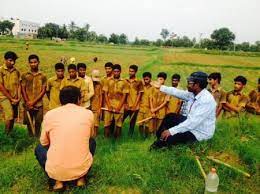
Introduction about Diploma in Agriculture Seed Technology
The Diploma in Agriculture Seed Technology is a specialized program designed to equip students with the knowledge and skills necessary for a career in the field of seed technology within the agricultural sector. This diploma focuses on the various aspects of seed production, processing, and technology, aiming to train individuals who can contribute to the improvement of crop yields and overall agricultural productivity.
The curriculum of the program typically covers a wide range of subjects, including plant biology, genetics, agronomy, plant breeding, and seed technology. Students learn about the science behind seed development, as well as the techniques and technologies involved in producing high-quality seeds. Emphasis is placed on understanding the factors that influence seed quality, such as genetic traits, environmental conditions, and seed processing methods.
Practical training is often a crucial component of the Diploma in Agriculture Seed Technology, allowing students to gain hands-on experience in seed production, processing, and quality control. Fieldwork and laboratory exercises are common elements of the program, enabling students to apply theoretical knowledge in real-world agricultural settings.
Graduates of this diploma program are well-prepared for careers in the seed industry, research institutions, agricultural extension services, and government agencies involved in agriculture. They may work in roles such as seed technologists, seed analysts, plant breeders, or agricultural consultants, contributing to the development and implementation of sustainable and efficient seed production practices.
the Diploma in Agriculture Seed Technology plays a vital role in developing professionals who understand the complexities of seed science and technology, ultimately contributing to the advancement of agriculture and global food security.
How can I apply for admission to Diploma in Agriculture Seed Technology
To apply for admission to a Diploma in Agriculture Seed Technology program, you typically need to follow a set of steps outlined by the educational institution offering the program. Here is a general guide on how you can apply:
Research Programs and Institutions:
Begin by researching educational institutions that offer a Diploma in Agriculture Seed Technology. Look for reputable institutions with a curriculum that aligns with your career goals.
Check Admission Requirements:
Review the admission requirements for the specific program and institution. These may include academic qualifications, such as a high school diploma or its equivalent. Some programs may also have specific subject requirements or minimum grade criteria.
Prepare Necessary Documents:
Gather all the required documents for the application process. This may include:
Completed application form
High school transcripts or certificates
Letters of recommendation (if required)
Personal statement or statement of purpose
Proof of English language proficiency (if applicable)
Any other documents specified by the institution
Entrance Exams (if required):
Some institutions may require you to take entrance exams as part of the admission process. Make sure to prepare for and take any required exams, and submit the scores along with your application.
Application Submission:
Submit your completed application along with all the required documents before the specified deadline. Most institutions provide an online application portal where you can upload your documents and track the status of your application.
Pay Application Fees:
Pay any application fees that may be required. The fees can vary, so check the institution's website or contact their admissions office for details.
Wait for Admission Decision:
After submitting your application, you will need to wait for the admission committee to review your materials. This process may take some time, and you should be notified of the admission decision within a specified period.
Acceptance and Enrollment:
If you receive an offer of admission, carefully review the acceptance letter and any accompanying materials. Follow the instructions for accepting the offer and enrolling in the program.
Financial Aid and Scholarships:
Explore options for financial aid or scholarships that may be available to you. Some institutions offer assistance to qualified students, and it's important to understand the application process for these opportunities.
Orientation and Registration:
Attend any orientation sessions offered by the institution. Complete the registration process, which may include selecting courses for your first semester.
What is the eligibility for Diploma in Agriculture Seed Technology
The eligibility criteria for a Diploma in Agriculture Seed Technology can vary between institutions, so it's important to check the specific requirements of the program you are interested in. However, here are general eligibility criteria that are commonly associated with such diploma programs:
Educational Qualifications:
Applicants are typically required to have completed their high school education or an equivalent qualification. This may include a high school diploma or a recognized certificate.
Subject Requirements:
Some programs may have specific subject requirements at the high school level. Commonly, a background in biology, agriculture, or related sciences may be preferred.
Minimum Grade Criteria:
Institutions may set minimum grade criteria for eligibility. This could involve achieving a certain grade point average (GPA) in relevant subjects during high school.
Entrance Exams (if applicable):
In some cases, institutions may require applicants to take entrance exams as part of the admission process. These exams may assess proficiency in subjects like biology or agriculture.
English Language Proficiency (if applicable):
For international students or in regions where English is not the primary language, institutions may require proof of English language proficiency through tests such as the TOEFL or IELTS.
Work Experience (if applicable):
Some institutions may consider relevant work experience in agriculture or a related field as a factor in eligibility. This is more common in programs designed for individuals who have been working in the industry.
Age Criteria:
While many diploma programs do not have strict age criteria, some institutions may have age limitations or preferences, especially for certain government-sponsored programs.
How long does it takes to complete a Diploma in Agriculture Seed Technology
The duration of a Diploma in Agriculture Seed Technology varies depending on the institution and the specific program. Generally, these diploma programs are designed to be completed in 1 to 2 years of full-time study. The duration may also be influenced by factors such as the curriculum structure, credit hours, and any practical training or internships required as part of the program.
Here are the common timeframes for completing a Diploma in Agriculture Seed Technology:
One-Year Programs:
Some institutions offer accelerated diploma programs that can be completed in one year. These programs often have a more concentrated curriculum and may be suitable for individuals who are seeking a quicker entry into the workforce.
Two-Year Programs:
Many Diploma in Agriculture Seed Technology programs have a standard duration of two years. This allows for a more comprehensive exploration of the subject matter, including theoretical learning, practical training, and possibly internships or fieldwork.
The specific structure of the program, as well as any additional requirements, can influence the overall duration. Additionally, part-time or online options may be available, which could extend the time required to complete the diploma.
Prospective students should review the program details provided by the institution offering the Diploma in Agriculture Seed Technology to understand the specific duration, curriculum, and any other relevant information. This information is typically available on the institution's official website or can be obtained by contacting the admissions office.
What are potential career opportunities after Diploma in Agriculture Seed Technology
Graduates with a Diploma in Agriculture Seed Technology can pursue various career opportunities in the agricultural sector. Here are some potential career paths:
Seed Technologist:
Work in seed production and processing, ensuring the quality and viability of seeds. This role involves applying knowledge of seed technology to optimize seed production methods.
Seed Analyst:
Conduct quality control assessments on seeds, analyzing factors such as germination rates, purity, and disease resistance. Seed analysts play a crucial role in ensuring that seeds meet industry standards.
Plant Breeder Assistant:
Assist plant breeders in developing new crop varieties with desirable traits, such as increased yield, pest resistance, or improved nutritional content.
Agricultural Extension Officer:
Work with farmers to promote the adoption of improved seed varieties and best practices in seed technology. Provide guidance on crop management and sustainable farming techniques.
Field Crop Specialist:
Specialize in the cultivation and management of specific crops, focusing on seed-related aspects such as planting, harvesting, and ensuring optimal conditions for crop growth.
Research Assistant in Seed Science:
Contribute to research projects focused on seed technology, genetics, and crop improvement. Assist in conducting experiments, collecting data, and analyzing results.
Seed Production Manager:
Oversee the entire seed production process, from planting to harvesting. Manage the cultivation and processing of seeds to meet quality standards and production goals.
Agricultural Consultant:
Provide expert advice to farmers, seed companies, or government agencies on matters related to seed technology, crop management, and agricultural sustainability.
Sales Representative for Seed Companies:
Work for seed companies, promoting and selling improved seed varieties to farmers. Provide information on the benefits of using specific seed products.
Quality Control Officer in Agricultural Labs:
Ensure adherence to quality standards by conducting tests on seeds and agricultural products in laboratory settings. Monitor and maintain quality control procedures.
Entrepreneur in Seed Business:
Start your own seed production or distribution business, focusing on specific crops or varieties. This may involve establishing relationships with farmers and managing the entire seed supply chain.
Syllabus of Diploma in Agriculture Seed Technology
Semester 1:
Introduction to Agriculture:
Basic concepts and principles of agriculture.
Principles of Seed Science:
Fundamentals of seed biology, physiology, and seed development.
Crop Production Techniques:
Techniques for cultivating and managing crops.
Soil Science:
Understanding soil properties and their impact on crop growth.
Fundamentals of Plant Biology:
Basics of plant structure, function, and reproduction.
Semester 2:
Agronomy:
In-depth study of crop production and soil management.
Seed Quality and Testing:
Principles and methods of seed quality assessment.
Crop Genetics:
Introduction to genetic principles in crops and their application in breeding.
Seed Production Technology:
Techniques and practices for commercial seed production.
Plant Pathology:
Identification and management of plant diseases affecting seeds.
Semester 3:
Plant Breeding:
Advanced study of plant breeding techniques for developing improved varieties.
Agricultural Biotechnology:
Application of biotechnology in agriculture and seed improvement.
Seed Certification:
Procedures and regulations for certifying seed quality.
Pest Management in Agriculture:
Identification and control of pests affecting crops and seeds.
Research Methodology:
Introduction to research methods and experimental design.
Semester 4:
Internship/Practical Training:
Hands-on experience in seed production or related areas.
Project Work:
Independent research project on a specific aspect of seed technology.
Seed Industry Management:
Overview of the seed industry, including marketing and business aspects.
Environmental Science:
Understanding the environmental impact of agriculture and seed production.
Internship opportunities after completing Diploma in Agriculture Seed Technology
After completing a Diploma in Agriculture Seed Technology, there are various internship opportunities available that can provide practical experience and enhance your skills in the field. Here are some potential internship opportunities:
Seed Companies:
Many seed companies offer internship programs where you can gain hands-on experience in seed production, processing, quality control, and research. Internships with these companies provide insight into the operations of the seed industry.
Agricultural Research Institutions:
Research institutions focused on agriculture and plant sciences often offer internships for individuals interested in seed technology. You may have the opportunity to work on research projects related to plant breeding, genetics, or seed development.
Government Agricultural Departments:
Government agricultural departments at the local, regional, or national levels may have internship programs. Interns could be involved in initiatives related to promoting improved seed varieties, implementing agricultural policies, or conducting field studies.
Seed Testing Labs:
Interning in seed testing laboratories allows you to gain practical experience in conducting quality assessments on seeds. This includes germination testing, purity analysis, and disease screening.
Agribusinesses:
Companies involved in various aspects of agriculture, such as agribusinesses and agricultural consulting firms, may offer internships in roles related to seed technology, crop management, and agricultural extension services.
Farm Management:
Internships on farms or agricultural estates provide hands-on experience in seed cultivation, crop management, and overall farm operations. This experience can be valuable for those interested in practical aspects of agriculture.
Environmental and Agricultural NGOs:
Non-governmental organizations (NGOs) focused on agriculture, sustainable farming, and environmental conservation may offer internships where you can contribute to projects related to seed technology and agricultural development.
Seed Certification Agencies:
Interning with seed certification agencies provides exposure to the processes involved in certifying seeds for quality and adherence to industry standards.
Extension Services:
Agricultural extension services, both governmental and non-governmental, may offer internships to assist with outreach programs, training farmers in seed technology practices, and promoting the adoption of improved seed varieties.
Biotechnology Companies:
Companies involved in agricultural biotechnology may have internship opportunities for individuals interested in the application of biotechnology in seed improvement and crop development.
When seeking internship opportunities, it's advisable to explore options that align with your specific interests and career goals. Additionally, networking with professionals in the agricultural sector, participating in career fairs, and staying updated on internship announcements from relevant organizations can enhance your chances of securing valuable internship experiences.
Scholarships and grants for Diploma in Agriculture Seed Technology
Scholarships and grants for a Diploma in Agriculture Seed Technology may be available from various sources, including government bodies, private organizations, universities, and agricultural institutions. While the availability of specific scholarships can vary, here are some general avenues to explore:
Government Scholarships:
Check with government agricultural departments or ministries, as they may offer scholarships or financial assistance programs for students pursuing studies in agriculture, including seed technology.
University Scholarships:
Universities or educational institutions that offer the Diploma in Agriculture Seed Technology may have their own scholarship programs. These could be merit-based, need-based, or specific to students pursuing studies in agriculture.
Agricultural Organizations and Foundations:
Explore scholarships offered by agricultural organizations, foundations, and industry associations. Many of these organizations are dedicated to supporting students in agriculture-related fields.
Seed Companies and Industry Associations:
Some seed companies and industry associations provide scholarships to students studying seed technology. These scholarships may be linked to academic performance, leadership qualities, or a commitment to the seed industry.
Research Grants:
Look for research grants offered by agricultural research institutions. These grants may support students engaged in research projects related to seed technology.
Non-Governmental Organizations (NGOs):
Agricultural and environmental NGOs may offer scholarships or grants for students interested in sustainable agriculture, seed technology, and related fields.
International Organizations:
Explore scholarship opportunities provided by international organizations that focus on agriculture and rural development. Some organizations may offer support to students from specific regions or countries.
Corporate Scholarships:
Some corporations, particularly those involved in agriculture, may offer scholarships to students pursuing studies in agricultural sciences, including seed technology.
Community Foundations:
Check with local community foundations that support education. They may have scholarship programs for students pursuing agricultural studies.
Online Scholarship Databases:
Utilize online scholarship databases and platforms that aggregate scholarship opportunities. Websites like Scholarship.com, Fastweb, and others allow you to search for scholarships based on your field of study.
When applying for scholarships, be sure to carefully review the eligibility criteria, application requirements, and deadlines. Additionally, consider reaching out to the financial aid or scholarship offices at the institution where you plan to pursue your Diploma in Agriculture Seed Technology for information on available opportunities. Remember to apply to multiple scholarships to increase your chances of securing financial support for your education.
Conclusion:
In conclusion, pursuing a Diploma in Agriculture Seed Technology offers a comprehensive pathway for individuals interested in playing a vital role in the agricultural sector. This program equips students with the knowledge and practical skills necessary for careers in seed production, processing, and technology. Graduates contribute to the improvement of crop yields, seed quality, and overall agricultural productivity. The diverse range of potential career opportunities in seed technology, coupled with hands-on experience and specialized knowledge, positions individuals for impactful roles in the agricultural industry.
FAQs
Q: What is the duration of the Diploma in Agriculture Seed Technology program?
A: The duration of the program varies, but it typically ranges from 1 to 2 years, depending on the institution and specific curriculum.
Q: What are the eligibility criteria for enrolling in a Diploma in Agriculture Seed Technology program?
A: Eligibility criteria often include a high school diploma or its equivalent, with specific subject requirements. Some programs may also have minimum grade criteria.
Q: What career opportunities are available after completing the Diploma in Agriculture Seed Technology?
A: Graduates can pursue careers as seed technologists, seed analysts, plant breeders, agricultural consultants, and more. Opportunities exist in seed companies, research institutions, government agencies, and agricultural extension services.
Q: Are there internship opportunities after completing the diploma?
A: Yes, graduates can find internship opportunities with seed companies, agricultural research institutions, government agricultural departments, and other organizations involved in seed production and technology.
Q: Are there scholarships available for students pursuing a Diploma in Agriculture Seed Technology?
A: Yes, scholarships and grants may be available from government bodies, universities, agricultural organizations, seed companies, and other sources. It's advisable to explore various avenues for financial support.
Q: Can I pursue further education after completing the Diploma in Agriculture Seed Technology?
A: Yes, graduates can choose to pursue higher education, such as bachelor's or master's degrees in related fields like agriculture, agronomy, or plant sciences, to further specialize in their area of interest.
Q: What skills are developed during the program?
A: The program typically develops skills in seed production, processing, quality control, plant breeding, and agricultural technology. Students also gain practical skills through fieldwork, internships, and laboratory exercises.
Q: How can I apply for admission to a Diploma in Agriculture Seed Technology program?
A: The application process involves researching programs and institutions, checking eligibility criteria, preparing necessary documents, submitting an application, and, if required, taking entrance exams. Specific details can be obtained from the institution's admissions office.
How Shiksha Hub helps you in
-
 Student Counsellors
 -
 Career Counseling
 -
 Research
 -
 24/7 Support
 -
 Scholarships
 -
 Community