Posted by Admin on 12-07-2023 in Shiksha hub
Diploma in Agro Products Processing Introduction, Admission, Registration, Eligibility, Duration, Fees, Syllabus 2024
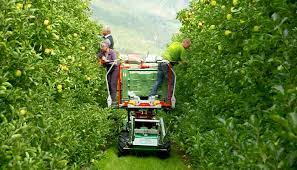
Introduction about Diploma in Agro Products Processing
The Diploma in Agro Products Processing is a specialized educational program designed to equip individuals with the knowledge and skills necessary for the processing and preservation of agricultural products. This comprehensive diploma focuses on the various aspects of agro-products, covering everything from harvesting and post-harvest handling to processing and packaging.
The program typically includes a combination of theoretical coursework and practical hands-on training to provide students with a well-rounded understanding of the agro-processing industry. Students enrolled in this diploma learn about the principles of food science, technology, and engineering, with a specific emphasis on agricultural products.
Key components of the curriculum often include topics such as food safety and quality control, preservation techniques, processing methods, and the utilization of modern technologies in agro-products processing. Students may also gain insights into the economic and environmental aspects of agro-processing, as well as regulations and standards governing the industry.
The diploma aims to prepare individuals for careers in various sectors, including food processing industries, research and development, quality assurance, and entrepreneurship in agribusiness. Graduates are expected to contribute to the enhancement of food security, reduction of post-harvest losses, and the overall sustainability of the agricultural value chain.
By the end of the program, students are anticipated to have acquired the necessary expertise to address challenges in agro-products processing, implement innovative solutions, and contribute to the development of a more efficient and sustainable agricultural sector. This diploma serves as a gateway for individuals seeking to make a positive impact on the agro-processing industry and the broader agricultural landscape.
How can I apply for admission to Diploma in Agro Products Processing
To apply for admission to a Diploma in Agro Products Processing program, follow these general steps:
Research Institutions: Identify educational institutions that offer a Diploma in Agro Products Processing. Look for reputable universities, colleges, or technical institutes that have a strong focus on agricultural studies and food processing.
Review Admission Requirements: Check the admission requirements of the chosen institution. Requirements may include academic qualifications, such as high school certificates or equivalent, and sometimes specific subjects or grades related to science or agriculture.
Prepare Necessary Documents: Gather all the required documents, which may include:
High school transcripts or certificates
Letters of recommendation
A completed application form
A personal statement or letter of intent
Proof of identity (such as a copy of your passport or national ID)
Meet Eligibility Criteria: Ensure that you meet the eligibility criteria specified by the institution. Some programs may have additional requirements, such as relevant work experience or a background in science.
Submit Application Online or by Mail: Complete the application form, either through the institution's online application portal or by submitting a hard copy via mail. Follow the instructions provided by the institution for a smooth application process.
Pay Application Fees: Some institutions may require an application fee. Ensure that you pay the fee by the specified deadline. Check the institution's website or contact the admissions office for information on payment methods.
Wait for Admission Decision: After submitting your application, wait for the institution to review it. Admission decisions are typically communicated through email or regular mail. This process may take several weeks, so be patient.
Acceptance and Enrollment: If you receive an offer of admission, carefully review the acceptance letter for any instructions or additional steps. Follow the instructions to secure your place in the program, which may involve paying an enrollment deposit.
Apply for Financial Aid (if needed): If you require financial assistance, explore available scholarships, grants, or student loans. Check with the institution's financial aid office for guidance on the application process.
Prepare for the Program: Once accepted, prepare for the program by obtaining any required textbooks or materials and making arrangements for housing if necessary.
What is the eligibility for Diploma in Agro Products Processing
The eligibility criteria for a Diploma in Agro Products Processing can vary depending on the educational institution offering the program. However, here are common eligibility requirements that you might encounter:
Educational Qualifications:
Typically, candidates should have completed their high school education or an equivalent qualification. This often includes obtaining a high school diploma, secondary school certificate, or its equivalent.
Subject Requirements:
Some programs may have specific subject requirements, especially in the sciences or related fields. For example, a background in biology, chemistry, or agriculture might be preferred.
Minimum Grades:
Institutions may have minimum grade requirements for certain subjects or overall academic performance. Check the specific grade thresholds set by the institution.
Work Experience (if applicable):
In some cases, institutions may consider work experience in the agriculture or food processing industry as a valuable asset. Relevant practical experience might enhance your application.
Language Proficiency:
If the program is offered in a language other than your native language, you may be required to demonstrate proficiency in that language. This is often assessed through standardized language proficiency tests such as IELTS or TOEFL.
Entrance Exams (if applicable):
Some institutions may require candidates to take entrance exams to assess their aptitude for the program. Be sure to check if any such exams are part of the admission process.
Interview or Personal Statement:
An interview or a personal statement may be part of the application process to assess your motivation, interest, and suitability for the program.
Age Limit:
While many diploma programs do not have strict age limits, some institutions may have guidelines regarding the maximum age for admission.
How long does it takes to complete a Diploma in Agro Products Processing
The duration of a Diploma in Agro Products Processing can vary depending on the institution and the specific program structure. Typically, these diploma programs are designed to be completed within a relatively short timeframe. On average, a Diploma in Agro Products Processing may take anywhere from 6 months to 2 years to complete.
The duration can be influenced by factors such as:
Program Format: Some institutions offer full-time programs that can be completed in a shorter duration, while part-time or online programs may have a more flexible schedule but may take longer to finish.
Credit Hours: The total number of credit hours required for the diploma can impact the duration of the program. Programs with a higher credit hour requirement may take longer to complete.
Internship or Practical Training: If the diploma program includes an internship or practical training component, this can extend the overall duration. However, practical experience is valuable for students entering the agro-processing industry.
Course Load: The number of courses taken per semester or quarter can influence how quickly a student progresses through the program.
Before enrolling in a specific program, it's advisable to check the program's curriculum, credit requirements, and any additional components that may affect the overall duration. You can find this information on the official website of the institution offering the diploma or by contacting the admissions office directly. Additionally, some institutions may offer accelerated or intensive programs that allow students to complete the diploma more quickly.
What are potential career opportunities after Diploma in Agro Products Processing
A Diploma in Agro Products Processing opens up a range of career opportunities in the agricultural and food processing industry. Graduates with this diploma are equipped with the knowledge and skills needed to contribute to various stages of the agro-products supply chain. Here are some potential career opportunities:
Food Processing Technician:
Work in food processing plants, ensuring the efficient and safe production of processed agricultural products.
Quality Control Inspector:
Monitor and assess the quality of processed agro-products, ensuring they meet industry standards and regulations.
Product Development Specialist:
Contribute to the creation of new agro-products by developing and testing innovative processing techniques and recipes.
Food Safety Officer:
Focus on ensuring that agro-products meet food safety standards and regulations, implementing and monitoring safety protocols.
Supply Chain Coordinator:
Manage the logistics and coordination of the agro-products supply chain, from processing to distribution.
Entrepreneur in Agro-Processing:
Start your own agro-processing business, specializing in the production of specific processed agricultural products.
Research and Development Scientist:
Engage in research activities to improve existing agro-processing methods, develop new technologies, and enhance product quality.
Agricultural Extension Officer:
Provide support and education to farmers on best practices in post-harvest handling and agro-products processing.
Sales and Marketing Representative:
Work for companies involved in agro-products processing, promoting and selling processed agricultural products to retailers or consumers.
Consultant in Agribusiness:
Offer expertise and advice to agricultural businesses on optimizing agro-products processing techniques, quality control, and market strategies.
Government Regulatory Officer:
Ensure compliance with government regulations related to agro-products processing, inspecting facilities and overseeing adherence to standards.
Environmental and Sustainability Specialist:
Focus on developing sustainable practices in agro-products processing to minimize environmental impact.
Syllabus of Diploma in Agro Products Processing
Semester 1:
|
Course Code |
Course Title |
Credits |
|
AGP 101 |
Introduction to Agro Products |
3 |
|
FST 102 |
Principles of Food Science and Tech |
4 |
|
BIO 103 |
Basic Biology for Agro Processing |
3 |
|
CHEM 104 |
Fundamentals of Chemistry |
4 |
|
MAT 105 |
Mathematics for Agro Processing |
3 |
|
ENG 106 |
English Composition |
3 |
Semester 2:
|
Course Code |
Course Title |
Credits |
|
AGP 201 |
Post-Harvest Handling and Storage |
4 |
|
FST 202 |
Food Microbiology |
3 |
|
APT 203 |
Agricultural Processing Technology |
4 |
|
STA 204 |
Statistical Methods |
3 |
|
ECO 205 |
Introduction to Agribusiness |
3 |
|
Elective |
Elective Course (e.g., IT in Agro Processing) |
3 |
Semester 3:
|
Course Code |
Course Title |
Credits |
|
AGP 301 |
Agro Products Processing Techniques |
4 |
|
FST 302 |
Food Chemistry |
4 |
|
AET 303 |
Agricultural Engineering and Technology |
3 |
|
QAS 304 |
Quality Assurance and Standards |
3 |
|
BUS 305 |
Business Communication |
3 |
|
Elective |
Elective Course (e.g., Sustainable Agriculture) |
3 |
Semester 4:
|
Course Code |
Course Title |
Credits |
|
AGP 401 |
Advanced Processing Technologies |
4 |
|
FST 402 |
Food Preservation Techniques |
3 |
|
EPM 403 |
Environmental Issues in Agro Processing |
3 |
|
ENT 404 |
Entrepreneurship in Agro Products |
3 |
|
Elective |
Elective Course (e.g., Marketing Strategies) |
3 |
|
Internship |
Agro Products Processing Internship |
6 |
Internship opportunities after completing Diploma in Agro Products Processing
Completing a Diploma in Agro Products Processing opens up various internship opportunities in the agricultural and food processing industry. Internships provide valuable hands-on experience, allowing graduates to apply their theoretical knowledge in real-world settings. Here are some potential internship opportunities:
Food Processing Companies:
Intern with food processing companies involved in the production of agro-products. This could involve hands-on experience in processing, quality control, and packaging.
Agricultural Research Institutions:
Intern at agricultural research institutions to gain insight into the latest advancements in agro-products processing technologies and methodologies.
Government Agricultural Departments:
Work as an intern with government agricultural departments or agencies responsible for overseeing and regulating agro-processing activities.
Agribusinesses:
Internships with agribusinesses that focus on the entire agricultural value chain, from production to processing and distribution.
Quality Control Labs:
Gain experience in quality control labs, where interns can learn about testing methods, quality assurance protocols, and adherence to food safety standards.
Food Safety and Inspection Agencies:
Intern with agencies responsible for ensuring food safety and inspection, helping to understand regulatory compliance and industry standards.
Cooperatives and Farmer Associations:
Intern with agricultural cooperatives or farmer associations involved in agro-products processing, gaining exposure to community-based processing initiatives.
Supply Chain Management Companies:
Internships with companies specializing in supply chain management, focusing on the logistics and coordination of agro-products from processing to distribution.
Research and Development Facilities:
Collaborate with research and development facilities, contributing to projects focused on improving agro-processing techniques, developing new products, or enhancing sustainability.
Environmental and Sustainability Organizations:
Intern with organizations dedicated to environmental and sustainability practices in agriculture and agro-processing.
Entrepreneurial Ventures:
Internships with agro-processing startups or entrepreneurial ventures, gaining experience in the challenges and opportunities of launching and managing a processing business.
International Organizations:
Explore internships with international organizations involved in agricultural development and food security, contributing to projects on a global scale.
Scholarships and grants for Diploma in Agro Products Processing DIPLOMA IN AGRO CHEMICALS
Scholarships and grants for a Diploma in Agro Products Processing or a related field such as Agrochemicals can provide financial assistance to students pursuing their education. Here are some potential sources of scholarships and grants:
Institutional Scholarships:
Many educational institutions offer their own scholarships and grants based on academic merit, leadership qualities, or financial need. Check with the specific institution providing the diploma program for available opportunities.
Government Scholarships:
Government agencies, both at the national and regional levels, may offer scholarships for students pursuing studies in agriculture or agrochemicals. Explore government scholarship programs and eligibility criteria.
Industry-Specific Scholarships:
Agribusinesses, agrochemical companies, and organizations in the agricultural sector may provide scholarships to support students interested in agrochemicals or agro products processing. Check with industry associations or company websites.
Research Grants:
Some organizations and foundations offer research grants for students engaged in projects related to agrochemicals or agro-products processing. Look for grants that align with your research interests and goals.
Nonprofit Organizations:
Nonprofit organizations dedicated to agriculture, sustainable farming, or rural development may have scholarship programs. Explore opportunities provided by organizations with a focus on agricultural advancement.
International Organizations:
Organizations such as the Food and Agriculture Organization (FAO) or the World Bank may offer scholarships or grants for students pursuing studies in agriculture, including agrochemicals.
Agricultural Extension Services:
Local agricultural extension services or agencies may have scholarship programs to support individuals interested in agrochemicals and related fields. Check with regional agricultural offices.
Professional Associations:
Associations related to agriculture, agrochemicals, or food processing may offer scholarships to students aspiring to contribute to these fields. Explore opportunities provided by relevant professional associations.
Online Scholarship Databases:
Utilize online scholarship databases and platforms that aggregate scholarship opportunities. Websites like Fastweb, Chegg, or scholarship search engines can help you identify relevant awards.
Corporate Sponsorships:
Some agrochemical companies or businesses in the agricultural sector sponsor scholarships as part of their corporate social responsibility initiatives. Check company websites or contact their human resources or CSR departments.
Community Foundations:
Local community foundations or trusts may provide scholarships for students pursuing education in agriculture or agrochemicals. Check with community-based organizations or foundations.
When applying for scholarships, be sure to carefully review the eligibility criteria, application deadlines, and submission requirements. Additionally, consider contacting the financial aid office of the institution offering the diploma program for guidance on available scholarships and grants.
Conclusion:
In conclusion, pursuing a Diploma in Agro Products Processing offers a pathway to a dynamic and essential field within the agricultural sector. Graduates of this program are equipped with the knowledge and practical skills necessary for effective post-harvest handling, processing, and preservation of agricultural products. The diverse range of courses, including food science, quality control, and business communication, prepares individuals for various roles in the agro-processing industry. Furthermore, internships provide invaluable hands-on experience, fostering a seamless transition into the workforce.
FAQs
1. What is the duration of a Diploma in Agro Products Processing program?
The duration can vary but typically ranges from 6 months to 2 years, depending on the institution and program structure.
2. What are the career opportunities after completing the diploma?
Graduates can pursue careers as food processing technicians, quality control inspectors, product development specialists, entrepreneurs in agro-processing, and more.
3. Are there internship opportunities after completing the diploma?
Yes, internships are common and provide hands-on experience in food processing companies, research institutions, government departments, and other relevant settings.
4. Are there scholarships available for the Diploma in Agro Products Processing?
Yes, scholarships may be available from educational institutions, government agencies, industry-specific organizations, and nonprofit foundations. It's advisable to explore various sources for financial assistance.
5. What subjects are typically covered in the diploma program?
Courses may include introduction to agro products, food science and technology, post-harvest handling, quality assurance, agribusiness, processing techniques, and more.
6. Can I start my own agro-processing business after completing the diploma?
Yes, graduates can leverage their skills to start entrepreneurial ventures in agro-processing, contributing to the growth of the industry.
7. How can I apply for admission to a Diploma in Agro Products Processing program?
The application process involves researching institutions, reviewing admission requirements, preparing necessary documents, and submitting an application form. Specific procedures may vary, so it's essential to follow the guidelines provided by the institution.
How Shiksha Hub helps you in
-
 Student Counsellors
 -
 Career Counseling
 -
 Research
 -
 24/7 Support
 -
 Scholarships
 -
 Community