Posted by Admin on 14-09-2023 in Shiksha hub
Diploma in Air Cargo Practices & Documentation Introduction, Admission, Registration, Eligibility, Duration, Fees, Syllabus 2024
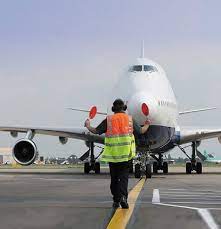
Introduction about Diploma in Air Cargo Practices & Documentation
A Diploma in Air Cargo Practices & Documentation is a specialized training program designed to equip individuals with the knowledge and skills required for the efficient and smooth operation of air cargo logistics. This diploma covers various aspects of air cargo, including cargo handling procedures, documentation, customs regulations, and the use of industry-standard software.
Participants in this program learn about the entire air cargo process, from cargo acceptance to final delivery. They become proficient in preparing airway bills, cargo manifest, and other essential documents. Understanding customs regulations and compliance is a crucial component of the program, as it is vital for the successful movement of goods across international borders.
The diploma also often includes practical training in cargo handling procedures, which involves the safe and secure loading and unloading of cargo from aircraft. Students learn about the use of specialized equipment, as well as the importance of safety and security in air cargo operations.
Upon completing this diploma, individuals are well-prepared to work in various roles within the air cargo industry, including cargo agents, cargo sales representatives, and cargo operations coordinators. They play a vital role in ensuring the efficient and timely transportation of goods by air, making this diploma a valuable qualification in the field of logistics and aviation.
How can I apply for admission to Diploma in Air Cargo Practices & Documentation
To apply for admission to a Diploma in Air Cargo and Aviation Logistics Management program, follow these general steps:
Research Programs: Start by researching institutions that offer this diploma program. Look for accredited schools or training centers that provide comprehensive and industry-relevant coursework.
Check Eligibility: Review the eligibility requirements for the program. Typically, you'll need at least a high school diploma or an equivalent qualification.
Contact the Institution: Reach out to the institution offering the program. You can do this through their official website or contact their admission office. Inquire about specific admission requirements, application deadlines, and any entrance exams or interviews, if applicable.
Collect Required Documents: Gather the necessary documents, which may include your educational transcripts, identification proof, passport-size photographs, and any other documents specified by the institution.
Fill out the Application: Complete the application form provided by the institution. Make sure to provide accurate and up-to-date information.
Pay Application Fee: Some institutions may require an application fee. Check with the institution regarding the fee amount and payment methods.
Entrance Exams/Interviews: If the program has entrance exams or interviews as part of the admission process, prepare accordingly. Study relevant topics and practice for interviews.
Submit Application: Submit your completed application form, along with all required documents and the application fee, to the institution's admission office within the specified deadline.
Await Admission Decision: After the application deadline, the institution's admission committee will review your application. They will notify you of their decision, typically by email or mail.
Confirm Enrollment: If you are accepted into the program, follow the provided instructions to confirm your enrollment. This may involve paying an enrollment deposit or tuition fees.
Attend Orientation: Once enrolled, attend any orientation sessions provided by the institution to get familiar with the program, faculty, and campus facilities.
Remember that the specific admission process and requirements may vary from one institution to another. It's essential to check with the institution offering the Diploma in Air Cargo and Aviation Logistics Management for precise details on their application procedure.
What is the eligibility for Diploma in Air Cargo Practices & Documentation
The eligibility criteria for a Diploma in Air Cargo and Aviation Logistics Management program may vary depending on the institution offering the course. However, here are the typical eligibility requirements:
Educational Qualifications: Applicants are generally required to have a high school diploma or its equivalent. Some programs may consider applicants with lower qualifications but may require additional criteria to be met.
Age: There may be age restrictions, with many programs admitting candidates who are at least 17 or 18 years old.
Language Proficiency: As English is the primary language of instruction in aviation and logistics, institutions may require candidates to demonstrate English language proficiency. This can be done through standardized language tests like IELTS or TOEFL. Some institutions may also conduct their English language assessment.
Medical Fitness: Due to the nature of the aviation industry, some programs may have health and fitness requirements. Applicants may need to provide a medical certificate to prove they are fit for the program.
Entrance Exams/Interviews: Some institutions may conduct entrance exams or interviews to assess an applicant's knowledge, aptitude, and motivation to pursue a career in air cargo and aviation logistics.
It's essential to note that these criteria are general guidelines, and specific requirements can differ between institutions. Therefore, it's recommended to check with the institution offering the program for precise eligibility requirements, as they can vary widely.
How long does it takes to complete a Diploma in Air Cargo Practices & Documentation
The duration of a Diploma in Air Cargo and Aviation Logistics Management program typically ranges from 6 months to 1 year. The exact duration can vary depending on the institution and the specific curriculum they offer. These programs are designed to provide students with a comprehensive understanding of the aviation logistics and air cargo industry in a relatively short period.
In some cases, the program may be offered in a part-time or online format, which can allow for more flexibility in terms of completion time. It's essential to check with the institution offering the program for the precise duration and format of their Diploma in Air Cargo and Aviation Logistics Management.
What are potential career opportunities after Diploma in Air Cargo Practices & Documentation
After completing a Diploma in Air Cargo and Aviation Logistics Management, you can explore various career opportunities in the aviation and logistics industry. Here are some potential career paths:
Air Cargo Agent: You can work as an air cargo agent, responsible for coordinating and managing the transportation of goods via air. This role involves handling cargo logistics, documentation, and ensuring the efficient movement of shipments.
Aviation Logistics Coordinator: Aviation logistics coordinators oversee the logistical aspects of airline operations. They manage the flow of cargo, coordinate with ground handling services, and ensure that cargo is loaded and unloaded safely and efficiently.
Freight Forwarder: As a freight forwarder, you would be responsible for arranging the transportation of goods on behalf of shippers. This may involve working with various transportation modes, including air cargo, to ensure the smooth movement of goods.
Airport Operations Specialist: You can work at airports in roles related to cargo and logistics operations. This might involve managing cargo terminals, overseeing cargo handling procedures, and ensuring compliance with aviation regulations.
Logistics Analyst: Logistics analysts play a crucial role in optimizing supply chain and transportation operations. They analyze data, identify areas for improvement, and help streamline cargo and logistics processes.
Cargo Sales Representative: Cargo sales representatives work for airlines and logistics companies, promoting cargo services to potential clients. They build and maintain client relationships and negotiate contracts for cargo transportation.
Supply Chain Coordinator: Supply chain coordinators are responsible for managing the end-to-end supply chain process, which includes procurement, transportation, and distribution of goods. They ensure products reach their destinations efficiently.
Customs Broker: Customs brokers assist with customs clearance for imported and exported goods. They handle the necessary documentation and ensure compliance with customs regulations.
Warehouse Manager: You can work as a warehouse manager overseeing the storage and distribution of goods in warehouses, ensuring efficient cargo handling and inventory management.
Transportation Planner: Transportation planners focus on optimizing transportation routes and methods to minimize costs and improve efficiency. They work with airlines, shipping companies, and logistics providers.
Cargo Security Specialist: Cargo security specialists are responsible for ensuring the safety and security of cargo shipments. They may work with airlines, logistics companies, or government agencies to prevent cargo-related security risks.
These are just a few examples of the career opportunities available to individuals with a Diploma in Air Cargo and Aviation Logistics Management. The aviation and logistics industry offers a wide range of roles, and your specific career path may depend on your interests, skills, and the job market in your region.
Syllabus of Diploma in Air Cargo Practices & Documentation
The syllabus for a Diploma in Air Cargo and Aviation Logistics Management may vary depending on the institution offering the program. However, here's a general overview of the typical subjects and topics you might encounter during each semester:
Semester 1:
Introduction to Aviation and Cargo Industry
Fundamentals of Logistics and Supply Chain Management
Air Cargo Operations and Handling
Airport and Aviation Regulations
Air Cargo Documentation and Procedures
Cargo Security and Safety
Communication and Soft Skills
Semester 2:
Airline and Airport Management
International Trade and Customs Procedures
Cargo Handling Equipment and Technology
Cargo Sales and Marketing
Inventory and Warehouse Management
Quality Control and Customer Service
Business Communication and Ethics
Semester 3:
Transportation Management
Air Freight Pricing and Revenue Management
E-commerce and Digitalization in Logistics
Cargo Insurance and Risk Management
Environmental Sustainability in Aviation and Logistics
Internship/Practical Training
Project Work and Presentation
Please note that this is a general outline, and the specific courses and their order may vary by institution. Some programs also offer elective courses or allow students to choose a specialization within aviation and logistics management. It's essential to review the curriculum provided by the institution you plan to attend for precise details on the courses offered in the program.
Internship opportunities after completing Diploma in Air Cargo Practices & Documentation
After completing a Diploma in Air Cargo and Aviation Logistics Management, you'll have several internship and job opportunities in the aviation and logistics industry. These internships can provide you with practical experience and a chance to apply what you've learned in your program. Here are some potential internship opportunities:
Cargo Handling Companies: Many cargo handling companies at airports offer internships for students. You can work in various roles, such as cargo handling, documentation, and quality control.
Airlines: Airlines often provide internships in their cargo departments. You may assist in cargo operations, pricing, sales, and marketing.
Freight Forwarders: Freight forwarding companies offer internships where you can gain experience in coordinating shipments, customs clearance, and transportation.
Logistics Companies: Logistics and supply chain management companies provide internship opportunities in areas like inventory management, warehousing, and distribution.
Customs Brokerage Firms: If you're interested in customs procedures, you can intern with customs brokerage firms and learn about import and export regulations.
Cargo Insurance Companies: Interning with cargo insurance companies can provide insights into the risk management aspect of the cargo industry.
Government Agencies: Some government agencies, like customs or aviation authorities, may offer internships related to cargo and aviation regulations.
E-commerce and Retail Companies: With the growth of e-commerce, companies involved in online retail often need logistics and supply chain interns to manage their cargo operations.
Research and Consulting Firms: If you're interested in a more analytical role, research or consulting firms may offer internships where you can work on logistics and aviation-related projects.
Environmental Organizations: Interning with organizations focused on sustainability and environmental issues in the aviation and logistics sectors can be relevant for those interested in green logistics.
When seeking internships, it's essential to check with your educational institution's career services department for assistance in finding opportunities, as they may have partnerships with industry players. Additionally, networking and attending career fairs can help you connect with potential employers in the field. Internships can be a valuable step in launching your career in air cargo and aviation logistics management.
Scholorship and grants for Diploma in Air Cargo Practices & Documentation
Scholarships and grants can be beneficial for students pursuing a Diploma in Air Cargo and Aviation Logistics Management. While the availability of specific scholarships may vary by institution and location, here are some general sources of financial aid to consider:
Institutional Scholarships: Many educational institutions offer scholarships and grants to students based on academic merit, financial need, or other criteria. Check with the institution where you plan to enroll for information on available scholarships.
Government Scholarships: Some government agencies and departments offer scholarships to students pursuing careers in the aviation and logistics field. Explore government websites and contact relevant authorities for details.
Industry Associations: Aviation and logistics industry associations often provide scholarships or grants to students pursuing degrees or diplomas in related fields. Examples include the International Air Transport Association (IATA) and the Airports Council International (ACI).
Corporate Scholarships: Major airlines, cargo companies, and logistics firms may have scholarship programs for students interested in the industry. Visit the websites of these companies and inquire about available scholarships.
Nonprofit Organizations: Various nonprofit organizations and foundations support education in the aviation and logistics sectors. Research and apply to those that align with your educational goals.
Professional Organizations: Some professional organizations related to aviation and logistics management may offer scholarships for students aiming to enter the field. Check with organizations like the National Air Transportation Association (NATA) or the American Association of Airport Executives (AAAE).
Financial Aid Programs: Federal and state financial aid programs, such as grants and loans, can help cover the costs of education. Complete the Free Application for Federal Student Aid (FAFSA) to determine your eligibility for these programs.
Merit-Based Scholarships: Explore scholarships based on your academic achievements, extracurricular activities, or other accomplishments. Websites like Fastweb and Scholarships.com can help you search for merit-based scholarships.
Online Scholarship Databases: There are numerous online scholarship databases that list opportunities for students in various fields. Examples include Scholarship.com, Cappex, and Niche.
Local and Regional Scholarships: Some scholarships are specific to certain geographic regions or communities. Research local scholarship opportunities from businesses, foundations, and community organizations.
When applying for scholarships and grants, be sure to review the eligibility criteria, application deadlines, and required documents. Each scholarship may have different requirements, so it's essential to tailor your applications accordingly. Additionally, reach out to your school's financial aid office for guidance and assistance in finding suitable funding options.
Conclusion
A Diploma in Air Cargo Practices & Documentation is your gateway to a thrilling career in the aviation and logistics industry. The knowledge and skills you gain will prepare you for a variety of roles and opportunities. Join the ranks of air cargo professionals and embark on a journey that can take you to new heights.
FAQ,s
What is the Diploma in Air Cargo and Aviation Logistics Management?
The Diploma in Air Cargo and Aviation Logistics Management is a specialized program designed to provide students with the knowledge and skills required for careers in the aviation and logistics industry. It covers topics such as air cargo operations, supply chain management, logistics, and transportation.
What are the eligibility criteria for this program?
Eligibility criteria may vary by institution, but typically, you need a high school diploma or equivalent to enroll in this diploma program. Some institutions may have specific requirements, so it's essential to check with the school you're interested in.
How long does it take to complete the Diploma in Air Cargo and Aviation Logistics Management?
The duration of the program can vary, but it is often completed in 1 to 2 years. Some institutions offer flexible scheduling options, allowing students to complete the program at their own pace.
What career opportunities are available after completing this diploma?
Graduates of this program can pursue a range of career opportunities in the aviation and logistics industry. Some potential roles include air cargo manager, logistics coordinator, supply chain analyst, airport operations specialist, and more.
Are there internship opportunities as part of the program?
Many institutions offer internship or practicum opportunities as part of the curriculum. These hands-on experiences provide students with real-world exposure to the industry and can enhance their job prospects.
Are scholarships or financial aid available for this program?
Scholarships and financial aid may be available, depending on the institution and location. Students are encouraged to explore scholarship opportunities, both from the educational institution and external sources, to help fund their education.
Can I pursue further studies after completing the Diploma in Air Cargo and Aviation Logistics Management?
Yes, you can continue your education by enrolling in related bachelor's or master's degree programs in fields like aviation management, logistics, or supply chain management. This can open up more advanced career opportunities.
Is this program suitable for individuals without prior aviation or logistics experience?
Yes, the program is designed for individuals with varying levels of experience, including those who are new to the field. It provides a foundation in air cargo and logistics concepts and practices.
What topics are covered in the syllabus of this diploma program?
The curriculum typically includes subjects such as air cargo management, aviation logistics, supply chain management, cargo security, transportation economics, and airport operations.
How can I apply for admission to a Diploma in Air Cargo and Aviation Logistics Management program?
To apply, you should visit the website of the institution offering the program, find the admission requirements, and follow the application instructions provided. It may involve submitting an online application, transcripts, and any required documents.
How Shiksha Hub helps you in
-
 Student Counsellors
 -
 Career Counseling
 -
 Research
 -
 24/7 Support
 -
 Scholarships
 -
 Community