Posted by Admin on 02-08-2023 in Shiksha hub
Diploma in Anesthesia and Critical Care Introduction, Admission, Registration, Eligibility, Duration, Fees, Syllabus 2024
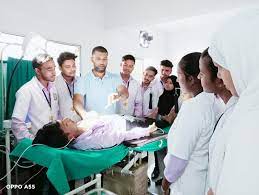
Introduction about Diploma in Anesthesia and Critical Care
Anesthesia and critical care play pivotal roles in the medical domain, ensuring patient comfort and safety during surgical procedures while also managing critical health conditions. The Diploma in Anesthesia and Critical Care is a comprehensive program designed to equip aspiring professionals with the necessary skills and knowledge to excel in this demanding yet rewarding field.
From understanding the importance and evolution of anesthesia to delving into the intricate modules of the diploma program, this article aims to provide a comprehensive overview of this specialized area of medicine.
Understanding Anesthesia and Critical Care
Anesthesia, a cornerstone in modern medicine, involves the administration of medications to induce loss of sensation or consciousness. Its evolution has transformed the safety and efficacy of surgical procedures, ensuring patient comfort and successful outcomes. Critical care, on the other hand, involves the management of patients with life-threatening conditions, necessitating specialized medical attention and intervention.
Overview of Diploma in Anesthesia and Critical Care
The Diploma in Anesthesia and Critical Care encompasses a range of subjects, including pharmacology, physiology, and emergency care. Specializations within the program cater to various aspects, such as pediatric anesthesia, regional anesthesia, and intensive care management.
Career Prospects
Graduates of this diploma program have a wide array of career opportunities available, including roles in hospitals, surgical centers, and emergency departments. Job roles range from anesthetists to critical care nurses, offering diverse settings for professional growth.
Skills and Qualities Required
Success in this field demands a blend of technical expertise and soft skills. Attention to detail, decision-making abilities, and effective communication are imperative, alongside the technical know-how of administering anesthesia and managing critical conditions.
Educational Requirements
Enrollment in the diploma program typically requires a background in medicine or nursing, with specific qualifications varying by institution. However, dedication, passion, and a commitment to patient care are universal prerequisites.
Challenges and Rewards
The field of anesthesia and critical care is demanding, both physically and emotionally. However, the gratification derived from alleviating pain and saving lives makes it an immensely rewarding profession.
Training and Internship
Practical training and internships form a crucial component of the program, allowing students to gain hands-on experience in real medical settings. This practical exposure enhances their skills and prepares them for the challenges ahead.
Importance in Healthcare System
Anesthesia and critical care are integral parts of the healthcare system, collaborating with other medical specialties to ensure comprehensive patient care. Their contributions are indispensable in achieving positive health outcomes.
Technological Advancements
Advancements in technology have revolutionized anesthesia and critical care, introducing innovative equipment and procedures that enhance patient safety and recovery rates.
Global Perspective
Anesthesia practices vary globally, influenced by cultural norms, resources, and healthcare systems. Understanding these differences is crucial in providing effective care to diverse populations.
Continuing Education and Development
Staying updated with the latest developments in the field is essential. Opportunities for further education and specialization allow professionals to continuously enhance their expertise.
Ethical Considerations
Practitioners in this field often face ethical dilemmas concerning patient autonomy, end-of-life care, and resource allocation. Balancing these ethical considerations with professional responsibilities is a constant challenge.
Future Trends
The future of anesthesia and critical care holds promising advancements, with innovations in precision medicine, minimally invasive techniques, and personalized care shaping the landscape of the field.
Community Engagement and Awareness
Raising awareness about anesthesia and critical care among the general public fosters a better understanding of the importance of these specialties and encourages community involvement in healthcare initiatives.
How can I apply for admission to Diploma in Anesthesia and Critical Care Program
Research Institutions: Begin by researching universities or educational institutions offering this diploma. Look for those with accredited programs and a strong reputation in healthcare education.
Check Admission Requirements: Review the specific admission requirements for the program. Typically, this includes educational prerequisites, such as a background in medicine or nursing, along with specific qualifications or exams they may require.
Application Process: Once you've identified suitable institutions, visit their official websites or contact their admissions office to understand the application process. Many institutions have online application portals where you can submit your application form and required documents.
Prepare Required Documents: Gather all the necessary documents, which might include:
Academic transcripts or certificates
Letters of recommendation
Personal statement or essay outlining your interest in the program
Resume or curriculum vitae (CV)
Any additional requirements specified by the institution
Entrance Exams: Some programs may require you to take standardized entrance exams, such as the GRE (Graduate Record Examination) or specific medical entrance tests. Ensure you're aware of and prepared for any required exams.
Submit Application: Complete the application form accurately and thoroughly. Pay attention to deadlines for submission, as missing these could affect your eligibility.
Application Fee: Be prepared to pay an application fee, which is common for most educational institutions.
Follow Up: After submitting your application, stay in touch with the admissions office for any updates or additional requirements. They might request an interview or additional documents as part of the selection process.
Acceptance and Enrollment: If accepted, congratulations! You'll receive an acceptance letter or email detailing the next steps for enrollment, which may include paying a deposit to secure your spot and registering for classes.
What is the eligibility for Diploma in Anesthesia and Critical Care
Educational Background: Typically, candidates eligible for this program have a background in either medicine or nursing. This might include:
Bachelor of Medicine and Bachelor of Surgery (MBBS) degree holders.
Bachelor of Science in Nursing (BSN) degree holders.
Other related medical or nursing degrees.
Professional Experience: Some programs may require candidates to have a certain level of clinical or professional experience in healthcare settings. This could involve working as a registered nurse, medical officer, or in a related healthcare role.
Licensing or Certification: Depending on the country or institution, candidates might need to hold specific medical or nursing licenses or certifications to be eligible for the diploma program.
Specific Prerequisites: Institutions might have specific prerequisite courses or subjects that applicants need to have completed during their previous education. These prerequisites could include courses in anatomy, physiology, pharmacology, or related medical sciences.
Entrance Exams: Some institutions might require candidates to pass entrance exams or assessments as part of the eligibility criteria.
How long does it takes to complete a Diploma in Anesthesia and Critical Care program
Program Structure: Some institutions offer a one-year diploma program that is intensive and focuses specifically on anesthesia and critical care modules. Others might have a more comprehensive program spanning two years, allowing for a deeper exploration of the subject matter and possibly including internships or clinical rotations.
Credit Requirements: The number of credits or courses required to fulfill the diploma program's criteria can influence its duration. A higher credit requirement might extend the program's length.
Clinical Rotations or Internships: Programs that include clinical rotations or internships as part of the curriculum might have a longer duration to accommodate these practical components.
Part-time or Full-time Study: Some institutions offer flexibility in study modes, allowing students to pursue the diploma on a part-time basis, which could extend the duration of the program.
What are potential career opportunities after Diploma in Anesthesia and Critical Care
Anesthetist/Anesthesiologist: Graduates can work as anesthetists or anesthesiologists in hospitals, surgical centers, or healthcare facilities. They administer anesthesia during surgical procedures, ensuring patients are comfortable and safe throughout the process.
Critical Care Nurse: Some graduates opt to work as critical care nurses, providing specialized care to critically ill patients in intensive care units (ICUs) or emergency departments.
Operating Room Nurse: They may choose to specialize as operating room nurses, assisting surgeons during operations and ensuring a sterile environment in the operating room.
Pain Management Specialist: Professionals can specialize in pain management, working with patients suffering from chronic pain conditions, and administering treatments to alleviate pain.
Emergency Department Roles: They can work in emergency departments, managing patients in critical conditions and providing immediate medical attention.
Teaching and Research: Some graduates pursue careers in teaching or research related to anesthesia and critical care, contributing to the advancement of medical knowledge and training future professionals.
Clinical Trials and Pharmaceutical Industry: Opportunities exist in the pharmaceutical industry or clinical research, where professionals contribute to drug development or conduct research on anesthesia-related therapies.
Consultancy and Healthcare Administration: Graduates can explore roles in healthcare consultancy or administration, applying their expertise in anesthesia and critical care to improve healthcare systems or manage medical facilities.
Syllabus of Diploma in Anesthesia and Critical Care
Semester 1:
Introduction to Anesthesia and Critical Care
Fundamentals of anesthesia and critical care
History and evolution of anesthesia practices
Anatomy and Physiology
Detailed study of human anatomy and physiological systems relevant to anesthesia
Pharmacology in Anesthesia
Pharmacokinetics and pharmacodynamics of anesthetic agents
Drug interactions and anesthesia management
Basics of Medical Emergencies
Understanding and handling medical emergencies in critical care settings
Semester 2:
Anesthesia Techniques
Different types of anesthesia and their applications
Anesthesia delivery methods and monitoring
Patient Assessment and Preoperative Care
Assessing patient health and preparing them for surgery
Preoperative evaluation and optimization
Intraoperative Care
Management of patients during surgery
Anesthesia administration and monitoring
Postoperative Care and Recovery
Immediate post-surgery care and recovery management
Pain management strategies
Semester 3:
Critical Care Management
Principles of critical care and life support systems
Advanced critical care procedures
Specializations in Anesthesia
Optional modules focusing on specific areas such as pediatric anesthesia, regional anesthesia, or pain management
Ethics and Legal Aspects
Ethical considerations in anesthesia and critical care
Legal aspects and responsibilities of practitioners
Clinical Rotations or Internship
Practical training in anesthesia and critical care settings
Hands-on experience under supervision
Semester 4:
Advanced Topics in Anesthesia
Advanced techniques and emerging trends in anesthesia
Innovations and research in the field
Case Studies and Practical Applications
Analyzing case studies related to complex anesthesia and critical care scenarios
Practical application of theoretical knowledge
Dissertation or Research Project
Conducting a research project or dissertation in a specific area of anesthesia or critical care
Presentation and defense of the research findings
Internship opportunities after completing Diploma in Anesthesia and Critical Care
Hospital Internships: Many hospitals offer internships specifically designed for individuals with a background in anesthesia and critical care. These internships provide hands-on experience in anesthesia administration, critical care management, and working closely with experienced practitioners.
Clinical Rotations: Institutions might arrange for clinical rotations in different departments within hospitals, such as surgical units, intensive care units (ICUs), emergency departments, or operating rooms. This exposure allows interns to apply their knowledge in diverse clinical scenarios.
Specialized Training Programs: Some institutions or healthcare facilities offer specialized training programs as part of internships. These programs focus on specific areas like pediatric anesthesia, regional anesthesia, or pain management, providing targeted experience in these fields.
Research Internships: Internship opportunities might also exist in research institutions or laboratories where graduates can engage in research projects related to anesthesia, critical care, or medical advancements. This experience can contribute to their understanding of the field and research methodologies.
Fellowship Programs: Some graduates opt for fellowship programs after their diploma, which offer advanced training and experience in specific aspects of anesthesia and critical care. These programs usually involve a combination of clinical exposure, research, and specialized training.
Scholarship and grants for Diploma in Anesthesia and Critical Care
Institutional Scholarships: Many educational institutions offering the diploma program provide scholarships or financial aid based on merit, need, or specific criteria. These scholarships can cover tuition fees or provide stipends to assist students.
Governmental Funding: Government organizations, both at the national and regional levels, might offer scholarships or grants for students pursuing healthcare-related diplomas. These could be based on academic performance, financial need, or commitments to serving in underserved areas upon graduation.
Professional Associations and Foundations: Professional associations or foundations related to anesthesia and critical care might offer scholarships or grants to support students entering the field. These opportunities often require applicants to demonstrate a commitment to the profession and may involve specific application criteria.
Hospital or Healthcare Institution Programs: Some hospitals or healthcare institutions offer financial assistance or sponsorships to individuals pursuing diplomas in critical healthcare fields. These programs might involve agreements for future employment or service commitments.
Research Grants: For students interested in research, there might be grants available from research institutions or governmental bodies that support research projects related to anesthesia and critical care.
External Scholarships and Philanthropic Organizations: Various external sources, including philanthropic organizations, private donors, or charitable foundations, might offer scholarships or grants for healthcare education.
Conclusion
The Diploma in Anesthesia and Critical Care not only opens doors to a fulfilling career but also serves as a gateway to making a tangible difference in patients' lives. Embracing the challenges and rewards of this field requires dedication, continuous learning, and a passion for ensuring the well-being of others.
FAQs
What is a Diploma in Anesthesia and Critical Care?
A Diploma in Anesthesia and Critical Care is a specialized program designed to train healthcare professionals in administering anesthesia and managing critical conditions in patients.
Who can pursue this diploma?
Individuals with a background in medicine (such as MBBS degree holders) or nursing (like BSN degree holders) often pursue this diploma.
What are the career prospects after completing this diploma?
Graduates can work as anesthetists, critical care nurses, or in emergency departments in hospitals, surgical centers, or healthcare facilities.
How long does it take to complete this program?
The duration typically ranges from 1 to 2 years, depending on the institution and program structure.
What are the eligibility criteria for admission?
Eligibility usually requires a background in medicine or nursing, along with specific prerequisites varying by institution.
Are there internship opportunities after completing the diploma?
Yes, graduates often have opportunities for internships in hospitals, clinical rotations, specialized training programs, or research institutions.
Is financial aid available for this program?
Yes, various sources such as institutional scholarships, governmental funding, professional associations, and research grants may provide financial assistance.
Can I specialize in a particular area within anesthesia and critical care?
Yes, some programs offer specializations like pediatric anesthesia, regional anesthesia, or pain management.
What skills are essential for success in this field?
Skills include attention to detail, strong decision-making abilities, effective communication, and a blend of technical expertise and empathy.
What are the future trends in anesthesia and critical care?
Future trends include advancements in precision medicine, minimally invasive techniques, and personalized care to enhance patient outcomes.
How Shiksha Hub helps you in
-
 Student Counsellors
 -
 Career Counseling
 -
 Research
 -
 24/7 Support
 -
 Scholarships
 -
 Community