Posted by Admin on 02-08-2023 in Shiksha hub
Diploma in Anesthesia Introduction, Admission, Registration, Eligibility, Duration, Fees, Syllabus 2024
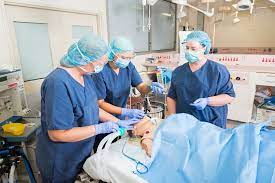
Introduction about Diploma in Anesthesia Technician
A Diploma in Anesthesia Technician is a specialized educational program designed to equip individuals with the knowledge and skills necessary to assist anesthesia providers in the delivery of safe and effective anesthesia care. Anesthesia technicians play a crucial role in the healthcare system by ensuring that anesthesia equipment is properly maintained, operating smoothly, and ready for use during medical procedures.
The curriculum of a Diploma in Anesthesia Technician program typically covers a range of topics, including the principles of anesthesia, pharmacology, medical instrumentation, patient monitoring, and emergency procedures. Students learn how to set up and prepare anesthesia equipment, assist with patient monitoring, and troubleshoot technical issues that may arise during surgical procedures.
The program often includes both theoretical coursework and practical training, allowing students to gain hands-on experience in real-world healthcare settings. This combination of classroom instruction and clinical exposure prepares students to work effectively in operating rooms, intensive care units, and other medical environments where anesthesia services are required.
Upon completion of the diploma program, graduates are equipped to support anesthesia providers, such as anesthesiologists and nurse anesthetists, in administering anesthesia safely and efficiently. They may find employment in hospitals, clinics, and other healthcare facilities, contributing to the overall quality and safety of patient care during surgical and medical procedures. Additionally, the diploma may serve as a foundation for further specialization or advanced studies in the field of anesthesia technology.
How can I apply for admission to Diploma in Anesthesia Technician Program
Research Programs: Start by researching institutions that offer a Diploma in Anesthesia Technician program. Look for reputable schools or universities that provide the level of education and training you are seeking.
Check Admission Requirements: Each program may have its own set of admission requirements. Common requirements may include a high school diploma or equivalent, specific coursework in science or healthcare, and possibly relevant work or volunteer experience. Check the program's official website or contact the admissions office to get detailed information.
Prepare Application Materials: Gather all necessary documents for your application. This may include:
Completed application form
High school transcripts or equivalent
Letters of recommendation
Personal statement or essay
Resume or curriculum vitae (CV)
Any standardized test scores required
Entrance Exams: Some programs may require you to take entrance exams. Check if the program you're applying to requires any specific tests and prepare accordingly.
Application Fee: Be prepared to pay any application fees that may be associated with the application process. Check the program's website or contact the admissions office for information on fees and payment methods.
Submit Application: Follow the application instructions provided by the institution. You may be able to apply online or through a paper application. Ensure that you submit all required materials by the specified deadline.
Interview (if required): Some programs may require an interview as part of the admissions process. Prepare for potential interviews by reviewing common interview questions and practicing your responses.
Financial Aid: If you require financial aid, explore scholarship and financial aid options available for the program. Check with the institution's financial aid office for guidance.
Wait for Admission Decision: After submitting your application, wait for the admission decision. This may take some time, so be patient.
Acceptance and Enrollment: If accepted, carefully follow the instructions for accepting the offer of admission and enrolling in the program. This may include submitting additional documentation, paying tuition, and attending orientation sessions.
What is the eligibility for Diploma in Anesthesia Technician
Educational Qualifications: Typically, candidates are required to have completed their high school education or an equivalent qualification. A strong foundation in science subjects, especially biology and chemistry, may be preferred.
Minimum Marks: Some institutions may specify a minimum percentage or grade in the qualifying examination (high school or equivalent). It's important to check the specific requirements of the institution you are interested in.
Age Limit: There may be an age limit for admission to the program. Some institutions set an upper age limit for candidates applying for diploma courses.
Entrance Exams: Certain institutions may conduct entrance exams as part of the admission process. Candidates may need to qualify in these exams to secure admission. Check whether the institution you're applying to requires such an entrance exam.
Medical Fitness: Given the nature of the program, some institutions may require candidates to meet specific health and medical fitness standards. This is to ensure that students can actively participate in clinical training and perform the duties associated with the role of an anesthesia technician.
Interview or Counseling: In some cases, institutions may conduct interviews or counseling sessions as part of the selection process. This provides an opportunity for the institution to assess the candidate's suitability for the program.
Documentation: Candidates are typically required to submit necessary documentation, including high school certificates, transcripts, identification proof, and any other documents specified by the institution.
How long does it takes to complete a Diploma in Anesthesia Technician program
The duration of a Diploma in Anesthesia Technician program varies from one educational institution to another. Typically, these programs are designed to be completed in a relatively short period, ranging from 1 to 2 years. The exact duration depends on factors such as the specific curriculum of the program, the number of credit hours required, and whether the program is offered on a full-time or part-time basis.
In many cases, diploma programs are structured to include a combination of classroom instruction and clinical training to provide students with both theoretical knowledge and practical skills necessary for the role of an anesthesia technician. The program's duration may also include internships or clinical rotations in healthcare settings, allowing students to gain hands-on experience in real-world scenarios.
To determine the specific duration of a Diploma in Anesthesia Technician program, it is advisable to check the details provided by the educational institution offering the program. This information is typically available on the institution's official website or in the program brochure. Additionally, you can contact the admissions office or program coordinator for more precise and up-to-date information on the program's duration and structure.
Syllabus of Diploma in Anesthesia Technician
Semester 1:
Anatomy and Physiology
Basic Medical Terminology
Fundamentals of Anesthesia
Introduction to Pharmacology
Basics of Microbiology and Infection Control
Communication Skills and Ethics in Healthcare
Semester 2:
Principles of Anesthesia Equipment
Anesthesia Drugs and Administration
Patient Monitoring Techniques
Medical Ethics and Legal Aspects in Anesthesia
Introduction to Surgical Procedures
Basics of Cardiopulmonary Resuscitation (CPR)
Semester 3:
Anesthesia in Specialized Procedures (e.g., Obstetrics, Pediatrics)
Advanced Patient Monitoring
Anesthesia for Critical Care
Introduction to Emergency Medicine
Biomedical Waste Management
Clinical Training and Internship (Hands-on experience in healthcare settings)
Semester 4:
Advanced Anesthesia Techniques
Management of Anesthesia-related Complications
Research Methodology in Anesthesia Technology
Professional Development and Career Planning
Advanced CPR Techniques
Final Clinical Internship and Project Work
Internship opportunities after completing Diploma in Anesthesia Technician
Hospitals and Clinics: Many graduates of anesthesia technician programs find internships in hospitals and clinics. They may work in operating rooms, intensive care units (ICUs), emergency departments, or other areas where anesthesia is administered. Interns often assist in the preparation of equipment, help monitor patients during procedures, and gain hands-on experience under the supervision of experienced anesthesia providers.
Surgical Centers: Ambulatory surgical centers and specialized surgical facilities often offer internship opportunities for anesthesia technicians. These centers focus on various surgical procedures, and anesthesia technicians may play a key role in ensuring the safe and effective delivery of anesthesia services.
Rehabilitation Centers: Some rehabilitation centers that offer surgical or medical procedures may provide internship opportunities for anesthesia technicians. This setting allows for exposure to a range of patient cases and medical conditions.
Healthcare Training Institutions: Some graduates may choose to pursue internships or entry-level positions in healthcare training institutions. These institutions may provide ongoing education and training for healthcare professionals, and anesthesia technicians may contribute to training programs.
Research Facilities: Graduates interested in research may find internship opportunities in healthcare research facilities. They may contribute to studies related to anesthesia techniques, equipment, or patient outcomes.
Outpatient Care Facilities: Outpatient care centers and specialty clinics that perform minor procedures may also offer internship opportunities for anesthesia technicians. These settings can provide exposure to a variety of medical procedures outside the traditional hospital setting.
Government Healthcare Agencies: Some government healthcare agencies or public health organizations may have internship programs where anesthesia technicians can gain experience in areas such as public health initiatives or disaster response.
Scholorship and grants for Diploma in Anesthesia Technician
Institutional Scholarships: Many educational institutions offer scholarships to support students pursuing healthcare-related programs. Check with the specific institution offering the Diploma in Anesthesia Technician to inquire about scholarship opportunities, application processes, and eligibility criteria.
Government Scholarships and Grants: Government agencies at the national, state, or local levels may provide scholarships or grants for students in healthcare programs. Visit official government education websites or contact relevant education departments to explore available options.
Private Organizations and Foundations: Some private organizations, foundations, and non-profit entities may offer scholarships or grants for students in healthcare fields. Research and identify potential organizations related to healthcare or anesthesia technology, and check their eligibility requirements and application procedures.
Professional Associations: Professional associations related to anesthesia technology or healthcare may offer scholarships to support aspiring professionals. Examples include the American Society of Anesthesia Technologists and Technicians (ASATT) or other regional anesthesia associations. Visit their websites or contact them directly for information on scholarship opportunities.
Healthcare Industry Partnerships: Some companies and organizations in the healthcare industry may have partnerships with educational institutions and offer scholarships to students pursuing specific healthcare programs. Explore potential partnerships in the healthcare sector to identify scholarship opportunities.
Community Foundations: Local community foundations or charitable organizations may provide financial support for students pursuing healthcare education. Check with community-based organizations or foundations in your area to inquire about available scholarships or grants.
Online Scholarship Databases: Utilize online scholarship databases such as Fastweb, Scholarship.com, or College Board's Scholarship Search to search for scholarships that match your profile and educational goals. These platforms often allow you to filter results based on your field of study.
Conclusion
In conclusion, pursuing a Diploma in Anesthesia Technician opens doors to a rewarding career in healthcare. With a comprehensive curriculum, hands-on clinical training, and various internship opportunities, graduates are well-prepared to contribute to the safe administration of anesthesia in medical settings. Whether you're passionate about patient care or interested in the technical aspects of healthcare, this program provides a solid foundation for a successful career in anesthesia technology.
FAQs
Q1: What is a Diploma in Anesthesia Technician?
A: A Diploma in Anesthesia Technician is a specialized program that prepares individuals to assist anesthesia providers in delivering safe and effective anesthesia care during medical procedures.
Q2: What are the admission requirements for the program?
A: Admission requirements typically include a high school diploma or equivalent, meeting minimum grade criteria, and, in some cases, passing an entrance exam.
Q3: What topics are covered in the program curriculum?
A: The curriculum covers subjects such as anatomy, physiology, pharmacology, anesthesia equipment, patient monitoring, and emergency procedures. Clinical training is also a significant component.
Q4: Are there internship opportunities after completing the diploma?
A: Yes, graduates often have internship opportunities in hospitals, surgical centers, and other healthcare settings where anesthesia services are provided.
Q5: Are there scholarships available for the Diploma in Anesthesia Technician program?
A: Yes, scholarships may be available through educational institutions, government agencies, private organizations, and healthcare industry partnerships.
How Shiksha Hub helps you in
-
 Student Counsellors
 -
 Career Counseling
 -
 Research
 -
 24/7 Support
 -
 Scholarships
 -
 Community