Posted by Admin on 02-08-2023 in Shiksha hub
Diploma in Anganwadi Supervisor Introduction, Admission, Registration, Eligibility, Duration, Fees, Syllabus 2024
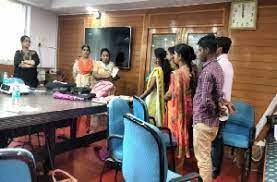
Introduction about Diploma in Anganwadi Supervisor
A Diploma in Anganwadi Supervisor is a specialized educational program designed to equip individuals with the knowledge and skills necessary to oversee and manage Anganwadi centers. Anganwadi centers are government-sponsored child and maternal care centers in India that play a crucial role in early childhood education, healthcare, and nutrition. Anganwadi Supervisors are responsible for coordinating and supervising the activities within these centers to ensure the well-being and development of children and mothers in their communities.
The curriculum of a Diploma in Anganwadi Supervisor program typically covers a range of topics, including early childhood education, nutrition, health and hygiene, community development, and management skills. Students learn about the importance of holistic child development, effective communication, and community engagement. The program aims to empower individuals with the tools to address the diverse needs of children and mothers in the community.
Through a combination of classroom instruction, practical training, and fieldwork, students gain insights into the challenges faced by communities and develop strategies to promote the overall welfare of children and mothers. The diploma program emphasizes the significance of early intervention, proper nutrition, and healthcare practices to ensure the healthy growth and development of children.
Upon completion of the program, graduates are prepared to take on leadership roles as Anganwadi Supervisors. They may work in collaboration with government agencies, non-profit organizations, and community leaders to implement effective programs that contribute to the well-being of children and mothers, especially in rural and underserved areas. The Diploma in Anganwadi Supervisor thus plays a pivotal role in fostering positive social change and addressing the needs of vulnerable populations at the grassroots level.
How can I apply for admission to Diploma in Anganwadi Supervisor Program
Research Programs: Start by researching institutions that offer the Diploma in Anganwadi Supervisor program. Look for reputable colleges, universities, or vocational training centers that provide this specific diploma.
Check Eligibility Criteria: Review the eligibility criteria for the program. Typically, these criteria include educational qualifications, age limits, and sometimes work experience. Ensure that you meet all the requirements specified by the institution.
Collect Required Documents: Gather all the necessary documents for the application. Commonly required documents include proof of educational qualifications (such as high school certificates or equivalent), identification proof, passport-sized photographs, and any other documents specified by the institution.
Application Form: Obtain the application form from the institution's official website or the admissions office. Some institutions may provide online application options. Fill out the form completely and accurately, providing all the required information.
Attach Documents: Attach the necessary documents to your application form. Ensure that you include all the required certificates, transcripts, and any other materials specified by the institution. Pay attention to the document checklist provided by the institution.
Application Fee: Pay the application fee, if applicable. Some institutions may require a fee for processing the application. Check the payment details and submit the fee along with your application. Make sure to keep a copy of the payment receipt.
Submit Application: Submit your completed application form and supporting documents to the designated address or through the specified online portal. Be mindful of the application deadline and ensure that your application is submitted on time.
Entrance Exam or Interview (if required): Some institutions may conduct entrance exams or interviews as part of the selection process. Prepare for any required assessments and attend them as scheduled.
Wait for Admission Decision: After submitting your application, wait for the admission committee to review your materials. Once a decision is made, you will be notified of the outcome.
Complete Admission Procedures: If you are accepted into the program, follow the instructions provided by the institution to complete the admission procedures. This may include payment of tuition fees, registration, and orientation sessions.
What is the eligibility for Diploma in Anganwadi Supervisor
Educational Qualifications: Typically, candidates are required to have completed their high school education or an equivalent qualification. Some programs may have specific subject requirements or minimum grades.
Age Limit: There might be an age limit for admission to the program. Some institutions set age restrictions for candidates applying for diploma courses.
Minimum Marks: Institutions may specify a minimum percentage or grade in the qualifying examination (e.g., high school or equivalent). Check the specific requirements of the institution you are interested in.
Entrance Exam (if applicable): Some institutions may conduct an entrance exam as part of the admission process. Candidates may need to qualify in this exam to secure admission. Be sure to check whether the institution you're applying to requires an entrance exam.
Interview or Counseling (if applicable): In some cases, institutions may conduct interviews or counseling sessions as part of the selection process. This allows the institution to assess the candidate's suitability for the program.
Documentation: Candidates are typically required to submit necessary documents along with their application. These may include high school certificates, transcripts, identification proof, and any other documents specified by the institution.
How long does it takes to complete a Diploma in Anganwadi Supervisor program
The duration of a Diploma in Anganwadi Supervisor program can vary depending on the educational institution and the specific structure of the program. However, these diploma programs are typically designed to be completed in a relatively short period, often ranging from 1 to 2 years.
The duration may be influenced by factors such as the curriculum's complexity, the number of credit hours required, and whether the program is offered on a full-time or part-time basis. Some programs may also include internships or practical training components, which can extend the overall duration.
To get the most accurate information about the duration of a specific Diploma in Anganwadi Supervisor program, it is recommended to check the details provided by the institution offering the program. This information is usually available on the institution's official website or in the program brochure. Additionally, you can contact the admissions office or program coordinator for more precise and up-to-date information on the program's duration and structure.
What are potential career opportunities after Diploma in Anganwadi Supervisor
Anganwadi Supervisor: Graduates can directly pursue roles as Anganwadi Supervisors, overseeing the operations of Anganwadi centers. They play a crucial role in coordinating and managing activities related to child care, nutrition, and maternal health within the community.
Community Health Worker: With knowledge in healthcare and community development, individuals can work as community health workers. They may focus on promoting health education, preventive healthcare measures, and maternal and child health in the community.
Child Development Specialist: Graduates may explore roles as child development specialists, working in organizations that focus on early childhood development. They can contribute to designing and implementing programs that enhance the cognitive, social, and emotional development of young children.
Education Coordinator: Individuals may pursue roles as education coordinators in community organizations or NGOs, focusing on designing and implementing educational programs for children and mothers. This can include organizing workshops, training sessions, and awareness campaigns.
Community Outreach Worker: Graduates can work as community outreach workers, collaborating with local communities to identify needs and develop initiatives that improve the well-being of children and mothers. This may involve promoting health and nutrition awareness programs.
Social Worker: A diploma in Anganwadi Supervision can serve as a foundation for a career in social work. Social workers often engage with communities to address various social issues, and the skills gained in the program can be valuable in advocating for the needs of children and families.
NGO or Non-Profit Organization Roles: Opportunities exist in non-governmental organizations (NGOs) and non-profit organizations that focus on child welfare, community development, and healthcare. Roles may involve project management, program coordination, and advocacy.
Government Positions: Some graduates may find employment in government agencies related to women and child development. Positions may include roles within the Women and Child Development Departments at the state or national level.
Entrepreneurship: Graduates may choose to start their own initiatives, such as daycare centers, early childhood education programs, or community development projects aimed at improving the lives of children and mothers.
Further Education: For those interested in advancing their knowledge and career prospects, pursuing higher education in related fields, such as social work, community health, or early childhood education, is also an option.
Syllabus of Diploma in Anganwadi Supervisor
Semester 1:
Introduction to Anganwadi System:
Overview of the Anganwadi system
Historical context and evolution
Role and significance in community development
Child Development:
Principles of child development
Cognitive, social, and emotional development
Milestones in early childhood
Nutrition and Health:
Basics of nutrition for mothers and children
Health and hygiene practices
Nutritional requirements in different age groups
Educational Psychology:
Fundamentals of educational psychology
Learning theories
Classroom management and child behavior
Community Development:
Introduction to community development
Community engagement strategies
Identifying community needs
Semester 2:
Early Childhood Education:
Curriculum development for early childhood
Teaching methodologies for young children
Play-based learning approaches
Women's Health and Maternal Care:
Maternal health and well-being
Antenatal and postnatal care
Family planning and reproductive health
Communication and Counseling:
Effective communication skills
Counseling techniques for families and mothers
Conflict resolution
Community Nutrition Programs:
Implementing nutrition programs in communities
Monitoring and evaluation of nutrition initiatives
Addressing malnutrition and micronutrient deficiencies
Fieldwork and Practicum:
Practical training in Anganwadi centers
Application of theoretical knowledge in real-world settings
Observation and hands-on experience
Semester 3:
Legal and Ethical Aspects:
Legal frameworks related to child welfare
Ethical considerations in community work
Advocacy for children's rights
Project Management:
Basics of project planning and management
Implementing community projects
Monitoring and evaluation of project outcomes
Leadership and Management:
Leadership skills for community development
Team management in Anganwadi settings
Decision-making and problem-solving
Research Methodology:
Introduction to research in community development
Conducting needs assessments
Data collection and analysis techniques
Community Health and Sanitation:
Public health principles
Sanitation and hygiene promotion
Preventive healthcare in communities
Semester 4:
Internship and Field Placement:
Extended fieldwork in Anganwadi centers
Supervised internship experiences
Integration of theoretical knowledge with practical skills
Seminar and Presentation:
Presenting findings from fieldwork and research
Participating in seminars and discussions
Engaging with professionals in the field
Professional Development:
Building a professional portfolio
Resume building and job search skills
Professional ethics and conduct
Current Issues in Community Development:
Exploring contemporary challenges
Analyzing current trends in child and maternal welfare
Formulating strategies for addressing emerging issue
Internship opportunities after completing Diploma in Anganwadi Supervisor
Anganwadi Centers: Internships within Anganwadi centers offer a direct and immersive experience in managing and overseeing the operations of these centers. Interns may work closely with Anganwadi workers and supervisors, participating in activities related to child care, nutrition, and maternal health.
Community Health Organizations: Interning with community health organizations allows individuals to engage in broader health initiatives. This may involve participating in health awareness campaigns, conducting health screenings, and contributing to community health projects.
NGOs and Non-Profit Organizations: Non-governmental organizations (NGOs) and non-profit organizations focused on child welfare, women's health, and community development often offer internships. Interns may be involved in program implementation, data collection, and community outreach initiatives.
Government Health Departments: Internships within government health departments, particularly those related to women and child development, provide exposure to public health programs and policies. Interns may assist in the implementation and evaluation of government initiatives.
Educational Institutions: Some educational institutions, especially those offering early childhood education programs, may provide internships. Interns can gain experience in educational settings, focusing on curriculum development and teaching methodologies for young children.
Research Organizations: Interning with research organizations allows individuals to engage in projects related to child development, community health, and nutrition. Interns may assist in data collection, analysis, and contributing to research studies.
Community Outreach Programs: Internships in community outreach programs enable individuals to actively engage with local communities. Interns may participate in organizing community events, conducting workshops, and promoting awareness on health and education.
Women's and Child Development Centers: Interning with centers specifically focused on women's and child development provides exposure to a range of programs and services. Interns may be involved in activities related to maternal care, nutrition counseling, and family support services.
Social Work Agencies: Internships with social work agencies offer opportunities to work on broader social issues. Interns may be involved in case management, advocacy, and community development projects.
Health and Nutrition Programs: Interning with organizations that run health and nutrition programs allows individuals to contribute to initiatives aimed at improving the nutritional status of women and children in communities.
Conclusion
In conclusion, a Diploma in Anganwadi Supervisor empowers individuals to make a meaningful impact on communities by fostering child and maternal welfare. Through a comprehensive curriculum, practical internships, and diverse career opportunities, graduates are prepared to lead in Anganwadi centers, community health initiatives, and educational programs. This blog aims to guide aspiring Anganwadi Supervisors on their journey toward creating positive changes in the lives of children and mothers within communities.
FAQs
Q1: What is the role of an Anganwadi Supervisor?
A: Anganwadi Supervisors play a key role in overseeing child and maternal welfare programs, managing Anganwadi centers, and implementing community development initiatives.
Q2: What topics are covered in the Diploma in Anganwadi Supervisor program?
A:The program covers areas such as child development, maternal health, nutrition counseling, community development, and early childhood education.
Q3: Are there internship opportunities after completing the diploma?
A: Yes, graduates can explore internships in Anganwadi centers, community health organizations, NGOs, and government health departments.
Q4: How does the program contribute to community development?
A: The program equips individuals with the knowledge and skills to address community needs, promote child and maternal welfare, and engage in health and education initiatives.
Q5: What career paths can one pursue after completing the Diploma in Anganwadi Supervisor?
A: Graduates can pursue careers as Anganwadi Supervisors, community health workers, child development specialists, and contribute to NGOs, government health departments, and educational institutions.
How Shiksha Hub helps you in
-
 Student Counsellors
 -
 Career Counseling
 -
 Research
 -
 24/7 Support
 -
 Scholarships
 -
 Community