Posted by Admin on 02-08-2023 in Shiksha hub
Diploma in Aviation Introduction, Admission, Registration, Eligibility, Duration, Fees, Syllabus 2024
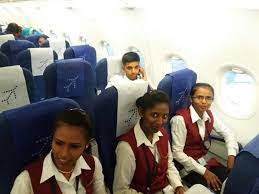
Introduction about Diploma in Aviation
A Diploma in Aviation is a specialized educational program designed to provide students with a comprehensive understanding of the aviation industry. This diploma program typically covers a range of subjects related to aviation, including aircraft operations, air traffic control, aviation safety, airport management, and aviation regulations.
The curriculum is structured to equip students with both theoretical knowledge and practical skills necessary for a career in various sectors of the aviation industry. Students may learn about the principles of flight, navigation, aviation communication, and aircraft systems. Additionally, they often gain insights into aviation management, logistics, and regulatory compliance.
The program may include hands-on training and simulations to familiarize students with real-world aviation scenarios. Depending on the specific focus of the diploma, students might also explore areas such as aviation maintenance, aviation security, or aviation technology.
Upon completion of the Diploma in Aviation, graduates may pursue various career paths within the aviation sector, such as becoming pilots, air traffic controllers, airport managers, aviation safety officers, or professionals in aviation-related administration and support roles.
How can I apply for admission to Diploma in Aviation Program
Research Programs and Institutions: Start by researching different institutions that offer a Diploma in Aviation. Look for programs that align with your career goals and preferences.
Check Admission Requirements: Review the admission requirements for the specific program you are interested in. Common requirements may include a high school diploma or equivalent, academic transcripts, and possibly standardized test scores.
Application Form: Obtain the application form from the institution's website or admissions office. Some institutions allow online applications, while others may require a paper application.
Complete Application Form: Fill out the application form carefully, providing accurate and complete information. Pay attention to any additional documents or materials required, such as a resume, personal statement, or letters of recommendation.
Application Fee: Check if there is an application fee and ensure it is paid along with your application. This fee typically covers the processing costs associated with reviewing your application.
Submit Supporting Documents: Gather and submit all required supporting documents, such as academic transcripts, letters of recommendation, and a personal statement. Make sure to meet any deadlines set by the institution.
Entrance Exams (if required): Some institutions may require applicants to take entrance exams. Ensure that you are aware of any testing requirements and schedule exams accordingly.
Interview (if required): Some programs may require an interview as part of the admissions process. Prepare for this by researching common interview questions and practicing your responses.
Wait for Admission Decision: After submitting your application, patiently wait for the admission decision. Check the institution's communication channels regularly for updates.
Acceptance and Enrollment: If accepted, follow the instructions provided to accept the offer of admission. You may need to pay an enrollment deposit to secure your spot in the program.
Financial Aid and Scholarships: Explore financial aid options, scholarships, or grants that may be available to you. Some institutions offer assistance to students pursuing aviation-related programs.
Orientation: Attend any orientation sessions or events offered by the institution to get acquainted with the program, campus, and important resources.
What is the eligibility for Diploma in Aviation
Educational Qualifications: Typically, candidates should have completed their high school education or its equivalent. A strong emphasis may be placed on subjects such as mathematics and physics.
Minimum Age: Some institutions may have a minimum age requirement for admission to a Diploma in Aviation program. This is often to ensure that students are mature enough to handle the responsibilities associated with aviation studies.
English Language Proficiency: As aviation programs often involve technical and communication skills, a good command of the English language may be required. Some institutions may ask for English language proficiency test scores, such as IELTS or TOEFL.
Medical Fitness: Due to the nature of the aviation industry, candidates may be required to meet certain medical fitness standards. This often involves passing a medical examination conducted by an aviation medical examiner.
Entrance Exams: Certain institutions may require candidates to take entrance exams to assess their aptitude for the program. These exams may cover subjects like mathematics, physics, and general knowledge.
Interview: In some cases, an interview may be part of the admission process. This allows the institution to assess the candidate's motivation, communication skills, and suitability for the aviation program.
Other Requirements: Depending on the specific focus of the program (e.g., pilot training, aviation maintenance), there may be additional requirements. For example, pilot training programs may have specific height and vision requirements.
How long does it takes to complete a Diploma in Aviation program
The duration of a Diploma in Aviation program can vary depending on the specific program and the institution offering it. However, on average, these diploma programs typically take around 1 to 2 years to complete.
The duration may be influenced by factors such as the program's curriculum, whether it includes practical training or internships, and the specific focus of the diploma (e.g., pilot training, aviation management, aviation maintenance).
Some diploma programs in aviation may be designed to be completed on a full-time basis, while others might offer part-time or flexible study options. Additionally, the length of the program may be influenced by any additional certifications or licenses that students are required to obtain as part of their training.
Prospective students should refer to the specific program details provided by the institution offering the Diploma in Aviation for accurate and up-to-date information on the duration of the program. It's also advisable to consider any prerequisites, such as entrance exams or medical examinations, that may impact the overall timeline of completing the diploma.
What are potential career opportunities after Diploma in Aviation
Commercial Pilot: For those who have completed pilot training, a Diploma in Aviation can lead to a career as a commercial pilot. This involves flying aircraft for various purposes, including passenger transport or cargo delivery.
Air Traffic Controller: Graduates with a focus on air traffic control may pursue a career as an air traffic controller. Air traffic controllers are responsible for managing the safe and efficient movement of aircraft within controlled airspace and on the ground at airports.
Aircraft Maintenance Technician: Those who specialize in aviation maintenance can become aircraft maintenance technicians. These professionals inspect, repair, and maintain aircraft to ensure they meet safety and regulatory standards.
Airport Operations Manager: Aviation management graduates may find opportunities as airport operations managers. In this role, individuals oversee day-to-day activities at airports, including coordinating ground services, managing staff, and ensuring efficient airport operations.
Aviation Safety Officer: Graduates with a focus on aviation safety may pursue careers as aviation safety officers. These professionals work to ensure compliance with safety regulations, conduct safety audits, and implement safety programs within aviation organizations.
Flight Dispatcher: A Diploma in Aviation can prepare individuals for a career as a flight dispatcher. Flight dispatchers work with airline operations to plan and coordinate flight schedules, taking into account factors such as weather, fuel requirements, and crew availability.
Aviation Sales and Marketing: Some programs may include components related to business and marketing. Graduates with these skills might pursue careers in aviation sales and marketing, promoting aviation products and services.
Ground Services Coordinator: Individuals with a focus on ground services and logistics may work as ground services coordinators, overseeing activities such as baggage handling, aircraft refueling, and passenger services at airports.
Aviation Trainer or Instructor: Those with a passion for education and training may explore opportunities as aviation trainers or instructors, providing instruction in areas such as pilot training, air traffic control, or aviation maintenance.
Aviation Administration and Management: Graduates may also find roles in aviation administration and management, working in areas such as airline management, airport management, or aviation consultancy.
Syllabus of Diploma in Aviation
Semester | Course Title | Credits | Description |
|----------|-------------------------------|---------|--------------------------------------------------|
| 1 | Introduction to Aviation | 3 | Overview of the aviation industry and its history|
| 1 | Principles of Flight | 4 | Basic aerodynamics, lift, drag, and thrust |
| 1 | Aviation Mathematics | 3 | Mathematics relevant to aviation calculations |
| 1 | Aviation Communication | 3 | Basics of communication in aviation |
| 1 | Aircraft Systems | 4 | Introduction to the components of an aircraft |
|----------|-------------------------------|---------|--------------------------------------------------|
| 2 | Air Navigation | 4 | Navigation principles and techniques |
| 2 | Aviation Weather | 3 | Understanding weather patterns in aviation |
| 2 | Aviation Safety | 3 | Safety regulations and procedures in aviation |
| 2 | Airport Operations | 4 | Management and operations at airports |
| 2 | Flight Simulations | 3 | Practical simulations for flight training |
|----------|-------------------------------|---------|--------------------------------------------------|
| 3 | Aircraft Maintenance | 4 | Basics of aircraft maintenance and inspections |
| 3 | Aviation Regulations | 3 | Legal and regulatory aspects of aviation |
| 3 | Air Traffic Control | 4 | Principles of air traffic control |
| 3 | Aviation Management | 4 | Introduction to aviation management |
| 3 | Internship/Practical Training | 3 | Hands-on experience in the aviation industry |
|----------|-------------------------------|---------|--------------------------------------------------|
| 4 | Advanced Navigation | 4 | Advanced techniques in air navigation |
| 4 | Aviation Security | 3 | Security measures in aviation |
| 4 | Advanced Aircraft Systems | 4 | In-depth study of aircraft systems |
| 4 | Research Project | 3 | Independent research project in aviation |
| 4 | Elective Course | 3 | Specialized course based on student's interest |
|----------|-------------------------------|---------|--------------------------------------------------|
This is just a generic example, and the actual syllabus will depend on the specific program and its focus, such as pilot training, aviation management, or aviation maintenance. It's recommended to refer to the official program documentation or contact the institution for the most accurate and detailed information.
Internship opportunities after completing Diploma in Aviation
Airline Internships: Internships with airlines provide hands-on experience in various aspects of airline operations. This could include working in areas such as customer service, ground operations, or even shadowing pilots and flight crews.
Airport Operations Internships: Interning at an airport allows students to gain insight into airport management, security, and overall operations. Roles may involve working with ground services, terminal operations, or air traffic control.
Aircraft Maintenance Internships: For those specializing in aircraft maintenance, internships with maintenance and repair organizations or airline maintenance departments provide practical experience in inspecting, repairing, and maintaining aircraft.
Aviation Safety Internships: Internships in aviation safety focus on understanding and implementing safety protocols. This could involve working with aviation safety officers, conducting safety audits, and participating in safety-related projects.
Aviation Management Internships: Students focusing on aviation management can explore internships in airline or airport management. This may involve tasks related to logistics, human resources, finance, or overall business operations.
Air Traffic Control Internships: Internships in air traffic control offer the opportunity to work closely with professionals in managing and coordinating air traffic. This hands-on experience can be invaluable for those interested in pursuing a career in air traffic control.
Flight Operations Internships: For aspiring pilots, flight operations internships provide the chance to gain experience in flight planning, scheduling, and coordination. Interns may work alongside flight dispatchers and other flight operations personnel.
Aviation Research Internships: Internships in aviation research institutions or with aviation-related companies involved in research and development offer opportunities to contribute to innovative projects within the industry.
Aircraft Manufacturing Internships: Students interested in aircraft manufacturing can pursue internships with companies involved in building and designing aircraft. This could include roles in production, quality control, or engineering.
Government Aviation Internships: Some internships may be available with government aviation agencies, where students can gain exposure to regulatory processes, aviation policy, and compliance.
Scholorship and grants for Diploma in Aviation
Scholarships and grants for a Diploma in Aviation can provide financial assistance to students pursuing education in this field. Here are some potential avenues to explore for scholarships and grants:
Institutional Scholarships: Many educational institutions offer scholarships specifically for students enrolled in aviation programs. Check with the aviation department or financial aid office of your institution for information on available scholarships.
Aviation Industry Scholarships: Various organizations and companies within the aviation industry provide scholarships to support aspiring aviation professionals. Examples include aviation associations, aerospace companies, and airline-sponsored scholarship programs.
Government Grants and Scholarships: Some governments provide grants or scholarships for students pursuing studies in aviation. Check with government education departments or relevant agencies for information on available opportunities.
Aerospace and Defense Scholarships: Scholarships may be available from aerospace and defense industry organizations. These scholarships often support students pursuing careers related to aviation, including pilot training, maintenance, and engineering.
Professional Associations: Explore scholarships offered by professional associations related to aviation. Associations for pilots, air traffic controllers, aviation managers, and other aviation professionals may have scholarship programs.
Corporate Sponsorships: Some corporations in the aviation industry offer sponsorship programs or scholarships to support students pursuing careers in aviation. These may be tied to specific roles or areas of specialization within the industry.
Nonprofit Organizations: Nonprofit organizations focused on aviation education and training may provide scholarships to deserving students. These organizations often aim to support the development of future aviation professionals.
Foundation Grants: Research grants provided by foundations that support education, STEM (science, technology, engineering, and mathematics), or aviation-related initiatives. Foundations often have specific eligibility criteria, so be sure to check the requirements.
Military Scholarships: If you're considering a career in military aviation, there may be military scholarships available for pilot training or other aviation-related education within military branches.
International Scholarships: For students studying aviation in a foreign country, there may be international scholarships or grants available. Check with the educational institution, government agencies, or international organizations
Conclusion
In conclusion, a Diploma in Aviation opens doors to diverse and exciting career opportunities in the dynamic aviation industry. Whether you aspire to be a pilot, work in air traffic control, or specialize in aircraft maintenance, this comprehensive guide has provided insights into the educational journey, potential careers, and the support available through scholarships. Embark on your aviation education with confidence and soar towards a fulfilling career in the skies.
FAQs
Q: What are the eligibility criteria for a Diploma in Aviation?
A: Eligibility typically includes a high school diploma or equivalent, meeting age requirements, and fulfilling any program-specific prerequisites.
Q: How long does it take to complete a Diploma in Aviation program?
A: The duration is usually 1 to 2 years, varying based on the program's focus and the institution's structure.
Q: What career opportunities are available after completing a Diploma in Aviation?
A: Graduates can pursue careers as pilots, air traffic controllers, aircraft maintenance technicians, aviation managers, and more.
Q: Are there scholarships available for students pursuing a Diploma in Aviation?
A: Yes, various scholarships and grants are available from educational institutions, industry organizations, and government sources to support aviation students.
Q: Can I specialize in a particular area within aviation during the diploma program?
A: Yes, diploma programs often offer specializations such as pilot training, aviation management, air traffic control, and aircraft maintenance, allowing you to tailor your education to your interests.
How Shiksha Hub helps you in
-
 Student Counsellors
 -
 Career Counseling
 -
 Research
 -
 24/7 Support
 -
 Scholarships
 -
 Community