Posted by Admin on 02-08-2023 in Shiksha hub
Diploma in Ayurveda Pharmacy Introduction, Admission, Registration, Eligibility, Duration, Fees, Syllabu 2024
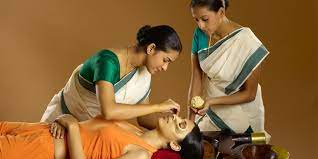
Introduction about Diploma in Ayurveda Pharmacy
The Diploma in Ayurveda Pharmacy is a specialized program designed to provide students with a comprehensive understanding of the principles and practices involved in Ayurvedic pharmacy. Rooted in the ancient wisdom of Ayurveda, this diploma aims to equip individuals with the knowledge and skills necessary to prepare, dispense, and manage Ayurvedic medicines.
Ayurveda, a traditional system of medicine originating in India, emphasizes a holistic approach to health, focusing on the balance of mind, body, and spirit. The Diploma in Ayurveda Pharmacy delves into the unique aspects of Ayurvedic pharmacology, herbal medicine preparation, and the application of traditional formulations.
Key Components of the Program:
Ayurvedic Pharmacology:
Students explore the principles of Ayurvedic pharmacology, gaining insights into the classification of herbs, minerals, and animal products used in traditional formulations.
Herbal Medicine Preparation:
The program covers the methods and techniques involved in preparing Ayurvedic medicines, including decoctions, infusions, oils, powders, and specialized formulations.
Quality Control and Standardization:
Students learn about the importance of quality control in Ayurvedic pharmacy, understanding the standards and measures involved in ensuring the efficacy and safety of herbal products.
Ayurvedic Dispensing Practices:
The diploma program includes training in dispensing Ayurvedic medicines, emphasizing the proper dosage, administration methods, and patient education.
Pharmacy Management:
Students are introduced to the management aspects of an Ayurvedic pharmacy, covering inventory control, regulatory compliance, and ethical considerations in herbal medicine dispensation.
Safety and Ethics:
The program places a strong emphasis on ethical practices and safety considerations in Ayurvedic pharmacy, ensuring that graduates adhere to the highest standards of professionalism.
Career Opportunities:
Graduates of the Diploma in Ayurveda Pharmacy are well-equipped to pursue a variety of career paths, including:
Ayurvedic Pharmacy Manager
Herbal Product Formulator
Quality Control Officer in Herbal Industries
Ayurvedic Consultant
Herbal Medicine Researcher
Regulatory Affairs Specialist in Ayurvedic Products
How can I apply for admission to Diploma in Ayurveda Pharmacy Program
Research Institutions:
Identify educational institutions or colleges that offer the Diploma in Ayurveda Pharmacy program. This information is often available on the institution's official website, in educational directories, or through direct inquiries.
Check Admission Requirements:
Review the admission requirements specified by the institutions you are interested in. These requirements may include educational qualifications, specific subjects at the secondary level, and any additional entrance exam criteria.
Prepare Necessary Documents:
Gather all the required documents, which may include:
Educational transcripts and certificates
Proof of identity
Passport-sized photographs
Letters of recommendation
Any other documents specified by the institution
Application Form:
Obtain the application form from the institution. This form is often available on the official website or can be obtained directly from the admission office.
Fill Out the Application Form:
Complete the application form accurately and make sure to provide all the necessary information. Pay attention to deadlines for submission.
Application Fee:
Some institutions may require an application fee. Ensure that you pay the fee as specified in the application guidelines.
Submit Application:
Submit the completed application form along with all the necessary documents to the admission office of the institution. This can often be done online or in person.
Entrance Exam or Interview:
Be aware that some institutions may conduct an entrance exam or interview as part of the selection process. Prepare for these assessments if they are required.
Wait for Admission Decision:
After submitting your application, wait for the institution to review your application and make an admission decision. This may take some time, so be patient.
Acceptance and Enrollment:
If you receive an acceptance letter, follow the instructions provided to confirm your acceptance and complete the enrollment process. This may involve paying tuition fees and attending an orientation session.
What is the eligibility for Diploma in Ayurveda Pharmacy
Educational Qualifications:
Applicants are typically required to have completed their 10+2 (or equivalent) from a recognized educational board. Some institutions may have specific subject requirements, such as biology or chemistry.
Minimum Percentage:
Certain institutions may specify a minimum percentage requirement in the qualifying examination (10+2). For example, a minimum of 50% in aggregate might be a common requirement.
Age Limit:
There may be an age limit for admission to the program. Some institutions may specify a minimum and maximum age for applicants.
Subject Requirements:
Some institutions may require that applicants have studied specific subjects at the 10+2 level, such as biology, chemistry, or related subjects, to ensure a foundational understanding of sciences.
Entrance Exam:
Depending on the institution, an entrance examination may be part of the admission process. The performance in this exam may be a factor in the selection of candidates.
Interview:
In addition to academic qualifications, some institutions may conduct interviews to assess an applicant's interest, motivation, and suitability for the program.
Language Proficiency:
Proficiency in the language of instruction (usually English) may be required. Some institutions may ask for proof of language proficiency through standardized tests.
Documentary Requirements:
Applicants are generally required to submit relevant documents, including educational transcripts, certificates, proof of identity, passport-sized photographs, and any other documents specified by the institution.
How long does it takes to complete a Diploma in Ayurveda Pharmacy program
The duration of a Diploma in Ayurveda Pharmacy program can vary depending on the educational institution and the specific curriculum they offer. On average, these diploma programs typically range from 1 to 2 years in duration.
The program's length may be influenced by factors such as the depth and breadth of the curriculum, the inclusion of practical training or internships, and whether the program is offered on a full-time or part-time basis. Additionally, some institutions may provide flexibility in the duration of the program to accommodate different learning schedules.
To obtain accurate and specific information about the duration of the program you are interested in, it's recommended to check the official website of the educational institution offering the Diploma in Ayurveda Pharmacy or contact the institution's admission office directly. They will be able to provide you with detailed information about the program structure, including the total duration and any other relevant details.
What are potential career opportunities after Diploma in Ayurveda Pharmacy
Ayurvedic Pharmacist:
Work in Ayurvedic pharmacies, dispensaries, or healthcare facilities, where you can dispense Ayurvedic medicines and provide guidance on their usage.
Herbal Product Formulator:
Engage in the development and formulation of herbal products, combining knowledge of Ayurvedic principles with modern manufacturing techniques.
Quality Control Officer:
Ensure the quality and purity of Ayurvedic medicines by working in quality control roles, conducting tests, and adhering to regulatory standards.
Research Assistant:
Contribute to the field of Ayurvedic medicine by working as a research assistant in laboratories or research institutions, participating in studies on herbal formulations and pharmacological effects.
Sales and Marketing in Ayurvedic Products:
Join sales and marketing teams of Ayurvedic pharmaceutical companies to promote and sell Ayurvedic products to healthcare professionals or directly to consumers.
Entrepreneurship:
Start your own Ayurvedic pharmacy or herbal product manufacturing business, offering traditional remedies to the community.
Consultant in Herbal Medicine:
Provide consultation services on Ayurvedic medicine and herbal remedies, either independently or in collaboration with healthcare facilities.
Educator in Ayurvedic Pharmacy:
Share your knowledge and expertise by becoming an educator in Ayurvedic pharmacy, teaching students in educational institutions or conducting workshops.
Regulatory Affairs Specialist:
Ensure compliance with regulations and standards related to Ayurvedic products by working in regulatory affairs roles within pharmaceutical companies.
Herbal Research and Development:
Work in research and development roles focused on creating new herbal formulations, improving existing products, and contributing to advancements in Ayurvedic pharmacy.
Health and Wellness Advisor:
Provide guidance on herbal remedies and Ayurvedic practices as a health and wellness advisor, either independently or within wellness centers.
Pharmacy Management:
Manage and oversee the operations of Ayurvedic pharmacies, ensuring the proper dispensing of medicines and adherence to quality standards.
Syllabus of Diploma in Ayurveda Pharmacy
Semester 1: Fundamentals of Ayurveda and Herbal Sciences
Introduction to Ayurveda:
History, philosophy, and basic principles of Ayurveda
Concept of Doshas, Dhatus, and Malas
Basic Anatomy and Physiology:
Overview of human anatomy and physiology
Relevance to Ayurvedic medicine
Introduction to Herbal Sciences:
Identification and classification of medicinal plants
Basic principles of herbal pharmacology
Fundamentals of Ayurvedic Pharmacy:
Introduction to Ayurvedic dosage forms
Basics of pharmaceutical preparations in Ayurveda
Semester 2: Ayurvedic Pharmacology and Formulation
Ayurvedic Pharmacology:
In-depth study of Ayurvedic pharmacological concepts
Understanding the actions and effects of Ayurvedic substances
Ayurvedic Formulation and Preparation:
Practical aspects of preparing Ayurvedic medicines
Techniques for formulating herbal medicines
Quality Control in Ayurvedic Pharmacy:
Principles of quality control and assurance
Testing methods for Ayurvedic medicines
Introduction to Pharmaceutical Sciences:
Basics of pharmaceutical chemistry and biochemistry
Pharmaceutical dosage forms and formulations
Semester 3: Herbal Medicine Dispensing and Patient Care
Herbal Dispensing Practices:
Practical training in dispensing Ayurvedic medicines
Dosage calculations and prescription interpretation
Patient Care in Ayurvedic Pharmacy:
Understanding patient needs and concerns
Counseling on the use of Ayurvedic medicines
Pharmacy Management:
Basics of pharmacy management and operations
Inventory control and regulatory compliance
Ethics in Ayurvedic Pharmacy:
Professional ethics and responsibilities in Ayurvedic pharmacy
Legal aspects and regulations
Semester 4: Specialization, Internship, and Research Project
Elective Specialization:
Choosing a specialization within Ayurvedic pharmacy
In-depth study in the chosen area
Internship and Practical Training:
Hands-on experience in Ayurvedic pharmacies or pharmaceutical industries
Exposure to real-world Ayurvedic pharmacy practices
Research Project:
Undertaking a research project related to Ayurvedic pharmacy
Conducting experiments, data analysis, and documentation
Internship opportunities after completing Diploma in Ayurveda Pharmacy
Ayurvedic Pharmacies and Dispensaries:
Internships in Ayurvedic pharmacies provide hands-on experience in dispensing Ayurvedic medicines, interacting with patients, and understanding the day-to-day operations of a pharmacy.
Herbal Product Manufacturing Companies:
Interning in companies that manufacture Ayurvedic products allows individuals to learn about the production process, quality control measures, and the formulation of herbal medicines.
Ayurvedic Wellness Centers and Clinics:
Internships in wellness centers or Ayurvedic clinics provide exposure to patient care, consultations, and the practical application of Ayurvedic pharmacy knowledge in a healthcare setting.
Pharmaceutical Research Institutions:
Research-focused internships in institutions specializing in Ayurvedic pharmaceutical research offer the chance to contribute to ongoing projects, learn research methodologies, and gain insights into advancements in the field.
Quality Control Laboratories:
Internships in quality control laboratories associated with Ayurvedic pharmacies or manufacturing units allow individuals to learn about quality assurance processes, testing methods, and compliance with regulatory standards.
Health and Wellness Consultancies:
Interning in health and wellness consultancies provides exposure to a diverse range of projects, including advising on herbal products, creating wellness programs, and contributing to holistic healthcare initiatives.
Community Health Programs:
Participating in community health programs or outreach initiatives allows interns to apply Ayurvedic pharmacy knowledge in community settings, contributing to health education and preventive care.
Educational Institutions:
Internships within the Ayurveda department of educational institutions offer the opportunity to assist in practical training sessions, workshops, and research projects.
Pharmacy Management Roles:
Internships in roles related to pharmacy management provide insights into the organizational aspects of running an Ayurvedic pharmacy, including inventory management, regulatory compliance, and customer relations.
Herbal Farms and Gardens:
Interning in herbal farms or gardens offers a practical understanding of cultivating and harvesting medicinal plants used in Ayurvedic formulations.
Corporate Wellness Programs:
Some corporations incorporate Ayurvedic principles into their wellness programs. Interns can contribute to the development and implementation of such initiatives.
Regulatory Affairs:
Internships in regulatory affairs departments of Ayurvedic pharmaceutical companies involve learning about compliance with regulatory requirements and ensuring adherence to quality standards.
Individuals pursuing internships should actively seek out opportunities aligned with their interests and career goals. Networking, contacting potential employers directly, and utilizing career services provided by educational institutions can help identify and secure valuable internship opportunities.
Scholarship and Grants for Diploma in Ayurveda Pharmacy
Ayurveda, the ancient system of medicine that originated in India, has gained global recognition for its holistic approach to health and well-being. For those aspiring to delve into the world of Ayurveda Pharmacy, pursuing a Diploma in Ayurveda Pharmacy is a commendable choice. However, financing education can be a concern for many. Fortunately, there are various scholarships and grants available to support individuals on their educational journey. Let's explore the opportunities that can make pursuing a Diploma in Ayurveda Pharmacy more accessible.
Government Scholarships
Many governments recognize the importance of traditional medicine and may offer scholarships to students pursuing studies in Ayurveda Pharmacy. These scholarships are often merit-based and can cover tuition fees, books, and sometimes even living expenses.
Institutional Scholarships
Ayurvedic institutions and colleges may provide scholarships to outstanding students or those facing financial constraints. These scholarships can significantly reduce the financial burden of pursuing a diploma.
Private Foundations and Trusts
Several private foundations and trusts are dedicated to promoting alternative medicine, including Ayurveda. They offer scholarships and grants to students who display a strong commitment to the field.
Industry Sponsorships
Pharmaceutical companies specializing in Ayurvedic products may offer sponsorships to students pursuing a Diploma in Ayurveda Pharmacy. These sponsorships can include financial support as well as opportunities for internships and future employment.
Merit-Based Scholarships
In addition to government scholarships, there are merit-based scholarships available that consider academic achievements, leadership qualities, and extracurricular activities. Students with a strong academic record in Ayurveda Pharmacy can explore these opportunities.
Research Grants
For students interested in contributing to the research aspect of Ayurveda Pharmacy, there are grants available to support research projects. These grants can fund studies that contribute to the advancement of knowledge in the field.
Community and Nonprofit Organizations
Certain community and nonprofit organizations dedicated to promoting traditional medicine may offer financial assistance to students pursuing a diploma in Ayurveda Pharmacy. These organizations often have specific criteria for eligibility.
Internship Programs with Financial Support
Some institutions and organizations provide financial support through internship programs. Students can gain practical experience while receiving financial assistance to cover their educational expenses.
State-Specific Scholarships
In some regions, there are state-specific scholarships that cater to students pursuing studies in traditional medicine, including Ayurveda Pharmacy. Exploring local scholarship opportunities is essential for eligible candidates.
Need-Based Scholarships
For students facing financial hardships, need-based scholarships are designed to provide assistance based on their financial situation. These scholarships consider the individual's financial need as a primary criterion.
Conclusion
Elevate your understanding of herbal medicine and Ayurvedic principles with a Diploma in Ayurveda Pharmacy. This comprehensive program not only imparts knowledge about traditional healing but also equips you with practical skills to contribute to the growing field of holistic healthcare. Embrace the ancient wisdom of Ayurveda and embark on a fulfilling journey toward becoming a skilled Ayurvedic pharmacist.
FAQs
Q1: What is the duration of the Diploma in Ayurveda Pharmacy program?
A1: The program typically spans 1 to 2 years, with variations among institutions. Check with the specific educational institution for precise details.
Q2: What are the career prospects after completing the diploma?
A2: Graduates can pursue careers as Ayurvedic pharmacists, herbal product formulators, quality control officers, and more. The diploma opens doors to diverse roles in herbal medicine.
Q3: Can I specialize in a particular aspect of Ayurveda Pharmacy during the program?
A3: Some programs may offer elective specializations in areas such as herbal formulation, pharmacy management, or quality control. Explore options based on your interests.
Q4: Are there practical training opportunities during the diploma program?
A4: Yes, many programs include internships and practical training, allowing students to gain hands-on experience in Ayurvedic pharmacies, herbal product manufacturing, and related settings.
How Shiksha Hub helps you in
-
 Student Counsellors
 -
 Career Counseling
 -
 Research
 -
 24/7 Support
 -
 Scholarships
 -
 Community