Posted by Admin on 02-08-2023 in Shiksha hub
Diploma in Ayurvedic Cosmetology Introduction, Admission, Registration, Eligibility, Duration, Fees, Syllabus 2024
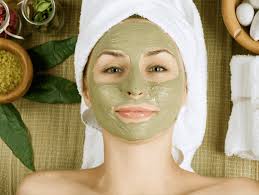
Introduction about Diploma in Ayurvedic Cosmetology
The Diploma in Ayurvedic Cosmetology is a specialized program that blends the ancient wisdom of Ayurveda with modern cosmetic practices. This diploma is designed to provide students with a comprehensive understanding of Ayurvedic principles applied to cosmetic and beauty treatments. Through a combination of theoretical knowledge and practical skills, students learn to harmonize traditional Ayurvedic concepts with contemporary cosmetology techniques.
Key Components of the Program:
Ayurvedic Principles in Cosmetology:
Introduction to the fundamental principles of Ayurveda and their application to cosmetic procedures.
Understanding the doshas (Vata, Pitta, Kapha) and their influence on skin health.
Herbal and Natural Ingredients:
Exploration of Ayurvedic herbs and natural ingredients used in cosmetic formulations.
Study of the therapeutic properties of herbs for enhancing skin and hair health.
Skin Analysis and Ayurvedic Diagnosis:
Techniques for analyzing skin types and conditions according to Ayurvedic principles.
Diagnostic methods to identify skin imbalances and recommend personalized cosmetic regimens.
Ayurvedic Cosmetic Therapies:
In-depth study of traditional Ayurvedic cosmetic therapies for skin rejuvenation and enhancement.
Hands-on training in the application of Ayurvedic cosmetic treatments.
Ayurvedic Hair Care:
Understanding Ayurvedic principles for hair care and treatment.
Application of herbal formulations for promoting healthy hair and scalp.
Aromatherapy in Ayurvedic Cosmetology:
Incorporating aromatherapy principles with Ayurvedic herbs and essential oils for cosmetic purposes.
Creating blends for therapeutic and cosmetic benefits.
Ethical and Sustainable Cosmetology Practices:
Emphasis on ethical and sustainable practices in cosmetology aligned with Ayurvedic principles.
Consideration for environmental impact and conscious consumer choices.
Career Opportunities:
Graduates of the Diploma in Ayurvedic Cosmetology can explore various career paths in the beauty and cosmetic industry, including:
Ayurvedic Cosmetologist
Cosmetic Product Formulator
Beauty Spa Consultant
Cosmetic Clinic Practitioner
Wellness Center Cosmetology Specialist
Ayurvedic Cosmetology Educator
Natural Cosmetics Entrepreneur
Beauty and Lifestyle Blogger/Influencer
How can I apply for admission to Diploma in Ayurvedic Cosmetology Program
Research Institutions:
Identify educational institutions or beauty schools that offer a Diploma in Ayurvedic Cosmetology. This information is typically available on the official websites of the institutions or through educational directories.
Check Admission Requirements:
Review the admission requirements specified by the institutions you are interested in. These requirements may include educational qualifications, specific subjects at the secondary level, and any additional entrance exam criteria.
Prepare Necessary Documents:
Gather all the required documents, which may include:
Educational transcripts and certificates
Proof of identity
Passport-sized photographs
Letters of recommendation (if required)
Any other documents specified by the institution
Application Form:
Obtain the application form from the institution. This form is often available on the official website or can be obtained directly from the admission office.
Fill Out the Application Form:
Complete the application form accurately and provide all the necessary information. Pay attention to deadlines for submission.
Application Fee:
Some institutions may require an application fee. Ensure that you pay the fee as specified in the application guidelines.
Submit Application:
Submit the completed application form along with all necessary documents to the admission office of the institution. This can often be done online or in person.
Entrance Exam or Interview:
Be aware that some institutions may conduct an entrance exam or interview as part of the selection process. Prepare for these assessments if they are required.
Wait for Admission Decision:
After submitting your application, wait for the institution to review your application and make an admission decision. This may take some time, so be patient.
Acceptance and Enrollment:
If you receive an acceptance letter, follow the instructions provided to confirm your acceptance and complete the enrollment process. This may involve paying tuition fees and attending an orientation session.
What is the eligibility for Diploma in Ayurvedic Cosmetology
Educational Qualifications:
Applicants are typically required to have completed their 10+2 (or equivalent) from a recognized educational board. Some institutions may have specific subject requirements.
Minimum Percentage:
Certain institutions may specify a minimum percentage requirement in the qualifying examination (10+2). For example, a minimum of 50% in aggregate might be a common requirement.
Age Limit:
There may be an age limit for admission to the program. Some institutions may specify a minimum and maximum age for applicants.
Subject Requirements:
Some institutions may require that applicants have studied specific subjects at the 10+2 level, such as biology, chemistry, or a related field.
Entrance Exam:
Depending on the institution, an entrance examination may be part of the admission process. The performance in this exam may be a factor in the selection of candidates.
Interview:
In addition to academic qualifications, some institutions may conduct interviews to assess an applicant's interest, motivation, and suitability for the program.
Language Proficiency:
Proficiency in the language of instruction (usually English) may be required. Some institutions may ask for proof of language proficiency through standardized tests.
Documentary Requirements:
Applicants are generally required to submit relevant documents, including educational transcripts, certificates, proof of identity, passport-sized photographs, and any other documents specified by the institution.
How long does it takes to complete a Diploma in Ayurvedic Cosmetology program
The duration of a Diploma in Ayurvedic Cosmetology program can vary depending on the educational institution and the specific curriculum they offer. On average, these diploma programs typically range from 6 months to 1 year.
The program's length may be influenced by factors such as the depth and breadth of the curriculum, the inclusion of practical training or internships, and whether the program is offered on a full-time or part-time basis. Additionally, some institutions may provide flexibility in the duration of the program to accommodate different learning schedules.
To obtain accurate and specific information about the duration of the program you are interested in, it's recommended to check the official website of the educational institution offering the Diploma in Ayurvedic Cosmetology or contact the institution's admission office directly. They will be able to provide you with detailed information about the program structure, including the total duration and any other relevant details.
What are potential career opportunities after Diploma in Ayurvedic Cosmetology
Ayurvedic Cosmetologist:
Work in beauty salons, wellness centers, or spas, providing Ayurvedic-based cosmetic treatments, skincare consultations, and personalized beauty routines.
Cosmetic Product Formulator:
Collaborate with cosmetic companies to formulate skincare products infused with Ayurvedic principles, emphasizing natural and holistic ingredients.
Beauty Spa Consultant:
Provide expertise in Ayurvedic cosmetology to spas, helping them integrate Ayurvedic beauty therapies and create a holistic spa experience.
Cosmetic Clinic Practitioner:
Join cosmetic clinics to offer Ayurvedic cosmetic treatments and consultations, focusing on natural approaches to enhance beauty.
Wellness Center Cosmetology Specialist:
Work in wellness centers specializing in Ayurvedic practices, offering a range of cosmetic therapies aligned with holistic well-being.
Ayurvedic Cosmetology Educator:
Share knowledge and expertise by becoming an instructor or educator in Ayurvedic cosmetology programs, training the next generation of professionals.
Natural Cosmetics Entrepreneur:
Start a business producing and selling Ayurvedic-inspired cosmetic products, emphasizing the use of natural and sustainable ingredients.
Beauty and Lifestyle Blogger/Influencer:
Build a career as a beauty influencer or blogger, sharing insights into Ayurvedic cosmetology practices, product reviews, and wellness tips.
Spa and Salon Management:
Pursue roles in the management of spas, salons, or wellness centers, overseeing daily operations, staff training, and quality control.
Ayurvedic Cosmetology Researcher:
Engage in research and development, exploring innovative ways to integrate Ayurvedic principles into cosmetic science.
Retail Cosmetic Sales:
Work in retail, specializing in the sales of Ayurvedic cosmetic products, providing customers with guidance on natural skincare solutions.
Health and Wellness Event Organizer:
Organize events, workshops, or seminars focused on Ayurvedic cosmetology, bringing together experts and enthusiasts in the field.
Syllabus of Diploma in Ayurvedic Cosmetology
Semester 1: Foundations of Ayurveda and Cosmetology
Introduction to Ayurveda:
History, philosophy, and basic principles of Ayurveda
Understanding doshas and their relevance to beauty
Basics of Cosmetology:
Introduction to cosmetic science and beauty principles
Skin anatomy and physiology
Herbs in Cosmetology:
Study of Ayurvedic herbs used in cosmetic formulations
Properties and uses of herbs for skin and hair care
Ayurvedic Principles in Beauty Care:
Application of Ayurvedic principles to cosmetology
Introduction to Ayurvedic beauty rituals
Semester 2: Advanced Cosmetology Techniques
Skin Analysis and Diagnosis:
Techniques for skin analysis based on Ayurvedic principles
Identifying skin imbalances and recommending personalized beauty regimens
Ayurvedic Hair Care:
Principles of Ayurvedic hair care and treatments
Herbal formulations for promoting healthy hair and scalp
Aromatherapy in Cosmetology:
Incorporating aromatherapy principles into Ayurvedic cosmetology
Creating therapeutic blends for skincare and relaxation
Ayurvedic Cosmetic Therapies:
In-depth study of traditional Ayurvedic cosmetic therapies
Hands-on training in the application of Ayurvedic cosmetic treatments
Semester 3: Practical Training and Wellness Integration
Practical Training in Ayurvedic Cosmetology:
Hands-on experience in applying Ayurvedic cosmetology techniques
Internship opportunities in beauty salons, spas, or wellness centers
Ayurvedic Diet and Nutrition for Beauty:
Understanding the role of nutrition in promoting skin health
Designing Ayurvedic diet plans for beauty and wellness
Yogic Practices for Beauty and Relaxation:
Integrating yoga and mindfulness practices into cosmetology
Stress management for overall well-being
Semester 4: Specialization and Career Development
Elective Specialization:
Choosing a specialization area within Ayurvedic cosmetology
In-depth study in the chosen specialization
Research Project:
Undertaking a research project in a specific aspect of Ayurvedic cosmetology
Data collection, analysis, and documentation
Career Development and Entrepreneurship:
Strategies for building a career in Ayurvedic cosmetology
Exploring entrepreneurship opportunities in the beauty and wellness industry
Internship opportunities after completing Diploma in Ayurvedic Cosmetology
Beauty Salons and Spas:
Interning in beauty salons and spas allows individuals to apply Ayurvedic cosmetology principles in real-world settings, offering services such as facials, skin treatments, and holistic beauty therapies.
Ayurvedic Wellness Centers:
Wellness centers specializing in Ayurveda may provide internships for individuals to gain hands-on experience in Ayurvedic cosmetology, integrating beauty treatments with overall wellness practices.
Cosmetic Clinics:
Internships in cosmetic clinics offer exposure to clinical cosmetology, allowing individuals to work with dermatologists and cosmetic practitioners in the application of Ayurvedic principles to cosmetic treatments.
Natural and Ayurvedic Product Companies:
Interning with companies that produce natural and Ayurvedic cosmetic products provides insights into product formulation, quality control, and the business side of Ayurvedic cosmetology.
Ayurvedic Pharmacies:
Internships in Ayurvedic pharmacies offer exposure to the retail aspect of Ayurvedic cosmetology, allowing individuals to interact with customers, recommend products, and understand market trends.
Spa Resorts and Retreats:
Resorts and retreats with a focus on wellness and Ayurveda often provide internship opportunities, offering a unique environment for applying Ayurvedic cosmetology practices.
Educational Institutions:
Some institutions offering Ayurvedic cosmetology programs may facilitate internships within their own setups, allowing students to assist in workshops, practical training sessions, or research projects.
Events and Workshops:
Interning with organizations that organize beauty and wellness events, workshops, or seminars provides exposure to industry networking and the opportunity to contribute to event management.
Ayurvedic Clinics:
Internships in Ayurvedic clinics specializing in beauty care allow individuals to work alongside Ayurvedic practitioners, applying cosmetology techniques within the broader context of Ayurvedic health practices.
Corporate Wellness Programs:
Interning in corporate wellness programs enables individuals to integrate Ayurvedic cosmetology principles into workplace wellness initiatives, promoting holistic well-being among employees.
Media and Publications:
Internships with beauty magazines, online platforms, or Ayurvedic publications offer opportunities to contribute content, share insights, and engage with audiences interested in Ayurvedic cosmetology.
Scholorship and grants for Diploma in Ayurvedic Cosmetology
Institutional Scholarships:
Many educational institutions offering the diploma program may have scholarship programs based on academic merit, financial need, or a combination of both. Inquire with the institution's financial aid office for available opportunities.
Government Scholarships:
Some government agencies may provide scholarships or financial aid for students pursuing courses in traditional medicine, holistic wellness, or Ayurveda. Check with relevant government departments or educational authorities for available programs.
Private Foundations and Organizations:
Explore scholarships offered by private foundations, organizations, or non-profit entities that support education in Ayurveda or holistic beauty care. These may have specific criteria related to the field of study.
Industry Associations:
Beauty and wellness industry associations may offer scholarships or grants to students pursuing education in Ayurvedic cosmetology. These organizations often aim to support the development of skilled professionals in the field.
Research Grants and Fellowships:
If the diploma program involves research components, look for research grants or fellowships that support projects related to Ayurvedic cosmetology. These opportunities may be offered by research institutions, NGOs, or foundations.
Community and Ethnic Organizations:
Some community or ethnic organizations provide scholarships to individuals from specific backgrounds or communities. Explore opportunities that align with your background or affiliations.
Corporate Sponsorships:
Beauty and wellness companies, especially those involved in Ayurvedic products, may offer sponsorships or scholarships to students pursuing education in Ayurvedic cosmetology. Check with companies in the industry for potential opportunities.
Online Scholarship Databases:
Utilize online scholarship databases and platforms that aggregate scholarship opportunities. Websites like scholarship.com, fastweb.com, or chevening.org may provide information on relevant scholarships.
Employer-Sponsored Education Assistance:
If you are currently employed, inquire about employer-sponsored education assistance programs. Some employers offer financial support for employees pursuing further education in related fields.
Professional Organizations:
Professional organizations related to Ayurvedic medicine, beauty care, or wellness may offer scholarships to students entering the field. Check with organizations that align with your career goals.
Conclusion
In conclusion, the Diploma in Ayurvedic Cosmetology opens doors to a world where beauty is not just skin-deep but reflects the harmony of mind, body, and spirit. By embracing Ayurvedic principles, graduates embark on a holistic journey, redefining beauty as a natural, sustainable, and deeply enriching experience.
FAQs
Q1: What sets Ayurvedic Cosmetology apart from conventional beauty practices?
A1: Ayurvedic Cosmetology integrates ancient Ayurvedic wisdom with modern beauty practices, emphasizing natural ingredients, holistic well-being, and personalized beauty regimens.
Q2: How long does it take to complete a Diploma in Ayurvedic Cosmetology?
A2: The program duration typically ranges from 6 months to 1 year, depending on the institution. Check with specific providers for accurate details.
Q3: Can Ayurvedic Cosmetology be applied in mainstream beauty settings?
A3: Absolutely. Graduates can seamlessly integrate Ayurvedic cosmetology practices into mainstream beauty salons, spas, and wellness centers, offering a unique blend of traditional and modern beauty care.
Q4: Are there practical training opportunities in the program?
A4: Yes, the program often includes practical sessions, internships, and hands-on training, allowing students to apply Ayurvedic cosmetology techniques in real-world scenarios.
How Shiksha Hub helps you in
-
 Student Counsellors
 -
 Career Counseling
 -
 Research
 -
 24/7 Support
 -
 Scholarships
 -
 Community