Posted by Admin on 02-08-2023 in Shiksha hub
Diploma in Beauty Culture and Hairdressing Introduction, Admission, Registration, Eligibility, Duration, Fees, Syllabus 2024
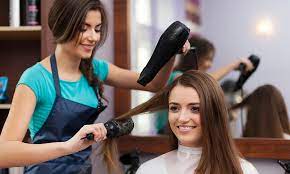
Introduction about Diploma in Beauty Culture and Hairdressing
The Diploma in Beauty Culture and Hairdressing is a comprehensive program designed to impart knowledge and skills in the fields of beauty and hairstyling. This diploma aims to equip students with the expertise needed to excel in the beauty and grooming industry. Through a combination of theoretical learning and hands-on practical training, individuals undertaking this program gain a thorough understanding of beauty techniques, skincare, and various aspects of hairdressing.
Key Components of the Program:
Foundations of Beauty Culture:
Introduction to the principles and practices of beauty culture, covering aspects such as skincare, hygiene, and client communication.
Hairdressing Techniques:
Comprehensive training in hair cutting, styling, coloring, and chemical treatments.
Learning the art of hairstyling for different occasions and client preferences.
Skincare and Aesthetics:
In-depth understanding of skincare, including facial treatments, skincare routines, and the use of cosmetic products.
Training in aesthetics, focusing on enhancing facial features through makeup techniques.
Nail Care and Artistry:
Practical knowledge of nail care, including manicures and pedicures.
Introduction to nail artistry, covering various techniques and designs.
Client Consultation and Communication:
Developing effective communication skills for client consultations.
Understanding client needs, preferences, and providing personalized beauty solutions.
Salon Management:
Basics of salon management, including hygiene standards, inventory control, and customer service.
Familiarity with the operational aspects of a beauty and hairdressing establishment.
Hygiene and Sanitation Practices:
Adherence to industry-standard hygiene and sanitation practices to ensure a safe and clean working environment.
Industry Trends and Innovations:
Keeping abreast of the latest trends, innovations, and technologies in the beauty and hairdressing industry.
Career Opportunities:
Graduates of the Diploma in Beauty Culture and Hairdressing can explore various career paths, including:
Beauty Salon Professional
Hairstylist or Hairdresser
Makeup Artist
Skincare Specialist
Nail Technician
Salon Manager
Beauty Consultant
Freelance Beauty Professional
Educator or Trainer in Beauty Institutes
How can I apply for admission to Diploma in Beauty Culture and Hairdressing Program
Research Institutions:
Identify educational institutions or beauty schools that offer a Diploma in Beauty Culture and Hairdressing. This information is often available on the official websites of the institutions or through educational directories.
Check Admission Requirements:
Review the admission requirements specified by the institutions you are interested in. These requirements may include educational qualifications, specific subjects at the secondary level, and any additional entrance exam criteria.
Prepare Necessary Documents:
Gather all the required documents, which may include:
Educational transcripts and certificates
Proof of identity
Passport-sized photographs
Letters of recommendation (if required)
Any other documents specified by the institution
Application Form:
Obtain the application form from the institution. This form is often available on the official website or can be obtained directly from the admission office.
Fill Out the Application Form:
Complete the application form accurately and provide all the necessary information. Pay attention to deadlines for submission.
Application Fee:
Some institutions may require an application fee. Ensure that you pay the fee as specified in the application guidelines.
Submit Application:
Submit the completed application form along with all necessary documents to the admission office of the institution. This can often be done online or in person.
Entrance Exam or Interview:
Be aware that some institutions may conduct an entrance exam or interview as part of the selection process. Prepare for these assessments if they are required.
Wait for Admission Decision:
After submitting your application, wait for the institution to review your application and make an admission decision. This may take some time, so be patient.
Acceptance and Enrollment:
If you receive an acceptance letter, follow the instructions provided to confirm your acceptance and complete the enrollment process. This may involve paying tuition fees and attending an orientation session.
What is the eligibility for Diploma in Beauty Culture and Hairdressing
Educational Qualifications:
Applicants are typically required to have completed their 10+2 (or equivalent) from a recognized educational board. Some institutions may have specific subject requirements.
Minimum Percentage:
Certain institutions may specify a minimum percentage requirement in the qualifying examination (10+2). For example, a minimum of 50% in aggregate might be a common requirement.
Age Limit:
There may be an age limit for admission to the program. Some institutions may specify a minimum and maximum age for applicants.
Subject Requirements:
Some institutions may require that applicants have studied specific subjects at the 10+2 level, such as biology, chemistry, or a related field.
Entrance Exam:
Depending on the institution, an entrance examination may be part of the admission process. The performance in this exam may be a factor in the selection of candidates.
Interview:
In addition to academic qualifications, some institutions may conduct interviews to assess an applicant's interest, motivation, and suitability for the program.
Language Proficiency:
Proficiency in the language of instruction (usually English) may be required. Some institutions may ask for proof of language proficiency through standardized tests.
Documentary Requirements:
Applicants are generally required to submit relevant documents, including educational transcripts, certificates, proof of identity, passport-sized photographs, and any other documents specified by the institution.
How long does it takes to complete a program Diploma in Beauty Culture and Hairdressing
The duration of a Diploma in Beauty Culture and Hairdressing program can vary depending on the educational institution and the specific curriculum they offer. On average, these diploma programs typically range from 6 months to 1 year.
The program's length may be influenced by factors such as the depth and breadth of the curriculum, the inclusion of practical training or internships, and whether the program is offered on a full-time or part-time basis. Additionally, some institutions may provide flexibility in the duration of the program to accommodate different learning schedules.
To obtain accurate and specific information about the duration of the program you are interested in, it's recommended to check the official website of the educational institution offering the Diploma in Beauty Culture and Hairdressing or contact the institution's admission office directly. They will be able to provide you with detailed information about the program structure, including the total duration and any other relevant details.
What are potential career opportunities after Diploma in Beauty Culture and Hairdressing
Beauty Salon Professional:
Work as a beauty and skincare specialist in beauty salons, providing services such as facials, waxing, and skincare treatments.
Hairstylist or Hairdresser:
Specialize in hair cutting, styling, coloring, and chemical treatments in hair salons or as a freelance hairstylist.
Makeup Artist:
Offer makeup services for various occasions, including weddings, photo shoots, and special events.
Skincare Specialist:
Focus on skincare treatments, recommending personalized skincare routines, and providing solutions for skin-related concerns.
Nail Technician:
Specialize in manicures, pedicures, and nail artistry, working in beauty salons or as a freelance nail technician.
Salon Manager:
Pursue a managerial role in a beauty salon, overseeing daily operations, staff management, and customer relations.
Beauty Consultant:
Work in retail settings, advising customers on beauty and skincare products, and promoting sales.
Freelance Beauty Professional:
Build a freelance career, offering beauty and hairstyling services to clients on an independent basis.
Educator or Trainer in Beauty Institutes:
Share expertise by becoming an instructor or trainer in beauty schools, teaching the next generation of beauty professionals.
Spa and Wellness Center Professional:
Work in spa and wellness centers, offering a range of beauty and relaxation treatments.
Fashion and Media Industry Roles:
Explore opportunities in the fashion and media industry, working on photo shoots, fashion shows, or film and television productions.
Entrepreneurship:
Start and manage your beauty salon or spa, providing a range of beauty and hairstyling services.
Syllabus of Diploma in Beauty Culture and Hairdressing
Semester 1: Foundations of Beauty Culture and Hairdressing
Introduction to Beauty Culture:
Overview of the beauty industry, historical perspectives, and evolving trends.
Basic Skincare:
Fundamentals of skincare, understanding skin types, and basic skincare routines.
Hairstyling Basics:
Introduction to basic hair cutting, styling techniques, and tools.
Client Consultation and Communication:
Developing effective communication skills, understanding client needs, and conducting consultations.
Semester 2: Advanced Hairdressing Techniques
Advanced Hair Cutting and Styling:
In-depth training in advanced hair cutting techniques and creative styling.
Hair Coloring and Chemical Treatments:
Understanding hair color theory, chemical treatments, and safety precautions.
Specialized Hairstyles:
Specialized hairstyling for occasions such as weddings, events, and fashion shows.
Introduction to Nail Care:
Basics of manicures, pedicures, and nail artistry.
Semester 3: Skincare and Aesthetics
Facial Treatments:
Advanced facial treatments, including masks, peels, and rejuvenation techniques.
Makeup Artistry:
Techniques for makeup application, understanding different makeup styles, and trends.
Body Waxing and Hair Removal:
Principles and practices of body waxing and hair removal techniques.
Aesthetics and Salon Hygiene:
Understanding salon hygiene standards, safety practices, and ethical considerations.
Semester 4: Salon Management and Career Development
Salon Management:
Basics of salon management, including inventory control, staff management, and customer service.
Entrepreneurship in Beauty Industry:
Basics of starting and managing a beauty business, including business plans and marketing strategies.
Industry Trends and Innovations:
Staying updated with the latest trends, technologies, and innovations in the beauty and hairstyling industry.
Internship and Practical Training:
Hands-on experience in a salon or beauty setting, applying learned skills in a real-world environment.
Internship opportunities after completing Diploma in Beauty Culture and Hairdressing
Beauty Salons and Spas:
Interning in beauty salons and spas allows individuals to apply the skills learned during the diploma program, gaining hands-on experience in skincare, hairstyling, and overall beauty treatments.
Hair Salons:
Internships in specialized hair salons provide an opportunity to further develop hairstyling and cutting techniques, as well as experience in hair coloring and chemical treatments.
Makeup Studios:
Interning in makeup studios allows individuals to practice makeup artistry, understand client preferences, and work on various makeup styles for different occasions.
Nail Salons:
Internships in nail salons offer hands-on experience in providing manicures, pedicures, and nail artistry, enhancing skills in nail care and design.
Aesthetic Clinics:
Interning in aesthetic clinics provides exposure to advanced skincare treatments, facial therapies, and aesthetic procedures under the guidance of professionals.
Fashion and Film Industry:
Internships in the fashion and film industry involve working on photo shoots, fashion shows, or film productions, gaining experience in creating diverse looks for different settings.
Spa Resorts and Wellness Centers:
Interning in spa resorts and wellness centers allows individuals to be part of a holistic wellness environment, offering a range of beauty and relaxation treatments.
Retail Beauty Outlets:
Internships in beauty retail outlets provide insights into product knowledge, customer interactions, and sales strategies, especially if the outlet specializes in beauty and skincare products.
Salon Management Internship:
Individuals interested in salon management can seek internships in managerial roles, learning about day-to-day operations, customer service, and staff management.
Freelance Opportunities:
Interning as a freelance beauty professional provides the chance to work independently, gaining exposure to client management, business operations, and building a freelance career.
Educational Institutions:
Some diploma programs may facilitate internships within their own setups, allowing students to assist in workshops, practical training sessions, or research projects.
Scholorship and grants for Diploma in Beauty Culture and Hairdressing
Institutional Scholarships:
Many beauty schools or educational institutions offering the diploma program may have scholarship programs based on merit, financial need, or a combination of both.
Government Scholarships:
Check with government departments or agencies that support vocational education and training. Some governments provide financial assistance or scholarships for individuals pursuing careers in the beauty and wellness industry.
Industry Associations and Foundations:
Beauty and hairstyling industry associations or foundations may offer scholarships to students entering the field. Explore opportunities provided by organizations that focus on professional development in the beauty sector.
Beauty Brands and Companies:
Some beauty product companies or salons may have scholarship programs to support individuals pursuing beauty education. Check with local salons, spas, or beauty brands for potential opportunities.
Non-Profit Organizations:
Non-profit organizations dedicated to education and vocational training may offer scholarships or grants for individuals pursuing diplomas in beauty culture and hairstyling.
Community and Civic Organizations:
Local community organizations or civic groups may provide financial assistance or scholarships to individuals pursuing vocational training in beauty and hairstyling.
Online Scholarship Databases:
Utilize online scholarship databases and platforms that aggregate scholarship opportunities. Websites like scholarship.com, fastweb.com, or chevening.org may provide information on relevant scholarships.
Financial Aid from Educational Institutions:
In addition to scholarships, some beauty schools or vocational training institutions may offer financial aid programs, grants, or installment plans to support students in covering the cost of their education.
Beauty Industry Trade Shows and Events:
Attend beauty industry trade shows and events, where some organizations may announce scholarship programs or opportunities for individuals pursuing beauty education.
Local Business Sponsorships:
Explore the possibility of local businesses, including beauty salons or wellness centers, providing sponsorships or financial support for individuals pursuing beauty education.
Conclusion
In conclusion, the journey through a Diploma in Beauty Culture and Hairdressing opens doors to a world of creativity, elegance, and professional grooming. From mastering hairstyling techniques to delving into skincare and makeup artistry, this program paves the way for a fulfilling career in the dynamic beauty industry.
FAQs
Q1: What skills can I gain from a Diploma in Beauty Culture and Hairdressing?
A1: The program equips you with skills in skincare, hairstyling, makeup artistry, and salon management, preparing you for a dynamic career in the beauty industry.
Q2: Are there internship opportunities after completing the diploma?
A2: Yes, the program often includes internships in beauty salons, spas, and other industry settings, allowing you to apply your skills in real-world scenarios.
Q3: Can I specialize in a specific area like hairstyling or skincare?
A3: Absolutely. The diploma program often provides opportunities for specialization in areas such as hairstyling, skincare, makeup artistry, or salon management.
Q4: What are the career prospects after completing the program?
A4: Graduates can pursue careers as beauty salon professionals, hairstylists, makeup artists, skincare specialists, and even explore entrepreneurial ventures in the beauty industry.
How Shiksha Hub helps you in
-
 Student Counsellors
 -
 Career Counseling
 -
 Research
 -
 24/7 Support
 -
 Scholarships
 -
 Community