Posted by Admin on 02-08-2023 in Shiksha hub
Diploma in Blood Bank Technology Introduction, Admission, Registration, Eligibility, Duration, Fees, Syllabus 2024
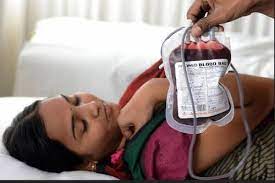
Introduction about Diploma in Blood Bank Technology
A Diploma in Blood Bank Technology is a specialized program designed to equip individuals with the knowledge and skills necessary to work in the field of blood banking. This program focuses on various aspects of handling, testing, and managing blood components to ensure their safe and effective use in medical treatments.
Students enrolled in this diploma program typically learn about the anatomy and physiology of the circulatory system, blood collection procedures, and the principles of blood typing and cross-matching. The curriculum also covers the storage and transportation of blood products, as well as quality control measures to maintain the integrity of blood supplies.
One of the key components of the diploma is understanding the importance of blood transfusions and the role of blood banks in providing compatible blood to patients in need. Students may gain practical experience in blood group serology, antibody detection, and other laboratory techniques essential for ensuring the safety of blood transfusions.
In addition to technical skills, the program often emphasizes the ethical and regulatory aspects of blood banking, including donor recruitment and screening, infectious disease testing, and compliance with relevant health and safety standards. Graduates of the Diploma in Blood Bank Technology are prepared to contribute to the efficient and secure operation of blood banks, playing a crucial role in healthcare settings to support medical procedures, surgeries, and emergency care.
How can I apply for admission to Diploma in Blood Bank Technology Program
Research Programs:
Start by researching institutions that offer a Diploma in Blood Bank Technology. Look for accredited programs that provide comprehensive training in blood bank technology.
Check Eligibility Criteria:
Review the eligibility criteria for the program. Ensure that you meet the academic and any other requirements specified by the institution.
Collect Required Documents:
Gather all the necessary documents for the application. This may include:
High school transcripts or equivalent.
Proof of any additional education or certifications.
Identification documents.
Letters of recommendation (if required).
A personal statement or statement of purpose.
Entrance Exams (if applicable):
Some institutions may require you to take entrance exams. Check if the program you're interested in has any specific entrance requirements, and prepare accordingly.
Online Application:
Visit the official website of the institution offering the program. Look for the admissions or application section.
Fill out the online application form with accurate and complete information.
Application Fee:
Pay the required application fee. This fee is typically non-refundable and covers the cost of processing your application.
Submit Application:
Submit your application before the deadline. Ensure that all required documents are attached and that the application is complete.
Wait for Admission Decision:
Once you've submitted your application, you'll need to wait for the admission committee to review it. The institution will inform you of their decision within a specified timeframe.
Financial Aid (if needed):
If you require financial aid, research scholarship opportunities or financial aid programs offered by the institution or external organizations.
Enrollment:
If you are accepted into the program, follow the instructions provided by the institution for enrollment. This may include paying tuition fees, attending orientation sessions, and completing any additional requirements.
What is the eligibility for Diploma in Blood Bank Technology
Educational Qualifications:
Typically, candidates are required to have completed their secondary education (high school) or an equivalent qualification from a recognized board or institution.
Minimum Aggregate Marks:
Many institutions specify a minimum percentage or grade that applicants must have achieved in their high school or equivalent exams. This threshold can vary, so it's important to check the specific requirements of the institution to which you are applying.
Science Background:
Some institutions may prefer or require candidates to have a background in science, particularly in subjects like biology and chemistry. A strong foundation in these subjects is often relevant to the content of the Blood Bank Technology program.
Age Limit:
There may be age restrictions for admission. Some institutions have specific age limits for diploma programs, so it's important to check whether you fall within the acceptable age range.
Entrance Exams (if applicable):
Certain institutions may conduct entrance exams to assess the academic aptitude of applicants. If an entrance exam is part of the admission process, you'll need to prepare for and successfully complete it.
Medical Fitness:
Due to the nature of the program, some institutions may require candidates to meet certain medical fitness standards. This is to ensure that students can safely participate in practical aspects of the program, including laboratory work.
English Language Proficiency (if applicable):
For international students or in programs where the medium of instruction is English, there may be requirements to demonstrate proficiency in the English language. This can be through standardized tests like TOEFL or IELTS.
How long does it takes to complete a Diploma in Blood Bank Technology program
The duration of a Diploma in Blood Bank Technology program can vary depending on the institution and the specific curriculum they offer. However, in general, these diploma programs are often designed to be completed within a period of one to two years. The duration may be influenced by factors such as the number of credits or courses required for completion, the inclusion of practical training or internships, and the overall structure of the program.
It's important to check the specific details of the program at the institution where you plan to enroll. The program duration is typically outlined in the official curriculum or program information provided by the institution. Additionally, some programs may offer part-time or flexible study options, which could extend the overall duration for students who choose a more relaxed pace of study.
If you're considering pursuing a Diploma in Blood Bank Technology, reviewing the program details on the institution's official website or contacting the admissions office directly will provide you with accurate and up-to-date information on the program duration and structure.
What are potential career opportunities after Diploma in Blood Bank Technology
Blood Bank Technician/Technologist:
Graduates can work as blood bank technicians or technologists, where they are responsible for collecting, processing, and testing blood samples. They play a crucial role in ensuring the safety and compatibility of blood for transfusions.
Laboratory Technicians:
Blood bank technology graduates may find opportunities as laboratory technicians in medical laboratories. They can be involved in a broader range of laboratory procedures, not limited to blood banking, including hematology, immunology, and clinical chemistry.
Phlebotomist:
Some individuals with a diploma in blood bank technology may pursue a career as phlebotomists, specializing in the collection of blood samples from patients. Phlebotomists play a vital role in ensuring the accuracy and integrity of blood samples for testing.
Quality Control Technician:
Quality control is crucial in blood banking. Graduates may work in quality control roles, ensuring that blood products meet the necessary safety and quality standards. This can involve monitoring processes, conducting audits, and implementing improvements.
Research Assistant:
Individuals interested in the research aspect of blood banking may work as research assistants in laboratories or healthcare institutions. They may contribute to ongoing studies related to blood transfusion, immunology, or infectious diseases.
Hospital or Clinical Laboratory Positions:
Blood bank technology graduates may secure positions in hospital or clinical laboratories, contributing to various aspects of laboratory medicine beyond blood banking, such as clinical chemistry, microbiology, or serology.
Medical Sales Representative:
Some graduates may choose to enter the field of medical sales, representing companies that produce laboratory equipment, diagnostic tools, or blood bank supplies. This role involves promoting and selling products to healthcare institutions.
Infection Control Officer:
With a focus on safety and quality control, graduates may work as infection control officers, ensuring that healthcare facilities adhere to protocols to prevent the spread of infections, especially in the context of blood products.
Healthcare Administration:
Graduates may explore administrative roles within healthcare settings, such as managing blood banks, overseeing laboratory operations, or working in regulatory compliance related to blood products.
Syllabus of Diploma in Blood Bank Technology
Semester 1:
Anatomy and Physiology:
Introduction to human anatomy and physiology, with a focus on the circulatory system and blood components.
Medical Terminology:
Building a foundation in the terminology used in healthcare and blood banking.
Introduction to Blood Banking:
Overview of the principles and practices of blood banking, including the history, ethics, and regulations.
Basic Laboratory Techniques:
Introduction to laboratory safety, equipment, and basic techniques used in blood banking.
Hematology:
Study of blood cell formation, function, and disorders.
Immunology:
Understanding the immune system and its relevance to blood transfusions.
Semester 2:
Blood Collection and Processing:
Techniques and procedures for blood collection, preservation, and processing.
Blood Group Serology:
In-depth study of blood groups, antigens, antibodies, and their significance in blood transfusions.
Blood Transfusion:
Practical aspects of blood transfusion, including compatibility testing and cross-matching.
Quality Control in Blood Banking:
Implementing and maintaining quality control measures in blood banking processes.
Clinical Chemistry:
Overview of laboratory tests related to blood chemistry.
Basic Microbiology:
Introduction to microbiological concepts relevant to blood banking.
Semester 3:
Advanced Blood Banking Techniques:
Advanced procedures in blood banking, including molecular techniques and automation.
Infectious Disease Testing:
Techniques for screening blood for infectious diseases and ensuring blood safety.
Specialized Blood Products:
Study of specialized blood products, such as plasma derivatives and cryoprecipitate.
Ethics and Regulations in Blood Banking:
Exploring ethical considerations and compliance with regulations in blood banking.
Immunohematology:
Advanced study of immune responses related to blood components.
Research Methodology:
Introduction to research methods and techniques in the context of blood banking.
Semester 4:
Internship/Practicum:
Hands-on experience in a blood bank or clinical laboratory setting.
Project Work:
Undertaking a research project or case study in blood banking.
Professional Development:
Career planning, communication skills, and professional development.
Seminar and Presentations:
Presenting research findings or relevant topics in blood banking.
Internship opportunities after completing Diploma in Blood Bank Technology
Blood Banks and Transfusion Services:
Many diploma programs include an internship component where students can work in blood banks and transfusion services. This involves hands-on experience in blood collection, processing, testing, and ensuring the safety of blood products.
Hospitals and Healthcare Institutions:
Internships can be offered in hospitals or healthcare institutions with a focus on laboratory services. This may include working in clinical laboratories, assisting in diagnostic tests, and gaining exposure to various aspects of laboratory medicine.
Research Institutions:
Individuals interested in the research aspect of blood banking may find opportunities for internships in research institutions or laboratories. This can involve contributing to ongoing studies related to blood transfusion, immunology, or infectious diseases.
Public Health Organizations:
Internships with public health organizations or agencies may focus on aspects of blood safety, infectious disease control, and public health policies related to blood banking.
Quality Control and Assurance:
Internships in quality control or assurance departments provide hands-on experience in ensuring the quality and safety of blood products. This can include monitoring processes, conducting audits, and implementing quality improvement measures.
Pharmaceutical Companies:
Some pharmaceutical companies that specialize in blood-related products or laboratory equipment may offer internships. This can provide exposure to the industry and the latest technologies in blood banking.
Infection Control Departments:
Internships in infection control departments of healthcare facilities can offer insights into the measures taken to prevent the spread of infections, especially those related to blood products.
Diagnostic Laboratories:
Internships in diagnostic laboratories, beyond blood banking, allow individuals to gain experience in a broader range of laboratory procedures, including hematology, clinical chemistry, and microbiology.
Donor Recruitment and Outreach Programs:
Internships with organizations involved in donor recruitment and outreach programs provide experience in activities such as organizing blood drives, educating the community about blood donation, and ensuring a stable blood supply.
Government Health Agencies:
Some individuals may find internship opportunities with government health agencies responsible for regulating and overseeing blood banking practices. This can provide insights into regulatory compliance and policy development.
Scholorship and grants for Diploma in Blood Bank Technology
Institutional Scholarships:
Many educational institutions offer scholarships to students based on academic merit, financial need, or a combination of both. Check with the specific institution where you plan to pursue your diploma for information on available scholarships.
Government Scholarships and Grants:
Government agencies at the national, state, or local levels may provide scholarships or grants for students pursuing healthcare-related diplomas. Explore government education departments or health ministries for potential opportunities.
Private Foundations and Organizations:
Private foundations and organizations, especially those focused on healthcare or medical education, may offer scholarships or grants for students in blood bank technology programs. Research foundations related to the healthcare sector for potential financial support.
Industry-Specific Scholarships:
Some companies and organizations in the healthcare or medical technology industry may sponsor scholarships for students pursuing diplomas in blood bank technology. Check with industry associations and corporate sponsors for potential opportunities.
Professional Associations:
Professional associations related to laboratory science, blood banking, or healthcare may offer scholarships to support the education of students entering the field. Explore associations such as the American Association of Blood Banks (AABB) or other relevant organizations.
Community and Nonprofit Organizations:
Local community organizations and nonprofit entities may provide scholarships or grants to support students in their educational pursuits. Check with community foundations or organizations with a focus on healthcare.
Ethnic or Minority Scholarships:
Some scholarships are specifically targeted at individuals from certain ethnic or minority backgrounds. Explore scholarship opportunities that align with your background or identity.
Financial Aid Programs:
Investigate general financial aid programs offered by governments or educational institutions. These programs may include grants, loans, or work-study opportunities to help support students financially.
Online Scholarship Databases:
Utilize online scholarship databases, where you can search for scholarships based on your field of study. Websites such as Fastweb, Chegg, and Scholarship.com can be valuable resources.
Employer Sponsorship:
If you are currently employed or plan to work while pursuing your diploma, inquire about employer-sponsored education programs or tuition reimbursement options.
Conclusion
In conclusion, pursuing a Diploma in Blood Bank Technology opens doors to a rewarding career in healthcare. With a strong foundation in blood collection, processing, and transfusion practices, graduates are well-equipped for roles in blood banks, clinical laboratories, and research institutions. The diverse career opportunities, coupled with available scholarships, make this program an excellent choice for those passionate about contributing to the crucial field of blood banking. Explore your educational journey, discover potential career paths, and take advantage of scholarship opportunities for a fulfilling future in Blood Bank Technology.
FAQs
What is Blood Bank Technology, and why is it essential?
Blood Bank Technology involves the collection, testing, processing, and storage of blood and blood products. It is crucial for providing safe and compatible blood transfusions in medical treatments, surgeries, and emergencies.
What are the key responsibilities of a professional in Blood Bank Technology?
Professionals in Blood Bank Technology are responsible for blood grouping and typing, conducting compatibility tests, ensuring proper storage, and maintaining accurate records to guarantee the availability of safe blood for patients in need.
What career opportunities are available after completing a Diploma in Blood Bank Technology?
Graduates can pursue careers as Blood Bank Technologists, Lab Technicians, or Quality Assurance Specialists in blood banks, hospitals, diagnostic laboratories, and healthcare organizations.
How long does it take to complete the Diploma in Blood Bank Technology?
The duration of the diploma program varies, but it typically ranges from one to two years, depending on the institution and the specific curriculum.
What subjects are covered in the curriculum of a Diploma in Blood Bank Technology?
The curriculum includes subjects such as Immunohematology, Blood Collection Techniques, Transfusion Medicine, Blood Component Separation, and Quality Control in Blood Banks.
Are there any prerequisites for enrolling in a Diploma in Blood Bank Technology program?
While specific requirements may vary, most programs require candidates to have a high school diploma or its equivalent. Some programs may also have prerequisites in biology or related sciences.
Can I pursue further studies after completing the diploma?
Yes, graduates can choose to further their education by pursuing advanced degrees or certifications in fields such as Medical Laboratory Science or Healthcare Administration.
Is practical experience a part of the program, and how does it benefit students?
Yes, many diploma programs include practical training in blood banks and laboratories. This hands-on experience prepares students for real-world scenarios, enhances their skills, and increases their employability.
What are the challenges faced by professionals in Blood Bank Technology, and how are they addressed in the program?
Challenges may include maintaining a sterile environment, ensuring accurate testing, and handling emergencies. The program addresses these challenges through rigorous training, simulations, and exposure to real-world situations.
Are there opportunities for specialization within Blood Bank Technology?
Yes, professionals can specialize in areas such as Immunohematology, Blood Transfusion, or Quality Assurance based on their interests and career goals.
How Shiksha Hub helps you in
-
 Student Counsellors
 -
 Career Counseling
 -
 Research
 -
 24/7 Support
 -
 Scholarships
 -
 Community