Posted by Admin on 15-07-2023 in Shiksha hub
Diploma In Building Design, Introduction, Admission, Registration, Eligibility, Duration, Fees, Syllabus 2024
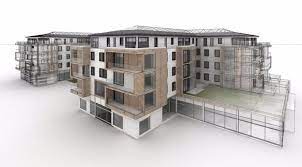
Introduction about Diploma In Building Design
If you have a passion for architecture, a keen eye for design, and the dream of creating functional, aesthetically pleasing buildings, a Diploma in Building Design could be your pathway to a rewarding career. This article will guide you through the essential aspects of pursuing a diploma in building design, covering everything from the program's structure to its benefits and career opportunities.
Why Choose a Diploma in Building Design?
A Diploma in Building Design is an excellent choice for individuals who want to explore the world of architectural design without committing to a full-fledged degree. It provides a foundation in the principles and practices of architectural drafting and design, making it an ideal starting point for aspiring architects and building designers.
Understanding the Curriculum
The curriculum of a typical Diploma in Building Design program includes both core subjects and elective courses.
Core Subjects
Architectural Drafting: This fundamental subject teaches the art of creating precise architectural drawings, essential for any building designer.
3D Modeling and Rendering: Learning to use advanced software for 3D modeling and rendering is a crucial skill in modern architectural design.
Building Codes and Regulations: Understanding local building codes and regulations is vital to designing safe and compliant structures.
Elective Courses
Students often have the option to choose from a range of elective courses based on their interests and career goals. These may include interior design, sustainable architecture, or construction management.
Career Prospects After Completing the Diploma
Upon completing a Diploma in Building Design, graduates can explore various career paths. They can work as architectural drafters, building designers, or even continue their education to become fully licensed architects. The demand for professionals in this field is steadily growing, ensuring a wide range of career opportunities.
Skills and Knowledge Gained
The program equips students with valuable skills and knowledge that are highly relevant to the industry.
Architectural Drafting
Architectural drafting involves creating detailed drawings of buildings, including floor plans, elevations, and sections. It's a fundamental skill for anyone in the building design field.
3D Modeling and Rendering
With the advancement of technology, 3D modeling and rendering have become essential skills for building designers. These tools allow for a realistic representation of architectural designs.
Building Codes and Regulations
Understanding building codes and regulations is crucial to ensure that the designed structures meet safety and legal requirements. This knowledge is a key component of a building designer's skill set.
Admission Requirements and Eligibility
The admission requirements for a Diploma in Building Design program typically include a high school diploma or equivalent. Some institutions may require a portfolio or interview as part of the application process.
Duration of the Diploma Program
Most diploma programs in building design have a duration of one to two years, depending on the institution and the specific curriculum.
Choosing the Right Institution
Selecting the right institution is crucial to your educational journey. Look for accredited programs with experienced faculty, modern facilities, and a strong track record of alumni success.
Online vs. On-Campus Programs
Consider whether you prefer the flexibility of online learning or the structure of traditional on-campus classes. Many institutions offer both options, allowing you to choose what suits your lifestyle.
Financial Considerations
Diploma programs vary in cost, so it's essential to consider your budget and explore financial aid options, scholarships, or part-time work opportunities.
Student Testimonials
Hearing from current or former students can provide valuable insights into the program's quality and the experiences it offers. Don't hesitate to reach out to students and alumni for their opinions.
Tips for Success in a Building Design Diploma Program
Stay organized and manage your time effectively.
Collaborate with fellow students on projects to gain practical experience.
Keep up with industry trends and technological advancements.
Seek guidance from professors and professionals in the field.
How can I apply for admission to Diploma In Building Design Program
To apply for admission to a Diploma in Building Design program, you'll typically need to follow these steps:
Research and Choose an Institution: Start by researching different institutions that offer Diploma in Building Design programs. Look for accredited and reputable schools that align with your educational goals and location preferences.
Review Admission Requirements: Carefully review the admission requirements for each institution. These requirements can vary, but they often include a high school diploma or equivalent. Some institutions may have additional criteria, such as submission of a portfolio or an interview.
Prepare Necessary Documents: Gather all the required documents for your application. These typically include your high school transcripts, proof of identity, and any additional materials specified in the admission requirements.
Complete the Application Form: Visit the institution's website or contact their admission office to obtain the official application form. Fill it out completely and accurately, providing all the requested information.
Write a Personal Statement: Many institutions require applicants to write a personal statement or essay. This is an opportunity to express your passion for building design and your reasons for pursuing this diploma. Be sure to proofread and edit your statement before submission.
Submit Your Application: Send your completed application form, along with all required documents and your personal statement, to the institution's admission office. Make sure to submit everything before the application deadline.
Pay Application Fees: Some institutions may charge an application fee. Ensure that you include this fee with your application, if applicable.
Interview or Portfolio Review: If the institution requires an interview or portfolio review, prepare accordingly. Be ready to discuss your interest in building design and showcase any relevant work.
Wait for Admission Decision: After submitting your application, you'll need to wait for the institution to review your materials and make an admission decision. This may take several weeks.
Acceptance and Enrollment: If you receive an acceptance letter, congratulations! Follow the instructions provided to accept the offer and complete the enrollment process. Pay attention to deadlines and any additional requirements, such as paying a deposit or attending orientation.
Financial Aid and Scholarships: Explore financial aid options, including scholarships and grants, to help finance your education. Be proactive in applying for these opportunities.
Orientation: Attend the institution's orientation program to get acquainted with the campus, faculty, and other students. This is a great opportunity to learn about the program and its expectations.
What is the eligibility for Diploma In Building Design
The eligibility criteria for a Diploma in Building Design program can vary depending on the institution offering the program. However, there are some common eligibility requirements that are typically expected. Here are the general eligibility criteria:
Educational Background: Applicants are usually required to have a high school diploma or an equivalent qualification. This ensures that candidates have a basic educational foundation before enrolling in a diploma program.
Age: While there is no specific age limit for most diploma programs in building design, applicants are generally expected to be of a certain age, usually 18 years or older. However, some institutions may admit younger students based on their academic achievements and readiness for higher education.
English Proficiency: If English is not your first language, you may need to provide proof of English proficiency through standardized tests like TOEFL or IELTS. Institutions may have specific language score requirements for admission.
Portfolio (if required): Some institutions may request a portfolio of your previous work in design or related areas. This is often required for applicants who wish to showcase their creative abilities and prior experience.
Interview (if required): In some cases, institutions may require applicants to participate in an interview as part of the admission process. This interview may be conducted in person, over the phone, or via video conference. It's an opportunity for the institution to assess your motivation and suitability for the program.
Letters of Recommendation (if required): Certain institutions might request letters of recommendation from teachers, employers, or individuals who can speak to your qualifications and potential as a building design student.
How long does it takes to complete a Diploma In Building Design program
The duration of a Diploma in Building Design program can vary depending on several factors, including the institution offering the program and the specific curriculum they have in place. However, on average, a Diploma in Building Design typically takes approximately 1 to 2 years to complete. Here are some factors that can influence the duration:
Institution: Different colleges and universities may offer programs of varying lengths. Some institutions offer accelerated diploma programs that can be completed in as little as one year, while others have more comprehensive two-year programs.
Part-Time vs. Full-Time: Many institutions offer flexible options, allowing students to choose between full-time and part-time study. Full-time programs often take one year to complete, while part-time programs may extend over two years or more, depending on the number of courses taken per semester.
Curriculum: The specific curriculum and course requirements of the program can influence the duration. Programs with a broader range of courses or additional elective options may take longer to complete.
Internship or Co-op Component: Some programs may include mandatory internships or co-op work terms. These experiential components can add time to the program's duration but provide valuable practical experience.
Prior Education or Transfer Credits: If you have completed relevant coursework or have transfer credits from prior education, you may be able to shorten the program duration. Some institutions offer credit for prior learning, which can reduce the time required to earn the diploma.
Scheduling: The scheduling of classes and the availability of courses can affect how quickly you can progress through the program. Some courses may only be offered once a year, which can impact your timeline.
What are potential career opportunities after Diploma In Building Design
After completing a Diploma in Building Design, graduates have a wide range of potential career opportunities in the field of architectural and building design. These opportunities include:
Architectural Drafter: As an architectural drafter, you'll be responsible for creating detailed technical drawings and plans based on the designs of architects and engineers. You'll use computer-aided design (CAD) software to produce accurate and precise drawings.
Building Designer: Building designers work on the planning and design of residential, commercial, or industrial buildings. They collaborate with clients to create functional and aesthetically pleasing structures while adhering to building codes and regulations.
Interior Designer: With a focus on interior spaces, interior designers plan and design the layout, materials, and furnishings of residential and commercial interiors. They ensure that spaces are both functional and visually appealing.
Construction Estimator: Construction estimators assess project costs by analyzing construction plans and specifications. They provide detailed cost estimates for labor, materials, and other project expenses.
Architectural Technician: Architectural technicians support architects and building designers by preparing drawings, conducting site surveys, and assisting in the design and construction process. They play a crucial role in project execution.
Residential Planner: Residential planners specialize in designing and planning residential properties, including homes, apartments, and housing developments. They work closely with clients to create living spaces that meet their needs and preferences.
Sustainable Design Specialist: As a sustainable design specialist, you focus on creating environmentally friendly and energy-efficient building designs. You may work on green building projects and incorporate sustainable practices and materials.
Building Inspector: Building inspectors examine construction projects to ensure compliance with building codes and regulations. They assess the quality of workmanship and safety of structures.
CAD Technician: CAD (Computer-Aided Design) technicians use specialized software to create and modify technical drawings and plans for architectural and construction projects.
Construction Project Coordinator: Project coordinators oversee various aspects of construction projects, including scheduling, budgeting, and communication among project stakeholders. They ensure that projects run smoothly and on time.
Facilities Manager: Facilities managers are responsible for the maintenance and operation of buildings and facilities. They ensure that the infrastructure and systems within a building are functioning efficiently.
Entrepreneurship: Some graduates may choose to start their own building design or interior design businesses, offering services to clients independently.
Further Education: Graduates can pursue additional education, such as a Bachelor's degree in architecture or a related field, to become fully licensed architects. This opens up even more career opportunities in the architectural field.
Syllabus of Diploma In Building Design
The syllabus of a Diploma in Building Design program can vary depending on the institution offering the program. However, I can provide a general overview of the topics you might expect to study in such a program, semester-wise:
Semester 1: Foundation Courses
Introduction to Building Design
Architectural Drafting and CAD (Computer-Aided Design)
Architectural History and Theory
Construction Materials and Methods
Building Codes and Regulations
Technical Drawing and Blueprint Reading
Semester 2: Design Fundamentals
Architectural Design Principles
Site Analysis and Planning
Residential Building Design
Commercial Building Design
Sustainability in Building Design
Building Services and Systems
Semester 3: Advanced Design and Technology
3D Modeling and Rendering
Interior Design Concepts
Structural Systems and Analysis
HVAC (Heating, Ventilation, and Air Conditioning) Systems
Lighting and Acoustics in Design
Building Information Modeling (BIM)
Semester 4: Specializations and Electives
Elective Courses (e.g., Landscape Design, Urban Planning, Building Science)
Building Design Software Applications
Construction Estimating and Cost Control
Legal and Ethical Issues in Building Design
Building Inspections and Quality Control
Semester 5: Practical Training or Internship
Internship with a design firm or construction company to gain real-world experience in building design.
Semester 6: Capstone Project and Portfolio Development
Capstone Project: A comprehensive design project that showcases the skills and knowledge gained during the program.
Portfolio Development: Preparing a professional portfolio of your best design work to present to potential employers or clients.
Internship opportunities after completing Diploma In Building Design
Completing a Diploma in Building Design opens up various internship opportunities that can provide valuable real-world experience and help you kickstart your career in the field. Here are some internship opportunities you can explore after completing your diploma:
Architectural Firms: Many architectural firms offer internships for building design graduates. These internships may involve working on real projects, creating design concepts, assisting with drafting, and collaborating with experienced architects and designers.
Construction Companies: Construction companies often hire interns with building design knowledge to assist in project management, site supervision, and quality control. This experience provides insights into the practical aspects of building design.
Engineering Firms: Engineering firms sometimes offer internships that focus on the technical aspects of building design, such as structural engineering and systems integration. This can be an excellent opportunity to gain expertise in specific areas of building design.
Interior Design Studios: If you have an interest in interior design, consider interning at an interior design studio. You can work on interior spaces, create design concepts, and gain experience in materials and furnishings selection.
Government Agencies: Some government departments responsible for urban planning and development offer internships. This can provide insights into how building design contributes to city planning and development regulations.
Sustainability and Green Building Organizations: Interning with organizations focused on sustainable and green building practices allows you to work on environmentally friendly design projects and learn about energy-efficient construction methods.
Real Estate Development Companies: Real estate development companies may offer internships that involve creating design concepts for residential and commercial properties. This experience can be valuable for those interested in property development.
Construction Estimating and Project Management: Interning with a construction estimating or project management firm can provide insights into the financial and logistical aspects of building design and construction.
Building Inspection Agencies: Working as an intern with building inspection agencies can help you understand the compliance and regulatory aspects of building design. You may participate in inspections and assessments.
Custom Home Builders: Small custom home builders often hire interns to assist in the design and construction of unique residential properties. This can be an excellent opportunity to work on individualized projects.
Scholorship and grants for Diploma In Building Design
Scholarships and grants are available to support students pursuing a Diploma in Building Design or related programs. These financial aid options can help offset the cost of tuition, books, and other educational expenses. Here are some scholarships and grants that you can explore:
Institutional Scholarships: Many colleges and universities offer scholarships specifically for students enrolled in building design or architecture programs. Check with the institution you plan to attend for information on available scholarships.
Government Grants: In some countries, government grants are available to support students pursuing higher education in design and architecture. These grants may be need-based or merit-based, and eligibility criteria vary by region.
Professional Associations: Organizations like the American Institute of Architects (AIA) and the American Society of Interior Designers (ASID) offer scholarships to students in the field of architecture and design. These scholarships often have specific eligibility requirements and application deadlines.
Private Foundations: Many private foundations and trusts provide scholarships and grants to students pursuing degrees in design and architecture. Research foundations related to your field and check for available opportunities.
Industry-Related Scholarships: Some companies and industry organizations in the construction and design sectors offer scholarships to students pursuing building design programs. These scholarships may require you to have an interest in a specific aspect of the industry, such as sustainable design or technology integration.
Community and Local Scholarships: Local organizations, community foundations, and businesses may offer scholarships to students from their area. These scholarships can be an excellent source of financial support.
Merit-Based Scholarships: These scholarships are awarded to students based on academic achievement, leadership, or other exceptional qualities. Be sure to maintain a strong academic record to be eligible for merit-based scholarships.
Need-Based Scholarships: Scholarships based on financial need are often awarded to students who demonstrate financial hardship. To be considered, you typically need to complete the Free Application for Federal Student Aid (FAFSA) or the equivalent in your country.
Minority Scholarships: Some scholarships are specifically designed to support minority students in the field of architecture and design. These aim to promote diversity in the profession.
Online Scholarship Search Engines: There are various online scholarship search engines, such as Fastweb, Scholarships.com, and Cappex, that allow you to search for scholarships based on your field of study and other criteria.
Conclusion
In conclusion, a Diploma in Building Design is an excellent choice for individuals passionate about architectural design. It provides a solid foundation, valuable skills, and numerous career opportunities in the dynamic field of building design.
FAQ Diploma In Building Design
What is a Diploma in Building Design?
A Diploma in Building Design is a specialized educational program that provides students with the knowledge and skills needed to create architectural designs for residential, commercial, and industrial buildings.
How long does it take to complete a Diploma in Building Design?
The duration of a diploma program can vary, but it typically takes around 1 to 2 years to complete. Some programs may offer part-time options that can extend the duration.
What are the career prospects after completing a Diploma in Building Design?
Graduates can pursue careers as architectural drafters, building designers, interior designers, construction estimators, and more. They can work in architectural firms, construction companies, or even start their own design businesses.
Can I become a licensed architect with a Diploma in Building Design?
A diploma can be a starting point, but to become a licensed architect, further education and experience are usually required. Graduates can choose to continue their education and work towards becoming a licensed architect.
What are the admission requirements for a Diploma in Building Design program?
Admission requirements typically include a high school diploma or equivalent. Some institutions may require additional materials like a portfolio or an interview.
Can I specialize in a specific area of building design during the program?
Yes, many programs offer elective courses that allow students to focus on specific areas, such as sustainable design, interior design, or urban planning.
Are online diploma programs in building design as effective as on-campus programs?
Online programs can be just as effective, but the choice depends on your personal preferences and circumstances. Both online and on-campus programs can provide quality education.
What software is typically used in building design programs?
Commonly used software includes AutoCAD, SketchUp, Revit, and other computer-aided design (CAD) and 3D modeling tools.
Are there any scholarships or financial aid options for students pursuing a Diploma in Building Design?
Yes, there are scholarships, grants, and financial aid options available to support students pursuing this field. Students can explore institutional scholarships, government grants, industry-related scholarships, and more.
What should I include in my portfolio for admission to a building design program?
A portfolio should showcase your best design work, including drawings, sketches, and any design projects you've worked on. Be sure to highlight your creativity, attention to detail, and problem-solving skills.
How Shiksha Hub helps you in
-
 Student Counsellors
 -
 Career Counseling
 -
 Research
 -
 24/7 Support
 -
 Scholarships
 -
 Community