Posted by Admin on 02-08-2023 in Shiksha hub
Diploma in Cabin Crew Management Introduction, Admission, Registration, Eligibility, Duration, Fees, Syllabus 2024
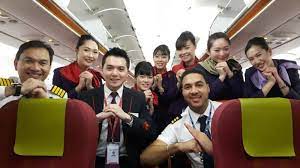
Introduction about Diploma in Cabin Crew Management
In the dynamic world of aviation, the role of cabin crew members goes beyond serving meals and ensuring passenger comfort. With an increasing emphasis on safety, hospitality, and efficiency, the demand for well-trained professionals in cabin crew management has surged. A Diploma in Cabin Crew Management serves as a gateway to this exhilarating career path, equipping individuals with a blend of theoretical knowledge and practical skills vital for success in the aviation industry.
What is a Diploma in Cabin Crew Management?
A Diploma in Cabin Crew Management is a comprehensive program designed to groom individuals aspiring to join the airline industry. It encompasses an array of subjects ranging from aviation regulations and safety protocols to customer service and crisis management. Students delve into modules that cover emergency procedures, first aid, communication skills, and the intricacies of in-flight service.
Career Opportunities
Graduates of this diploma program find themselves well-positioned for roles not only within airlines but also in related sectors such as event management, hospitality, and tourism. Airlines are the primary employers, offering opportunities to work as flight attendants, cabin crew supervisors, or even in administrative positions within the aviation sector.
Skills Developed
The curriculum of a Diploma in Cabin Crew Management focuses on honing communication skills, conflict resolution abilities, and the capacity to remain composed under pressure. Students also receive comprehensive training in safety protocols, including evacuation procedures and handling medical emergencies.
Admission Criteria
Typically, admission into a Diploma in Cabin Crew Management requires a high school diploma or its equivalent. Some institutions may have additional requirements, such as language proficiency tests or physical fitness assessments.
Training and Practical Experience
One of the standout features of this diploma program is its emphasis on practical training. Students engage in simulated scenarios, replicating real-life situations encountered during flights. Additionally, internships and hands-on experiences provide invaluable insights into the day-to-day workings of the industry.
Benefits of Pursuing this Diploma
Beyond the technical skills acquired, this diploma offers personal growth opportunities. It nurtures confidence, adaptability, and cultural sensitivity, traits crucial for excelling in a diverse and demanding industry.
Challenges and Demands
While the allure of the skies is undeniable, a career in cabin crew management comes with its challenges. Long and irregular working hours, jet lag, and the responsibility for passengers' safety require individuals to be resilient and dedicated.
Global Relevance and Accreditation
A reputable diploma program in cabin crew management holds international recognition, ensuring that graduates meet industry standards worldwide. Accreditation by aviation authorities further solidifies the program's credibility.
Costs and Duration
The duration of the program typically ranges from six months to a year, varying based on the institution and curriculum. Costs can vary significantly, with factors such as location and facilities impacting tuition fees.
Testimonials and Success Stories
Numerous success stories narrate the journey of graduates from the classroom to the skies. Their experiences highlight the transformative impact of this diploma, showcasing achievements and milestones within the aviation industry.
Future Trends and Innovations
The industry continually evolves, embracing technology and redefining roles within cabin crew management. From implementing advanced in-flight entertainment systems to adopting eco-friendly practices, professionals in this field witness ongoing innovations.
Advice for Prospective Students
Prospective students are advised to research institutions thoroughly, seek mentorship from industry professionals, and prepare themselves for the demands of the profession. Dedication, passion, and a customer-centric approach are crucial attributes.
Impact of COVID-19 on the Industry
The aviation industry witnessed unprecedented challenges due to the global pandemic. However, resilience and adaptation became key, with the industry swiftly implementing safety measures to ensure passenger and crew well-being. The future outlook remains optimistic, with gradual recovery and adaptability to new norms.
How can I apply for admission to Diploma in Cabin Crew Management Program
Research Institutions: Begin by researching institutions offering this diploma. Look for accredited programs that align with your preferences, such as location, duration, and curriculum.
Check Admission Requirements: Review the admission criteria of each institution. Generally, it involves having a high school diploma or its equivalent. Some programs might require language proficiency tests or physical fitness assessments.
Prepare Necessary Documents: Gather required documents, such as transcripts, certificates, identification proofs, and any additional documents specified by the institution.
Fill out Application Forms: Complete the application form accurately and thoroughly. Provide all necessary information and ensure that you meet the deadlines for submission.
Write a Personal Statement: Some institutions may require a personal statement or essay outlining your interest in the program and your aspirations in the aviation industry. Tailor this statement to reflect your passion and suitability for cabin crew management.
Letters of Recommendation: Some programs may ask for letters of recommendation from teachers, employers, or mentors. Request these well in advance to ensure timely submission.
Submit Application: Submit your application along with the required documents and application fee, if applicable, before the deadline.
Prepare for Interviews: Some institutions conduct interviews as part of the selection process. If invited, prepare for these interviews by researching the program, practicing common interview questions, and showcasing your enthusiasm for the field.
Follow Up: After submitting your application, stay in touch with the admissions office. Follow up to confirm that they have received all your documents and to inquire about the status of your application.
Financial Planning: Consider the costs involved in pursuing the diploma. Explore financial aid options, scholarships, or payment plans offered by the institution.
What is the eligibility for Diploma in Cabin Crew Management
Educational Qualifications: Most programs require a high school diploma or its equivalent as a minimum educational requirement. Some institutions may accept applicants with specific certifications or qualifications in related fields.
Language Proficiency: Proficiency in English is often necessary due to the international nature of the aviation industry. Some programs might require candidates to demonstrate proficiency through standardized tests like IELTS or TOEFL.
Age Requirements: While there might not be strict age limits, some programs may have age criteria or preferences. These can vary among institutions.
Physical Fitness: As a career in cabin crew management involves physical tasks and responsibilities, applicants might need to meet certain health and fitness standards. However, specific requirements can differ by institution.
Other Criteria: Depending on the program, institutions may have additional criteria or preferences such as good communication skills, customer service orientation, and a professional demeanor.
How long does it takes to complete a Diploma in Cabin Crew Management program
The duration of a Diploma in Cabin Crew Management program typically ranges from six months to a year, though this can vary based on the institution offering the program and its specific curriculum.
Some programs might be more intensive and cover the required coursework within a shorter period, such as six months, while others might spread the curriculum over a year to provide a more comprehensive learning experience.
The duration can also be influenced by factors like the institution's teaching methodology, practical training components, internships, and the depth of the curriculum in covering various aspects of cabin crew responsibilities, safety protocols, customer service, and aviation regulations.
What are potential career opportunities after Diploma in Cabin Crew Management
Flight Attendant/Cabin Crew: The most common career path is working as a flight attendant or cabin crew member for airlines. This role involves ensuring passenger safety, delivering excellent customer service, and managing in-flight operations.
Cabin Crew Supervisor/Manager: With experience, graduates can progress to supervisory or managerial positions within cabin crew management, overseeing teams and ensuring efficient operations on flights.
Airport Ground Staff: Opportunities exist to work in airport operations, including roles in ground handling, passenger services, or airline administration, utilizing skills in customer service and aviation management.
Corporate Aviation: Some graduates transition to corporate aviation, serving as cabin crew for private jets, corporate flights, or charter companies catering to executives and VIPs.
Travel and Tourism: The diploma provides a foundation for roles in travel agencies, tour operations, or tourism management, leveraging customer service and industry knowledge.
Event Management: Skills gained in communication, coordination, and customer service can be applied in event management roles, especially in organizing large-scale events or conferences.
Hospitality Industry: Graduates can explore roles in the hospitality sector, such as working in luxury hotels, resorts, or cruise ships that value service-oriented professionals.
Customer Service Management: The diploma equips individuals with excellent customer service skills applicable across various industries, making them suitable for roles in customer service management.
Training and Education: Some graduates pursue careers in training future cabin crew members, working as instructors in aviation schools or training academies.
Aviation Administration: Opportunities exist in administrative roles within aviation companies, dealing with operations, logistics, or regulatory compliance.
Syllabus of Diploma in Cabin Crew Management
Semester 1:
Introduction to Aviation Industry:
Overview of the aviation sector
Historical perspective and evolution
Cabin Crew Roles and Responsibilities:
Duties and responsibilities of cabin crew members
Safety and emergency procedures
Aviation Regulations and Standards:
Understanding aviation laws and regulations
Compliance with industry standards
Customer Service Skills:
Principles of effective customer service
Interpersonal communication techniques
First Aid and Emergency Response:
Basic first aid procedures
Handling medical emergencies on board
Semester 2:
In-Flight Service and Hospitality:
Service protocols and standards
Catering to passenger needs
Communication and Interpersonal Skills:
Advanced communication techniques
Conflict resolution and team dynamics
Cultural Sensitivity and Diversity Training:
Understanding diverse cultures and customs
Handling cultural differences professionally
Crisis Management and Security Procedures:
Handling crises and emergencies on flights
Security protocols and measures
Internship/Practical Training:
Practical application of learned skills
Hands-on experience in simulated or real-world settings
Semester 3:
Advanced Safety and Evacuation Procedures:
Advanced safety protocols and drills
Evacuation procedures in different scenarios
Leadership and Team Management:
Leadership skills in cabin crew management
Team dynamics and effective leadership strategies
Specialized Services and Passenger Care:
Specialized services for different passenger needs
Passengers with disabilities or special requirements
Cabin Crew Health and Well-being:
Health and wellness for cabin crew members
Coping with stress and maintaining well-being
Industry Internship or Capstone Project:
Extended practical experience or project work
Application of acquired knowledge in a real-world setting
Internship opportunities after completing Diploma in Cabin Crew Management
Airlines: Many airlines offer internships for cabin crew positions, allowing recent graduates to gain practical experience in a real-flight environment. These internships might focus on shadowing experienced crew members, understanding in-flight operations, and familiarizing oneself with safety protocols.
Aviation Training Institutes: Institutions specializing in aviation training often provide internship programs where graduates can assist in training sessions, simulations, or workshops for aspiring cabin crew members. This offers insights into the educational aspect of cabin crew management.
Travel and Tourism Companies: Internships in travel agencies, tour operators, or tourism management firms allow graduates to apply their cabin crew management skills in different contexts, such as customer service, tour organization, and hospitality.
Event Management Companies: Some graduates may find internships in event management companies, especially those handling large-scale events, conferences, or exhibitions. This allows them to utilize their skills in coordination, communication, and customer service.
Hospitality Sector: Internships in hotels, resorts, or cruise ships provide opportunities to work in roles closely related to cabin crew management. Graduates can apply their customer service skills in a hospitality setting.
Corporate Aviation: Internships with companies dealing with corporate flights or private jets offer experiences in serving high-profile clients, understanding the requirements of corporate travelers, and managing exclusive services.
Airports and Ground Handling Services: Internships in airport operations or ground handling services expose graduates to ground-based aviation operations, including passenger handling, ground services, and logistics.
Customer Service and Retail: Some graduates might explore internships in sectors emphasizing customer service and retail, such as luxury brands or high-end retail outlets, leveraging their service-oriented skills.
Scholarship and grants for Diploma in Cabin Crew Management
Institutional Scholarships: Many institutions offering the diploma might have their scholarship programs based on academic merit, financial need, or specific criteria. These scholarships can cover tuition fees or provide financial aid.
Government Scholarships: Some governments offer scholarships or grants for students pursuing careers in the aviation industry. These can be merit-based or aimed at supporting individuals in specific fields like aviation management or cabin crew training.
Industry-sponsored Scholarships: Airlines or aviation-related companies sometimes offer scholarships to aspiring cabin crew members. These scholarships might be linked to future employment with the sponsoring company.
Nonprofit Organizations and Foundations: Various organizations, particularly those focused on education or aviation, provide scholarships or grants for students pursuing studies in cabin crew management. These opportunities often have specific eligibility criteria.
Financial Aid Programs: Some institutions have financial aid programs or bursaries to assist students who face financial challenges in covering tuition fees. These programs might be need-based or merit-based.
Internship Programs with Funding: Certain internships in the aviation industry might come with stipends or financial support, enabling students to gain practical experience while receiving financial assistance.
Employer Sponsorship or Assistance: Individuals already working in the aviation sector might receive employer-sponsored education programs or financial support to pursue further education in cabin crew management.
Online Scholarship Databases: Several online platforms list available scholarships and grants based on various criteria. Students can explore these databases to find relevant opportunities.
Conclusion
A Diploma in Cabin Crew Management opens doors to a vibrant and dynamic career in the aviation sector. Beyond the technical expertise, it nurtures individuals into adaptable and resourceful professionals, ready to navigate the skies with finesse and assurance.
FAQs
Is a Diploma in Cabin Crew Management necessary to become a flight attendant?
While not always mandatory, a diploma in this field provides valuable training, enhancing your skills and competitiveness in the industry.
What subjects are typically covered in a Cabin Crew Management program?
Subjects usually include aviation regulations, safety procedures, customer service, emergency response, and cultural sensitivity training.
What are the career prospects after completing this diploma?
Graduates can pursue roles as flight attendants, cabin crew supervisors, airport ground staff, or explore opportunities in hospitality, tourism, and event management.
Are there age restrictions for joining a Cabin Crew Management program?
Age criteria can vary among institutions, but many programs accept candidates over 18 years old.
What skills are essential for success in this field?
Strong communication, problem-solving, teamwork, adaptability, and a service-oriented approach are crucial.
Do I need prior experience in the aviation industry to enroll in this program?
No prior experience is typically required, but a passion for aviation and customer service is beneficial.
What is the duration of the diploma program, and is it recognized globally?
Program lengths vary from six months to a year, and reputable programs often have international recognition.
Are there any physical requirements for becoming a cabin crew member?
While there are no specific physical requirements for the diploma, some airlines may have their own criteria for cabin crew positions.
Can this diploma lead to career advancement within the aviation industry?
Yes, it can. Graduates can progress to managerial positions or explore diverse roles within the aviation sector.
How can I prepare for a successful career in cabin crew management?
Stay updated on industry trends, polish your communication skills, stay customer-focused, and be open to continuous learning and adaptation.
How Shiksha Hub helps you in
-
 Student Counsellors
 -
 Career Counseling
 -
 Research
 -
 24/7 Support
 -
 Scholarships
 -
 Community