Posted by Admin on 25-09-2023 in Shiksha hub
Diploma In Computer Graphics Introduction, Admission, Registration, Eligibility, Duration, Fees, Syllabus 2024
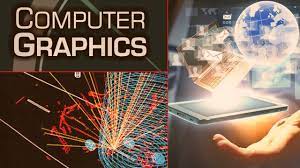
Introduction about DIPLOMA IN COMPUTER GRAPHICS:
Diploma in Computer Graphics, a realm where art and technology converge, has become an exciting field that is continuously evolving. It offers a wide range of opportunities for individuals with a creative flair and a passion for technology. In this article, we will delve into the world of computer graphics, exploring its significance, history, types, applications, and the educational path through a Diploma in Computer Graphics.
Understanding the Significance of Computer Graphics
Computer graphics have become an integral part of our daily lives. From the websites we browse to the movies we watch, computer graphics play a crucial role in enhancing our visual experiences. They are used in advertisements, video games, medical imaging, architectural design, and more. Computer graphics are not just about creating visually appealing content; they also serve practical purposes, such as data visualization and simulation.
History and Evolution of Computer Graphics
The history of computer graphics dates back to the mid-20th century. It has come a long way from the rudimentary graphics of early computers to the highly realistic and interactive visuals we see today. The evolution of hardware and software has been a driving force in the growth of computer graphics.
Diving into the Basics: What is Computer Graphics?
At its core, computer graphics is the art of creating, manipulating, and displaying visual content using computers. It involves the generation of images, animations, and videos through the use of algorithms and mathematical representations. Computer graphics are divided into two primary categories: raster graphics and vector graphics.
Different Types of Computer Graphics
Raster Graphics
Raster graphics are composed of pixels, which are tiny dots that make up an image. Common file formats for raster graphics include JPEG, PNG, and GIF. Raster graphics are suitable for photographs and images with complex detail.
Vector Graphics
Vector graphics, on the other hand, use mathematical equations to define shapes and lines. They are ideal for images that require scalability without losing quality. Popular file formats for vector graphics include SVG and AI.
Tools and Software Used in Computer Graphics
A significant part of a graphic designer's toolkit consists of software. Tools like Adobe Photoshop, Illustrator, CorelDRAW, and Blender are widely used to create stunning visual content. These software applications provide a platform for artists to express their creativity.
Applications of Computer Graphics
The applications of computer graphics are diverse and encompass various fields. Graphic designers create stunning visual elements for websites, advertisements, and packaging. In the gaming industry, computer graphics are used to craft immersive and realistic gaming environments. Medical professionals rely on computer graphics for tasks such as 3D modeling of organs and surgical simulations.
Career Opportunities in Computer Graphics
The field of computer graphics offers a plethora of career options. Graphic designers, 3D modelers, animators, and multimedia artists are in high demand across industries. Additionally, the rise of e-learning and digital marketing has created new avenues for graphic designers.
The Importance of Formal Education
While creativity and talent play a vital role in graphic design, formal education can provide a structured foundation for aspiring designers. A Diploma in Computer Graphics program equips students with the necessary skills, knowledge, and industry insights to excel in this field.
Enrolling in a Diploma in Computer Graphics Program
Enrolling in a Diploma in Computer Graphics program is the first step towards a rewarding career in this dynamic field. These programs are offered by various institutions and typically have a duration of one to two years.
What to Expect from a Typical Curriculum
The curriculum of a Diploma in Computer Graphics program is carefully designed to cover various aspects of the field. Students can expect to learn about graphic design principles, digital illustration, 3D modeling, animation, and the use of graphic design software.
Skills and Knowledge Gained during the Program
Throughout the program, students acquire skills in image editing, layout design, typography, color theory, and visual storytelling. They also gain a deep understanding of the design process and industry standards.
The Growing Demand for Computer Graphics Professionals
The demand for computer graphics professionals continues to grow, driven by the ever-increasing need for digital content. As businesses and organizations strive to establish a strong online presence, the role of graphic designers becomes indispensable.
Success Stories and Case Studies
To inspire aspiring graphic designers, this section will include success stories and case studies of individuals who have pursued a Diploma in Computer Graphics and achieved remarkable success in their careers.
How can I apply for admission to DIPLOMA IN COMPUTER GRAPHICS:
To apply for admission to a Diploma in Computer Graphics program, you need to follow a series of steps, which may vary depending on the institution offering the program. Here's a general guideline on how to get started:
Research and Choose an Institution:
Start by researching and identifying institutions that offer Diploma in Computer Graphics programs. Look for colleges, universities, or online institutions that are known for their quality education in this field.
Check Admission Requirements:
Review the admission requirements of the institution you're interested in. These requirements typically include academic qualifications, such as a high school diploma or equivalent. Some programs may also have prerequisites related to computer skills or prior coursework in art and design.
Prepare Your Documents:
Gather all the required documents, which may include:
Transcripts: High school or previous college transcripts to prove your academic background.
Portfolio: Some programs may ask for a portfolio of your previous art or design work to assess your creative abilities.
Letters of Recommendation: Certain institutions may require recommendation letters from teachers, mentors, or employers.
Resume: A resume highlighting your relevant experiences can be beneficial.
Application Form:
Fill out the institution's application form. This can typically be done online through the institution's website. Be sure to provide accurate and complete information.
Application Fee:
Many institutions charge an application fee. Make sure to pay this fee as part of your application process.
Write a Personal Statement:
Some institutions might require you to write a personal statement explaining your interest in the Diploma in Computer Graphics program. Be sure to showcase your enthusiasm and motivation.
Submit Your Application:
After completing the application form and attaching all necessary documents, submit your application before the specified deadline. Keep copies of all submitted documents for your records.
Interview (if required):
In some cases, you may be invited for an interview, especially if the program is highly competitive. Prepare for the interview by researching the program and showcasing your passion for computer graphics.
Financial Aid and Scholarships:
Explore financial aid options, scholarships, and grants that may be available to you. Many institutions offer financial assistance to deserving students.
Wait for a Response:
After submitting your application, you'll need to wait for the admission committee's decision. This can take a few weeks to a couple of months.
Acceptance and Enrollment:
If you receive an acceptance letter, follow the instructions for enrollment. You may need to pay a deposit to secure your spot in the program.
Attend Orientation:
Once enrolled, attend any orientation sessions offered by the institution to get familiar with the program, faculty, and campus facilities.
Remember that specific admission requirements and procedures may differ from one institution to another, so it's crucial to check with the school you're interested in for the most accurate and up-to-date information. Good luck with your application for a Diploma in Computer Graphics!
What is the eligibility for DIPLOMA IN COMPUTER GRAPHICS:
Eligibility requirements for a Diploma in Computer Graphics may vary from one institution to another. However, I can provide a general overview of the typical eligibility criteria that many institutions require for admission to such programs:
Educational Background:
High School Diploma or Equivalent: Most Diploma in Computer Graphics programs require applicants to have a high school diploma or its equivalent. This serves as the minimum educational qualification.
Prerequisite Courses:
Some institutions may specify prerequisite courses or coursework in specific subjects. These prerequisites may include mathematics, computer science, or art-related subjects. Be sure to check with the specific program to see if any prerequisites apply.
Computer Skills:
Given the nature of computer graphics programs, basic computer skills are often expected. Familiarity with computer operating systems, software applications, and general digital literacy can be advantageous.
Portfolio (if applicable):
Certain programs may request a portfolio of your previous art or design work. This is especially common for more creative and art-focused computer graphics programs. Your portfolio showcases your artistic abilities and creativity.
English Language Proficiency (for Non-Native English Speakers):
If you are not a native English speaker, you may be required to demonstrate proficiency in the English language. This can typically be achieved by providing standardized test scores like TOEFL or IELTS.
Letters of Recommendation (if required):
Some institutions might ask for letters of recommendation from teachers, mentors, or employers. These letters can provide insight into your character and potential as a student.
Entrance Exam (if required):
In some cases, institutions may conduct entrance exams to assess your knowledge and skills in relevant areas. These exams may include subjects like mathematics, computer science, or art.
It's important to note that each institution may have its specific admission criteria and requirements. Therefore, it's essential to visit the official website of the institution you're interested in or contact their admissions office to get precise information on eligibility criteria, admission procedures, and any additional requirements.
Before applying, make sure to carefully review the admission guidelines and ensure that you meet all the necessary eligibility criteria. If you have any doubts or questions, reach out to the admissions department for clarification.
How long does it takes to complete a DIPLOMA IN COMPUTER GRAPHICS:
The duration of a Diploma in Computer Graphics program can vary depending on the institution and the specific curriculum they offer. However, in general, these programs typically last for a relatively short period compared to a traditional bachelor's degree. Here are some common duration options:
One-Year Diploma Program:
Many institutions offer Diploma in Computer Graphics programs with a duration of approximately one year. These programs are often quite intensive, covering the essential skills and knowledge needed for a career in computer graphics within a relatively short timeframe.
Two-Year Diploma Program:
Some institutions may provide a more comprehensive two-year program, which allows students to delve deeper into computer graphics concepts and acquire a more extensive skill set. These programs may include additional coursework and more hands-on training.
Varied Program Lengths:
It's important to note that program lengths can vary significantly between institutions. While one year and two years are common options, there can be shorter or longer programs available as well. Some institutions may offer part-time or online programs, which can have a more flexible schedule and, as a result, a varied duration.
When deciding which program to pursue, consider your own goals, the specific curriculum offered by the institution, and the depth of knowledge and skills you wish to acquire. Shorter programs may be suitable for those looking to enter the workforce quickly, while longer programs can provide a more comprehensive education in computer graphics.
To get accurate and up-to-date information about the duration of Diploma in Computer Graphics programs, it's recommended to visit the websites of the institutions you're interested in or contact their admissions department for program-specific details.
What are potential career opportunities after DIPLOMA IN COMPUTER GRAPHICS:
Earning a Diploma in Computer Graphics can open up a variety of career opportunities in the exciting and dynamic field of computer graphics. Here are some potential career paths and opportunities you can explore after completing your diploma:
Graphic Designer:
As a graphic designer, you'll create visual content for print and digital media. This can include designing logos, brochures, websites, advertisements, and more. Graphic designers play a key role in conveying messages and branding for businesses and organizations.
Web Designer/Developer:
Web designers focus on creating visually appealing and user-friendly websites. Web developers, on the other hand, work on the technical aspects of website creation. A diploma in computer graphics can provide a strong foundation for both roles.
3D Modeler/Animator:
3D modelers and animators are responsible for creating 3D models and animations used in movies, video games, simulations, and architectural visualization. Your skills in computer graphics can be essential in crafting realistic and engaging visuals.
Multimedia Artist:
Multimedia artists work on a wide range of projects, including animation, video production, and interactive media. They bring creativity and technology together to produce compelling content.
Art Director:
Art directors are responsible for overseeing the visual elements of projects, ensuring that they align with the creative vision. With a diploma in computer graphics, you can work as an art director, guiding the design and visual aspects of various projects.
UI/UX Designer:
User Interface (UI) and User Experience (UX) designers focus on creating interfaces that are intuitive, user-friendly, and visually appealing. They play a crucial role in the design of websites, mobile apps, and software.
Video Game Designer:
The gaming industry relies heavily on computer graphics professionals. Video game designers create game environments, characters, and assets, making games visually captivating and interactive.
Advertising and Marketing Specialist:
Advertising and marketing specialists use their graphic design skills to create compelling visual campaigns, advertisements, and promotional materials to attract customers and clients.
Film and Video Editor:
Film and video editors use computer graphics software to edit and enhance video content, adding special effects and visual enhancements to films, TV shows, and videos.
Illustrator:
Illustrators create artwork for various purposes, including books, magazines, comics, and digital media. Your skills in computer graphics can help you produce high-quality illustrations.
Visual Effects Artist:
Visual effects (VFX) artists are responsible for adding computer-generated imagery to movies and TV shows. They create stunning visual effects that enhance storytelling.
Freelance Designer/Artist:
With a diploma in computer graphics, you can work as a freelance designer or artist, taking on projects for clients on a contract basis. This offers flexibility and the chance to work on a wide range of creative projects.
Educator/Trainer:
If you have a passion for teaching, you can become an educator or trainer in computer graphics, sharing your knowledge and skills with aspiring artists and designers.
These are just a few examples of the numerous career opportunities available in the field of computer graphics. The creative and technical skills you acquire during your diploma program will prepare you for a versatile and fulfilling career in various industries that rely on visual communication and design.
Syllabus of DIPLOMA IN COMPUTER GRAPHICS semester wise:
The specific syllabus for a Diploma in Computer Graphics program may vary from one institution to another. However, I can provide a general overview of what you might expect in terms of semester-wise courses. Please note that the order and availability of these courses can vary, and some programs may offer elective courses. Here's a sample syllabus for a two-semester Diploma in Computer Graphics program:
|
Semester 1: |
|
Introduction to Computer Graphics |
|
Basics of computer graphics, its history, and significance. |
|
Digital Imaging |
|
Techniques for image creation, manipulation, and editing using software like Adobe Photoshop. |
|
Vector Graphics and Illustration |
|
Introduction to vector graphics, using software such as Adobe Illustrator, and creating vector illustrations. |
|
Typography and Layout Design |
|
Study of fonts, typography principles, and designing effective layouts. |
|
Color Theory |
|
Understanding the psychology and application of color in graphic design. |
|
Web Design and Development |
|
Basic concepts of web design, HTML, CSS, and creating simple web pages. |
|
Introduction to 3D Modeling |
|
Basics of 3D modeling, including software like Blender, and creating simple 3D objects. |
|
Visual Communication |
|
Principles of effective visual communication and storytelling through graphics. |
|
Semester 2: |
|
Advanced Digital Imaging |
|
Advanced techniques in digital image editing and manipulation. |
|
Advanced Vector Graphics |
|
Advanced vector graphics creation and illustration techniques. |
|
Advanced Web Design |
|
Developing interactive and responsive web designs with JavaScript and more advanced CSS. |
|
Animation and Motion Graphics |
|
Introduction to animation principles and creating motion graphics using software like Adobe After Effects. |
|
3D Modeling and Animation |
|
Advanced 3D modeling and animation, including character modeling and rigging. |
|
UI/UX Design |
|
User interface and user experience design principles for web and mobile applications. |
|
Graphic Design Portfolio |
|
Building a portfolio showcasing your best work from the program. |
|
Professional Practices and Industry Insights |
|
Preparing for a career in computer graphics, understanding industry standards, and networking. |
Internship opportunities after completing DIPLOMA IN COMPUTER GRAPHICS:
Completing a Diploma in Computer Graphics can open up several internship opportunities that provide valuable hands-on experience and a chance to apply your skills in real-world settings. Here are some internship opportunities you can explore after earning your diploma:
Graphic Design Intern:
Graphic design internships are a common choice for those with a diploma in computer graphics. You may work with design agencies, marketing firms, or in-house design teams to assist in creating visual content for various projects.
Web Design and Development Intern:
Web design and development internships allow you to work on the creation and maintenance of websites. You'll gain experience in designing user-friendly interfaces, coding, and web development.
Animation Intern:
If you have a passion for animation, consider internships in animation studios. You may work on projects involving 2D or 3D animation, helping to bring characters and scenes to life.
UI/UX Design Intern:
User Interface (UI) and User Experience (UX) design internships are ideal for those interested in designing intuitive and user-friendly digital interfaces. You can work on web or mobile app projects, focusing on improving user experiences.
Multimedia Artist Intern:
Multimedia artist internships are often found in industries that require multimedia content, such as entertainment, advertising, and e-learning. You'll create interactive and engaging multimedia projects.
Video Editing and Post-Production Intern:
For those interested in video production, video editing and post-production internships are a great choice. You'll learn to edit video content, add special effects, and improve the overall visual quality.
Game Design Intern:
Game design internships are ideal for individuals passionate about the gaming industry. You can work with game development studios to assist in designing levels, characters, and game mechanics.
Visual Effects (VFX) Intern:
VFX internships are available in the film and television industry. You'll work on adding computer-generated effects to live-action footage, enhancing the visual quality of productions.
Advertising and Marketing Design Intern:
In these roles, you'll collaborate with advertising and marketing agencies to create visual content for campaigns, social media, and branding.
E-Learning Content Design Intern:
E-learning platforms often seek interns to design engaging and educational content for online courses. This includes creating interactive graphics and animations.
Illustration Intern:
If you have a passion for illustration, look for internships in publishing, comic book companies, or animation studios to develop your skills and gain industry experience.
Social Media Graphics Intern:
Many companies, especially startups and small businesses, offer internships to manage their social media graphics and branding. This is an opportunity to improve your design skills while promoting a brand.
Government and Nonprofit Organizations:
Government agencies and nonprofit organizations often have graphic design and multimedia internships. You can work on various projects, from public awareness campaigns to educational materials.
When seeking internships, it's important to prepare a strong portfolio showcasing your work from your diploma program. Additionally, consider reaching out to local design firms, creative agencies, and companies that align with your interests. Internships provide a valuable bridge between education and your future career, allowing you to gain practical experience and make connections in the industry.
Scholarship and grants for DIPLOMA IN COMPUTER GRAPHICS:
Scholarships and grants can be excellent financial support options for pursuing a Diploma in Computer Graphics. Here are some avenues to explore when seeking financial aid:
Institutional Scholarships:
Many colleges and institutions that offer Diploma in Computer Graphics programs provide scholarships to incoming students based on academic merit, artistic talent, or financial need. Check the institution's website or contact the admissions office to learn about available scholarships.
Departmental Scholarships:
Some institutions have scholarships specifically designated for students in the art, design, or computer graphics departments. These scholarships often require a strong portfolio or demonstrated commitment to the field.
Private Scholarships:
Numerous private organizations, corporations, and foundations offer scholarships for students pursuing degrees or diplomas in computer graphics or related fields. Websites like Fastweb, Scholarships.com, and Cappex can help you find relevant scholarship opportunities.
Professional Associations:
Look into professional associations related to computer graphics, such as the Graphic Artists Guild or the International Animated Film Association. These organizations may offer scholarships to students interested in the field.
Government Grants:
In some regions, government agencies or departments may offer grants or financial aid for students pursuing diplomas in creative fields. Check with your local or national education authorities for potential opportunities.
Fellowships and Residencies:
Some institutions and organizations provide fellowships and artist residencies that cover tuition and living expenses for students working on creative projects. These programs often require a proposal or portfolio submission.
Employer Assistance:
If you are currently employed, inquire with your employer about any tuition reimbursement programs or scholarships they may offer to employees pursuing further education.
Nonprofit Organizations:
Certain nonprofit organizations, such as The Art Institutes & Americans for the Arts, provide scholarships and grants for students interested in creative fields, including computer graphics.
Local Community Foundations:
Many local community foundations and trusts offer scholarships to residents pursuing higher education. Check with your local community foundation to see if they have opportunities available.
Diversity and Inclusion Scholarships:
Some organizations and foundations provide scholarships specifically for underrepresented minority groups in computer graphics, aiming to promote diversity in the field.
Essay Contests and Competitions:
Keep an eye out for essay contests and competitions related to computer graphics or design. Winning such contests can result in scholarships or cash prizes.
When applying for scholarships and grants, it's essential to carefully review the eligibility criteria, application deadlines, and required documentation for each opportunity. Be prepared to submit transcripts, a portfolio, recommendation letters, and essays as part of your applications. Additionally, start your search for financial aid early to maximize your chances of securing support for your Diploma in Computer Graphics program.
FAQs (Frequently Asked Questions):
Is a Diploma in Computer Graphics a valuable investment for my career?
Yes, a Diploma in Computer Graphics can significantly boost your career prospects in the fields of graphic design, animation, and multimedia arts.
What software skills will I acquire during a Computer Graphics program?
You will learn to use industry-standard software like Adobe Photoshop, Illustrator, and 3D modeling tools.
Can I pursue a Diploma in Computer Graphics online?
Yes, many institutions offer online programs, allowing you to study from anywhere in the world.
What kind of job opportunities can I expect after completing a Diploma in Computer Graphics?
You can explore careers as a graphic designer, 3D modeler, animator, web designer, or multimedia artist.
How long does it take to complete a Diploma in Computer Graphics program?
Most programs have a duration of one to two years, depending on the institution and the specific curriculum.
How Shiksha Hub helps you in
-
 Student Counsellors
 -
 Career Counseling
 -
 Research
 -
 24/7 Support
 -
 Scholarships
 -
 Community