Posted by Admin on 26-09-2023 in Shiksha hub
Diploma in Dental Technical & Hygiene Introduction, Admission, Registration, Eligibility, Duration, Fees, Syllabus 2024
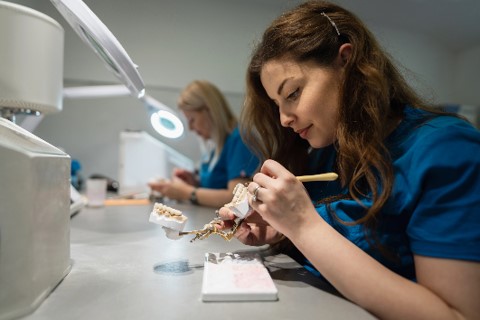
Introduction about DIPLOMA IN DENTAL TECHNICIAN & HYGIENE:
A Diploma in Dental Technician and Hygiene is a program designed to train individuals in the field of dental technology and oral hygiene. Dental technicians and hygienists play a crucial role in the dental healthcare system, assisting dentists in various capacities, from creating dental prosthetics to educating patients on oral hygiene practices.
In this diploma program, students receive comprehensive training in dental technology, which includes designing, constructing, and repairing dental appliances such as crowns, bridges, dentures, and orthodontic devices. Additionally, they also learn the principles of oral hygiene and preventive dental care, focusing on educating patients on maintaining good oral health.
This program equips students with the necessary knowledge and practical skills to work in dental laboratories, dental clinics, and other dental healthcare settings. It is an essential step toward a rewarding career in the dental field, contributing to the overall well-being of patients by ensuring they receive quality dental care and oral health guidance.
How can I Apply for admission to DIPLOMA IN DENTAL TECHNICIAN & HYGIENE Program:
To apply for admission to a Diploma in Dental Technician & Hygiene program, follow these general steps:
Research and Choose a School: Start by researching dental technician and hygiene programs offered by various educational institutions. Look for accredited institutions that offer this diploma program.
Check Eligibility: Review the admission requirements for the specific program you're interested in. These requirements can vary from one institution to another but generally include a high school diploma or its equivalent.
Prepare Required Documents: Gather the necessary documents, which typically include:
High school transcripts or equivalent
Identification documents (e.g., passport, ID)
Passport-sized photographs
Completed application form (online or paper-based, depending on the institution)
Application Submission: Submit your application through the institution's application portal or by mailing the paper application form, along with the required documents.
Entrance Exams: Some institutions may require you to take an entrance exam or provide standardized test scores. Make sure to prepare for these if necessary.
Interview: In some cases, you might be invited for an interview as part of the admission process. Be prepared to discuss your interest in the program and your goals.
Pay Application Fees: Pay any application fees that may be required by the institution.
Wait for Admission Decision: After submitting your application, wait for the institution to review your application and provide an admission decision.
Acceptance and Enrollment: If you receive an offer of admission, carefully review the offer letter, including information about enrollment deadlines, tuition, and any other relevant details. Follow the instructions to accept the offer and enroll in the program.
Financial Aid and Scholarships: Explore financial aid options and scholarships that may be available to you to help cover the cost of your education.
Orientation: Attend any orientation sessions or events for new students to get acquainted with the program, faculty, and facilities.
What is the eligibility for DIPLOMA IN DENTAL TECHNICIAN & HYGIENE:
The eligibility requirements for a Diploma in Dental Technician & Hygiene program may vary depending on the educational institution offering the program. However, here are the typical eligibility criteria you can expect:
Educational Qualifications:
A high school diploma or its equivalent (e.g., GED).
Successful completion of specific prerequisite courses in biology, chemistry, and other related subjects may be required in some cases.
Minimum GPA: Many programs require a minimum Grade Point Average (GPA) from your high school education. The specific GPA requirement can vary from one institution to another.
Entrance Exams: Some institutions may require you to take entrance exams, such as the Dental Admission Test (DAT) or other standardized tests. You'll need to achieve a competitive score on these exams.
Letters of Recommendation: You may be asked to provide letters of recommendation from teachers, counselors, or professionals who can vouch for your qualifications and readiness for the program.
Interview: In some cases, institutions may require an interview as part of the admission process. This interview assesses your motivation and suitability for the program.
English Language Proficiency: For international students or non-native English speakers, proof of English language proficiency may be required, typically through tests like the TOEFL or IELTS.
Background Checks: Some programs may conduct background checks or require you to submit a background check report.
How long does it takes to complete a DIPLOMA IN DENTAL TECHNICIAN & HYGIENE program:
The duration of a Diploma in Dental Technician & Hygiene program can vary depending on the institution and the specific curriculum. Typically, these programs last for approximately 2 to 3 years, but there can be variations. Here's a general overview of the program duration:
Dental Technician Diploma: A diploma program in dental technology usually takes about 2 to 2.5 years to complete. During this program, students learn how to create dental prostheses, including crowns, bridges, dentures, and orthodontic appliances. They also study dental materials, laboratory techniques, and digital technologies used in dental laboratories.
Dental Hygiene Diploma: Dental hygiene programs generally take around 2 to 3 years to complete. These programs focus on oral health care and hygiene practices. Students learn about dental anatomy, patient care, preventive dentistry, radiography, and periodontal therapy. Upon completion, graduates are eligible to become licensed dental hygienists.
The exact duration may also depend on whether the program follows a semester or trimester system and if it includes mandatory clinical or internship components. It's important to check with the specific educational institution offering the program for the most accurate and up-to-date information regarding program duration.
Additionally, some programs may offer accelerated or part-time options, allowing students to complete their diplomas in a shorter or longer timeframe, depending on their needs and preferences.
What are potential career opportunities after DIPLOMA IN DENTAL TECHNICIAN & HYGIENE:
After completing a Diploma in Dental Technician & Hygiene, graduates have various career opportunities in the field of dentistry. Here are some potential career paths for individuals with these diplomas:
Dental Technician: Graduates with a Diploma in Dental Technician can work as dental technicians in dental laboratories. They design, create, and repair dental prostheses, including crowns, bridges, dentures, and orthodontic appliances. They work closely with dentists to ensure that patients receive high-quality dental restorations.
Dental Hygienist: Individuals who complete a Diploma in Dental Hygiene can pursue a career as dental hygienists. They play a crucial role in preventive oral healthcare and patient education. Dental hygienists provide services such as teeth cleaning, periodontal therapy, taking X-rays, and educating patients about proper oral hygiene practices.
Dental Assistant: Dental assistants work alongside dentists to provide chairside assistance during dental procedures. They prepare patients for treatment, sterilize instruments, and assist with administrative tasks. Dental assistants also take X-rays and perform other essential tasks to ensure the smooth operation of a dental practice.
Oral Health Educator: Some dental technicians and dental hygienists choose to become oral health educators. They work in educational settings, community health programs, or public health organizations to teach individuals and communities about proper oral hygiene, the prevention of dental diseases, and the importance of regular dental check-ups.
Sales and Product Representation: Graduates can work for dental equipment and materials manufacturers or suppliers. They may be involved in sales, marketing, or product representation. This role involves promoting dental products and equipment to dental professionals and clinics.
Research and Development: Those interested in research can work in the research and development departments of dental laboratories or dental companies. They may be involved in developing new dental materials, techniques, or technologies.
Clinical Instructor: Experienced dental hygienists and dental technicians can become clinical instructors in educational institutions, teaching the next generation of dental professionals.
Consulting: Graduates with expertise in dental technology or hygiene may provide consulting services to dental practices, helping them improve their processes, adopt new technologies, or maintain infection control standards.
It's important to note that specific career opportunities may vary depending on the region and the level of education and licensing required. Graduates should also check the licensing and certification requirements in their area to ensure they meet the necessary qualifications for their chosen career path.
Syllabus of semester wise DIPLOMA IN DENTAL TECHNICIAN & HYGIENE:
The syllabus for a Diploma in Dental Technician & Hygiene program may vary depending on the institution and country where the program is offered. However, I can provide a general overview of the subjects and topics commonly covered in such a diploma program. Please note that the specific courses and their sequencing can differ, and it's advisable to refer to the curriculum provided by the educational institution for precise details. Here's a semester-wise breakdown of the syllabus:
|
Semester 1: |
|
Dental Anatomy and Physiology: |
|
Introduction to oral structures and functions. |
|
Study of teeth, their classification, and development. |
|
Oral cavity anatomy and physiology. |
|
Oral Health and Hygiene: |
|
Principles of oral hygiene and preventive dentistry. |
|
Introduction to common dental diseases and their prevention. |
|
Dental Materials: |
|
Study of dental materials used in prosthodontics and restorative dentistry. |
|
Hands-on experience with materials like dental cements, composites, and impression materials. |
|
Oral Radiology: |
|
Introduction to dental radiography. |
|
Techniques for taking dental X-rays. |
|
Safety procedures in radiography. |
|
Semester 2: |
|
Oral Pathology and Microbiology: |
|
Study of oral diseases and their causes. |
|
Microorganisms related to dental diseases. |
|
Dental Laboratory Techniques: |
|
Techniques for creating dental prostheses such as crowns, bridges, and dentures. |
|
Hands-on experience in a dental laboratory. |
|
Dental Instruments and Equipment: |
|
Knowledge of dental instruments and their uses. |
|
Maintenance and sterilization of dental equipment. |
|
Clinical Practice: |
|
Introduction to clinical procedures and patient management. |
|
Observational and hands-on experience in a dental clinic. |
|
Semester 3: |
|
Oral Medicine and Diagnosis: |
|
Diagnosis and management of common oral diseases. |
|
Oral health assessment and record-keeping. |
|
Dental Hygiene Procedures: |
|
Techniques for professional teeth cleaning and periodontal therapy. |
|
Patient education on oral hygiene. |
|
Community Dentistry: |
|
Introduction to public health dentistry. |
|
Oral health promotion and community outreach. |
|
Dental Ethics and Jurisprudence: |
|
Professional ethics and legal aspects of dental practice. |
|
Semester 4: |
|
Practice Management: |
|
Dental practice administration and management. |
|
Dental office procedures and record-keeping. |
|
Dental Emergencies: |
|
Recognition and management of dental emergencies. |
|
Clinical Rotations: |
|
Extended clinical practice under supervision. |
|
Exposure to various dental specialties. |
|
Research Project: |
|
Optional research project or thesis. |
Internship Opportunities after completing DIPLOMA IN DENTAL TECHNICIAN & HYGIENE:
After completing a Diploma in Dental Technician & Hygiene, graduates have various internship and career opportunities in the dental field. These internships help them gain practical experience and enhance their skills. Here are some internship opportunities:
Dental Clinics and Hospitals: Many dental clinics and hospitals offer internship positions for dental technicians and hygienists. Interns can assist dentists in various procedures, work on dental prostheses, and perform dental hygiene tasks under supervision.
Dental Laboratories: Dental technicians often complete internships in dental laboratories where they work on creating dental prosthetics such as crowns, bridges, dentures, and orthodontic appliances. This hands-on experience is crucial for honing their technical skills.
Public Health Programs: Some graduates choose to work with public health programs that focus on oral health. They may participate in community outreach initiatives, school dental health programs, and dental hygiene education projects.
Specialized Dental Practices: Specialty dental practices like orthodontics, periodontics, and oral surgery may offer internship opportunities to graduates interested in these specific fields. Interns can gain specialized experience and knowledge.
Research Institutions: Graduates interested in dental research can intern at research institutions or universities. They may participate in ongoing research projects related to dental materials, techniques, or public health studies.
Dental Equipment and Supply Companies: Some dental equipment and supply companies offer internships in roles related to sales, product development, or customer support. This can provide a different perspective on the dental industry.
Teaching and Education: If graduates are interested in teaching or pursuing further education, they may intern as teaching assistants in dental schools or educational institutions.
It's important to note that the availability of internships can vary based on the location and the specific dental technician and hygiene program. Graduates should check with their educational institution's career services or seek out internships through local dental clinics and organizations. Internships are valuable for building practical skills, expanding professional networks, and gaining a competitive edge in the job market.
Scholarship and grants for DIPLOMA IN DENTAL TECHNICIAN & HYGIENE:
Scholarships and grants for a Diploma in Dental Technician & Hygiene program may be available to eligible students. These financial aid options can help offset the cost of tuition and related educational expenses. Here are some potential sources of scholarships and grants:
Institutional Scholarships: Many educational institutions offering dental technician and hygiene programs have their own scholarship programs for students. These scholarships may be merit-based or need-based.
Government Scholarships: Depending on the country, state, or region, government agencies may offer scholarships or grants to students pursuing dental health professions, including dental technicians and hygienists.
Professional Associations: Dental associations and organizations, such as the American Dental Association (ADA) in the United States, often provide scholarships to students pursuing careers in dentistry and related fields. Check with the relevant professional associations in your area.
Private Foundations: Some private foundations and non-profit organizations support students in dental health programs. They may offer scholarships to those who meet specific criteria.
Corporate Scholarships: Dental equipment and supply companies, as well as dental product manufacturers, may have scholarship programs for students in dental technician and hygiene programs. These scholarships may be linked to future employment opportunities with the company.
Community and Service Organizations: Local service clubs, such as the Rotary Club or Lions Club, sometimes offer scholarships to students pursuing healthcare professions, including dental hygiene.
Online Scholarship Databases: Utilize online scholarship search engines and databases to identify scholarships and grants that match your qualifications and program of study. Websites like Fastweb, Scholarships.com, and College Board's Scholarship Search are helpful resources.
Financial Aid Office: Contact the financial aid office at your educational institution to inquire about available scholarships and grants. They can provide information about application processes and deadlines.
Employer Assistance: Some employers offer tuition assistance or reimbursement programs to employees pursuing further education in relevant fields. If you are currently employed, check with your employer about available educational benefits.
When searching for scholarships and grants, be sure to read the eligibility criteria and application requirements carefully. Application deadlines can vary, so plan ahead to meet submission deadlines. Additionally, consider applying for multiple scholarships to maximize your chances of receiving financial assistance for your Diploma in Dental Technician & Hygiene program.
FAQ,s:
What is a Diploma in Dental Technician & Hygiene (DDTH) program?
A DDTH program is a dental education program that trains students to become dental technicians and hygienists. Dental technicians are responsible for crafting dental prosthetics like crowns and bridges, while dental hygienists focus on patient oral health and preventive care.
What are the eligibility requirements for a DDTH program?
Eligibility requirements may vary by institution, but generally, applicants should have completed high school or its equivalent. Some programs may have specific science and math prerequisites.
How long does it take to complete a DDTH program?
A DDTH program typically takes 2 to 3 years to complete, depending on the specific curriculum and institution.
What subjects are covered in a DDTH program?
DDTH programs include coursework in dental materials, dental anatomy, oral pathology, dental laboratory procedures, dental radiography, dental hygiene techniques, and more.
What are the potential career opportunities after completing a DDTH program?
Graduates of DDTH programs can work as dental technicians in dental laboratories, crafting dental appliances. Dental hygienists can work in dental offices, providing oral health care and preventive services to patients.
Are there internship opportunities during a DDTH program?
Many DDTH programs include clinical or laboratory internships to provide hands-on experience in dental procedures and techniques.
How can I apply for admission to a DDTH program?
To apply, you typically need to complete the application form provided by the institution offering the program. Be sure to submit required documents, including transcripts and letters of recommendation.
Are scholarships or grants available for DDTH programs?
Yes, there are scholarships and grants available to students pursuing dental health programs, including DDTH. These financial aid options can help offset the cost of education.
Can I further my education after completing a DDTH program?
Yes, after completing a DDTH program, you may have opportunities to advance your education in dental fields by pursuing a Bachelor's degree in dental hygiene, dental technology, or related disciplines.
How do I become a licensed dental hygienist or dental technician?
To become a licensed dental hygienist or dental technician, you'll typically need to pass national or state licensing exams. The specific requirements vary by location, so it's important to research the regulations in your area.
How Shiksha Hub helps you in
-
 Student Counsellors
 -
 Career Counseling
 -
 Research
 -
 24/7 Support
 -
 Scholarships
 -
 Community